Building Engaging Content Strategy for Online Presence

In the digital age, an effective online presence is vital for businesses and individuals alike. Crafting an engaging content strategy is not just about creating material; it’s about designing content that resonates with your audience, supports your brand’s goals, and stands out in a crowded digital landscape. This article will explore the key components of building a content strategy that captivates your audience and bolsters your online footprint.
Key Takeaways
- A successful content strategy begins with a deep understanding of your target audience and their needs, allowing for tailored content that engages and retains interest.
- Setting clear objectives and aligning them with measurable goals ensures that your content strategy contributes to your overall business success.
- Incorporating SEO best practices into your content creation can significantly enhance your online visibility and draw more organic traffic to your site.
- Utilizing multimedia elements and interactive features can make your content more engaging, leading to increased user interaction and longer dwell times.
- Continuous measurement and refinement of your strategy, based on performance analytics and user feedback, are crucial for sustained content effectiveness and relevance.
Crafting a Robust Content Strategy
Identifying Your Audience and Their Needs
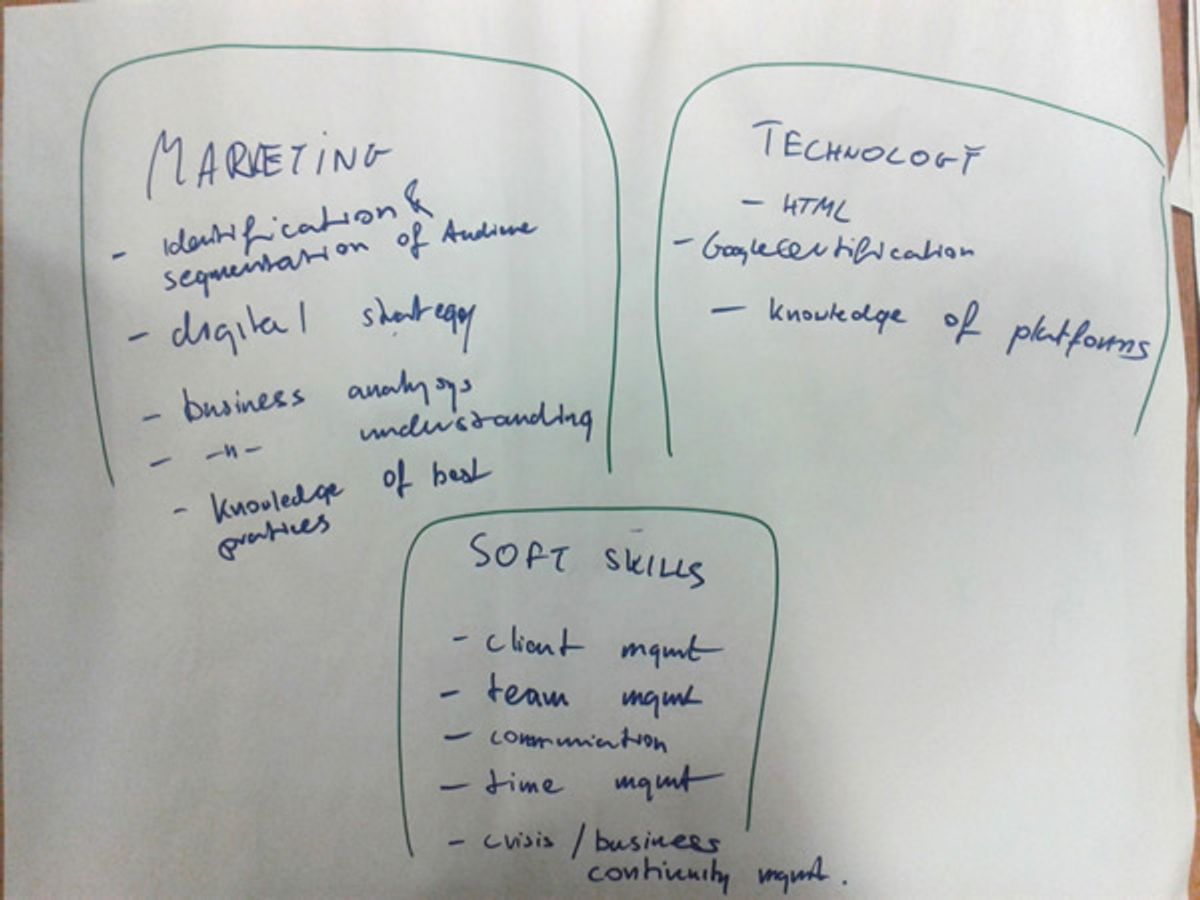
Understanding who your audience is and what they need is the cornerstone of a successful content strategy. Identifying the right audience ensures that your content resonates and provides value, leading to increased engagement and loyalty. Start by analyzing demographic data, customer feedback, and online behavior to create detailed audience personas.
To effectively cater to your audience, consider their challenges, pain points, and the solutions they are seeking. This insight will guide the creation of content that not only attracts but also retains your audience.
Once you have a clear picture of your audience, list their needs and preferences. This can include content format preferences, topics of interest, and the platforms they frequent. Tailoring your content to meet these specifics will enhance user experience and foster a stronger connection with your audience.
Setting Clear Objectives and Goals
Establishing clear objectives and goals is the cornerstone of any successful content strategy. Defining what you want to achieve with your content guides the creation process and ensures that every piece of content has a purpose. Whether it’s increasing brand awareness, driving sales, or educating your audience, having specific targets in place is crucial.
- Identify key performance indicators (KPIs) relevant to your goals.
- Set measurable targets to track progress.
- Align content objectives with broader business goals.
By setting benchmarks and regularly reviewing progress, you can adjust your strategy to stay on course and achieve your desired outcomes.
Remember, a goal without a plan is just a wish. That’s why it’s important to break down larger objectives into actionable steps. This not only makes the goals more attainable but also allows for more precise tracking and optimization of your content strategy.
Content Mapping and Planning
Content mapping and planning are critical steps in developing a content strategy that resonates with your audience and aligns with your business goals. By visualizing the customer journey, you can create a roadmap for delivering the right content, to the right people, at the right time. This involves understanding the various stages of the buyer’s journey and the types of content that are most effective at each stage.
- Awareness Stage: Educational blog posts, infographics, and social media content to attract attention.
- Consideration Stage: In-depth guides, webinars, and case studies to provide more detailed information.
- Decision Stage: Free trials, demos, and customer testimonials to encourage conversion.
A successful content strategy evolves with audience needs, involves ideation and creation of engaging content, and requires maintenance and optimization for platform diversity.
Regularly reviewing and updating your content plan ensures that it remains effective and relevant. This may include analyzing performance data, gathering feedback, and adapting to new market trends or changes in consumer behavior.
Leveraging SEO for Greater Reach
To maximize visibility in the digital space, integrating SEO into your content strategy is essential. Utilize SEO best practices to ensure that your content is discoverable by search engines and appealing to your audience. This involves a multifaceted approach, including keyword research, on-page optimization, and mobile optimization, all aimed at enhancing the user experience.
By focusing on SEO, you can achieve sustained organic growth, making your online presence more robust and competitive.
Consider the following steps to leverage SEO effectively:
- Conduct thorough keyword research to understand what your audience is searching for.
- Create quality content that addresses those search queries.
- Optimize your website’s on-page elements, such as meta tags and headings.
- Ensure your site is mobile-friendly to cater to the increasing number of mobile users.
- Regularly update your content to keep it fresh and relevant.
Remember, SEO is not a one-time task but an ongoing process that requires regular attention and adaptation based on analytics and user feedback.
Designing for Engagement

Creating Visually Appealing Layouts
In the digital realm, first impressions are vital, and the visual appeal of your content plays a crucial role in capturing the attention of your audience. A well-designed layout not only draws the eye but also facilitates the seamless consumption of information. To achieve this, consider the following points:
- Utilize white space effectively to avoid clutter and focus attention on key elements.
- Choose a harmonious color scheme that reflects your brand and enhances readability.
- Employ typography that is not only on-brand but also easy to read and accessible across devices.
By prioritizing visual harmony and user experience, you create an environment where content is not just seen but experienced.
Remember, the goal is to guide your audience through your content with visual cues and a logical structure. This approach not only heightens engagement but also reinforces the message you wish to convey. The collage layout, for instance, places a great deal of focus on the images included on your webpage, joining them together to create a layout that’s easy on the eyes and compelling.
Incorporating Interactive Elements
To foster a deeper connection with your audience, incorporate interactive elements into your content strategy. Interactive features such as quizzes, polls, and calculators invite user participation, which can lead to increased time spent on your site and a more memorable user experience. For example, a simple poll can provide insights into your audience’s preferences, while a calculator might help them make informed decisions related to your content.
By integrating interactive elements, you not only enhance user engagement but also gather valuable data that can inform future content creation and marketing strategies.
Personalization plays a pivotal role in modern web design. Utilizing AI-driven tools to tailor content to individual users can significantly improve satisfaction and conversion rates. Consider the following steps to effectively implement interactive elements:
- Identify opportunities for interaction within your content.
- Select the appropriate tools or plugins to create these features.
- Test the interactivity to ensure it functions smoothly across all devices.
- Analyze user engagement and adjust your strategy accordingly.
Utilizing Multimedia to Enhance Stories
In the digital age, multimedia elements such as images, videos, and audio can significantly amplify the impact of your content. By integrating these elements, you create a richer narrative that engages the senses and holds the attention of your audience.
Multimedia storytelling can transform a static message into an immersive experience. It’s not just about adding pictures or videos; it’s about weaving these assets into your content to make it more compelling and memorable.
To effectively utilize multimedia, consider the following steps:
- Plan your visual narrative: Use a content planning app and map out how your images and videos will come together to form a cohesive story.
- Choose quality over quantity: Select high-quality multimedia that adds value and relevance to your content.
- Optimize for different platforms: Ensure that your multimedia is optimized for the platforms where your audience is most active.
- Test and measure engagement: Use analytics to track how your audience interacts with multimedia elements and adjust your strategy accordingly.
Ensuring Mobile Responsiveness
In today’s digital landscape, ensuring mobile responsiveness is not just an option; it’s a necessity. With the majority of internet traffic coming from mobile devices, a mobile-friendly website is crucial for maintaining user engagement and satisfaction. Balancing design and development needs is essential for a seamless user experience across devices.
Mobile responsiveness is about creating a consistent and accessible experience for users, regardless of the device they use. It involves a flexible layout that adapts to different screen sizes, readable text without the need for zooming, and adequate space for tap targets.
To achieve optimal mobile responsiveness, consider the following steps:
- Conduct a mobile usability test to identify any issues.
- Implement responsive design techniques such as fluid grids and flexible images.
- Prioritize loading speed to keep bounce rates low.
- Regularly update the website to adapt to new mobile standards and devices.
Developing Quality Content

Maintaining a Consistent Voice and Tone
A consistent voice and tone in your content are essential for building trust and rapport with your audience. Developing a strong brand voice involves authenticity, adaptability, engagement, and clarity. It’s not just about what you say, but how you say it that resonates with your audience. Matching content types with appropriate channels is crucial for effective engagement and reaching the target audience.
To maintain consistency, create a style guide that outlines your brand’s voice, tone, and the language to be used across all platforms. This ensures that every piece of content, whether it’s a blog post, social media update, or marketing copy, aligns with your brand’s identity.
Here are some key points to consider when maintaining a consistent voice and tone:
- Balance evergreen and time-sensitive content to keep your content relevant.
- Automate scheduling to ensure regular content delivery without sacrificing quality.
- Focus on quality over quantity to build credibility and authority.
- Engage your audience with tailored content that addresses their specific interests and needs.
- Prioritize user experience for engagement and retention, making sure your content is accessible and enjoyable to consume.
Producing Original and Valuable Content
In the digital landscape, content is king, but not all content wears the crown equally. To maximize online engagement, it’s essential to produce content that is not only original but also provides tangible value to your audience. This means going beyond the superficial and delving into topics with depth and insight.
Originality in content production isn’t just about avoiding plagiarism. It’s about bringing fresh perspectives and unique ideas to the table, which resonate with your audience and establish your brand as a thought leader in your industry.
Creating content that stands out in a crowded digital space requires a strategic approach. Here are some steps to ensure your content is both original and valuable:
- Conduct thorough research to understand the landscape.
- Prioritize relevance to your audience’s interests and needs.
- Focus on quality over quantity, ensuring each piece is well-crafted.
- Optimize content for SEO to enhance discoverability.
Remember, the goal is to create content that not only attracts but also retains the attention of your audience, encouraging them to return for more.
Incorporating Storytelling Techniques
Storytelling is a powerful tool in content creation, capable of transcending mere information delivery to create a memorable experience for the audience. By weaving a narrative around your content, you can engage readers on a deeper level, fostering a connection that goes beyond the screen.
Effective storytelling in content strategy involves understanding the elements that make stories compelling. These include a clear narrative, relatable characters, and a meaningful conflict or challenge that keeps the audience invested.
Incorporating visual storytelling techniques can significantly enhance the impact of your content. Elements such as imagery, color, and composition work together to evoke emotions and underscore your message. Here’s a simple list to get started:
- Identify the core message of your content
- Develop characters or personas that your audience can relate to
- Structure your content with a beginning, middle, and end
- Use visual elements to complement and reinforce your narrative
Remember, the goal is to make your content not just informative, but also inspiring and persuasive. By mastering the art of storytelling, you can transform your content strategy into an art form that captivates and resonates with your audience.
Balancing Evergreen and Trending Topics
In the dynamic landscape of content creation, balancing evergreen and trending topics is crucial for sustaining audience engagement over time. Evergreen content serves as the backbone of your content strategy, providing value to your audience regardless of the season or current trends. On the other hand, trending topics capture the immediate interest of your audience, keeping your content fresh and relevant.
To maintain this balance, it’s essential to have a pulse on your industry’s trends while also investing in content that remains pertinent. This approach ensures that your content portfolio is diverse and adaptable to changing audience interests.
Here’s a simple framework to help you strategize:
- Monitor industry news and social media to identify emerging trends.
- Analyze your audience’s behavior to understand what evergreen topics resonate the most.
- Schedule regular content audits to assess the performance of both evergreen and trending content.
- Allocate resources effectively between the two types of content, ensuring a healthy mix.
By integrating both evergreen and seasonal topics into your content strategy, you create a robust platform that appeals to a wider audience and boosts your SEO efforts.
Optimizing for Performance and Security

Improving Website Load Times
In the digital age, website load times are critical to ensuring a positive user experience and maintaining a competitive edge. A slow-loading website can lead to increased bounce rates, diminished user satisfaction, and lower search engine rankings. To combat this, here are some effective strategies:
- Optimize Images: Compress and optimize images to maintain quality while reducing file size. This can significantly decrease load times.
- Implement Caching: Utilize caching to save server resources and speed up content delivery to repeat visitors.
- Minify Scripts: Reduce the size and number of CSS and JavaScript files to minimize HTTP requests.
- Optimize External Scripts: Limit the use of external scripts to reduce reliance on third-party resources.
By focusing on these areas, you can enhance your website’s performance, which is essential for user satisfaction and SEO success. Regularly reviewing and updating your website’s performance using a comprehensive checklist can lead to a loyal following and improved engagement.
Remember, optimizing your website’s load times is not just about improving speed; it’s about creating a seamless experience for your users. As AltexSoft suggests, using a Content Delivery Network (CDN) and reducing the size of images are among the best practices to achieve faster loading times. Stay proactive in your approach to website performance to keep your audience engaged and satisfied.
Ensuring Data Protection and Privacy
In the digital landscape, data protection and privacy are not just legal requirements but also critical to maintaining user trust. A robust security protocol is the cornerstone of safeguarding personal information and preventing unauthorized access. To achieve this, consider the following steps:
- Regularly update software and plugins to patch vulnerabilities.
- Implement SSL/TLS encryption for data in transit.
- Use secure passwords and enable multi-factor authentication.
- Conduct vulnerability assessments and penetration testing.
- Ensure compliance with data protection laws like GDPR or CCPA.
By prioritizing data protection, you not only comply with regulations but also demonstrate to your users that their privacy is valued. This commitment can significantly enhance your brand’s reputation and user loyalty.
Remember, strategies for personalization and interactivity must go hand in hand with robust security protocols and data protection compliance to ensure website success and user trust in the digital age.
Regularly Updating and Maintaining Site Health
To ensure the longevity and efficiency of your online presence, regular maintenance and updates are crucial. This involves a series of actions that keep your website running smoothly and securely.
- Optimize Images: Compress and optimize images to maintain quality while boosting site speed.
- Implement Caching: Utilize caching to save resources and enhance user experience.
- Minify Scripts: Reduce CSS and JavaScript file sizes to improve loading times.
- Optimize External Scripts: Limit the use of external scripts to decrease load on your site.
By adhering to a regular maintenance schedule, you can prevent potential security threats and ensure optimal performance.
Keeping your website updated with the latest software and security patches is not just about preventing attacks; it’s about safeguarding your brand’s reputation and user trust. Frequent core and plugin updates, security checks, and performance monitoring are part of a proactive approach to website health. Remember, a well-maintained website reflects the professionalism of your business and contributes to user satisfaction and retention.
Conducting Periodic Security Audits
Periodic security audits are a critical component of maintaining a secure online presence. Regularly reviewing and updating security measures can prevent potential breaches and ensure that your website remains a trusted resource for users. A comprehensive security audit should include checking for software updates, scanning for vulnerabilities, and reviewing user access controls.
A security audit is not just a one-time task but an ongoing process that helps in identifying and mitigating risks before they become critical issues.
To effectively conduct a security audit, consider the following steps:
- Evaluate current security policies and procedures.
- Perform a thorough scan for malware and vulnerabilities.
- Update all software, including plugins and themes, to their latest versions.
- Review user roles and permissions to ensure the principle of least privilege.
- Test backup and recovery procedures to confirm data integrity.
By incorporating these practices into a regular maintenance schedule, you can enhance the security posture of your website. Additionally, utilizing tools and resources such as the Website Security Audit: Your Essential Step-by-Step Checklists can provide a structured approach to securing your online platform.
Measuring Success and Making Improvements

Tracking Key Performance Indicators (KPIs)
To gauge the success of your content strategy, tracking the right KPIs is crucial. These indicators not only reflect the performance of your content but also inform strategic decisions moving forward. Begin by selecting KPIs that align with your business goals and objectives. For instance, if your aim is to enhance user engagement, metrics like average session duration and pages per session become valuable.
Consider the following KPIs to monitor:
- User Behavior Metrics (e.g., pageviews, bounce rate)
- Conversion Metrics (e.g., conversion rate, number of transactions)
- SEO Performance Metrics (e.g., organic traffic, keyword rankings)
By consistently measuring these KPIs, you can identify trends, understand user interaction, and make data-driven improvements to your content strategy.
Remember to use tools that provide comprehensive analytics to track these metrics effectively. Regular analysis of your KPIs will help you to optimize your content for better performance and ultimately, achieve your strategic goals.
Gathering and Acting on User Feedback
User feedback is the compass that guides the continuous improvement of your online content. Actively seeking out and analyzing feedback can reveal insights into user preferences, pain points, and desired features. This information is invaluable for refining your content strategy to better meet the needs of your audience.
- Monitor user comments on social media, blog posts, and forums to gauge immediate reactions.
- Conduct surveys or polls to collect structured feedback on specific topics.
- Implement user testing sessions for direct observation of user interactions.
- Analyze customer support tickets to identify common issues or requests.
By systematically addressing user feedback, you can enhance user satisfaction and foster a sense of community around your brand. It’s essential to not only collect feedback but also to act on it promptly, demonstrating to your users that their opinions are heard and valued.
Remember to maintain efficient systems with routine maintenance and engage with your community for loyalty. Craft a content strategy aligned with social media algorithms to engage viewers, adapt to trends and feedback, be agile and responsive, and prioritize real-time engagement for online success.
A/B Testing for Content Effectiveness
A/B testing is a critical step in refining your content strategy to ensure maximum engagement and conversion. By comparing two versions of a webpage or content piece, you can gather data on user behavior and preferences. Implementing A/B testing allows for data-driven decisions, enhancing the effectiveness of your content.
A/B testing is not just about choosing the better of two options, but about understanding why one performs better and using those insights to drive continuous improvement.
Here’s a simple process to follow for A/B testing:
- Identify the goal of your test (e.g., increase click-through rate).
- Create two versions of your content (A and B).
- Serve both versions to a similar audience at the same time.
- Collect and analyze the data.
- Choose the better-performing version and implement it.
- Use the insights gained to inform future content creation.
Remember, A/B testing is an ongoing process. It’s about optimizing content for online success through SEO best practices and analytics utilization for targeted content refinement. The goal is to create a loop of testing, learning, and improving that leads to a more engaging online presence.
Adapting Strategy Based on Analytics
In the digital landscape, the ability to pivot and adapt your content strategy based on analytics is crucial for sustained success. Utilizing web analytics tools, you can gain insights into what content resonates with your audience, which platforms are most effective, and where there are opportunities for improvement.
By continuously analyzing performance data, you can refine your content strategy to better meet the needs of your audience and achieve your business goals.
It’s not just about the numbers; qualitative feedback from user interactions, especially on social media, can provide a wealth of information. Encourage user-generated content and create a dynamic environment that fosters a sense of community and engagement.
Here are some steps to consider when using analytics to guide your content strategy:
- Review and analyze user engagement metrics regularly.
- Identify patterns and trends that indicate content preferences.
- Test different content formats and measure their impact.
- Adjust your strategy to incorporate new digital trends and industry changes.
Remember, the goal is to create content that not only attracts but also retains and converts your audience. By staying agile and responsive to analytics, you can ensure your content remains relevant and effective.
At the core of every successful project lies a robust strategy and a commitment to continuous improvement. Our team at AM2 specializes in delivering custom web design and development solutions that not only meet but exceed your business goals. We invite you to explore our range of services, from WordPress Development to eCommerce solutions, and see how we can help your business thrive in the digital world. Don’t just take our word for it; visit our website to learn more about our success stories and how we can contribute to your success. Let’s make your digital presence outstanding together!
Conclusion
In the digital age, an engaging content strategy is vital for establishing a strong online presence. Throughout this article, we’ve explored various facets of creating content that resonates with audiences, from understanding user experience to ensuring technical excellence in website performance and security. Remember, the journey doesn’t end with the launch of your content; it requires ongoing monitoring, optimization, and adaptation to the ever-evolving digital landscape. By embracing a comprehensive approach that combines strategy, design, development, and quality assurance, you can craft an online presence that not only captivates your audience but also drives tangible results for your business. Stay informed, stay creative, and continue to build a digital world that reflects the excellence of your brand.
Frequently Asked Questions
How do I identify my target audience for a content strategy?
To identify your target audience, conduct market research, analyze your current customer base, monitor social media trends, and consider utilizing analytics tools to gain insights into demographics, interests, and behaviors.
What are some effective ways to set clear objectives and goals for my content?
Effective ways to set objectives include using the SMART criteria (Specific, Measurable, Achievable, Relevant, Time-bound), aligning them with your business goals, and regularly reviewing and adjusting them based on performance data.
How can SEO improve my online content’s reach?
SEO can improve your content’s reach by optimizing it for relevant keywords, ensuring your website is technically sound, creating high-quality backlinks, and providing value that meets the search intent of your audience.
What are some key interactive elements to incorporate for increased engagement?
Key interactive elements include quizzes, polls, interactive infographics, calculators, and chatbots. These elements can keep users engaged, encourage participation, and increase the time they spend on your site.
How frequently should I perform a website health audit?
A website health audit should be conducted regularly, at least quarterly, to ensure optimal performance, security, and user experience. It helps identify issues that could affect your site’s SEO and usability.
What metrics should I track to measure the success of my content strategy?
Key metrics to track include website traffic, engagement rates, conversion rates, bounce rates, social media shares, and the performance of specific content pieces. These metrics help determine the effectiveness of your content strategy.