Crafting Memorable User Experiences with Intuitive Design

In the digital realm, the creation of a user-centric design is paramount for ensuring a memorable and positive user experience. The article ‘Crafting Memorable User Experiences with Intuitive Design’ delves into the various facets of design and usability, guiding readers through the strategies that make digital interactions seamless and engaging. It emphasizes the importance of understanding user behavior, prioritizing accessibility, and infusing emotional elements into design to foster brand loyalty. Moreover, it addresses the critical balance between personalization and privacy, underscoring the ethical responsibility of transparent data handling. The lifecycle of design, from concept to post-launch, is explored to underscore the iterative nature of crafting user experiences that resonate and endure.
Key Takeaways
- Intuitive design hinges on a deep understanding of user behavior and preferences, which informs a balance between aesthetics and functionality.
- Seamless user journeys are achieved through accessible design, clear navigation, and leveraging analytics to refine user flow and interactions.
- Emotional design elements such as storytelling and micro-interactions play a crucial role in building a connection with users and fostering brand loyalty.
- The ethical use of personal data is essential in user experience design, requiring a balance between personalization and robust data security measures.
- A user-centric design approach involves an iterative process of prototyping, testing, and optimization, ensuring continuous improvement post-launch.
The Intersection of Design and Usability
Understanding User Behavior and Preferences
To deliver an intuitive design, it’s crucial to grasp the intricacies of user behavior and preferences. This understanding forms the backbone of a user experience that is both engaging and effective. A commitment to research and testing paves the way for products that not only fulfill functional needs but also resonate on an emotional level, leading to user delight and inspiration.
Key methods for understanding users include:
- User interviews: Gaining insights through direct conversations.
- Surveys: Collecting broad feedback via questionnaires.
- Competitor analysis: Learning from others in the market.
- Analytics review: Making data-driven decisions.
By prioritizing user analysis, we learn not just how users interact with products, but also what drives their satisfaction and where they encounter friction. This knowledge is instrumental in crafting experiences that users find both useful and enjoyable.
Incorporating these insights into the design process ensures that the end product aligns with user expectations and behaviors, ultimately leading to higher engagement and reduced churn. It’s a strategic approach that places the user’s needs at the forefront, creating a seamless bridge between user understanding and product excellence.
Balancing Aesthetics with Functional Design
In the realm of user-centric web design, balancing aesthetics and usability is not just desirable, it’s imperative. While the visual appeal of a product may initially attract users, its ease of use and navigational intuitiveness are what retain them. This balance is a delicate dance between form and function, where every design element must serve a purpose without compromising the overall aesthetic harmony.
A product’s design should not only reflect its brand identity but also facilitate user tasks efficiently. This requires a thoughtful approach to incorporating visual elements that enhance usability rather than detract from it.
To achieve this equilibrium, designers must consider several factors:
- Readable Fonts: Ensuring text is legible across various devices and screen sizes.
- Mobile Compatibility: Creating responsive designs that adapt to different screen sizes.
- Fast Load Times: Optimizing visual elements to maintain quick website performance.
Each of these components plays a role in crafting an experience that is both visually pleasing and functionally robust, leading to a more engaging and efficient user experience.
Implementing User Feedback for Continuous Improvement
In the realm of user experience, the adage ‘the customer is always right’ takes on a new dimension. User feedback is the cornerstone of iterative design, providing invaluable insights that guide enhancements and refinements. By establishing a feedback loop, designers can pinpoint areas where users encounter friction and address them promptly.
The process of integrating user feedback should be systematic and ongoing, ensuring that the product evolves with the needs and expectations of its users.
To effectively implement user feedback, consider the following steps:
- Collect feedback through various channels such as surveys, interviews, and usability tests.
- Analyze the feedback to identify common themes and actionable insights.
- Prioritize the feedback based on its impact on the user experience and the product’s goals.
- Develop a plan to incorporate the feedback into the design and development process.
- Test the changes with users to validate improvements and continue the cycle of feedback.
This approach not only enhances the product but also fosters a sense of user involvement and satisfaction, as they see their input leading to tangible improvements.
Navigating the User Journey: Strategies for Seamless Interactions
Creating Intuitive Navigation Paths
Effective navigation is the compass of a website, guiding users to their desired content with ease and precision. Simplifying navigation is not just about decluttering menus, but about creating a journey that feels natural and effortless. To achieve this, consider the following steps:
- Organize your menu with a clear hierarchy and logical structure.
- Use descriptive labels for menu items to accurately reflect the content they link to.
- Limit menu items to avoid overwhelming users and to maintain clarity.
- Include a search function to help users find specific content quickly.
- Implement breadcrumb trails to help users track their navigation path.
By focusing on these aspects, you can significantly reduce bounce rates and enhance the overall user experience.
Remember, the goal is to balance functionality with aesthetics to create a positive user experience. Intuitive navigation paths are a cornerstone of user-centric design, ensuring that users can navigate your site without frustration or confusion.
Designing for Accessibility and Inclusivity
Creating an inclusive digital environment requires a commitment to accessibility from the outset. It’s essential to design with all users in mind, including those with disabilities. This means ensuring compatibility with assistive technologies, such as screen readers, and providing alternative text for images.
By focusing on intuitive navigation and meaningful interactions, we can craft a user experience that is not only accessible but also engaging.
Incorporating best practices for accessibility into the design process is not just about adhering to standards like the Web Content Accessibility Guidelines (WCAG); it’s about embracing the diversity of user needs. Here are some key considerations:
- Use clear and consistent navigation elements.
- Provide sufficient contrast for text and visual elements.
- Ensure that all interactive elements are keyboard accessible.
- Offer options to customize the user interface, such as font size and color schemes.
Remember, designing for accessibility and inclusivity is an ongoing process that benefits from continuous feedback and improvement. It’s a journey that enhances the experience for every user, making the digital world more open and welcoming for all.
Leveraging Analytics to Enhance User Flow
In the realm of user experience design, analytics serve as a compass, guiding the enhancement of user flow throughout a digital product. By meticulously tracking key performance indicators (KPIs), designers can pinpoint areas where users may encounter friction and implement targeted improvements.
Analytics not only reveal the ‘what’ and ‘how’ of user behavior but also empower designers to ask ‘why’—a critical question that leads to deeper insights and more impactful design decisions.
For instance, a sudden drop in user engagement on a specific page could indicate a usability issue, prompting a review and subsequent redesign. Here’s a simplified breakdown of essential metrics to monitor:
- Bounce Rate: The percentage of visitors who navigate away after viewing only one page.
- Conversion Rate: The ratio of visitors who take a desired action, such as making a purchase or signing up for a newsletter.
- Traffic Sources: Origins of web traffic, which can include direct visits, search engines, or referral sites.
- Time on Site: The average duration of a user’s visit, reflecting engagement and interest.
- User Flow: The path users take through a website, highlighting popular routes and potential bottlenecks.
By leveraging these metrics, designers can create a more intuitive and satisfying user journey, ultimately leading to increased user retention and conversion rates. It’s a continuous cycle of analysis, design, and testing that keeps the user experience fresh and relevant.
Emotional Design: Connecting with Users on a Deeper Level

Incorporating Storytelling in Design
Storytelling in design is not just about creating a narrative; it’s about weaving a tale that resonates with users, making every interaction meaningful. UX design with storytelling creates human-centered experiences, ensuring that users feel a connection with the product. Emotional design principles are employed to enhance user engagement through elements like color, typography, imagery, and interactions, which together build a cohesive and compelling story.
By integrating storytelling into the design process, we invite users into a world where every pixel tells a part of their story. This approach transforms mundane tasks into engaging journeys, fostering a deeper emotional bond between the user and the product.
To effectively incorporate storytelling, consider the following steps:
- User Research: Delve into user needs and behaviors to craft stories that address their emotional needs.
- Wireframing and Prototyping: Visualize the narrative through wireframes and prototypes, iterating to refine the story.
- Visual Design: Use design elements to convey the story visually, creating an immersive user experience.
Remember, the goal is to create a seamless blend of narrative and functionality that captivates and retains users.
Utilizing Micro-Interactions to Delight Users
Micro-interactions are subtle moments that occur within digital products, often without the user consciously noticing them. They serve as a powerful tool for enhancing the user experience by providing feedback, guiding tasks, and injecting personality into the user interface. For instance, the animation of a ‘like’ button when clicked not only confirms the action but also adds a moment of delight.
By focusing on the details, designers can transform mundane interactions into engaging experiences that reinforce the user’s connection to the product.
Here are some key practices for crafting effective micro-interactions:
- Communicate feedback or result of an action to reassure users.
- Help users accomplish an individual task with ease.
- Prioritize simplicity to avoid overwhelming the user.
- Use visual hierarchy to guide the user’s attention.
- Design for emotional engagement by addressing the emotional needs of users.
Incorporating these elements into a design strategy can lead to a more intuitive and memorable user experience.
Building Brand Loyalty Through User Experience
In the realm of user experience (UX), building brand loyalty is paramount. A well-designed UX fosters a strong emotional connection, making it a key differentiator in a competitive landscape. Users who enjoy seamless and delightful interactions with a product are more likely to become loyal advocates for the brand.
By prioritizing user satisfaction and transparent design, companies can cultivate lasting relationships with their audience. Authenticity, personal stories, and expertise are the cornerstones of a UX that resonates deeply with users.
Here are some key benefits of investing in UX for brand loyalty:
- Heightened Brand Perception: Reflects positively on the brand’s reputation for innovation and customer-centricity.
- Greater User Engagement: Captivates users, driving deeper engagement with the product.
- Increased Customer Retention: Delivers experiences that resonate, fostering long-term loyalty.
Creating an exceptional user experience is not just about meeting functional needs; it’s about exceeding expectations and providing a seamless, intuitive journey that users will want to return to time and again.
Privacy and Personalization: Tailoring Experiences Responsibly

Balancing User Customization with Data Security
In the realm of user experience, the ability to personalize is a double-edged sword. On one hand, personalization can significantly enhance the user’s connection to a product, creating a sense of ownership and emotional engagement. On the other hand, it necessitates the collection and handling of user data, which brings data security into the spotlight.
To strike the right balance, designers must navigate a complex landscape of user expectations and regulatory requirements. It’s not just about creating customizable interfaces; it’s about doing so responsibly.
Here are some key considerations for balancing these aspects:
- Ensuring that personalization does not compromise user privacy.
- Implementing robust encryption protocols to protect user data.
- Obtaining explicit user consent before collecting personal information.
- Conducting regular security audits to identify and address vulnerabilities.
Ultimately, the goal is to design experiences that are both deeply personal and unwaveringly secure, fostering trust and loyalty among users.
The Role of Cookies and Consent in UX Design
In the realm of UX design, cookies and user consent play pivotal roles in tailoring personalized experiences while respecting privacy. A well-designed cookie consent banner is a cornerstone of user trust, ensuring compliance with regulations like the GDPR. It’s essential to avoid the pitfalls of intrusive or misleading consent practices, which can erode user confidence and satisfaction.
Transparency is key. Users should be provided with clear choices and information about how their data will be used. This empowers them to make informed decisions about their privacy.
Here’s a brief overview of cookie categories and their typical durations:
| Cookie Type | Duration | Description |
|---|---|---|
| Analytics | 11 months | Tracks user interactions for statistical analysis. |
| Functional | 11 months | Enables essential website functions. |
| Performance | 11 months | Improves website performance and speed. |
By thoughtfully integrating cookie consent into the design process, designers can create a more respectful and user-centric experience. This not only aligns with legal requirements but also reinforces the user’s sense of control over their personal data.
Designing for Trust: Transparency in User Data Handling
In the digital age, trust is the cornerstone of user experience. Websites and applications that handle user data must prioritize transparency to foster this trust. Users should be clearly informed about how their data is collected, used, and protected. This includes providing easy-to-use control mechanisms for privacy settings.
Transparency isn’t just about compliance; it’s about respecting users and building a relationship based on honesty and integrity.
To ensure users are comfortable with their data being used, clear consent mechanisms must be in place. This means going beyond pre-ticked boxes and offering genuine choices about data sharing. Here’s a brief overview of key consent types:
- Explicit Consent: Users actively agree to data collection and use.
- Implied Consent: Assumed based on users’ actions.
- Opt-Out: Users must take action to prevent data collection.
Regular security audits and secure data storage practices are not just technical necessities; they are commitments to user safety. By being transparent about these practices, companies can demonstrate their dedication to protecting user information.
From Concept to Launch: The Lifecycle of a User-Centric Design

Prototyping and Testing: Iterating Towards Perfection
The journey from concept to launch is paved with iterative prototyping and testing, a cycle that refines the user experience to near perfection. Prototyping allows designers to explore ideas and translate them into tangible experiences, ranging from low-fidelity sketches to high-fidelity interactive models. This hands-on approach is crucial for identifying usability issues and areas for improvement.
By engaging users early in the design process through prototype testing, we can gather valuable insights that drive design decisions and enhance the overall user experience.
Testing, the counterpart to prototyping, is where the rubber meets the road. Observing users as they interact with prototypes provides direct feedback on design functionality and user satisfaction. Iteration is key; each cycle of feedback and refinement brings the product closer to its ideal state, ensuring that the final release resonates with user needs and emotions.
The iterative design process typically involves the following steps:
- Create initial prototypes based on design concepts.
- Conduct usability testing with real users.
- Analyze feedback and identify patterns.
- Refine the design based on insights.
- Repeat the cycle until the design meets user expectations and project goals.
Collaboration with stakeholders throughout this process is essential to align the design with both user needs and business objectives. The ultimate goal is to deliver a user-friendly product that not only meets but exceeds user expectations, fostering long-term engagement and loyalty.
Quality Assurance and Bug Fixing Pre-Launch
Ensuring that a product is free from defects and operates as intended is a critical step before it reaches the hands of users. Quality assurance (QA) is not just a phase; it’s a continuous commitment to excellence and user satisfaction. A systematic QA process involves multiple stages, from initial testing to final review, ensuring that the product aligns with user needs and technical specifications.
The goal of QA is to identify and resolve any issues that could impair user experience or functionality. It’s about safeguarding the integrity of the product and the trust of the users.
To achieve this, employing best practices in bug tracking and resolution is essential. A structured approach includes:
- Using a Bug Report Template to standardize the documentation of issues.
- Utilizing a Centralized Bug Tracking System to manage and monitor bug statuses.
- Regularly Reviewing Defect Reports and updating them to reflect current findings.
- Ensuring that reports are Clear and Concise to facilitate quick resolution.
By meticulously addressing each bug and iterating on feedback, the product evolves into a more refined version of itself, ready for a successful launch.
Post-Launch Support and Continuous Optimization
The journey of a user-centric design doesn’t end at launch. Post-launch support is crucial for maintaining the integrity and relevance of the product. It involves a vigilant process of monitoring, analyzing, and refining to ensure that the user experience remains top-notch. This phase is about being proactive and responsive to user needs and system performance.
- Monitor: Keep a close eye on system performance and user interactions.
- Analyze: Use analytics to understand user behavior and identify patterns.
- Refine: Implement changes based on user feedback and performance data.
- Support: Provide timely assistance and updates to users.
By embracing a culture of continuous improvement, we can adapt to user feedback and evolving market trends, ensuring that the product stays ahead of the curve.
The table below outlines a simplified post-launch optimization cycle:
| Step | Action |
|---|---|
| 1 | Monitor system performance |
| 2 | Collect and analyze user feedback |
| 3 | Implement refinements |
| 4 | Provide user support and updates |
Remember, the goal is to foster improved user adoption and retention by delivering a seamless and enjoyable experience that users will love and trust.
Embarking on the journey from concept to launch is an exhilarating process, especially when it’s centered around user experience. At the heart of every successful project lies a user-centric design that not only meets but exceeds user expectations. To ensure your digital presence is crafted with precision and creativity, visit our website and explore our comprehensive range of services, from WordPress Development to eCommerce solutions. Let’s collaborate to transform your vision into a digital reality that captivates and converts. Ready to start your project? [Contact us](#) today and take the first step towards a remarkable online experience.
Conclusion
In the journey of crafting memorable user experiences, we’ve explored the significance of intuitive design as a cornerstone for engagement and satisfaction. The convergence of usability, consistency, and emotional resonance forms the bedrock of interfaces that not only meet functional needs but also evoke positive emotions, making every interaction count. By adhering to best practices and embracing a user-centered approach, designers can create digital products that are not just tools, but experiences that users cherish and remember. As we continue to innovate and iterate, let us keep the user at the heart of every design decision, ensuring that our digital landscapes are not only efficient but also joyous places to explore.
Frequently Asked Questions
How do you ensure a design is user-friendly and intuitive?
By understanding user needs, behaviors, and preferences through research, testing, and feedback, and by following best practices such as consistent design patterns, clear language, and emotional engagement.
What role does emotional design play in UX?
Emotional design aims to evoke positive emotions, create connections, and deliver delightful experiences through engaging visuals, animations, and micro-interactions.
How do you balance aesthetics with functional design?
By focusing on usability, accessibility, performance, and emotional resonance, ensuring the design is both visually appealing and efficient for user tasks.
What is the importance of privacy and personalization in UX design?
Privacy ensures user data is secure and handled transparently, while personalization enhances user experience by tailoring it to individual needs, balancing both is key for trust and engagement.
How can analytics enhance user experience?
Analytics provide insights into user interactions and behavior, helping to optimize navigation paths, improve accessibility, and refine overall user flow for better engagement.
What is the difference between UI and UX?
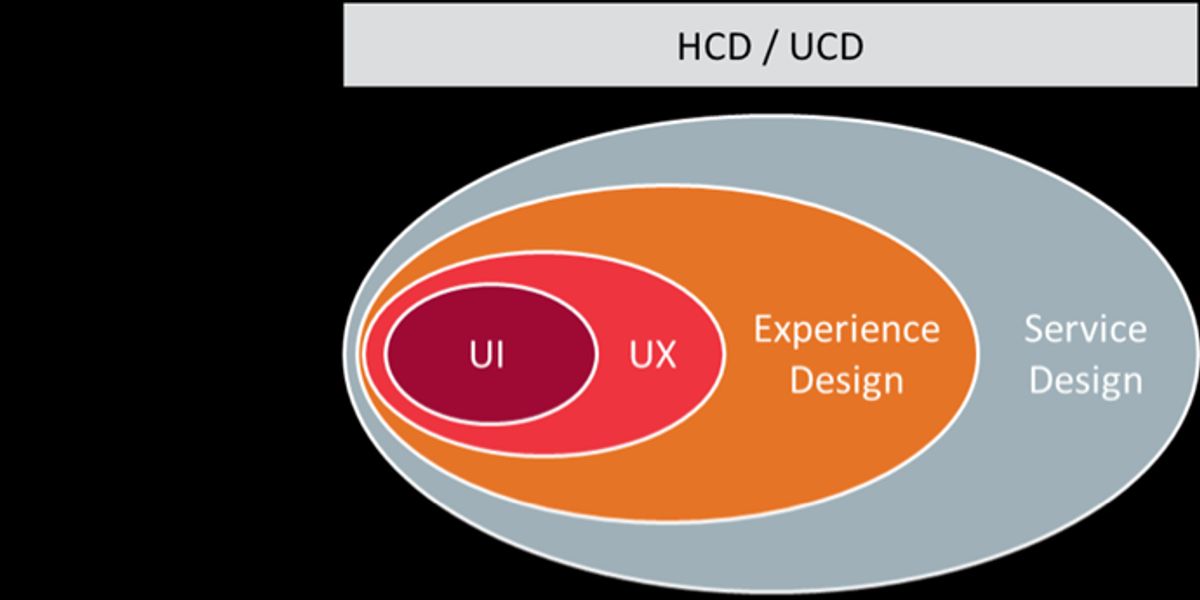
UI focuses on the visual aspects of a product, while UX encompasses a broader range of factors including usability, accessibility, performance, and emotional impact on the user.