Crafting Memorable User Experiences with Intuitive Design

In the dynamic field of User Experience (UX) design, the fusion of storytelling and intuitive design principles is crucial for crafting memorable user experiences. By integrating narrative elements and focusing on user-centric design, we can create interfaces that not only meet functional needs but also resonate emotionally with users. This article delves into the strategies and practices that make design intuitive and engaging, exploring the journey from concept to development, and the importance of team collaboration to breathe life into UX design.
Key Takeaways
- Storytelling in UX design enhances user engagement by creating emotionally resonant experiences and guiding users through intuitive user journeys.
- Optimized user interfaces with responsive and adaptive design principles lead to improved usability and conversion rates.
- A balance between personalization and privacy is essential in UX design, requiring careful consideration of data security and user consent.
- The transition from design to development should be seamless, with an emphasis on collaborative strategies, quality assurance, and user feedback.
- Building a successful UX design team involves fostering a culture of creativity, continuous learning, and empowerment for innovative design solutions.
The Intersection of Storytelling and UX Design
Harnessing Narrative Power to Enhance User Engagement
In the realm of UX design, the narrative is a powerful tool that can transform a user’s interaction with a product into an engaging story. By integrating narrative elements, designers can create a more compelling and memorable user experience that resonates on an emotional level.
- Understanding the user’s journey is akin to character development in a story.
- Relatable narratives can simplify complex tasks, making them more intuitive.
- Emotional connections are forged through stories that reflect the user’s own experiences.
Crafting a narrative that is both authentic and relatable can significantly enhance user engagement. It’s not just about the functionality; it’s about creating an experience that users will remember and value.
AM2 Studio, for example, excels in strategic web development, prioritizing client needs and showcasing excellence through case studies. Their approach to UX design is to weave a story that guides users effortlessly, ensuring optimal website performance and offering maintenance services for a seamless experience.
The Role of Storyboarding in Crafting User Journeys
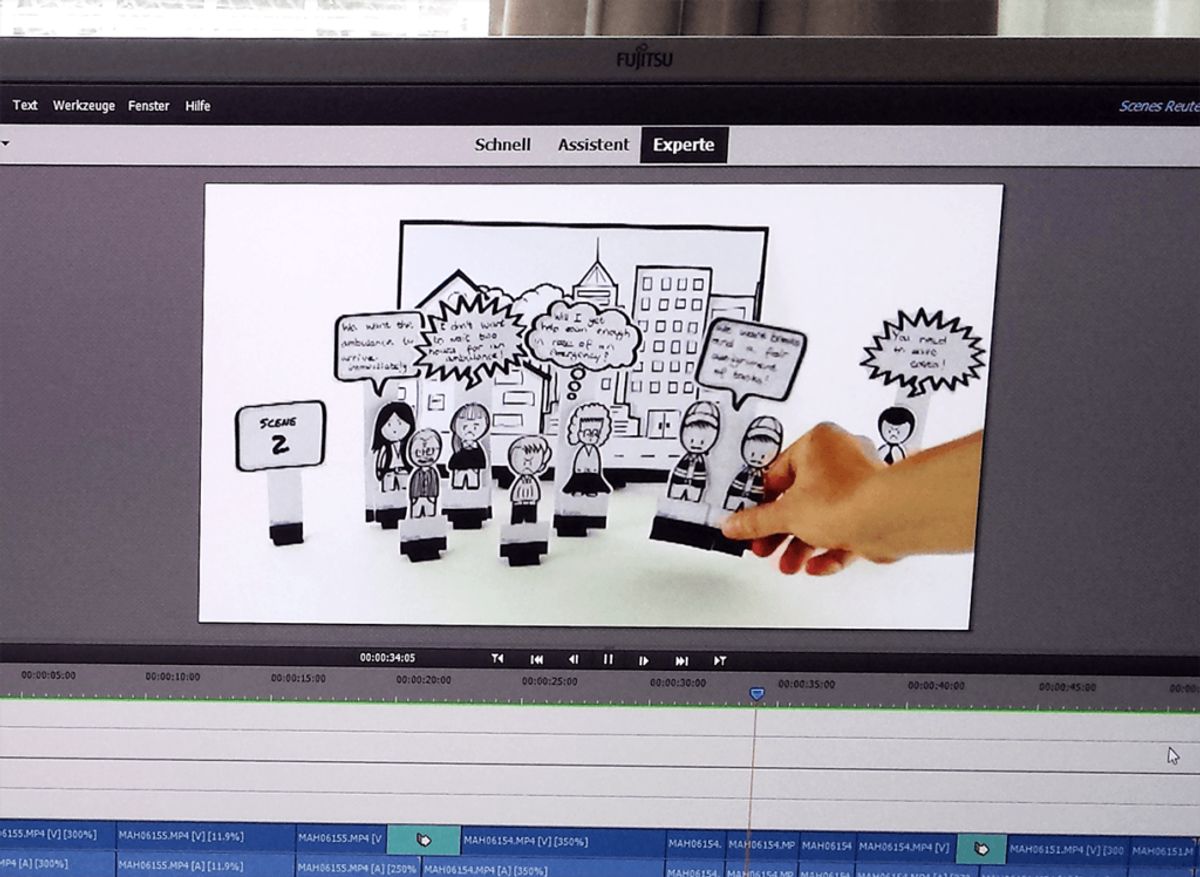
Storyboarding is a pivotal step in the design process, serving as a visual narrative that maps out every touchpoint of the user’s journey. It’s a tool that transforms abstract ideas into tangible experiences, allowing designers to foresee and refine the user’s interaction with the product.
- Empathy is Key: Start with a deep understanding of your audience’s needs and emotions.
- Visual Mapping: Use storyboards to outline the user journey and identify opportunities for storytelling.
- Simplify Complex Interactions: Narratives can guide users through intricate tasks, making them feel intuitive.
By integrating storytelling into UX design, we create a cohesive and engaging path that not only tells a story but also simplifies the user’s journey, making complex interactions feel straightforward and manageable.
Design elements should serve a purpose, integrating harmoniously with user-centric functionalities. Storytelling enhances user experience, guiding them through a compelling narrative for optimal engagement. The Starbucks app exemplifies this approach, where each interaction feels like a personalized journey, crafted just for the user.
Emotional Resonance: The Heart of Intuitive Design
Intuitive design transcends the mere functionality of a product, tapping into the emotional landscape of the user. When a design resonates emotionally, it can create a powerful connection that elevates the user experience to something memorable and impactful. This is where the concept of Emotional Design comes into play, focusing on the creation of products that elicit positive emotions such as joy, surprise, or delight.
Emotional design aims to create a connection, making every interaction with the product not just a task, but a meaningful experience.
To achieve this, designers must consider several factors:
- The aesthetics of the product, which can influence mood and perception.
- The functionality, ensuring that users feel competent and in control.
- The story behind the product, which can forge a deeper connection and understanding.
By carefully crafting these elements, designers can evoke emotions that lead to memorable user experiences. It’s not just about the product itself, but the feelings it inspires and the stories it tells.
Optimizing User Interfaces for Enhanced Usability
Analyzing and Improving Conversion Paths
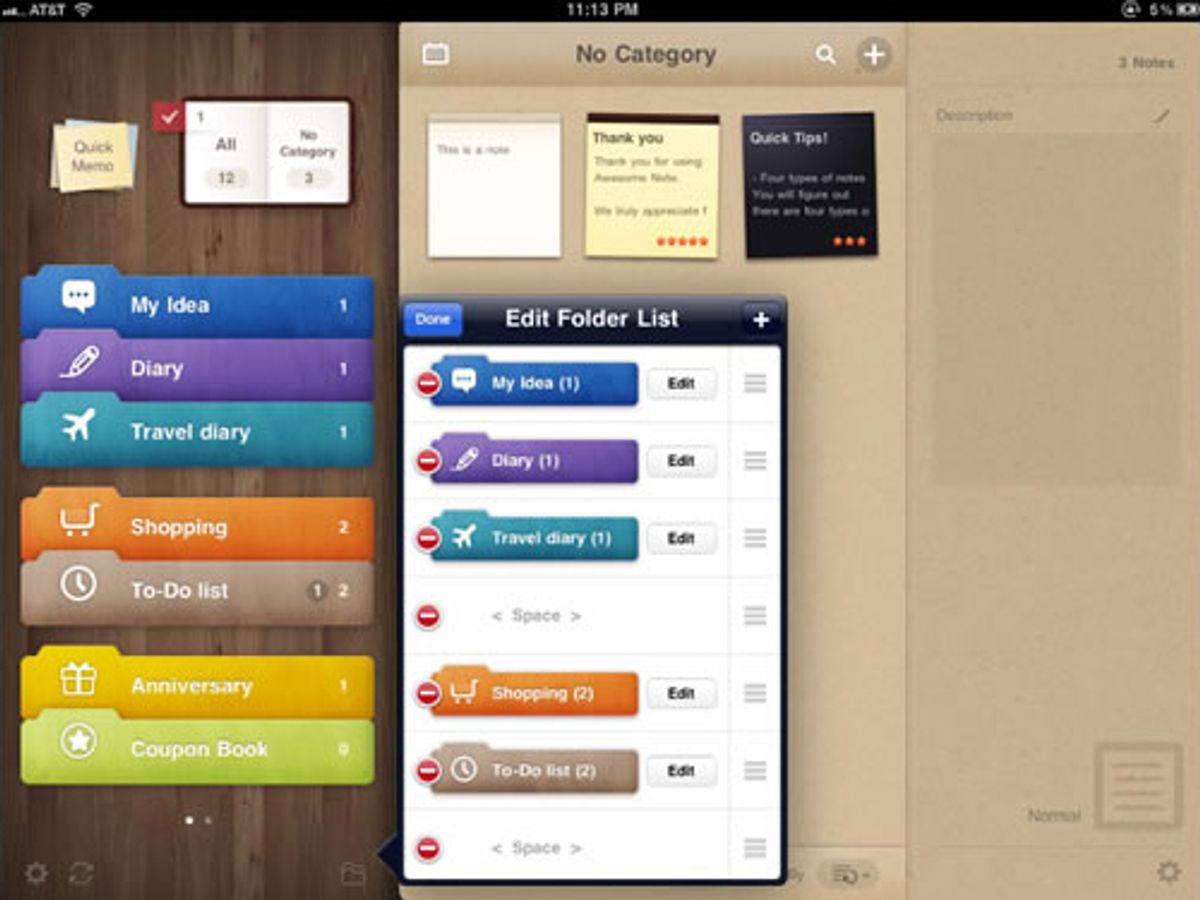
To optimize conversion rates, a meticulous analysis of user interfaces is essential. This involves dissecting each step of the user’s journey to pinpoint areas where users may drop off and to enhance the overall user experience.
- Map the User Journey: Identify key touchpoints and ensure that value propositions are clearly communicated.
- A/B Testing: Employ data-driven techniques to determine the most effective narratives and design elements.
- Personalize the Experience: Tailor the onboarding process to individual user preferences, which can lead to higher retention rates.
- Iterate Based on Feedback: Continuously refine the user experience by incorporating user feedback into the design process.
By focusing on these areas, we can create a more intuitive and engaging pathway that not only retains users but also converts them into loyal customers.
Tracking and measuring tools are implemented to monitor conversions and user interactions. This data is invaluable for suggesting further improvements, ensuring that every visit to your website maximizes user engagement and brand loyalty.
The Importance of Responsive and Adaptive Design
In the realm of web design, responsive and adaptive design are crucial for ensuring that users have a seamless experience, regardless of the device they use. Responsive design adapts fluidly to any screen size, providing a consistent experience on mobiles, tablets, and desktops. On the other hand, adaptive design employs predefined layouts that cater to common screen resolutions, ensuring that the design is optimized for a range of devices.
The choice between responsive and adaptive design should be informed by the specific needs and behaviors of the website’s audience. It’s not just about aesthetics; it’s about creating an environment where users can achieve their goals with efficiency and pleasure.
Understanding the differences and applications of these design approaches is essential for developers and designers alike. Here’s a quick comparison to highlight their distinct features:
- Responsive Design: Offers fluid grids and flexible images that resize to fit the screen.
- Adaptive Design: Utilizes static layouts based on breakpoints which don’t respond once they’re initially loaded.
Ultimately, the goal is to provide an optimal user experience that encourages engagement and conversion. By analyzing user data and testing different designs, we can determine the most effective approach for each unique website.
Simplifying User Interactions for Better Outcomes
In the pursuit of creating a user-friendly interface, simplicity is the cornerstone of intuitive design. By stripping away the unnecessary and focusing on the essential, designers can craft experiences that are not only aesthetically pleasing but also highly functional. Simplification means reducing the cognitive load on users, making it easier for them to understand and navigate the digital environment.
The goal is to create a seamless flow that guides users effortlessly from one task to the next, without confusion or frustration.
To achieve this, consider the following points:
- Craft intuitive interfaces by using clear labels, hierarchy, whitespace, and microinteractions.
- Prioritize usability and accessibility to ensure that the design is inclusive for all users.
- Implement feedback loops to encourage user engagement and provide insights for continuous improvement.
By observing and analyzing user behavior, designers can refine their interfaces to better align with user expectations and preferences. This iterative process is vital for optimizing the user experience and ultimately leads to better outcomes, such as increased user satisfaction and higher conversion rates.
Privacy and Personalization in User Experience
Balancing User Preferences with Data Security
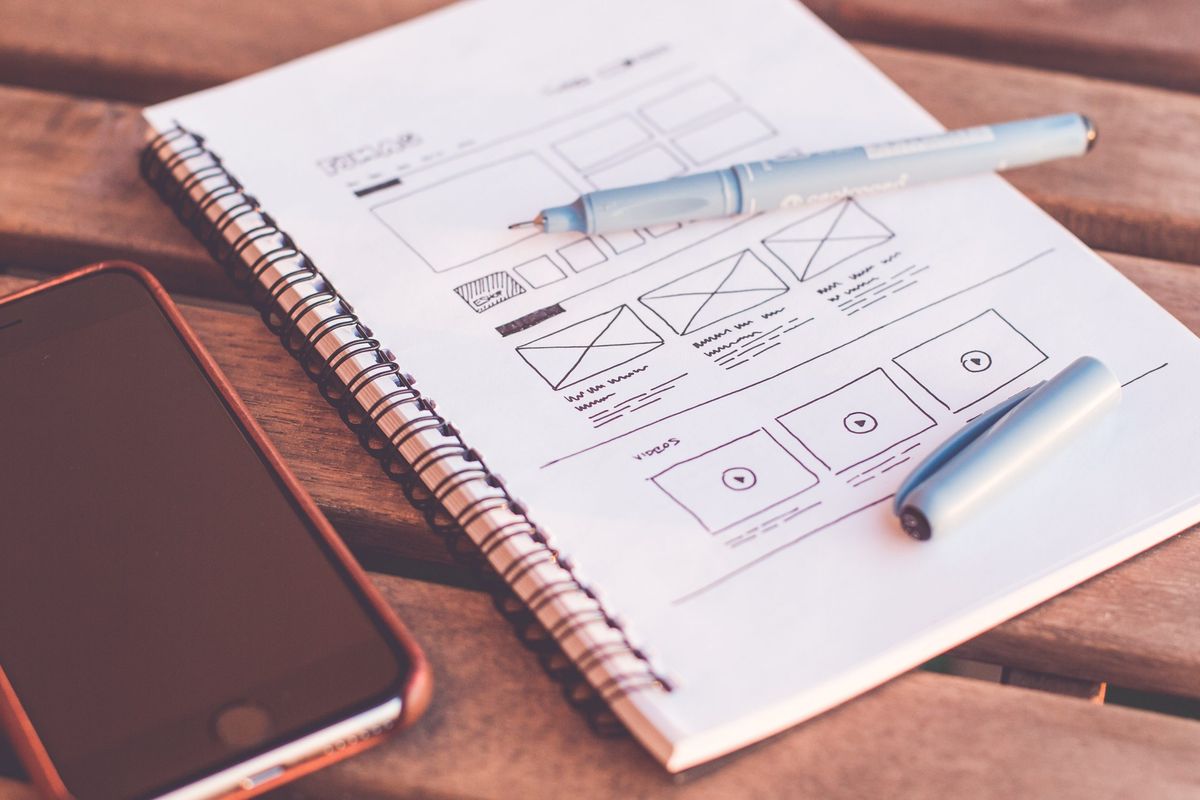
In the realm of user experience, the equilibrium between user preferences and data security is pivotal. Users crave personalized experiences, yet they also demand assurance that their personal information remains secure. To achieve this balance, designers must adopt a strategy that emphasizes transparency, control, and minimal data collection.
Design with intention, provide quick feedback, practice minimalism, ensure consistency, and test based on feedback. These principles guide the creation of user experiences that respect privacy while delivering customization.
The following list outlines key considerations for balancing these aspects:
- Transparency about how user data is used and stored
- Giving users control over their data with clear options
- Collecting only the data that is necessary for enhancing the user experience
- Regularly updating privacy policies to reflect current practices
- Implementing robust security measures to protect user data
By adhering to these principles, designers can foster trust and build a user experience that is both intuitive and secure.
Customizing Experiences While Respecting Privacy
In the realm of UX design, personalization is a cornerstone for creating meaningful user experiences. However, this must be balanced with a user’s right to privacy. Crafting an experience that feels both personal and secure can be achieved through thoughtful design and ethical data practices.
- Clear error messaging ensures users understand privacy settings and any issues that may arise.
- Personalization techniques should foster a connection with the user, without overstepping privacy boundaries.
- A balance between functionality and visual appeal can make privacy settings more intuitive.
By implementing strategies that align with user interests and needs, we enhance the user experience while maintaining trust.
Understanding the user’s preferences and tailoring the onboarding process accordingly can lead to higher engagement and retention rates. Continuous iteration based on user feedback is essential for refining the privacy-personalization equilibrium.
The Impact of Cookie Consent on UX Design
The introduction of GDPR and similar privacy regulations has made cookie consent not just a legal requirement but a critical aspect of user experience. Websites must now balance the need for data collection with user privacy concerns. This balance is pivotal in maintaining trust and transparency with users, ensuring they feel in control of their personal information.
The cookie consent mechanism should be as intuitive as the rest of the website, providing clear options without overwhelming the user.
A well-designed cookie consent interface can contribute to a positive user experience by being informative yet unobtrusive. Here’s a brief overview of the types of cookies and user consent:
- Necessary cookies: Essential for website functionality and do not require consent.
- Performance cookies: Collect data on how users interact with a website, requiring consent.
- Functional cookies: Enable personalized features, also requiring consent.
- Analytics cookies: Used to understand website usage, subject to user consent.
Each category plays a distinct role in the website’s operation, and users’ preferences must be respected. The challenge lies in designing a consent form that is both compliant and user-friendly, contributing to an overall engaging and successful user experience.
The Journey from Design to Development

Collaborative Strategies for Seamless Project Execution
The iterative design process is a cornerstone of modern web development, where collaboration is not just beneficial but essential. Designers and developers must work in tandem, with clearly defined roles, open lines of communication, and a robust feedback loop to ensure that each iteration brings the project closer to its ultimate goal: a user experience that delights and satisfies.
- Define clear roles and responsibilities for each team member.
- Establish regular communication channels and meetings.
- Implement a feedback loop that includes all stakeholders.
- Use project management tools to track progress and issues.
By fostering a culture of collaboration, teams can navigate the complexities of web development with agility and precision, ensuring that the final product not only meets but exceeds user expectations.
The success of a project hinges on the ability to integrate feedback, showcase improvements, and add new features in a way that resonates with users. This is where the collaborative spirit truly shines, as it allows for a seamless transition from design to development, and ultimately, to a product that stands out in the digital landscape.
Quality Assurance and Post-Launch Monitoring
After the excitement of a product launch, the real work begins with post-launch monitoring. It’s a critical phase where the team vigilantly observes the product’s performance, hunts for any elusive bugs, and ensures that the user experience remains top-notch. This period is not just about fixing what’s broken; it’s about proactive improvement and preparing for the next iteration.
The final step before launch is crucial, but it’s the ongoing vigilance after release that truly defines the quality of a product.
Quality Assurance (QA) is an integral part of the development lifecycle, and it doesn’t end at launch. The process involves a series of best practices that are woven into every stage of development, from ideation to deployment. To illustrate, here’s a simplified checklist for post-launch QA activities:
- Monitor user feedback and analytics
- Perform regular security and performance scans
- Update and patch software as needed
- Conduct A/B testing for continuous improvement
By adhering to these steps, teams can ensure that they not only maintain but also enhance the value of their product over time.
Continuous Improvement through User Feedback
The pursuit of excellence in UX design is an ongoing journey, one that is significantly enriched by user feedback. This invaluable input serves as a compass, guiding designers and developers to refine and enhance the user experience continuously. By establishing effective feedback loops, we ensure that the product evolves in alignment with user needs and expectations, fostering loyalty and satisfaction.
The key to a successful product is not just in its launch, but in its ability to adapt and improve over time. User feedback is the cornerstone of this process, providing direct insights into user satisfaction and areas for enhancement.
To streamline this process, consider the following steps:
- Implement mechanisms for collecting feedback at various touchpoints.
- Analyze feedback for patterns and actionable insights.
- Prioritize improvements based on user impact and feasibility.
- Communicate changes to users, showing that their input has been valued and acted upon.
- Monitor the impact of changes and continue the cycle of feedback and improvement.
By delighting users with micro-interactions and simplifying navigation, we create a smoother and more intuitive user experience. These efforts not only drive product improvement but also cement user loyalty and enhance overall satisfaction.
Building a Team That Breathes Life into Design

Fostering a Culture of Creativity and Innovation
In the realm of UX design, fostering a culture of creativity and innovation is not just beneficial, it’s essential. Teams that embrace this culture are more likely to produce groundbreaking work that sets new standards in user experience. To cultivate such an environment, it’s important to encourage risk-taking and out-of-the-box thinking among team members.
- Encourage diverse perspectives: Diversity in skills and backgrounds can lead to more creative solutions.
- Provide resources for continuous learning: Access to the latest tools and trends keeps the team sharp and innovative.
- Create a safe space for failure: Learning from mistakes is a critical part of the creative process.
- Promote collaboration: Cross-disciplinary teams bring together varied expertise to solve complex problems.
By nurturing a space where creativity thrives, organizations can unlock the full potential of their design teams, leading to the creation of emotionally fulfilling experiences that resonate with users.
It’s also crucial to recognize and celebrate creative achievements. This not only boosts morale but also motivates team members to strive for excellence. AM2 Studio is an example of a company that has successfully implemented these practices, resulting in enhanced usability and user engagement through the strategic use of microinteractions.
The Importance of Continuous Learning and Mentorship
In the ever-evolving landscape of user experience design, continuous learning and mentorship are not just beneficial; they are essential. A culture of learning fosters innovation and keeps the team abreast of the latest design trends and technologies. Mentorship programs, in particular, play a pivotal role in this educational ecosystem, providing a structured way for seasoned professionals to pass on their knowledge and for newcomers to quickly get up to speed.
- Knowledge Sharing: Encourages the dissemination of skills and insights across the team.
- Mentoring Programs: Facilitate personal and professional growth within the organization.
- Cross-Functional Training: Broadens the skill set and perspective of team members, promoting versatility.
By creating opportunities for employees to apply new learnings, organizations can cultivate a dynamic and adaptable workforce capable of tackling the complex challenges of intuitive UX design.
The benefits of such an environment are manifold. Employees who feel supported in their learning journey are more likely to be engaged and motivated. This, in turn, leads to higher productivity and a more harmonious workplace. Ultimately, a team that values learning and mentorship is well-equipped to breathe life into the most intuitive and user-friendly designs.
Empowering Teams for Success in Intuitive UX Design
To achieve success in intuitive UX design, it is essential to empower teams with the right tools and mindset. Empathy is a crucial skill for UX designers, enabling them to comprehend user requirements and develop user-centric solutions. It fosters trust and rapport, which are foundational for creating intuitive designs that resonate with users.
Strategic initiatives are vital for aligning design efforts with business objectives. They foster innovation and drive collaboration, which are key to developing solutions that not only meet user needs but also enhance the overall user experience. A well-structured team that is encouraged to innovate and collaborate will be more effective in translating user stories into compelling design elements.
By incorporating narratives into the design process, UX designers can infuse personal elements into digital encounters, thereby deepening the connection between the user and the product.
A culture of continuous learning and mentorship within the team ensures that the skills necessary for intuitive design are honed and kept up-to-date. This approach not only improves the team’s capabilities but also instills a sense of camaraderie and shared purpose. Below is a list of key practices for empowering UX design teams:
- Encourage empathy and user-centric thinking
- Implement strategic initiatives to align design and business goals
- Foster a collaborative environment
- Promote continuous learning and professional growth
- Provide mentorship and support
Empowering teams in this way leads to the creation of user experiences that are not just functional, but also emotionally engaging and memorable.
In a world where design is the heartbeat of innovation, building a team that not only understands this but also embodies it is crucial. At the core of our mission, we breathe life into design, ensuring that every project we undertake is infused with creativity, functionality, and a touch of magic. Whether you’re looking for WordPress development, eCommerce solutions, or a complete website overhaul, our team is ready to elevate your digital presence. Don’t let your ideas remain just ideas—visit our website and let’s transform them into digital realities that captivate and convert. Your journey to an exceptional online experience starts with a single click. [Explore our services] and take the first step towards a partnership that will bring your vision to life.
Conclusion
In the digital age, where user attention is fleeting and competition is fierce, crafting memorable user experiences through intuitive design is not just a luxury—it’s a necessity. This article has journeyed through the importance of usability, the power of storytelling in UX, and the strategic implementation of design principles that resonate with users on an emotional level. By understanding the user’s needs, empathizing with their pain points, and creating a seamless narrative that guides them through each interaction, designers can create interfaces that are not only functional but also deeply engaging. The real-world examples and case studies discussed underscore the transformative impact of well-crafted design on user engagement and conversion rates. As we continue to innovate and refine our approach to UX design, let us remember that at the heart of every great product is a story that connects, a design that delights, and an experience that remains unforgettable.
Frequently Asked Questions
How does storytelling enhance UX design?
Storytelling in UX design enhances user engagement by creating a narrative that users can connect with emotionally. It helps in crafting intuitive user journeys and makes the user experience more memorable and relatable.
What is the role of storyboarding in UX design?
Storyboarding is a visual technique used to map out user journeys and experiences. It helps designers and developers anticipate user interactions and emotions, ensuring a cohesive and intuitive user experience.
Why is responsive and adaptive design important?
Responsive and adaptive design ensure that a website or application is accessible and user-friendly across different devices and screen sizes. This flexibility enhances usability and contributes to better user outcomes.
How do you balance personalization with privacy in UX?
Balancing personalization with privacy involves providing customized user experiences while respecting data security and privacy laws. It’s important to obtain user consent and be transparent about data usage.
What is the significance of post-launch monitoring in UX?
Post-launch monitoring is crucial for identifying and fixing any unforeseen issues that may arise after a product goes live. It ensures the product continues to meet user needs and maintains high-quality standards.
How can a team foster innovation in UX design?
Fostering innovation in UX design involves creating a culture of creativity, encouraging continuous learning, and providing mentorship. Empowering teams to experiment and take risks leads to innovative design solutions.