Crafting Memorable User Experiences with Intuitive Design

In the digital age, where countless products and services vie for attention, crafting memorable user experiences through intuitive design has become paramount. Intuitive design isn’t just about aesthetics; it’s about creating an effortless path for users to achieve their goals, fostering emotional connections, and ensuring satisfaction at every touchpoint. This article explores the multifaceted approach to Experience Design (XD) that can elevate not only e-commerce platforms but also any digital product aiming to leave a lasting impression on its users.
Key Takeaways
- Intuitive design prioritizes user needs, simplifies interactions, and engages users emotionally, leading to memorable experiences.
- Effective e-commerce experience design creates holistic shopping journeys, uses personalization to boost engagement, and optimizes for performance and conversions.
- In the digital realm, seamless multi-platform experiences, continuous improvement through feedback, and a balance between aesthetics and usability are crucial.
- Storytelling in user experience design can build brand identity, connect with users emotionally, and differentiate a product in a crowded market.
- Sustaining user engagement post-launch involves implementing effective onboarding, monitoring user behavior for insights, and embracing iterative design for long-term success.
The Pillars of Intuitive Design

Understanding User Needs
At the heart of intuitive design lies a deep understanding of user needs. This understanding begins with empathizing with users, employing methods such as interviews, observations, and surveys to gain insights into their emotions, motivations, and challenges. By placing ourselves in the users’ shoes, we ensure that our design decisions are informed by real user experiences rather than assumptions.
Once we have a grasp on the user’s perspective, we define the problem. This involves analyzing the data collected to pinpoint pain points and opportunities for design intervention. Creating user personas and journey maps can be particularly effective in visualizing the user’s experience and identifying key areas for improvement.
Intuitive design is not just about functionality; it also encompasses user psychology and emotional responses. Prioritizing user satisfaction leads to dynamic websites that connect with users on a deeper level, fostering a sense of loyalty and engagement.
To continuously meet user needs, it’s essential to review and iterate on the design. This process is not a one-time event but an ongoing effort to adapt to the evolving landscape of user expectations and technological advancements.
Simplifying User Interactions
In the realm of intuitive design, simplifying user interactions is paramount. It’s about stripping away the unnecessary, leaving a clear path for users to accomplish their goals with ease. This approach not only enhances usability but also fosters a sense of confidence and satisfaction in the user experience.
By focusing on the essential elements, designers can craft interfaces that are both aesthetically pleasing and functionally streamlined.
Consider the following principles when aiming to simplify user interactions:
- Clarity: Ensure that every interaction is self-explanatory.
- Consistency: Maintain uniformity across the platform for predictability.
- Efficiency: Reduce the number of steps required to complete a task.
- Accessibility: Make sure that the design is usable by people of all abilities.
Incorporating these principles leads to a more intuitive and enjoyable user experience. As highlighted by the art of microinteractions, focusing on usability and feedback can create delightful moments that enhance the overall journey.
Designing for Emotional Engagement
Intuitive design is not just about ease of use; it’s about creating an emotional connection with the user. Microinteractions, small yet powerful design elements, play a significant role in enhancing user satisfaction and fostering brand loyalty. These subtle design choices can make the difference between a forgettable interaction and a delightful experience.
Emotional engagement is achieved when users feel that their needs are anticipated and their feedback valued. This is where aesthetics and usability intersect to create a seamless and enjoyable user experience.
Trust and privacy are foundational to maintaining this connection. Users need to feel secure in their interactions with a product, which is why incorporating robust privacy measures and transparent analytics is essential for iterative improvements. By prioritizing these elements, designers can craft experiences that resonate on a deeper level, turning users into advocates and driving long-term success.
Elevating E-Commerce with Experience Design
Crafting Holistic Shopping Journeys
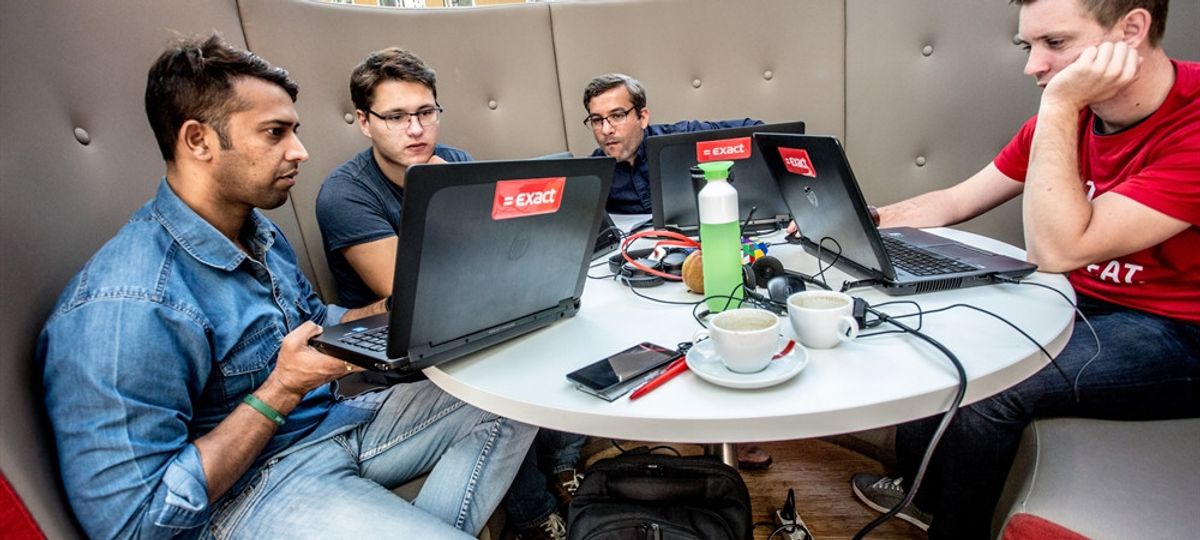
To create a holistic shopping journey, it’s essential to map out every touchpoint a customer encounters. Understanding the pre-shopping triggers and the post-purchase experience is just as crucial as the transaction itself. For instance, a customer might begin their journey on social media, influenced by an ad or a recommendation, and end with post-purchase support that ensures satisfaction and encourages repeat business.
- Pre-shopping: Browsing social media, seeing ads, or feeling a need.
- Shopping: Using the app to search, filter, read reviews, and checkout.
- Post-purchase: Receiving support, tracking orders, and providing feedback.
By considering the entire journey, we can design experiences that not only meet but exceed user expectations, fostering loyalty and driving repeat business.
AM2 Studio, with its strategic web development, ensures that every digital interaction stands out, prioritizing client needs and robust maintenance services. This approach is vital for e-commerce, where the goal is to convert single transactions into long-term customer relationships.
Leveraging Personalization for Enhanced Engagement
In the competitive landscape of e-commerce, personalization is the key to capturing customer attention and fostering loyalty. By analyzing user data, e-commerce platforms can tailor content to individual preferences, creating a more relevant and engaging shopping experience. Personalized content and clear navigation are crucial for user experience, leading to better conversion rates.
Personalization isn’t just about addressing the user by name; it’s about delivering content that resonates with their unique interests and shopping habits. Implementing dynamic elements that adjust to user interactions can significantly enhance engagement and satisfaction.
To illustrate the impact of personalization, consider the following table showing the increase in user engagement metrics after implementing personalized features:
| Metric | Before Personalization | After Personalization |
|---|---|---|
| Time on Site | 3 minutes | 5 minutes |
| Pages per Visit | 4 pages | 7 pages |
| Conversion Rate | 2% | 5% |
These figures underscore the importance of creating a shopping journey that feels bespoke to each user. By leveraging personalization, e-commerce businesses can not only improve user experience but also drive sustainable growth through increased customer loyalty and referrals.
Optimizing for Performance and Conversion
In the digital marketplace, speed is synonymous with success. A swift, responsive website not only enhances user satisfaction but also significantly boosts conversion rates. To achieve this, a multifaceted approach is essential, focusing on various performance metrics and user-centric optimizations.
Optimizing for performance and conversion is a continuous process that involves regular monitoring and tweaking of website elements to ensure peak efficiency.
For instance, Core Web Vitals have become a critical SEO factor, where loading speed, interactivity, and visual stability are key to a site’s ranking. Compressing images and streamlining assets, along with minimizing the use of heavy themes and unnecessary plugins, can lead to a more agile website experience. Here’s a quick checklist to keep your site’s performance in check:
- Ensure Core Web Vitals are within recommended thresholds
- Compress images and other media files
- Select fast-loading themes and templates
- Remove non-essential apps and plugins
By prioritizing these actions, businesses can create a seamless online environment that not only retains visitors but also encourages them to convert. Remember, design for conversion involves understanding user psychology, simplifying UI, and balancing aesthetics with usability to create engaging user experiences that lead to conversion.
Experience Design in the Digital Realm
Creating Seamless Multi-Platform Experiences
In the pursuit of crafting seamless multi-platform experiences, it’s essential to recognize that users expect consistency and fluidity across all digital touchpoints. From the layout of a website to the functionality of a mobile app, every element should be designed with the user’s journey in mind, ensuring that digital experiences complement physical ones and enhance the user’s daily routine.
By adopting a user-centric approach and implementing practical design strategies, businesses can create experiences that delight users and drive engagement.
Effective multi-platform design requires a deep understanding of the user’s needs, desires, and emotions. This comprehensive approach guarantees that every interaction, from initial discovery to ongoing use, is intuitive and satisfying. Here are some key considerations for achieving this:
- Consistency in visual design and branding across platforms
- Synchronization of user data and preferences
- Streamlined navigation and user flows
- Responsive design that adapts to various screen sizes and devices
By focusing on these aspects, designers and developers can ensure a cohesive experience that reflects the user’s lifestyle and resonates on an emotional level.
Incorporating Feedback Loops for Continuous Improvement
In the dynamic landscape of digital experience design, feedback loops are essential for ensuring that products evolve in alignment with user expectations and needs. These loops enable designers and developers to gather insights from user interactions, which can then inform iterative improvements to the design. For instance, AM2 Studio integrates feedback loops into their web development process, prioritizing client goals and user experience alongside cutting-edge technology.
The process of continuous improvement through feedback loops is cyclical, involving the collection of user feedback, analysis of performance metrics, and the subsequent refinement of the design.
By implementing a structured approach to feedback, businesses can maintain a pulse on user satisfaction and system performance. The steps typically include:
- Collect: Gather user feedback and system data.
- Analyze: Evaluate the information to identify patterns and areas for enhancement.
- Refine: Make targeted adjustments based on the analysis.
- Implement: Roll out the changes and monitor their impact.
- Repeat: Continue the cycle to foster ongoing enhancement.
This iterative process is not just about fixing what’s broken; it’s about enhancing what works and exploring new possibilities to deliver exceptional user experiences.
Balancing Aesthetics with Usability
In the realm of Experience Design (XD), the harmony between aesthetics and usability forms the cornerstone of user satisfaction. A visually stunning interface may captivate users initially, but it is the intuitive navigation and ease of use that retain them. Conversely, a focus solely on usability can lead to utilitarian designs that fail to evoke any emotional connection.
The real challenge lies in finding the equilibrium between aesthetics and usability. While a visually appealing design can attract users, it is the usability that determines their long-term engagement.
To achieve this balance, designers must consider several factors:
- User expectations: Modern users anticipate a design that is not only functional but also pleasing to the eye.
- Brand identity: The design should communicate the brand’s values and ethos visually and interactively.
- Cognitive load: Minimizing the cognitive load by avoiding unnecessary complexity ensures a smoother user experience.
- Responsive design: Ensuring the design is adaptable across various devices and platforms enhances accessibility.
Ultimately, the goal is to create a user experience that feels like a natural extension of the user’s lifestyle, enriching their daily routine with designs that are both beautiful and functional.
The Role of Storytelling in User Experience
Narrative Techniques in Design
In the realm of Experience Design (XD), narrative techniques play a pivotal role in connecting users to the digital products and services they interact with. By weaving a story into the user journey, designers can create a more immersive and emotionally resonant experience. This approach goes beyond mere aesthetics; it’s about embedding a narrative that aligns with the user’s own story, making the experience both personal and memorable.
Crafting a user experience is akin to telling a story. It’s about guiding users through a series of well-thought-out interactions, where each step is a chapter that builds upon the last, culminating in a satisfying conclusion.
To effectively employ narrative techniques, one must consider the various touchpoints where a user’s story can unfold. A bulleted list can help outline these critical stages:
- Initial engagement: The ‘hook’ that captures interest
- Ongoing interaction: The ‘plot’ that keeps users invested
- Climactic moments: The ‘climax’ where key actions occur
- Resolution: The ‘denouement’ where user goals are met
By meticulously designing each of these stages, we ensure that the user’s journey is not just a series of tasks but a cohesive story that resonates on a deeper level. It is this narrative-driven approach that can transform a mundane interaction into an engaging experience that users will want to revisit and share.
Building Brand Identity through User Stories
User stories serve as a powerful tool for building brand identity, encapsulating the essence of what a brand stands for. By crafting narratives that resonate with the audience, businesses can create user-centric environments that foster a deep connection with their customers. These stories often reflect the values and aspirations of both the brand and its users, creating a shared experience that enhances user engagement and satisfaction.
User stories are not just about the functionality of a product or service; they are about the human experiences that are created around them.
Incorporating user stories into the design process ensures that the end product is not only functional but also emotionally engaging. This approach helps in simplifying complexity and making the brand more relatable. A well-told story can be memorable, encouraging brand loyalty and advocacy. Below is a list of benefits that storytelling in UX design brings to brand identity:
- Simplifies complex ideas
- Makes the brand relatable to users
- Fosters memorability and loyalty
- Encourages emotional engagement
Ultimately, storytelling is a strategic asset in the digital landscape, one that can transform a user’s interaction with a brand into a lasting relationship.
Connecting with Audiences on an Emotional Level
The power of storytelling in design is its ability to evoke emotions that resonate with the audience, creating a bond that goes beyond the functional use of a product. By weaving a narrative into the user experience, we transform the impersonal into the intimate, making technology feel less like a tool and more like a thoughtful companion. This emotional resonance not only fosters customer loyalty but also differentiates us in a competitive market, leading to long-term relationships and sustainable growth.
Embracing Experience Design means committing to a deep understanding of your users, leading to stronger connections and, ultimately, success in today’s competitive landscape.
To achieve this, designers must focus on empathy, aiming to understand and anticipate the needs, emotions, and desires of users. Each touchpoint should feel as though it was designed just for them, ensuring that every interaction contributes to a holistic and memorable journey. Below is a list of steps that can help in crafting such experiences:
- Empathize with the user’s world through interviews, observations, and surveys.
- Define the problem clearly by analyzing collected data.
- Develop a strategy that aligns with the emotional narrative of the target audience.
- Design with the user’s emotional journey in mind.
- Test and refine the experience to enhance emotional engagement.
Strategies for Sustaining User Engagement Post-Launch
Implementing Effective Onboarding Processes
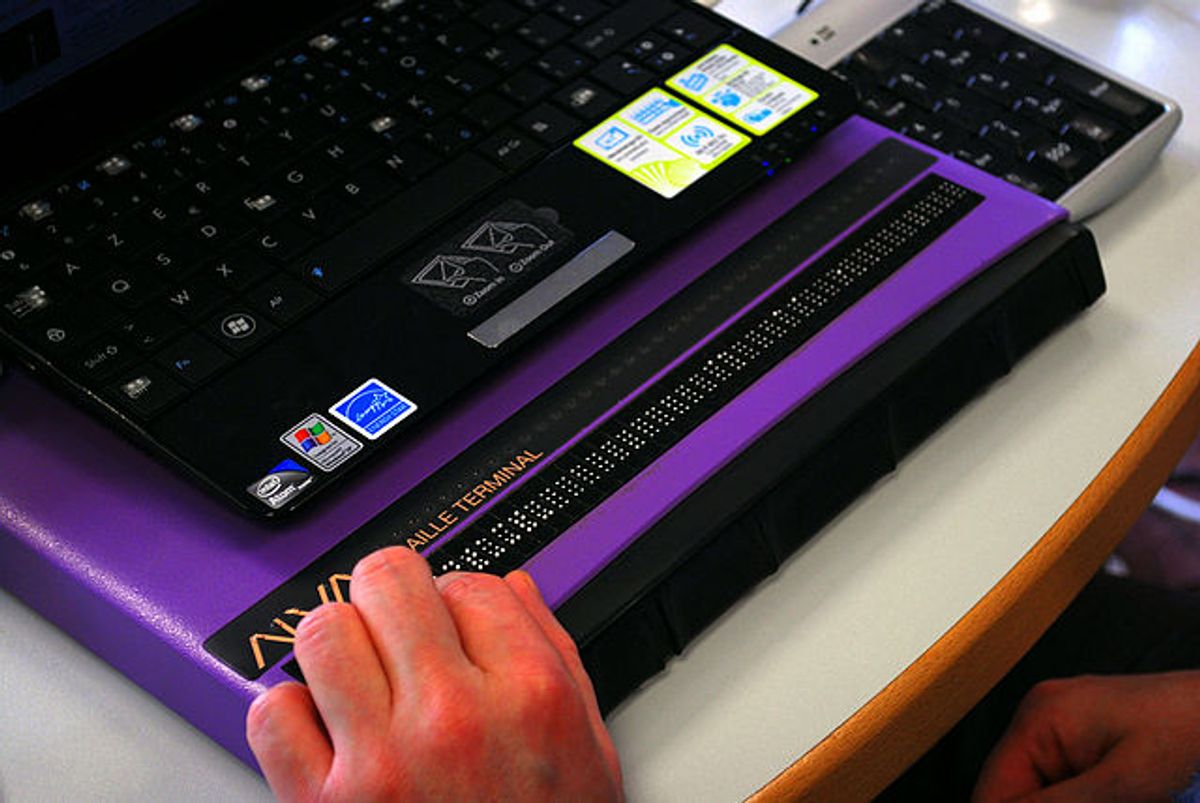
The onboarding process is a critical phase in the user journey, setting the stage for how users perceive and interact with your product. A well-structured onboarding process can significantly enhance user retention, by providing clear guidance and demonstrating the value of the product from the outset.
To achieve this, consider the following steps:
- Identify key features that users should understand to get the most out of your product.
- Simplify the learning curve by breaking down complex tasks into manageable actions.
- Personalize the experience to make users feel recognized and valued.
- Set expectations for what users will achieve during and after onboarding.
By focusing on these aspects, you can create an onboarding experience that not only educates but also engages and excites new users.
Remember, the goal is to convert newcomers into proficient users who feel confident navigating your platform. Continuous user feedback and simplified navigation are key for creating an excellent user experience. Benefits include trust, loyalty, and innovation opportunities in web design.
Monitoring User Behavior for Insights
To sustain user engagement and ensure the longevity of a digital product, monitoring user behavior post-launch is crucial. By implementing analytics tools, we can track key performance indicators and user interactions, which provide a wealth of data for analysis. This data helps in understanding user behavior patterns, which are essential for identifying user motivations and preferences, leading to a more user-centric product.
The continuous assessment of user behavior ensures that the solution remains effective and relevant over time. Analytics and performance metrics guide further refinements, making the design process a never-ending cycle of improvement.
For instance, consider the following user behavior metrics that are commonly monitored:
- Session duration
- Page views
- Conversion rates
- Bounce rates
- User flow within the application
These metrics not only reveal how users are interacting with the product but also highlight areas that may require optimization. By learning from these insights and suggesting further improvements, we maximize the benefits of every visit to the website, ensuring a seamless and enjoyable user experience.
Iterative Design for Long-Term Success
The iterative design process is fundamental to sustaining user engagement and ensuring the long-term success of a product. By continuously refining and improving the product based on user feedback and performance metrics, designers can create experiences that resonate deeply with the target audience. This approach not only enhances user satisfaction but also fosters brand reliability.
Iterative design is a cycle of continuous improvement, where each iteration is informed by the insights gained from the previous one.
The steps involved in this process are crucial:
- Implement: The refined prototype, after multiple iterations, is launched with a focus on meeting users’ needs effectively.
- Evaluate: Post-launch, the design is not static; ongoing evaluation is essential to ensure the solution remains effective and relevant.
Ultimately, iterative design is about creating a product that evolves with its users, leading to increased customer loyalty and a robust market presence.
Keeping your audience engaged after your website launch is crucial for long-term success. Our expert team at AM2 specializes in WordPress Development, eCommerce solutions, and custom web design to ensure your site remains fresh, fast, and functional. Don’t let your digital presence fade into the background. Visit our website to explore our services and discover how we can help you maintain a vibrant and engaging online platform. Let’s work together to keep your audience captivated!
Conclusion
In the realm of digital innovation, crafting memorable user experiences through intuitive design is not just a goal—it’s a necessity. As we’ve explored in this article, the essence of intuitive design lies in its ability to connect with users on a personal level, making interactions not only seamless but also enjoyable. From usability enhancements to privacy considerations, and from custom WordPress projects to the intricacies of Experience Design (XD), we’ve seen how a user-centric approach is pivotal for success. It’s clear that investing in intuitive design is investing in the future of a product and the satisfaction of its users. By embracing the principles of intuitive design, businesses can forge deeper connections with their audience, drive engagement, and secure a competitive edge in the ever-evolving digital landscape.
Frequently Asked Questions
What is intuitive design in user experience?
Intuitive design refers to creating user interfaces that are easy to understand and use without the need for extensive instructions or training. It relies on leveraging common user behaviors and expectations to create a seamless experience that feels natural to the user.
How does understanding user needs improve design?
Understanding user needs allows designers to create solutions that are tailored to the target audience, addressing their specific challenges and preferences. This leads to a more effective and satisfying user experience, as the design is based on real user requirements and expectations.
Why is emotional engagement important in design?
Emotional engagement is important because it creates a deeper connection between the user and the product or service. By designing for emotional impact, you can evoke positive feelings, foster brand loyalty, and make experiences more memorable and satisfying for users.
What role does storytelling play in user experience?
Storytelling in user experience helps to build a narrative around a product or service, making it more relatable and engaging. It can help convey the brand’s values and mission, create a sense of identity, and establish an emotional connection with the audience.
How can personalization enhance e-commerce engagement?
Personalization in e-commerce tailors the shopping experience to individual user preferences and behaviors, making recommendations and content more relevant. This can increase engagement, improve customer satisfaction, and boost conversion rates by making users feel valued and understood.
What is the importance of post-launch monitoring in design?
Post-launch monitoring is crucial for identifying issues, gathering user feedback, and understanding how a product is used in real-world scenarios. This information is vital for making iterative improvements, ensuring the design continues to meet user needs and business goals over time.