Crafting Memorable User Experiences with Intuitive Design

In the dynamic field of web design, crafting memorable user experiences is paramount. Intuitive design is not just about aesthetics; it’s about creating seamless interactions that feel natural to the user. This article delves into the core principles of intuitive design, explores strategies to enhance usability and engagement, and examines the critical balance between user privacy and trust. Through case studies and a look into the future of UX design, we aim to provide valuable insights into creating digital environments that resonate with users and stand the test of time.
Key Takeaways
- Intuitive design is user-centric, focusing on ease of use and understanding user needs to deliver a seamless experience.
- Simplicity, clarity, and consistency across platforms are essential for intuitive navigation and user satisfaction.
- Engagement is enhanced through continuous usability improvements, leveraging analytics, and optimizing conversion rates.
- Design must respect user privacy with transparent policies and a commitment to ethical design practices that build trust.
- Future UX design will embrace emerging technologies and personalization while considering global audiences and sustainability.
The Pillars of Intuitive Design
Understanding User Needs
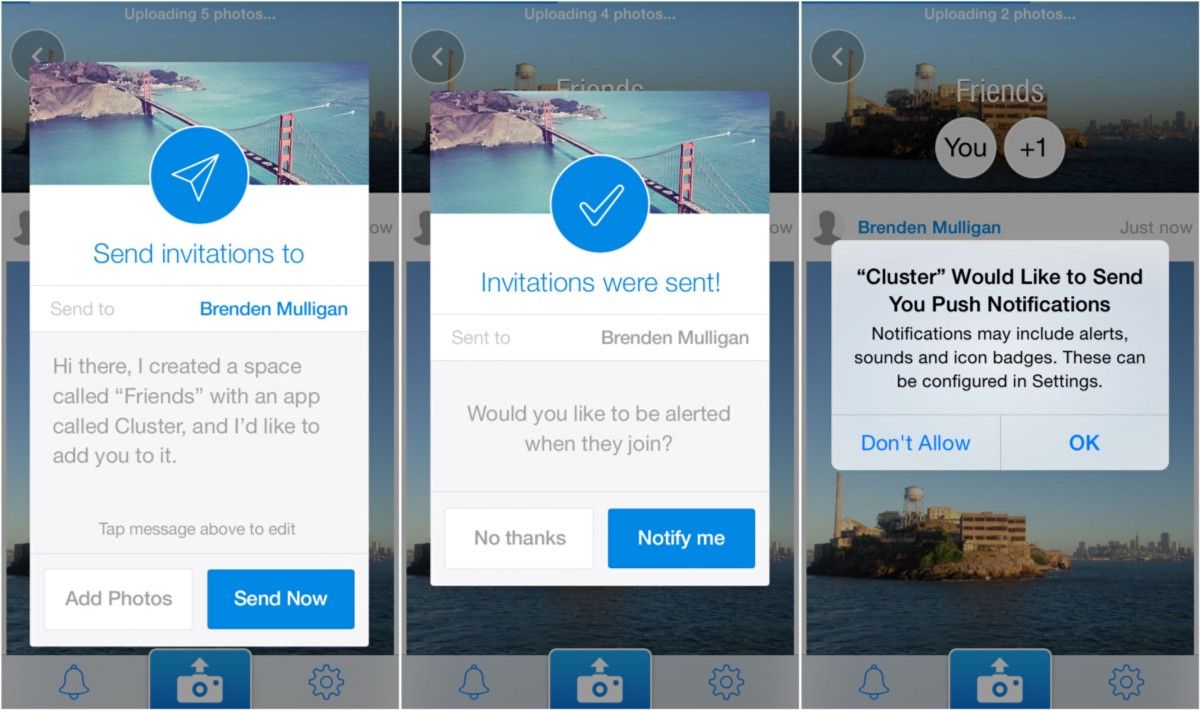
At the heart of intuitive design lies a deep understanding of user needs. This involves recognizing the goals, motivations, and behaviors of the target audience. By empathizing with users, designers can create solutions that feel natural and require minimal effort to use.
- Identify user goals and pain points
- Conduct user research and testing
- Analyze user feedback and behavior
- Iterate designs based on insights
Intuitive design emphasizes user psychology, simplified navigation, and emotional responses to create engaging experiences.
Understanding user psychology at different levels is key for creating satisfying user experiences. This iterative process ensures that the design not only looks appealing but also functions seamlessly, fostering a sense of familiarity and comfort for the user.
Simplicity and Clarity
In the realm of user experience, simplicity and clarity are paramount. Users should be able to navigate and interact with a product effortlessly, without confusion or the need for extensive instructions. This approach not only enhances the user’s satisfaction but also contributes to the overall effectiveness of the design.
To achieve this, designers must focus on the core functionality and eliminate any superfluous elements that do not serve a clear purpose. The following list outlines key considerations for maintaining simplicity and clarity in design:
- Prioritize content and features based on user needs
- Use clear and concise language
- Implement intuitive navigation structures
- Employ consistent visual elements
- Provide clear calls to action
By adhering to these principles, designers can create interfaces that are both aesthetically pleasing and functionally streamlined, ensuring that users can focus on their tasks without unnecessary distractions.
It’s essential to remember that every design decision should aim to reduce cognitive load, making the user’s journey as smooth as possible. AM2 Studio’s approach to web development, which emphasizes strategic planning and creative design, is a testament to the power of simplicity and clarity in crafting unique digital experiences.
Consistency Across Platforms
Achieving cross-platform consistency is crucial for a seamless user experience. Users expect to interact with products and services with the same ease and familiarity, regardless of the device or platform they are using. This consistency extends to visual elements, functionality, and overall behavior of the application.
A unified design language and adherence to platform-specific guidelines ensure that users can navigate and use applications intuitively.
To illustrate the importance of consistency, consider the following points:
- Visual Consistency: Branding elements like logos, color schemes, and typography should be uniform across platforms.
- Functional Consistency: Features and capabilities should be comparable, if not identical, across different devices.
- Behavioral Consistency: User interactions such as gestures, clicks, and navigation should feel familiar on all platforms.
By maintaining consistency, designers can minimize the learning curve for users, which in turn can enhance user satisfaction and loyalty.
Accessibility for All Users
Ensuring accessibility for all users is a cornerstone of intuitive design. It’s about creating experiences that are usable by people with a wide range of abilities and disabilities. This includes designing for various assistive technologies and adhering to standards such as the Web Content Accessibility Guidelines (WCAG).
Intuitive design focuses on understanding user psychology and simplifying the user interface to create engaging, efficient experiences that prioritize user needs and minimize cognitive load.
To achieve this, a multi-faceted approach is necessary. Here are some key considerations:
- Visual Design: Use of color contrast, font size, and clear imagery to aid users with visual impairments.
- Navigation: Ensuring that all users can navigate the site effectively, including those using screen readers or keyboard-only controls.
- Content Structure: Organizing content in a logical manner with proper heading levels and descriptive link text.
- Interactive Elements: Making sure buttons and forms are accessible and provide feedback to the user.
By integrating these elements into the design process, we can create a more inclusive digital environment that welcomes a diverse audience.
Enhancing Usability for Better Engagement

User Interface Analysis and Improvement
In the quest to enhance user engagement, analyzing and improving the user interface is a critical step. This process begins with a thorough examination of the current design, identifying areas where users may experience friction or confusion. By pinpointing these issues, we can prioritize changes that have the most significant impact on usability and overall user satisfaction.
A user interface that is intuitive and responsive not only retains users but also encourages deeper interaction with the platform.
Following the identification of user interface issues, it’s essential to test the proposed changes. This iterative process ensures that each modification contributes positively to the user experience. Finally, measuring the effects of these optimizations is crucial for understanding their impact on engagement and conversion rates. Below is a simplified approach to UX optimization:
- Identify UX issues
- Prioritize UX changes
- Test UX changes
- Measure UX optimization efforts
By systematically addressing user interface concerns, we lay the groundwork for a more engaging and satisfying user experience.
Conversion Rate Optimization
In the realm of intuitive design, conversion rate optimization (CRO) stands as a pivotal strategy for enhancing user engagement and business success. By analyzing user interaction and performance data, designers can pinpoint areas for improvement, ensuring that every visit to a website is maximized for potential conversions.
A cohesive team approach, integrating design and development with performance optimization, is essential for crafting a user experience that not only impresses but also converts.
The process often involves a cycle of tracking, measuring, and refining the user interface. This iterative design approach allows for continuous learning and adaptation, which is crucial in the ever-evolving digital landscape. Below is a list of key steps typically involved in CRO:
- Implementing tools for tracking conversions and user interactions
- Analyzing the data to identify trends and opportunities
- Suggesting and making iterative improvements
- Monitoring post-launch performance for further optimization
Privacy-respecting personalization and emotional design are also integral to CRO, as they contribute to a more tailored and engaging user experience. Ultimately, the goal is to create an intuitive and seamless journey for the user, leading to increased satisfaction and business performance.
Feedback Loops and Iterative Design
In the realm of user experience design, feedback loops and iterative design are crucial for refining products and services. Rather than being a linear sequence of steps, design is an ongoing loop where each iteration brings about improvements based on feedback, testing, and user interaction. This cyclical process ensures that the end result not only meets but exceeds user expectations.
The key to successful iterative design is not just in gathering feedback, but in effectively analyzing and implementing it to drive meaningful changes.
By continuously monitoring user behavior and preferences, designers can make informed decisions about which features to enhance or modify. The table below illustrates the iterative cycle:
| Phase | Description |
|---|---|
| Gather Data | Collect user feedback and usage statistics |
| Analyze | Identify patterns and areas for improvement |
| Implement | Make design changes based on analysis |
| Test & Measure | Evaluate the impact of changes |
This approach not only improves usability but also fosters a sense of trust and loyalty among users, as they feel their input is valued and acted upon.
The Role of Analytics in Usability
In the realm of user experience design, analytics serve as a compass, guiding designers and developers towards a more intuitive and user-friendly interface. By meticulously tracking user interactions, analytics reveal patterns and pain points that might otherwise go unnoticed.
Analytics are not just about numbers; they are about understanding the story behind user behavior. This narrative is essential for making informed decisions that enhance usability.
For instance, a common set of metrics to consider includes:
- Bounce rates: Indicating areas where users may be losing interest or encountering issues.
- Conversion rates: Highlighting the effectiveness of design in prompting user action.
- User flow data: Mapping the journey to discover where users commonly drop off or get confused.
- Heatmaps: Showing where users click most often, which can inform layout and design changes.
By leveraging these insights, teams can iterate on design elements to create a more engaging and seamless user experience. The ultimate goal is to use analytics to reduce friction and enable users to accomplish their goals with ease, thereby increasing overall satisfaction and loyalty.
Privacy and User Trust in Design

Balancing Functionality with Privacy
In the realm of user experience design, balancing functionality with privacy is a delicate act. Designers must navigate the complexities of providing users with powerful features while safeguarding their privacy. This involves creating security features that are both robust and user-friendly.
The challenge lies in designing systems that are transparent about data usage without overwhelming the user with technical jargon.
A user’s journey through a website or application should be intuitive, with privacy settings that are easy to find and adjust. Below is a list of considerations for achieving this balance:
- Clear and concise privacy policies
- User control over data sharing preferences
- Simple opt-out mechanisms for tracking cookies
- Regular updates to security measures
By adhering to these principles, designers can create trust and safety in UX design, ensuring that users feel confident in the handling of their personal information.
Transparent Cookie Policies
In the realm of user experience, transparent cookie policies play a crucial role in fostering trust and compliance. Users should be clearly informed about the types of cookies used, their purpose, and the duration they will remain active. A straightforward approach to obtaining user consent is not just a legal requirement but also a cornerstone of ethical design.
Transparency in cookie policies is not just about legal compliance; it’s about respecting user autonomy and choice.
To achieve this, a website’s cookie policy should be easily accessible, with options for users to manage their preferences. Here’s a breakdown of typical cookie categories and consent requirements:
- Necessary Cookies: Always enabled for website functionality.
- Analytics Cookies: Require user consent to collect data on website usage.
- Functional Cookies: Optional cookies that enhance user experience.
- Performance Cookies: Gather data to improve website performance.
By ensuring that users are informed and can exercise control over their data, websites can balance user preferences with design needs, ultimately leading to a more engaging and trustworthy user experience.
Designing for Data Protection
In the digital age, data protection is a cornerstone of user trust. Designing with privacy in mind is not just a regulatory requirement; it’s a commitment to user respect and ethical practice. The concept of ‘Privacy by Design‘ has emerged as a framework to ensure that privacy is an integral part of the development process, rather than an afterthought.
By embedding data protection into the design of systems and processes, we can create a more secure environment for users’ personal information.
Adhering to the principles of Privacy by Design involves proactive measures, such as minimizing data collection to what’s strictly necessary and ensuring robust security from the start. Here’s a list of steps that can guide designers in this direction:
- Prioritize user privacy in every aspect of the design process
- Minimize the amount of personal data collected
- Encrypt sensitive data to safeguard against breaches
- Implement clear and transparent privacy policies
- Regularly update and patch systems to protect against new vulnerabilities
These steps, inspired by the 7 Principles of Privacy by Design, offer a holistic approach to integrating privacy into product and service design. By doing so, we not only comply with regulations like GDPR but also foster a culture of trust with our users.
Building Trust through Ethical Design
In the realm of user experience, trust is paramount. Ethical design practices are not just a moral obligation but a business imperative. Users are increasingly savvy about their digital footprint and demand transparency in how their data is handled.
By embedding ethical considerations into the design process, we can create digital environments that respect user privacy and foster trust.
Key ethical design practices include being open about data usage, ensuring accessibility, and prioritizing user-centered approaches. Below is a list of principles that can guide designers in creating trustworthy experiences:
- Transparency: Clearly communicate how user data is collected and used.
- Accessibility: Design with inclusivity in mind to cater to all users.
- User-Centered: Focus on user needs and feedback to enhance trust.
- Aesthetics and Usability: Balance visual appeal with functional simplicity.
Adhering to these principles not only enhances user trust but also contributes to a more intuitive and engaging digital experience.
Showcasing Success: Case Studies in Intuitive Design

E-commerce and Conversion Strategies
In the realm of e-commerce, conversion rate is the cornerstone of success. A well-designed online store not only showcases products but also simplifies the path to purchase, leading to increased sales. The process begins with a strategic approach, taking into account the operational challenges and the target customer profile.
Designing for e-commerce involves more than aesthetics; it’s about creating an intuitive user journey from landing page to checkout. Custom designs tailored to specific user needs can significantly optimize the user experience for higher conversion rates.
Development plays a crucial role, with performance optimization being a key factor that influences e-commerce conversion rates. Post-launch support and tracking are equally important, as they provide insights into user interaction and help identify opportunities for further improvements. A continuous cycle of analysis, feedback, and iteration ensures that the e-commerce platform evolves in line with user expectations and market trends.
Real Estate and User-Centric Features
In the realm of real estate, creating a seamless user journey is paramount. A user-centric approach to app design can significantly enhance the experience for potential buyers and sellers. For instance, Vancouver’s vibrant River District saw the development of a unique real estate project, where the focus was on intuitive navigation and streamlined property search features.
By prioritizing user needs, real estate platforms can achieve higher engagement and customer satisfaction. This involves optimizing search functions, providing detailed property information, and ensuring a responsive design across devices.
A well-designed real estate app or website should offer a clear and concise path from property discovery to inquiry. Below is a list of essential features that contribute to an intuitive user experience:
- Easy-to-use search filters
- High-quality images and virtual tours
- Quick access to property details
- Mobile-friendly interface
- Secure messaging system for inquiries
These features, when implemented effectively, can lead to a streamlined navigation process and a more optimized search experience for users.
NFT Projects and Innovative Interfaces
The intersection of NFTs and user experience design is a hotbed for innovation. Projects like White Rabbit are pioneering the future of digital collectibles by integrating intuitive design strategies into the metaverse. These projects are not just about aesthetics; they are about creating a seamless user journey that enhances the value of the NFTs themselves.
By focusing on the user’s journey, designers can craft experiences that resonate on a personal level, making each interaction with the NFT platform more meaningful.
A key aspect of these projects is the collaboration between designers and developers to ensure that the final product is not only visually appealing but also technically sound. The process often includes:
- Strategy development to align design with user expectations
- Creative brainstorming to push the boundaries of traditional interfaces
- Rigorous quality assurance to polish the user experience
- Post-launch monitoring to swiftly address any user feedback
The success of such projects hinges on the ability to balance form and function, providing users with an experience that is both captivating and easy to navigate.
Community Initiatives and Engaging Experiences
Community-driven projects often hinge on creating engaging experiences that resonate with their audience. The ‘Old School Initiative’, for example, showcases a commitment to local programs through a website that not only informs but also inspires action. Similarly, events like ‘Glow Christmas’ leverage intuitive design to guide families through a glowing winter festival, ensuring the website is as enchanting as the event itself.
By focusing on user-centric features, these initiatives foster a sense of belonging and community involvement. The design strategy goes beyond aesthetics, embedding functionality that supports the cause and encourages participation.
A successful community initiative is marked by its ability to connect with its audience on a personal level. This is often achieved through a combination of storytelling, clear calls to action, and a seamless user journey. Below is a list of key elements that contribute to this connection:
- Authentic storytelling that captures the essence of the initiative
- Easy navigation to encourage exploration and interaction
- Visible and compelling calls to action
- Regular updates and content that keep the community engaged
- Accessibility features that ensure inclusivity for all users
Each element plays a crucial role in building a digital space that is not just informative, but also inviting and influential.
The Future of User Experience Design

Embracing Emerging Technologies
As the digital landscape evolves, designers must adapt to the latest technological advancements to create cutting-edge user experiences. The integration of AI and ML into design tools is revolutionizing the way we understand user behavior and preferences, leading to more personalized and engaging interfaces.
Emerging technologies such as AR and VR are providing immersive experiences that were once the realm of science fiction. These tools not only enhance the user’s engagement but also open up new possibilities for interactive design.
By leveraging these technologies, designers can transcend traditional boundaries, offering users a glimpse into the future of digital interaction.
It’s crucial for designers to stay informed about these trends and to consider how they can be applied to their work. Below is a list of key technologies that are shaping the future of design:
- Artificial Intelligence (AI)
- Machine Learning (ML)
- Augmented Reality (AR)
- Virtual Reality (VR)
- Internet of Things (IoT)
- Voice User Interfaces (VUIs)
Personalization and User Predictive Models
In the realm of user experience design, personalization has become a cornerstone for creating interfaces that resonate with users on an individual level. By leveraging user predictive models, designers can anticipate user needs and tailor the digital environment to enhance satisfaction and engagement.
The integration of predictive analytics into design strategies allows for a more dynamic and responsive user experience.
These models rely on a combination of historical data, user behavior, and machine learning algorithms to provide a seamless and intuitive experience. Below is a list of key benefits that personalization and predictive modeling bring to UX design:
- Increased user engagement through tailored content
- Improved user satisfaction with relevant recommendations
- Enhanced efficiency by predicting user actions
- Strengthened user loyalty due to a more personalized experience
As we move forward, the challenge lies in balancing the emotional impact of personalized experiences with the need for privacy and data protection. Designers must navigate this landscape carefully to maintain user trust while delivering innovative solutions.
Designing for Global Audiences
In the realm of user experience design, the challenge of catering to global audiences is multifaceted. Designers must navigate cultural nuances, language barriers, and varying levels of technological access to create universally intuitive products.
- Understanding cultural context is crucial for resonating with users from different backgrounds.
- Multilingual support ensures inclusivity and accessibility.
- Localizing content goes beyond translation, considering local customs and values.
- Testing with diverse user groups provides insights into a wide range of user interactions.
By embracing a global perspective, designers can craft experiences that are not only functional but also culturally relevant and engaging. This approach fosters a sense of belonging among users, regardless of their location.
The goal is to build products that are adaptable and sensitive to the diverse needs of users worldwide. This often requires a balance between maintaining a consistent brand identity and allowing for regional customization.
Sustainable Design and Social Responsibility
In the realm of user experience design, sustainable design and social responsibility are becoming increasingly crucial. Designers are tasked with creating solutions that not only meet the present needs but also preserve the environment and society for future generations. This involves a holistic approach that encompasses the entire lifecycle of the product, from conception to disposal.
The concept of sustainable UX extends beyond minimizing the environmental impact of digital products. It encompasses a broader commitment to ecological and social sustainability, influencing how we approach design processes and the choices we make. By integrating sustainability into our design principles, we can contribute to a healthier planet and a more equitable society.
Embracing sustainable practices in design is not just about being environmentally conscious; it’s about ensuring that our creations contribute positively to the world around us.
To achieve this, designers can follow a set of actionable steps:
- Prioritize energy-efficient design choices.
- Opt for renewable resources and materials.
- Implement features that encourage user behaviors that reduce waste.
- Design for longevity, not obsolescence.
By adhering to these guidelines, designers can forge a path towards more responsible and ethical design practices that resonate with users on an emotional level, simplify complexity, and guide interactions. Ultimately, this leads to enhanced usability, accessibility, and user satisfaction, laying the foundation for a more inclusive and sustainable future in UX design.
As we look towards the future of User Experience Design, it’s clear that innovative, custom web solutions are at the forefront of creating engaging and effective online environments. Our team at AM2 specializes in crafting unique WordPress and eCommerce experiences that resonate with users and drive business growth. Don’t let your digital presence fall behind; visit our website to explore our services, view our work, and learn how we can elevate your online strategy. Partner with us for a seamless journey from strategy and design to development and quality assurance. Take the first step towards a better digital future—connect with us today!
Conclusion
In the journey to crafting memorable user experiences, intuitive design stands as the cornerstone of engaging and retaining users. Throughout this article, we’ve explored the multifaceted approach to design that prioritizes usability, aesthetics, and functionality. By examining real-world examples and best practices, we’ve seen how a user-centric design philosophy can lead to increased conversion rates and customer satisfaction. Remember, the goal is to create seamless interactions that feel almost invisible to the user, yet leave a lasting impression. As we continue to innovate and adapt to new technologies, the principles of intuitive design will remain vital in delivering experiences that are not only enjoyable but also resonate on a deeper level with users. Whether you’re developing a website, an application, or any digital product, keeping the user’s needs at the forefront will always be the key to success.
Frequently Asked Questions
What are the key elements of intuitive design?
Intuitive design focuses on understanding user needs, ensuring simplicity and clarity, maintaining consistency across platforms, and providing accessibility for all users.
How can usability be enhanced to improve user engagement?
Enhancing usability involves analyzing and improving the user interface, optimizing conversion rates, establishing feedback loops for iterative design, and leveraging analytics to understand user behavior.
What role does privacy play in user experience design?
Privacy is crucial in design as it helps balance functionality with user data protection, promotes transparent cookie policies, and builds trust through ethical design practices.
Can you provide examples of successful intuitive design?
Successful intuitive design can be seen in e-commerce platforms with optimized conversion strategies, real estate websites with user-centric features, NFT projects with innovative interfaces, and community initiatives that create engaging experiences.
What is the future of user experience design?
The future of UX design includes embracing emerging technologies, implementing personalization and predictive models, designing for global audiences, and focusing on sustainable design and social responsibility.
How important is post-launch support in the design process?
Post-launch support is vital for monitoring performance, identifying bugs, and making continuous improvements to ensure the website remains optimal and meets user needs.