Crafting Memorable User Experiences with Intuitive Design
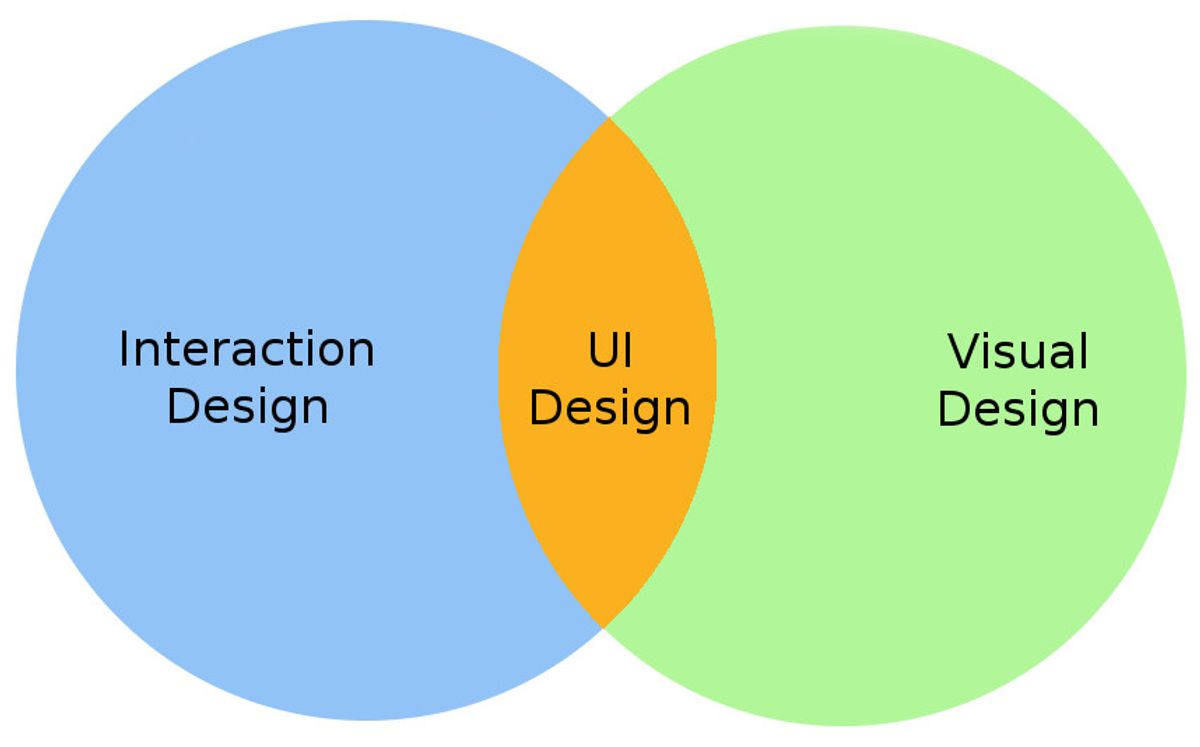
In today’s digital age, where user attention spans are short and competition is fierce, crafting memorable user experiences is paramount. Intuitive design is not just about aesthetics; it’s about creating interfaces that are easy to use, understand, and navigate, thereby enhancing user satisfaction and loyalty. This article delves into the essence of intuitive design and its impact on the user experience, conversion rates, and brand loyalty, while also looking forward to emerging trends and predictions in the field.
Key Takeaways
- Intuitive design is rooted in understanding user psychology and simplifying the user interface to provide clarity and ease of use.
- Optimizing user experience for conversion involves analyzing user interaction data, employing design strategies to boost engagement, and utilizing A/B testing for iterative improvements.
- Navigating the privacy landscape in UX design requires balancing user experience with data protection, managing cookie consent effectively, and designing for transparency to build trust.
- Leveraging design to build brand loyalty includes creating a cohesive brand experience, using emotional design to foster user attachment, and personalizing experiences to improve user retention.
- Future trends in intuitive design encompass the rise of voice and gesture-based interfaces, augmented reality for immersive experiences, and a focus on designing for accessibility and inclusivity.
The Pillars of Intuitive Design
Understanding User Psychology
At the heart of intuitive design lies a profound understanding of user psychology. This encompasses not only the practical aspects of how users interact with interfaces but also their emotional responses and the various levels of influence that shape their experience. By tapping into the cognitive processes of users, designers can create products that are not only functional but also resonate on a deeper, more engaging level.
Intuitive design emphasizes user psychology, emotional responses, and different levels of influence to create engaging experiences that prioritize user satisfaction and emotional connection.
User preferences and behaviors are dynamic, shifting with technological advancements, cultural changes, and new trends. It’s crucial for designers to adopt an iterative approach, continually collecting feedback and refining their designs to align with these evolving patterns. This cycle of feedback and adaptation ensures that digital experiences remain fresh, relevant, and impactful.
Here are some benefits of a user-centered design approach:
- Enhanced usability
- Reduced development costs
- Increased engagement
- Higher conversion rates
- User trust and loyalty
- Competitive advantage
Simplicity and Clarity in Design
In the realm of user experience, simplicity is key. A minimalist approach to design not only enhances the aesthetic appeal but also significantly improves usability. By stripping away non-essential elements, designers can focus on what’s truly important, ensuring that users can navigate the interface with ease.
The clarity of simplicity makes interfaces and products inclusive to diverse users. By removing complexity, it increases comprehension levels for wider audiences.
Consistency in the use of well-recognized symbols and actions, such as sharing or deleting, eliminates user confusion and streamlines interaction. This principle of intuitive design is evident in the success of companies like Apple, whose clean lines and intuitive layouts have become a hallmark of their brand.
Here are some key principles to consider when aiming for simplicity in design:
- Use of negative space to draw attention to important features
- Clear visual hierarchy to guide the user’s eye
- Reduction of interface complexity to enhance focus
- Iterative design for continuous improvement
By adhering to these principles, designers create an environment where users can accomplish their tasks more efficiently, leading to a smoother and more enjoyable experience.
Consistency Across Platforms
Achieving consistency across platforms is crucial for a seamless user experience. Users expect to interact with products that function similarly, whether on a desktop, tablet, or smartphone. This consistency extends beyond the user interface to include messaging, interactions, performance, and timing, which are all vital for creating a familiar environment across different devices.
By maintaining a uniform design language and predictable behaviors, we can significantly reduce the learning curve for users, enhancing their overall experience.
To ensure this level of consistency, consider the following points:
- Use consistent design elements like colors, fonts, and icons.
- Implement progressive disclosure to manage user focus and reduce overwhelm.
- Optimize touch targets for ease of interaction on touch devices.
For example, Google’s Material Design framework demonstrates how responsive design can enable smooth transitions between devices, providing a consistent experience that adapts to various screen sizes.
Optimizing User Experience for Conversion

Analyzing User Interaction Data
In the realm of intuitive design, the analysis of user interaction data stands as a cornerstone for enhancing user experiences. It involves scrutinizing various metrics such as demographics, product interactions, and engagement levels to extract actionable insights. This data-driven approach enables designers to tailor experiences that resonate with users and drive conversions.
By leveraging user analytics, designers can pinpoint areas for improvement and optimize the user journey for better performance and satisfaction.
Understanding the nuances of user behavior is crucial for creating interfaces that are not only visually appealing but also functionally effective. To achieve this, a systematic approach is often adopted:
- Reviewing user feedback and support tickets
- Monitoring click-through rates and navigation patterns
- Analyzing session recordings and heatmaps
- Conducting usability tests and surveys
These activities help in forming a comprehensive picture of how users interact with a product, revealing both strengths and weaknesses. Armed with this knowledge, designers can make informed decisions to enhance the overall user experience.
Design Strategies for Increased Engagement
To captivate users and drive higher engagement and conversions, designers must create experiences that are not only visually compelling but also encourage active interaction. Incorporating interactive elements such as infographics, social sharing buttons, or videos can significantly enrich the user experience.
Designing with empathy and focusing on microinteractions are crucial for fostering emotional connections that enhance user satisfaction. For instance, AM2 Studio’s approach to web development optimizes conversions by simplifying user journeys, demonstrating the impact of thoughtful design on client success.
By analyzing user interaction data, designers can tailor experiences to user needs and preferences, leading to enhanced usability and increased user trust and loyalty.
Ultimately, the goal is to build a visually cohesive and user-friendly interface that reinforces brand identity and instills trust, encouraging repeat interactions and advocacy.
A/B Testing and Iterative Design
A/B testing serves as a critical component in the iterative design process, enabling designers to make data-driven decisions that enhance user experiences. By comparing two versions of a design, teams can identify which elements resonate most with users, leading to improved engagement and conversion rates.
Iterative design is not a one-time event but a continuous cycle of refinement. Each iteration is informed by user feedback and analytics, ensuring that the design evolves to meet user needs effectively.
To implement A/B testing effectively, consider the following steps:
- Define clear objectives for what you want to test.
- Create two versions (A and B) with one key difference.
- Randomly assign users to each version.
- Collect and analyze data on user behavior.
- Use findings to inform further design iterations.
AM2 Studio’s approach to web development exemplifies this process, focusing on excellence from strategy through to post-launch monitoring. Their commitment to creating unique digital experiences is complemented by robust maintenance services, ensuring that the user experience continues to delight and perform over time.
Navigating the Privacy Landscape in UX Design
Balancing User Experience with Data Protection
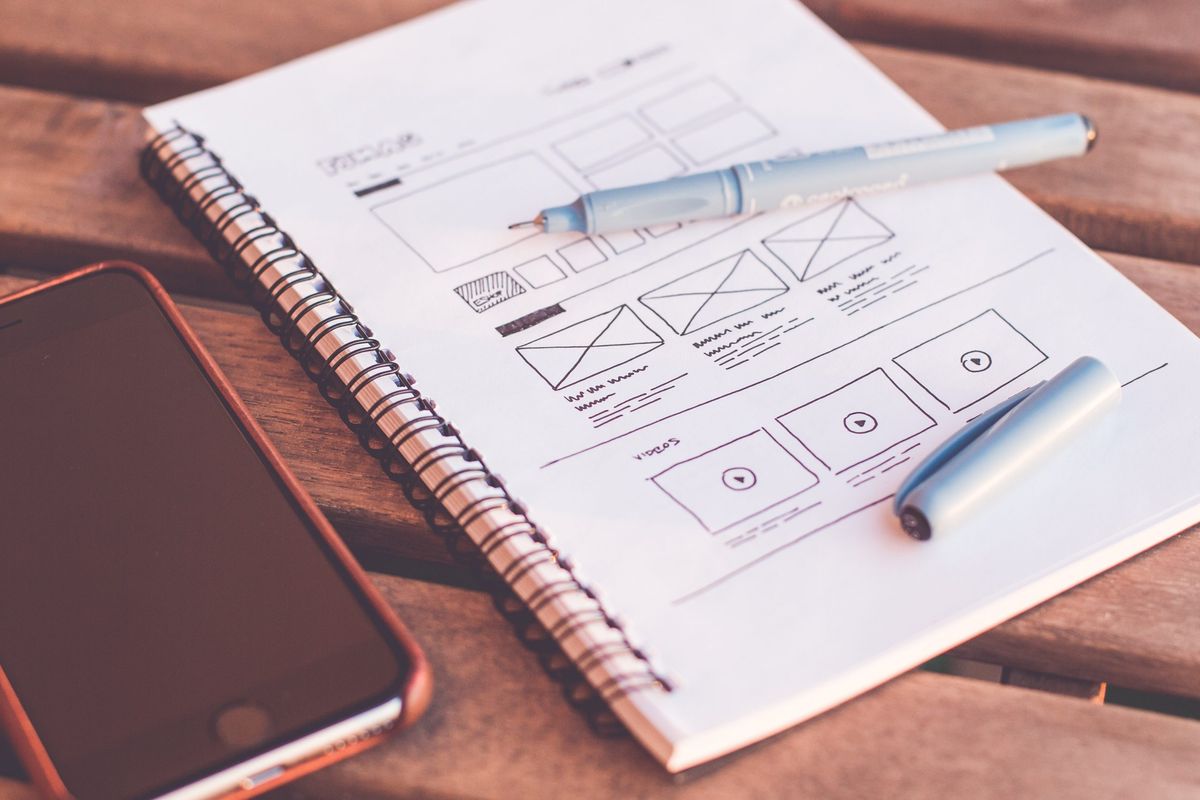
In the digital age, user experience (UX) and data protection are two sides of the same coin. Designers must navigate the delicate balance between creating a seamless user experience and ensuring robust data privacy.
The challenge lies in designing interfaces that are not only intuitive but also transparent about how user data is handled.
Users have become increasingly aware of their digital footprint and the importance of privacy. As a result, UX design must incorporate clear options for users to manage their data preferences. Below is a list of considerations for balancing UX with data protection:
- Prioritize user consent by providing clear options to accept or decline cookies.
- Implement privacy settings that are easily accessible and understandable.
- Design with the principle of ‘privacy by default’, ensuring that the least amount of user data is collected.
- Educate users through the design about the importance of their data choices.
By adhering to these principles, designers can create experiences that respect user autonomy and foster trust. Trust is a critical component of user retention and is essential for a positive UX.
Cookie Consent and User Preferences
In the realm of UX design, cookie consent banners are a critical touchpoint. They not only comply with legal requirements but also serve as an opportunity to respect user preferences and build trust. A well-designed banner should provide a clear choice, allowing users to accept, reject, or customize their cookie settings. This transparency is key to fostering a positive user experience.
Designing for transparency means making the implications of user choices clear and avoiding any form of misdirection.
Below is a summary of best practices for cookie consent banners:
- Allow users to dismiss the banner without giving consent.
- Offer a clear, equal choice between accepting and rejecting cookies.
- Avoid using dark patterns such as misdirection or hiding the reject option.
- Clearly categorize cookies (e.g., necessary, analytics, performance) and allow users to select their preferences.
By adhering to these practices, designers can create a consent experience that respects user autonomy and reinforces the integrity of the brand.
Designing for Transparency and Trust
In the realm of UX design, transparency and trust are foundational to fostering a positive relationship with users. A clear and accessible privacy policy is a cornerstone of this trust. Key components of a privacy policy impacting user trust include data collection, usage, protection, user control, and policy updates. The design process should emphasize transparency, consent, security, and user experience.
Designing for transparency means being upfront about how user data is collected and used. It’s about making the complex simple and understandable.
To achieve this, consider the following steps:
- Clearly label data collection points and explain their purpose.
- Provide users with easy-to-use privacy settings.
- Regularly update users on changes to privacy policies.
- Ensure that the language used in policies is clear and free of jargon.
By integrating these practices into the design process, we can create digital environments that not only respect user privacy but also enhance the overall user experience.
Leveraging Design to Build Brand Loyalty
Creating a Cohesive Brand Experience
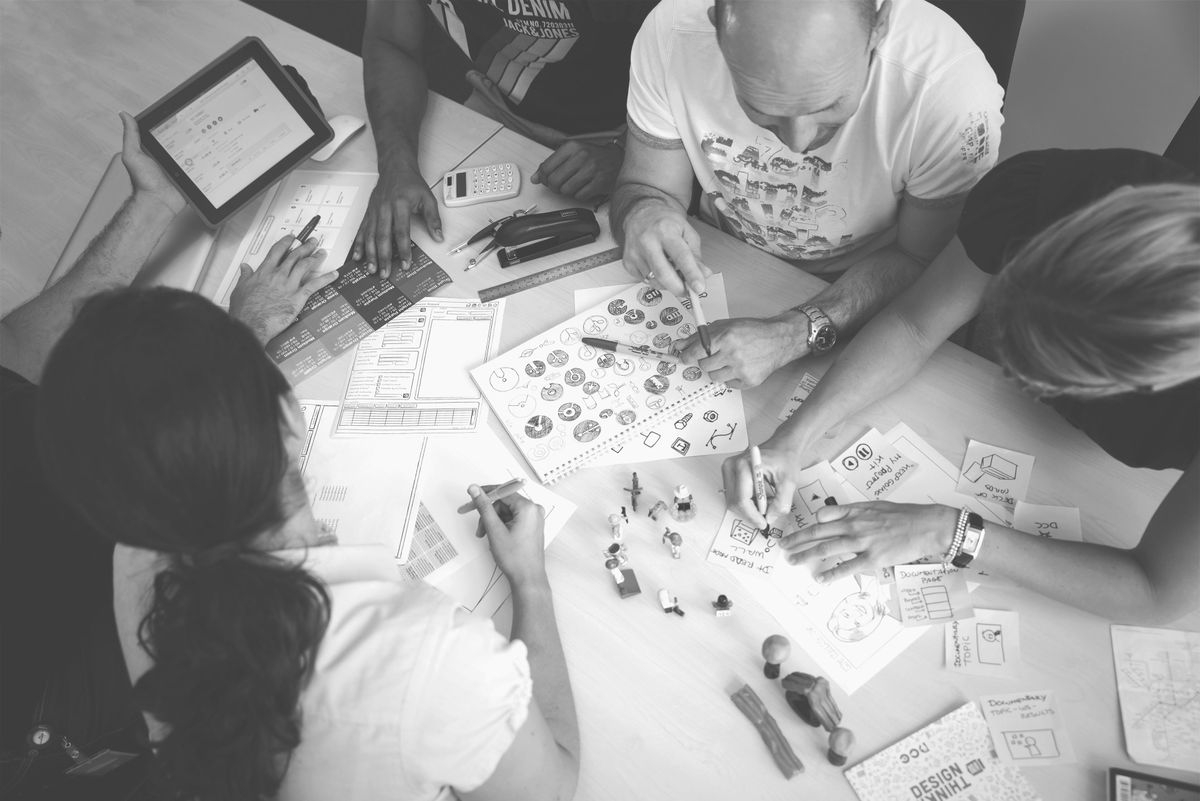
In the realm of user experience, a cohesive brand experience is paramount. It’s not just about having a visually appealing design; it’s about ensuring that every touchpoint with the user reflects the brand’s core values and message. This consistency builds recognition and trust, which are essential for brand loyalty.
- Understanding User Psychology: By grasping the motivations and behaviors of users, designers can tailor experiences that resonate on a personal level.
- Simplicity and Clarity in Design: Clear and intuitive design reduces cognitive load, making it easier for users to interact with the brand.
- Consistency Across Platforms: Uniformity in design elements and messaging across all platforms reinforces brand identity.
Designers focus on elements to streamline user experience, create consistent brand narrative, and incorporate engaging visuals for emotional connections and enhanced user engagement.
Ultimately, the goal is to create a seamless experience that users find familiar and reliable, no matter where they encounter the brand. This familiarity breeds comfort, and comfort leads to loyalty—a cycle that benefits both the user and the brand.
Emotional Design and User Attachment
Emotional design is at the heart of creating a deep connection between users and digital products. By tapping into the psychology of emotions, designers can craft experiences that resonate on a personal level, making the interaction with the product more meaningful and memorable.
Emotional design goes beyond aesthetics; it’s about creating moments that feel tailored to the user, evoking a sense of belonging and attachment. This approach not only enhances user satisfaction but also encourages brand loyalty and repeat engagement.
Understanding user behavior for predictive design is crucial. It allows for the creation of interfaces that not only meet users’ needs but also anticipate them, leading to a seamless and intuitive experience. Here are some key elements to consider when incorporating emotional design:
- Use of color and imagery that align with the brand’s emotional message
- Microinteractions that delight and surprise users
- Storytelling that connects users to the brand narrative
- Personalized experiences that reflect users’ preferences and behaviors
By focusing on these aspects, designers can ensure that users not only enjoy the functionality of the product but also form an emotional bond with it.
The Role of Personalization in User Retention
Personalization is a key factor in creating a user experience that resonates with individuals on a deeper level. By tailoring the user interface and content to meet individual preferences and behaviors, brands can foster a sense of belonging and relevance for the user. This connection not only enhances the user’s satisfaction but also significantly boosts retention rates.
Personalization strategies can range from simple content adjustments to complex algorithm-driven recommendations. The goal is to make each user feel understood and valued, which in turn encourages continued engagement with the brand.
For instance, Spotify’s approach to personalization has been instrumental in its success. The platform’s ability to suggest music and playlists that align with user interests exemplifies the power of personalization in retaining users. Below is a summary of the impact of personalization on user retention:
- Increased Engagement: Users are more likely to interact with content that reflects their interests.
- Enhanced User Satisfaction: Personalized experiences lead to higher satisfaction and positive brand perception.
- Improved Loyalty: A personalized user experience fosters emotional connections, translating to brand loyalty.
As technology evolves, the potential for even more sophisticated personalization grows. Innovations in AI and machine learning are paving the way for interfaces that not only adapt to user habits but can also anticipate needs and predict future actions. The challenge for designers is to harness these advancements while maintaining user trust and privacy.
The Future of Intuitive Design: Trends and Predictions

The Rise of Voice and Gesture-Based Interfaces
The evolution of user interfaces is steering towards more natural forms of interaction. Voice and gesture-based interfaces are at the forefront of this shift, offering users a way to interact with technology that is more aligned with human communication and behavior. These interfaces prioritize user understanding and aim to create a seamless experience that reduces the cognitive load on the user.
Intuitive interfaces are not just about understanding user needs; they’re about creating a connection that feels almost instinctual.
The development of these technologies is guided by best practices that consider user habits and predict future actions. Designers face the challenge of integrating voice and gesture controls in a manner that feels intuitive without compromising privacy or overwhelming the user. The table below outlines some of the key benefits and challenges associated with these interfaces:
| Benefits | Challenges |
|---|---|
| Natural user interaction | Privacy concerns |
| Reduced cognitive load | Complexity of gestures and commands |
| Enhanced accessibility | Integration with existing systems |
As we look to the future, the potential for creating apps that not only meet current needs but also evolve with the user is immense. This adaptability could lead to unparalleled levels of convenience and satisfaction, marking a significant milestone in the journey towards truly intuitive design.
Augmented Reality and Immersive Experiences
In recent years, Augmented Reality (AR) has transcended its initial novelty to become a powerful tool in user experience (UX) design. By overlaying digital information onto the real world, AR creates a hybrid environment where physical and virtual elements coexist, enhancing the user’s perception and interaction with their surroundings.
The seamless integration of AR technology into user interfaces can lead to more engaging and intuitive experiences. It allows for a level of interaction that feels natural and instinctive, aligning with the user’s expectations and behaviors.
As AR technology continues to evolve, designers are presented with new opportunities to create immersive experiences that not only entertain but also solve real-world problems. For instance, AR can be used for educational purposes, providing interactive learning experiences that are both informative and captivating. Additionally, in the retail sector, AR enables customers to visualize products in their own space before making a purchase, thereby reducing uncertainty and enhancing satisfaction.
The potential applications of AR in UX design are vast, and as the technology becomes more accessible, we can expect to see a surge in AR-driven innovations. Below is a list of key areas where AR is making an impact:
- Retail and e-commerce
- Education and training
- Healthcare
- Real estate and interior design
- Entertainment and gaming
Designers must continue to explore the possibilities of AR while ensuring that these immersive experiences remain user-friendly and enhance the overall UX.
Designing for Accessibility and Inclusivity
In the realm of intuitive design, accessibility and inclusivity are not just ethical imperatives but also strategic business decisions. By embracing these principles, designers can create products that cater to a wider audience, including those with disabilities. This approach not only enhances the user experience for all but also expands the market reach.
Ensuring that digital products are usable by people of all abilities is a cornerstone of user-centric design. It involves integrating features like alternative text for images, keyboard-friendly navigation, and adherence to the Web Content Accessibility Guidelines (WCAG).
The benefits of incorporating accessibility into your website are manifold:
- Enhanced usability for all users
- Expanded user base
- Compliance with legal standards
- Improved user trust
- Adaptable design to various user needs
Moreover, prioritizing accessibility can lead to a reduced learning curve, improved task efficiency, and lower error rates, which in turn foster positive brand perception and faster user onboarding. Ultimately, designing with accessibility and inclusivity in mind is a reflection of a brand’s commitment to user-centric experiences—a commitment that resonates with users and builds lasting loyalty.
As we look towards the horizon of web design, the future promises a landscape where intuitive design reigns supreme. Staying ahead of the curve is crucial, and that’s where our expertise comes into play. At our studio, we specialize in crafting digital experiences that are not only visually stunning but also user-friendly and optimized for performance. Whether you’re in need of a custom WordPress site, an eCommerce solution, or a comprehensive website health audit, we have the skills and experience to elevate your online presence. Don’t let your business fall behind—visit our website to explore our services and see how we can help you lead the way in intuitive design. Let’s create something amazing together!
Conclusion
In conclusion, crafting memorable user experiences hinges on the intuitive design that speaks directly to user needs and behaviors. Throughout this article, we’ve explored the importance of usability, the strategic implementation of design techniques, and the significance of creating interfaces that users find natural and easy to navigate. By prioritizing clarity, simplicity, and familiarity, and by continuously adapting to user feedback, designers can build digital experiences that not only delight and engage users but also foster brand loyalty and drive conversions. Remember, an intuitive design is not just about aesthetics; it’s about creating a seamless and efficient user journey that resonates with users on a fundamental level, making every interaction with your brand a positive and memorable one.
Frequently Asked Questions
What are the core principles of intuitive design?
The core principles of intuitive design include clarity, simplicity, familiarity, and consistency. These principles aim to create interfaces that users can navigate naturally and effortlessly.
How does UI/UX design enhance user satisfaction?
UI/UX design enhances user satisfaction by prioritizing the needs and preferences of users, creating seamless navigation flows, visually appealing designs, and minimizing friction points throughout the user journey.
Why is brand loyalty important in design, and how can it be built?
Brand loyalty is crucial in today’s competitive market as it fosters emotional connections with users and encourages repeat interactions. It can be built through a visually cohesive and user-friendly interface that reinforces brand identity and instills trust.
What role does A/B testing play in intuitive design?
A/B testing plays a vital role in intuitive design by allowing designers to compare different versions of a page or feature to determine which one performs better in terms of user engagement and conversion rates.
How can designers balance user experience with data protection?
Designers can balance user experience with data protection by being transparent about data collection practices, providing clear consent options, and designing for privacy without compromising on the usability of the product.
What are some upcoming trends in intuitive design?
Upcoming trends in intuitive design include the rise of voice and gesture-based interfaces, augmented reality and immersive experiences, and a greater focus on designing for accessibility and inclusivity.