Creating Unique Brand Identity through Visual Storytelling

In the competitive landscape of branding, visual storytelling emerges as a powerful tool to create a unique brand identity. It’s not just about presenting eye-catching images, but about weaving a narrative that encapsulates your brand’s values, mission, and personality. This narrative, told through a variety of visual media, can deeply engage customers, evoke emotions, and foster a strong, memorable brand image. As we delve into the intricacies of visual storytelling, let’s explore the strategies and best practices that can help brands stand out and resonate with their audience.
Key Takeaways
- Visual storytelling is a compelling method to build a cohesive brand identity by strategically using imagery to convey a brand’s story and values.
- Effective visual storytelling involves setting clear objectives, choosing the right tools, and creating a consistent brand persona to engage the audience emotionally.
- Analyzing successful case studies can provide insights into high-impact campaigns and help adapt strategies across different industries.
- Best practices for visual storytelling include designing for memorability, balancing aesthetics with functionality, and leveraging multimedia for enhanced interaction.
- Future trends in visual storytelling will likely involve innovations in digital imagery and emerging technologies, as well as adapting to shifts in consumer behavior.
The Power of Visuals in Brand Narratives

Understanding the Role of Visual Elements
In the realm of brand identity, visual storytelling is essential, utilizing elements like logos, colors, and imagery to weave a narrative that resonates with the audience. These components are not just decorative; they serve as the visual vocabulary that communicates the brand’s values and mission.
Visual elements are the silent ambassadors of your brand, often making the first impression and establishing a connection with the audience before a single word is read.
Remembering that humans are highly visual beings, the strategic use of visual storytelling can significantly enhance brand recall. Studies show that while we remember only 10% of textual information, over 65% of visual information is retained. This underscores the importance of a well-crafted visual narrative in ensuring your brand’s message is not just seen, but remembered.
To effectively harness the power of visuals, consider the following steps:
- Identify the core elements of your story.
- Select images and styles that align with your brand’s essence.
- Integrate graphic design elements to enrich the narrative.
- Use visuals to enhance engagement and encourage action.
By meticulously crafting each visual touchpoint, from website design to marketing materials, brands can create a cohesive and memorable identity that stands the test of time.
Crafting a Cohesive Visual Language
Developing a unique visual identity is crucial for brands aiming to stand out in a crowded marketplace. A cohesive visual language encompasses various elements such as a memorable logo, a consistent color palette, and typography that aligns with the brand’s personality. This visual consistency ensures that customers can instantly recognize and connect with the brand, much like how Coca-Cola’s distinctive red color and script logo are instantly identifiable.
A brand style guide is essential for maintaining this visual consistency across all touchpoints. It serves as a blueprint for the brand’s visual elements, ensuring that every aspect of the brand’s presentation is harmonious and effectively communicates the intended message.
Key elements of visual storytelling include the strategic use of imagery, graphic design, and videos to enrich the narrative and engage the audience. Each component should be carefully crafted to support the brand’s overarching story and values, creating a powerful and persuasive presentation of the brand’s identity.
Emotional Engagement through Imagery
The strategic use of visuals in branding can evoke a spectrum of emotions, creating a lasting bond between the consumer and the brand. This emotional engagement is crucial for building brand loyalty and can be more influential than text alone.
Visual storytelling is not just about the images themselves; it’s about the entire narrative that these images bring to life.
By utilizing captivating imagery and video content, brands can convey messages that transcend language barriers and cultural differences, leading to greater engagement at a significantly accelerated pace. Consistency in imagery not only levels up brand recognition but also forges a greater emotional attachment with consumers.
Here are some key points to consider for emotional engagement through imagery:
- Improved Message Retention: Seamlessly integrated visual components enhance understanding and retention.
- Emotional Connection: Specific visuals can foster deeper connections and cultivate loyalty.
- Persuasive Brand Values Presentation: Consistent imagery presentation strengthens brand recognition.
Strategies for Effective Visual Storytelling

Setting Clear Objectives and Goals
Establishing clear objectives and goals is the cornerstone of effective visual storytelling. It’s essential to define what your brand aims to achieve with its visual narrative. Whether it’s increasing brand awareness, driving sales, or engaging with a specific audience, having a precise target guides the creative process and ensures that every visual element serves a purpose.
- STEP 1: Set Clear Goals – Identify specific outcomes such as increased website traffic or higher conversion rates.
- STEP 2: Understand your Audience – Tailor your visual narrative to resonate with your target audience’s interests.
A consistent brand message not only unifies your team but also streamlines decision-making, aligning it with your company’s goals and values.
Remember, a well-defined purpose helps to steer your brand’s story in the right direction, fostering authenticity and a sense of unity among your team. This strategic approach is exemplified by AM2 Studio, whose dedication to combining strategic planning, creative design, and cutting-edge technology results in exceptional web development and client satisfaction.
Selecting the Right Tools and Platforms
In the realm of visual storytelling, selecting the right tools and platforms is crucial for delivering your brand’s message effectively. The digital landscape offers a plethora of options, each with its own strengths and capabilities. It’s essential to choose tools that align with your brand’s objectives and resonate with your target audience.
For instance, social media platforms like Instagram and TikTok cater to highly visual content and can amplify the reach of your visual narrative. On the other hand, platforms such as WordPress allow for more comprehensive storytelling through customizable websites. Here’s a brief overview of some popular platforms and their primary functions:
- Social Media: Engagement, brand awareness, and viral potential.
- Content Management Systems (CMS): Website design, blog posts, and SEO.
- Video Hosting Services: Multimedia content distribution and analytics.
- Graphic Design Software: Creation of visual assets and brand collateral.
Budget considerations are also paramount. Assess the cost-effectiveness of each tool and platform to ensure they meet your financial constraints without compromising on quality. Remember, the goal is to craft a narrative that is not only visually appealing but also strategically sound and financially viable.
Ultimately, the tools and platforms you choose should facilitate an emotional connection with your audience, leveraging multimedia content for engagement across platforms. As the landscape evolves, staying informed about new innovations and adapting your strategy will be key to maintaining a unique and compelling brand identity.
Creating a Consistent Brand Persona
A consistent brand persona is the cornerstone of effective visual storytelling. It humanizes your business, making it more relatable and appealing to customers. Developing a consistent tone of voice and style that aligns with your brand values and target audience is crucial. For instance, Mailchimp’s playful illustrations and quirky copy create a distinctive and approachable brand personality.
Consistency in your brand’s messaging across all channels ensures that your brand is easily recognizable and reinforces your brand identity. This includes everything from advertising campaigns to social media posts and customer interactions.
Maintaining a uniform style, tone, and theme across all visual storytelling content is essential to create a consistent brand image. This consistency is key to building trust and credibility with your audience. Tailoring your visual narrative to reflect your audience’s preferences can significantly increase engagement and connection.
Case Studies: Success Stories in Visual Branding

Analyzing High-Impact Campaigns
In the realm of visual branding, analyzing high-impact campaigns provides invaluable insights into the strategies that resonate with audiences. A deep dive into successful case studies reveals patterns and tactics that can be emulated and tailored to fit different brand narratives. For instance, the guide titled ’50+ Best Viral Marketing Campaign Examples & Case Studies (2024)’ offers a comprehensive look at viral marketing examples and campaign case studies, highlighting the importance of creativity and audience engagement in crafting a campaign that spreads like wildfire.
Another resource, ’10 Best Video Marketing Case Studies & Insights (2024) – Vidico’, emphasizes the power of video marketing in telling a brand’s story. By studying these video marketing case studies, brands can learn how to effectively convey their message and connect with their audience on an emotional level.
By prioritizing optimization and measuring engagement, brands can refine their visual storytelling techniques to achieve better results. The process of optimization ensures that visuals remain impactful across various devices and platforms, maintaining the integrity of the message. Measuring engagement allows brands to understand what captivates their audience, leading to more effective and resonant campaigns.
In conclusion, the analysis of high-impact campaigns is a critical step in understanding what makes a visual narrative successful. It’s not just about the aesthetics; it’s about the story, the execution, and the ability to evoke an emotional response from the audience.
Lessons from Branding Triumphs
The journey of a brand’s visual identity is often marked by pivotal moments of success that set a precedent for others to follow. Key lessons emerge from these triumphs, offering valuable insights for businesses aiming to carve out a unique space in the market. One such lesson is the importance of aligning visual storytelling with the brand’s core values, ensuring that every image, color, and design element resonates with the intended message and audience.
Consistency in visual branding is not just about repetition; it’s about creating a seamless experience that reinforces brand recognition and loyalty.
Another critical takeaway is the measurable impact of design elements on consumer perception and loyalty. Brands that have succeeded in this realm often employ a strategic approach to visual storytelling, utilizing KPIs and engagement metrics to gauge effectiveness and refine their tactics. Below is a list of key strategies derived from branding successes:
- Embrace the brand’s unique character and truth
- Translate brand identity into cohesive marketing efforts
- Develop a consistent and powerful brand presence
- Establish a professional yet friendly approach
- Monitor and adapt to post-launch feedback and performance
These strategies underscore the transformative power of visual storytelling in establishing a brand identity that not only stands out but also fosters a deep connection with its audience.
Adapting Strategies for Different Industries
When it comes to visual storytelling, one size does not fit all. Different industries have unique characteristics and audience expectations that must be taken into account. Adapting your visual branding strategy to align with industry-specific trends and consumer behavior is crucial for resonating with your target market.
For instance, the fashion industry often leverages high-quality, stylized imagery to evoke emotions and convey a sense of luxury. In contrast, the tech industry may prioritize sleek, clean designs that highlight innovation and functionality. Understanding these nuances is the first step towards creating a visual narrative that speaks directly to your audience.
It’s essential to continuously evaluate and refine your visual storytelling approach to ensure it remains effective. Regularly assessing your brand’s performance against industry benchmarks can provide valuable insights into what works and what needs adjustment.
Moreover, consider the following points when tailoring your visual strategy:
- Navigating cultural differences and local preferences
- Evolving with the market and consumer trends
- Leveraging testimonials and reviews to build credibility
- Protecting your brand’s intellectual property
By keeping these factors in mind, you can craft a visual identity that not only stands out but also adapts to the ever-changing landscape of your industry.
Best Practices for a Compelling Visual Experience
Designing for Memorability
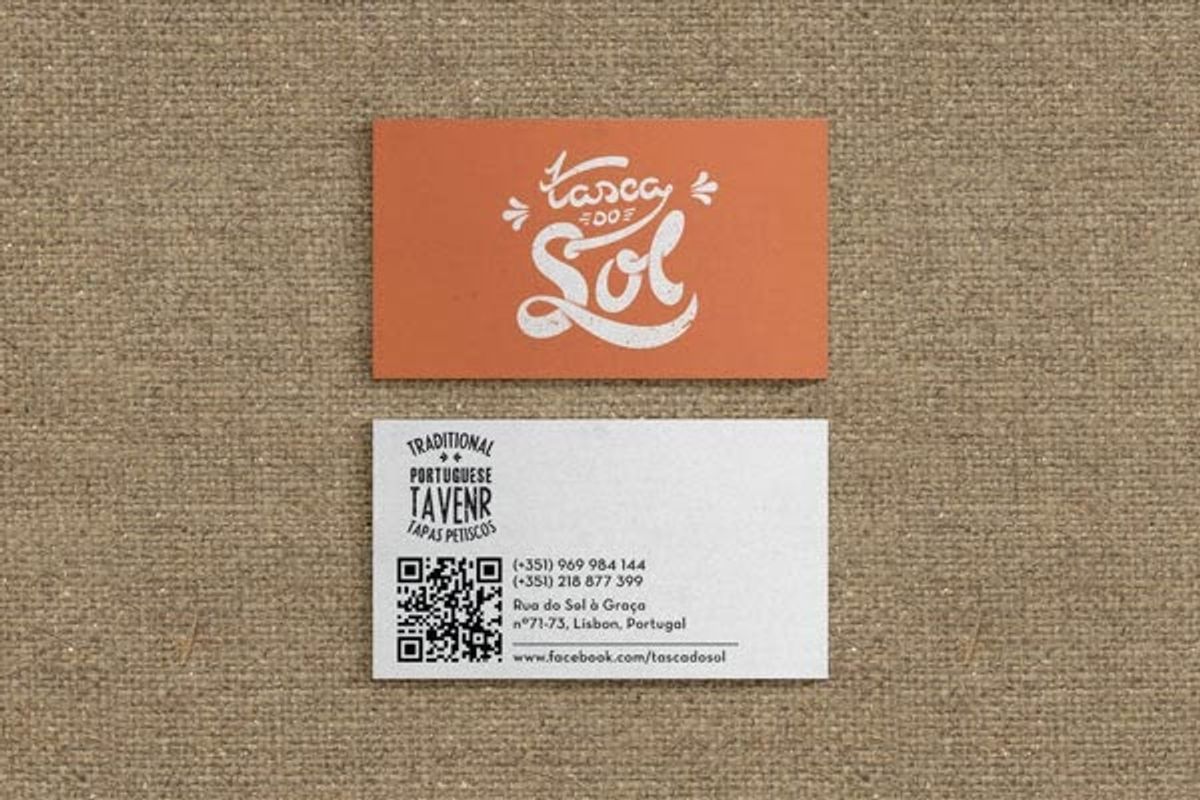
In the realm of visual branding, creating a memorable visual identity is paramount. A logo, for instance, is not just a symbol but a powerful tool that encapsulates the essence of a brand. Consider the iconic McDonald’s golden arches; their simplicity and distinctiveness make them instantly recognizable, triggering an association with the brand’s identity.
When designing for memorability, it’s essential to balance simplicity with elegance. A minimalist approach can cut through the noise of a crowded digital space, allowing the core message to shine. Apple’s logo exemplifies this dance of simplicity and elegance, ensuring the brand stays etched in the minds of consumers.
A memorable brand narrative weaves together a cohesive visual language that resonates emotionally with the audience. It’s not just about the aesthetics; it’s about creating a connection that lasts.
To achieve this, consider the following steps:
- Define a clear and consistent brand persona.
- Utilize a strategic mix of color, typography, and whitespace.
- Ensure seamless navigation for a user-friendly experience.
- Implement a guide for logo usage to maintain uniformity.
By adhering to these principles, brands can craft visual stories that are not only aesthetically pleasing but also leave a lasting impression on their audience.
Balancing Aesthetics and Functionality
In the realm of visual branding, striking the perfect balance between aesthetics and functionality is a dance of creativity and practicality. Brands must ensure that their visual identity is not only appealing but also serves a functional purpose, guiding users seamlessly through their journey.
The judicious use of color, typography, and whitespace can elevate the user experience, infusing elegance into designs while maintaining clarity and ease of navigation.
For instance, a well-designed website should not only captivate with its beauty but also provide intuitive navigation and accessibility. This balance is evident in the success stories of brands like Slack, which pairs an engaging identity with a user-friendly interface, and Tesla, which merges innovative design with practical features.
To achieve this equilibrium, consider the following steps:
- Collaborate with designers who understand your industry and target audience.
- Optimize visual elements for conversion rates, ensuring they align with your brand’s goals.
- Implement user experience best practices, such as performance optimization and responsive design.
- Regularly track and measure the impact of your visual identity on brand performance through metrics like sales, market share, and customer feedback.
Leveraging Multimedia for Enhanced Interaction
In the realm of visual storytelling, multimedia elements play a crucial role in deepening user engagement. By incorporating a mix of images, videos, and interactive features such as quizzes and polls, brands can create a dynamic narrative that invites the audience to participate actively. This not only enhances the storytelling experience but also fosters a sense of community among users.
The strategic integration of multimedia can significantly accelerate engagement, transforming passive viewers into active participants. It’s a journey of iterative refinement, where each interaction is an opportunity to delight the senses and leave a memorable imprint on the user.
To ensure that multimedia content remains effective across various platforms, it’s essential to prioritize optimization. This guarantees that the message is conveyed without compromise, regardless of the device used. Post-launch, measuring and analyzing user engagement is vital to understand what resonates with the audience and to make data-driven improvements.
Future Trends in Visual Storytelling for Brands
Innovations in Digital Imagery
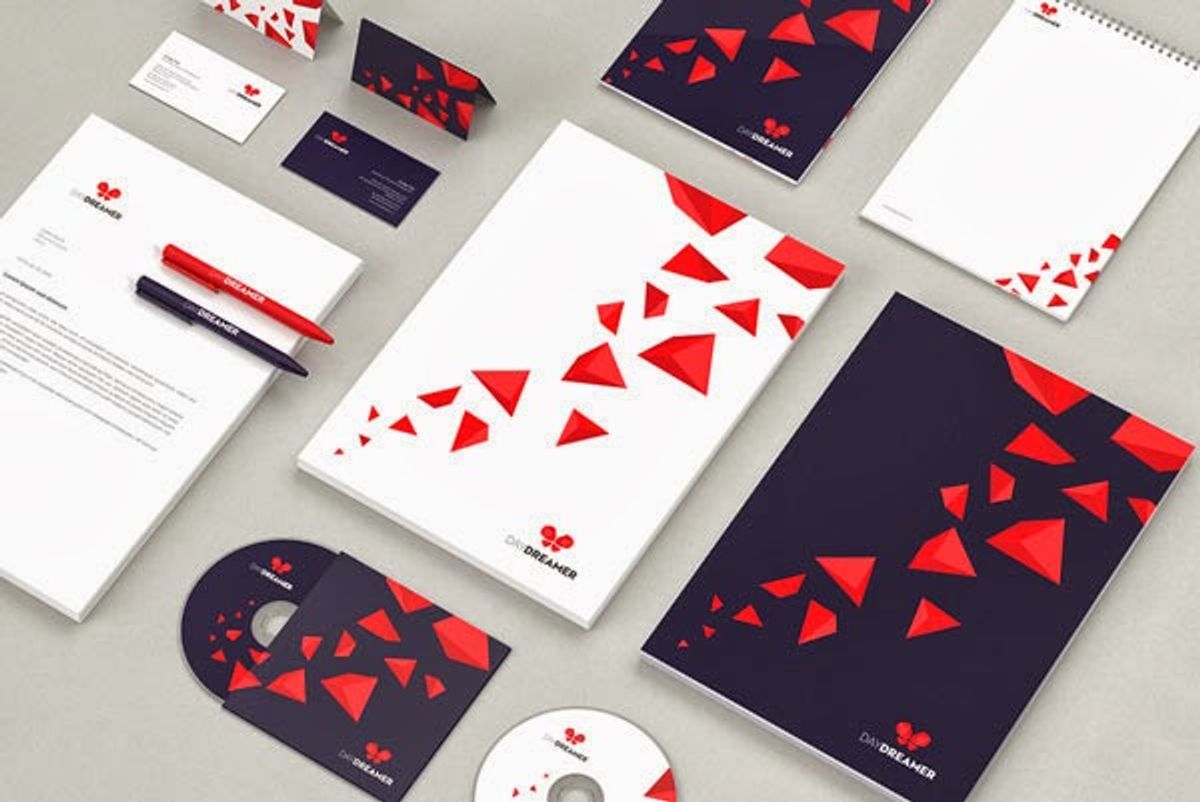
The landscape of digital imagery is constantly evolving, with new technologies and creative approaches emerging to captivate audiences. Innovations in digital imagery are reshaping the way brands tell their stories, offering more immersive and interactive experiences. These advancements are not just about aesthetics; they are powerful tools for enhancing brand narratives and creating deeper emotional connections with consumers.
The integration of cutting-edge visual technologies allows brands to craft stories that are not only visually stunning but also highly engaging and memorable.
From the use of augmented reality to the incorporation of 3D modeling, brands are now able to create visuals that were once thought impossible. The table below highlights some of the key innovations and their applications in visual storytelling for brands:
| Innovation | Application in Storytelling |
|---|---|
| Augmented Reality (AR) | Interactive campaigns and virtual try-ons |
| Virtual Reality (VR) | Immersive brand experiences |
| 3D Modeling | Product visualizations and animations |
| Cinemagraphs | Living photos that capture attention |
| Artificial Intelligence (AI) | Personalized content creation |
As we continue to push the boundaries of what’s possible, brands must stay abreast of these changes to remain competitive and relevant. The ability to leverage these innovations effectively can lead to greater engagement at a significantly accelerated pace.
Integrating Emerging Technologies
In the realm of visual storytelling, integrating emerging technologies is a game-changer for brands aiming to captivate and engage their audience. Augmented reality (AR) and virtual reality (VR) are at the forefront, offering immersive experiences that can transport consumers into the heart of a brand’s narrative.
By leveraging these technologies, brands can create interactive campaigns that allow consumers to experience their story in a personal and impactful way.
The use of AR and VR in marketing is not just about novelty; it’s about creating a deeper connection with the audience. For instance, a fashion brand could use AR to let customers try on clothes virtually, while a tourism board might employ VR to give potential visitors a taste of a destination. The possibilities are endless, and the technology is rapidly evolving, making it an exciting time for brands to explore and innovate.
To Utilize Emerging Technologies effectively, it’s crucial to stay informed about the latest developments and understand how they can be applied to enhance brand storytelling. Below is a list of steps to consider when integrating these technologies into your marketing strategy:
- Identify the technology that aligns with your brand’s values and story.
- Develop a clear plan for how the technology will be used to convey your message.
- Ensure that the technology is accessible to your target audience.
- Measure the impact of the technology on audience engagement and brand perception.
Predicting Consumer Behavior Shifts
Understanding and anticipating consumer behavior shifts is crucial for maintaining a brand’s relevance and ensuring its visual storytelling resonates with the audience. Brands must engage in continuous market analysis and adapt their strategies to meet evolving preferences and expectations.
- Evolving with the Market: Brands like McDonald’s and Apple demonstrate the importance of evolving with consumer trends while maintaining core visual elements.
- Regular Evaluation and Adjustment: Companies such as Old Spice and Burberry have successfully rebranded by regularly evaluating their performance and adjusting their visual narratives.
- Risk of Poor Implementation: Changes to a brand’s identity must be carefully considered to avoid alienating both potential and existing customers.
By staying attuned to consumer behavior and market trends, brands can craft visual stories that are both timely and timeless, ensuring a lasting connection with their audience.
As we navigate the ever-evolving landscape of digital marketing, visual storytelling has become a pivotal element for brands looking to connect with their audiences. To stay ahead of the curve and ensure your brand’s narrative captivates and resonates, consider leveraging our expertise in custom web design and development. Visit our website to explore our comprehensive services, including WordPress development, eCommerce solutions, and bespoke design tailored to your brand’s unique identity. Don’t let your brand’s story go untold—partner with us to craft compelling digital experiences that drive growth and engagement.
Conclusion
In the realm of branding, visual storytelling emerges as a powerful tool to create a distinctive brand identity that resonates with audiences. Through the strategic use of imagery, color, and design, brands can weave compelling narratives that not only engage but also build lasting connections with consumers. As we’ve explored, the journey from crafting a single visual narrative to embodying a brand’s character across various platforms is both an art and a science. By adhering to best practices and continually refining their visual language, brands can navigate the competitive landscape with a unique voice that stands out. The examples and insights shared in this article underscore the transformative impact of visual storytelling in establishing a brand identity that is not only recognized but also cherished by its audience.
Frequently Asked Questions
How does visual storytelling enhance brand identity?
Visual storytelling enhances brand identity by creating a cohesive visual language that conveys the brand’s values, personality, and message. It leverages imagery, color, typography, and design elements to forge emotional connections with the audience and make the brand more memorable.
What are key elements to consider in visual storytelling for brands?
Key elements include a consistent color palette, recognizable logos, tailored imagery, a unified typography style, and a coherent theme that aligns with the brand’s narrative. These elements should work together to tell the brand’s story in a visually compelling way.
Can visual storytelling improve customer engagement?
Yes, visual storytelling can significantly improve customer engagement by providing visually appealing and emotionally resonant content that captures attention and encourages interaction with the brand.
What role do emotions play in visual storytelling?
Emotions are central to visual storytelling as they drive the connection between the audience and the brand. By evoking feelings such as happiness, trust, or inspiration, brands can create a lasting impact and foster brand loyalty.
How important is consistency in visual storytelling?
Consistency is crucial in visual storytelling as it reinforces brand recognition and trust. Consistent use of visual elements ensures that the brand is easily identifiable and that the story remains coherent across all mediums and platforms.
What future trends should brands consider in visual storytelling?
Brands should consider trends such as the integration of augmented reality (AR), virtual reality (VR), interactive content, and personalization in storytelling. These technologies offer new ways to engage audiences and create immersive brand experiences.