Creating Unique Brand Identity through Visual Storytelling
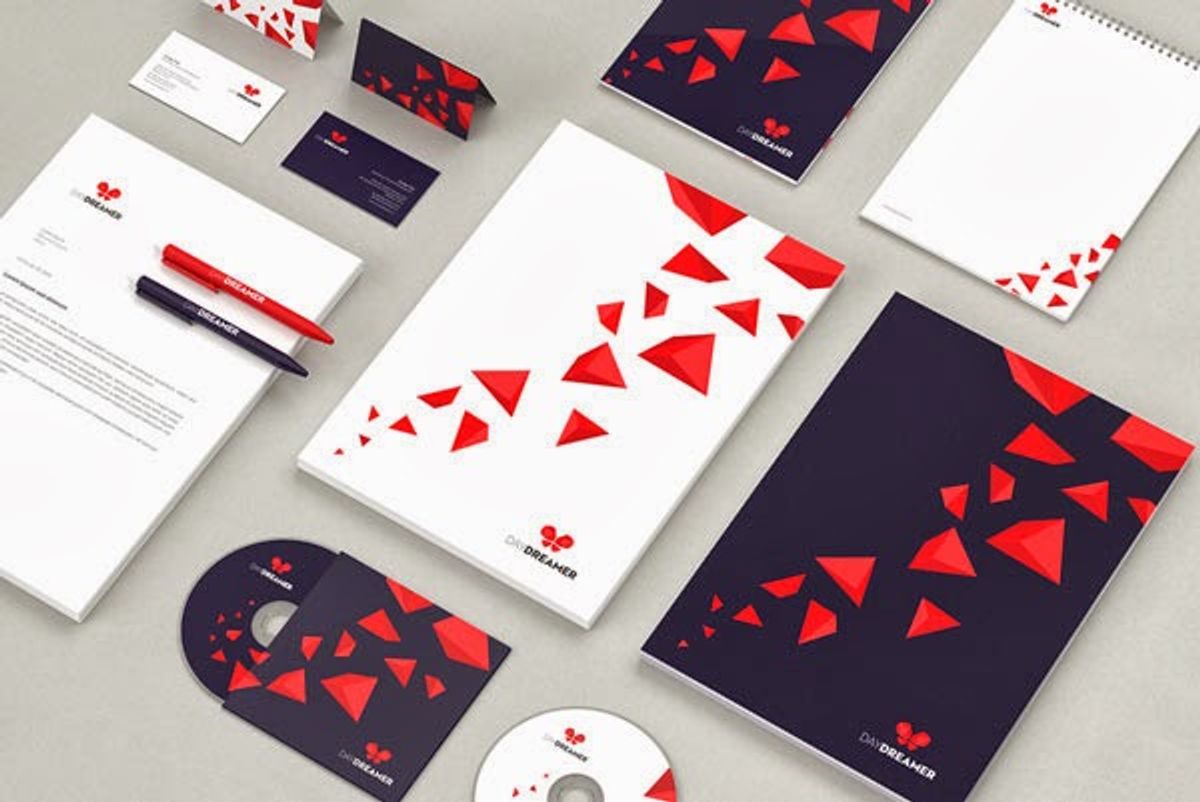
In the competitive landscape of branding, visual storytelling emerges as a powerful tool for creating a unique brand identity. It not only captures the essence of a brand but also connects with the audience on an emotional level, fostering a memorable experience. This article delves into the strategies and case studies of successful visual branding, providing insights into how companies can leverage visual narratives to stand out and resonate with their target market.
Key Takeaways
- Visual storytelling in branding is a dynamic way to convey a brand’s essence and values, leading to a distinctive brand identity.
- Consistency across various platforms and alignment with brand values are crucial for crafting an impactful visual narrative.
- Case studies of market leaders and niche brands reveal the effectiveness of tailored visual storytelling strategies across industries.
- Interactive storytelling, including user-generated content and social media engagement, enhances audience connection and brand loyalty.
- Measuring the impact of visual storytelling on brand identity requires the use of specific tools and metrics to assess brand perception and long-term benefits.
The Art of Visual Storytelling in Branding

Understanding the Power of Visuals
In the realm of branding, visual storytelling is not just an art; it’s a strategic tool that can significantly enhance brand identity. Incorporating visual storytelling elements in your content is crucial as visuals have a unique ability to captivate attention and engage audiences more rapidly. Strategic visuals evoke emotions, convey messages, and build brand identity for engagement and recognition.
Visuals are the silent ambassadors of your brand, often speaking louder than words. They create a first impression that can either draw in your audience or push them away.
Understanding the power of visuals is about recognizing their role as a bridge between the brand and its audience. Weak visual elements can dilute the message, while strong visuals can create a memorable brand experience. Here’s a list of key considerations when harnessing the power of visuals:
- Align visuals with the brand’s core values and message.
- Ensure consistency across all platforms and mediums.
- Use high-quality images and multimedia to convey professionalism.
- Innovate with design trends to stay relevant.
By mastering visual storytelling, brands can transcend barriers and create connections that are not only aesthetic but also emotional and psychological.
Crafting a Compelling Brand Narrative
At the heart of every memorable brand is a narrative that resonates with its audience. Storytelling becomes a fundamental component of branding, turning transactions into experiences that people will remember. Authenticity is the cornerstone of a captivating brand narrative. Customers are skilled at telling the difference between true stories and those that are made up just to sell products. True beliefs, missions, and experiences of the brand are the source of authentic storytelling. These narratives ought to depict the path of the brand, complete with setbacks, victories, and significant moments that define its journey.
Every great brand has a backstory that drives it forward. It’s not only about the goods or services provided; these brands also represent ideals, missions, and visions. Crafting and disseminating these narratives in a way that captivates and engages the audience is the essence of storytelling in branding.
The ability to craft a compelling tale is what sets successful brands apart. Here are some key steps to consider when developing your brand’s story:
- Identify the core values and mission of your brand.
- Reflect on the brand’s history and milestones.
- Determine the emotional connection you want to establish with your audience.
- Weave your brand’s values and history into a coherent and engaging narrative.
- Share your story across various platforms to reach a wider audience.
Remember, the narratives we narrate help to establish our brands and the bonds we forge with our consumers. In a saturated market, this connection is what makes companies stand out.
Leveraging Multimedia for Emotional Engagement
The ability of storytelling to arouse emotions is the foundation of its power. Stories have an inherent attraction for us, possessing the rare ability to evoke emotions such as inspiration, excitement, grief, or joy. Businesses that can effectively access this emotional reserve can leave a lasting impression on their audience. Since customers are more likely to stick with a company that has deeply moved them, this emotional connection is essential to fostering brand loyalty.
Harnessing the power of storytelling across platforms allows a brand to communicate its narrative in a variety of captivating ways. Blogs can delve into stories, Instagram excels at visual storytelling, and podcasts add a personal touch through voice narration. By utilizing a variety of channels, brands can reach a wider audience and tailor their message to appeal to different segments of the market.
Additionally, storytelling provides a platform for businesses to explain their unique value proposition. A compelling narrative can demonstrate what sets a brand apart and why it matters to consumers. This narrative strategy helps companies differentiate themselves not only by the quality of their products or services but also by the significant experiences they offer.
- Utilize blogs for in-depth storytelling
- Leverage Instagram for visual narratives
- Engage audiences with podcasts for a personal touch
AM2 Studio’s commitment to client satisfaction and their strategic approach to web development exemplify the impact of multimedia storytelling. Their work, from WordPress to eCommerce development, is marked by innovation and measurable results.
Strategies for Developing a Distinctive Brand Identity

Aligning Visuals with Brand Values
To create a resonant brand identity, visuals must be more than just aesthetically pleasing; they need to embody the core values and essence of the brand. This alignment ensures that every visual element tells a part of the brand’s story, reinforcing its message and connecting with the audience on a deeper level.
By delving into the brand’s purpose, vision, and values, companies can craft a central narrative that resonates with their audience. This narrative becomes the foundation for all visual storytelling efforts, ensuring consistency and authenticity across all mediums.
A strategic approach is essential for integrating storytelling into a brand’s identity. It involves a series of steps that include understanding the audience, defining the brand’s message, and choosing the right channels to convey the story. Here’s a simple list to get started:
- Identify the brand’s core values and mission
- Develop a brand narrative that aligns with these values
- Select visual elements that reflect the brand’s personality
- Use consistent imagery and design across all platforms
- Encourage employee and customer participation in the storytelling process
Remember, the most compelling brand stories are those that stay true to the brand’s perceptual traits and encourage community and action.
Creating Consistency Across Platforms
Achieving a consistent brand experience across various platforms is crucial for building a strong brand identity. Users often have preconceived notions of how a brand’s digital presence should function, based on their past interactions. An inconsistent interface can lead to confusion and a disjointed user experience, which is detrimental to brand perception.
To ensure that the audience has a consistent brand experience across all platforms, it is important to preserve the story’s essential elements.
Here are some key steps to maintain consistency:
- Align the visual elements such as logos, color schemes, and typography.
- Standardize the user interface and navigation across websites and apps.
- Develop a coherent content strategy that reflects the brand narrative.
- Implement a uniform tone of voice in all communications.
By adhering to these principles, brands can create a seamless experience for their audience, reinforcing the brand’s message and values at every touchpoint.
Innovating with Design Trends
In the ever-evolving landscape of branding, staying ahead of design trends is crucial for creating a unique brand identity. It’s not just about being trendy; it’s about understanding how innovative design can craft a visual identity that resonates with your audience. By integrating the latest design movements, brands can tell a clear and engaging brand story that stands out in the marketplace.
To innovate effectively, consider these steps:
- Research the latest visual trends in your industry.
- Experiment with new design elements and color schemes.
- Evaluate the impact of these trends on your target audience.
- Implement the ones that align with your brand values and narrative.
Embracing new design trends should be a strategic choice, not just a cosmetic update. It’s about finding the right balance between what’s current and what truly represents your brand.
Remember, innovation in design isn’t just about aesthetics; it’s about creating a deeper connection with your audience through visuals that tell your brand’s story. By doing so, you can ensure that your brand remains relevant and compelling in a crowded market.
Case Studies: Success Stories of Visual Branding

Analyzing Market Leaders
When it comes to visual storytelling, market leaders offer invaluable insights into the creation of a strong brand identity. These companies have mastered the art of connecting with their audience through compelling narratives and consistent visual branding. By examining their strategies, we can distill key lessons that apply across various sectors.
For instance, brands like Dove and Nike have become synonymous with powerful storytelling that resonates with consumers on an emotional level. They leverage multimedia to craft stories that not only represent the brand but also echo the values and aspirations of their target audience. This emotional engagement is a cornerstone of their branding success.
Reflecting on these success stories, it’s clear that a dynamic narrative is crucial. Regular evaluation of the impact of your story, including user reviews and engagement metrics, is essential. Be prepared to adapt your narrative to maintain relevance with the changing tastes of your audience and the evolving identity of your business.
The table below highlights some of the top video marketing campaigns that have left a mark in the industry:
| Campaign | Company | Notable Aspect |
|---|---|---|
| Toggl Track | Toggl | Simplified Time Tracking |
| Vimeo | Vimeo | Creative Community Showcase |
| Montu | Montu | Medical Cannabis Awareness |
| Bailey Nelson | Bailey Nelson | Personalized Eyewear Experience |
| Digital Ocean | Digital Ocean | Developer-Focused Services |
By analyzing these market leaders, we learn the importance of aligning visuals with brand values and creating a narrative that is not only compelling but also adaptable to the ever-changing market dynamics.
Learning from Niche Brand Triumphs
Niche brands often serve as beacons of innovation, demonstrating that visual storytelling enhances brand communication and creates emotional connections. These brands have carved out unique identities by telling their stories in ways that resonate deeply with their target audiences. For instance, companies like Ben & Jerry’s have transcended their product offerings to embody broader social messages, while others like White Rabbit (NFT) leverage cutting-edge technology to craft a narrative that captivates the digital-savvy crowd.
By analyzing the strategies of niche brands, we can uncover valuable insights into how they use visual storytelling to build relationships and stand out in a congested market.
The following list highlights key techniques employed by successful niche brands:
- Emphasizing environmental conservation and social impact
- Customizing consumer experiences
- Breaking new ground in technology
- Utilizing user-generated content to foster community
- Consistently aligning visuals with brand values
Each approach underscores the importance of a tailored narrative that aligns with the brand’s core values and mission. The ability to communicate these values through compelling visuals is what sets these niche brands apart from their competitors.
Adapting Strategies for Different Industries
When it comes to visual storytelling, one size does not fit all. Different industries have unique characteristics and audience expectations that must be considered to create an impactful brand narrative. Reflect and adapt to the evolving landscape of your industry by regularly evaluating the effectiveness of your visual storytelling. Use customer feedback, engagement statistics, and industry developments to inform your strategy.
By ensuring that the brand’s story is relevant, relatable, and captivating, these tactics help to establish a strong bond with the target audience.
Interactive narrative techniques, such as AR, VR, or online experiences, can provide consumers with engaging ways to connect with your brand’s story. These innovative strategies may set your company apart by offering unique, captivating experiences that uphold your story and core values. Remember, storytelling works well but needs a lot of effort. Find out if the benefits outweigh the cost and find your tools for storytelling implementation.
Engaging Your Audience with Interactive Storytelling

Incorporating User-Generated Content
In the realm of visual storytelling, user-generated content (UGC) is a goldmine for creating authentic and relatable brand narratives. By inspiring your community to share their experiences, you not only amplify your brand’s message but also foster a sense of belonging among your audience.
Interactive elements such as AR, VR, and online experiences can transform passive viewers into active participants in your brand’s story. These innovative approaches can distinguish your brand, offering unique experiences that resonate with your core values.
Reflecting on and adapting your strategy is crucial. Regularly assess the impact of UGC on your brand through user reviews and engagement metrics. Be prepared to evolve your narrative to maintain its relevance and appeal.
Harnessing the power of storytelling across various platforms allows for a diverse expression of your brand’s story. From in-depth blog posts to visually rich Instagram stories and personal touches through podcasts, a multi-channel approach can broaden your reach and cater to different audience preferences.
Utilizing Social Media as a Storytelling Tool
Social media platforms offer a unique opportunity for brands to craft and share their narratives in a way that is both engaging and accessible to a broad audience. By leveraging the distinct features of each platform, brands can tell their stories through a tapestry of multimedia content, from the visual splendor of Instagram to the conversational nature of Twitter.
- Instagram: Ideal for visual storytelling with images and short videos.
- Twitter: Great for real-time updates and engaging with followers through concise messages.
- Facebook: Suitable for longer narratives and community building through groups and events.
- LinkedIn: Perfect for professional storytelling and thought leadership content.
- TikTok: A platform for creative, short-form video content that can go viral.
Encouraging community participation is another powerful aspect of social media storytelling. When customers share their own experiences with a brand, they contribute to the brand’s story, adding authenticity and depth. This can be facilitated through hashtags, contests, or interactive campaigns that invite user-generated content.
The true power of social media storytelling lies in its ability to foster a sense of community and belonging among consumers. It transforms passive viewers into active participants, creating a shared narrative that resonates on a personal level.
Finally, it’s essential to monitor the impact of your social media storytelling efforts. Tools like analytics can help track engagement and understand audience preferences, ensuring that your story is not just heard, but also felt and remembered.
Designing Interactive Brand Experiences
Interactive brand experiences are pivotal in forging a lasting connection with your audience. Integrating user-generated content (UGC) can transform passive viewers into active participants, creating a dynamic form of engagement. Choose relevant, high-quality visuals to ensure that the brand’s message resonates authentically.
Incorporating interactive elements such as quizzes, polls, and interactive infographics can significantly enhance the user experience. These elements not only entertain but also educate your audience about your brand, fostering a deeper understanding and relationship.
Measuring the impact of these experiences is crucial. Utilize metrics and feedback to gauge effectiveness and inform future strategies. This data-driven approach ensures that your interactive storytelling aligns with your audience’s preferences and behaviors.
Finally, it’s essential to balance creativity with brand consistency. While innovation can set you apart, maintaining a coherent visual storytelling strategy across all platforms solidifies your brand identity.
Measuring the Impact of Visual Storytelling on Brand Identity

Tools and Metrics for Assessing Brand Perception
To gauge the effectiveness of visual storytelling in shaping brand identity, businesses employ a variety of tools and metrics. These instruments provide insights into how design elements resonate with the audience and influence brand perception and loyalty. Key performance indicators (KPIs) and engagement metrics are central to this evaluation, offering quantitative data on consumer interactions.
By analyzing these metrics, companies can refine their visual storytelling strategies to better align with their brand values and connect with their target audience on an emotional level.
Understanding the audience is paramount. Brands must consistently apply logos, colors, imagery, and embrace innovation to maintain a strong visual identity. The table below outlines some of the primary metrics used to assess brand perception:
| Metric | Description |
|---|---|
| Brand Awareness | Measures recognition and recall of the brand |
| Engagement Rate | Tracks interactions on social media platforms |
| Conversion Rate | Indicates the percentage of visitors who take a desired action |
| Customer Satisfaction | Gauged through surveys and feedback mechanisms |
| Net Promoter Score (NPS) | Reflects the likelihood of customers to recommend the brand |
These metrics, when monitored over time, reveal the impact of visual storytelling on brand loyalty and customer engagement.
The Role of Analytics in Storytelling Strategy
In the realm of visual storytelling, analytics play a pivotal role in shaping and refining the narrative that a brand conveys. Analytics provide insights into audience behavior and preferences, enabling brands to tailor their stories for maximum impact. By analyzing data, marketers can identify which visual elements resonate most with their audience and adjust their strategy accordingly.
By investing in well-designed and cohesive brand assets, brands can enhance their visual storytelling efforts and reinforce their brand identity.
A structured approach to analytics involves several key steps:
- Setting clear objectives for what the brand aims to achieve with its visual storytelling.
- Collecting data on audience engagement with visual content across various platforms.
- Analyzing the data to discern patterns and preferences.
- Using these insights to inform future content creation and campaign strategies.
This process ensures that storytelling is not only creative but also data-driven, leading to more effective and engaging brand narratives.
Long-Term Benefits of a Strong Visual Identity
A strong visual identity is not just about immediate recognition; it’s a strategic asset that can yield long-term benefits for a brand. Companies that have strengthened their brand identity have seen sustained success by building lasting relationships with consumers and distinguishing themselves in a crowded market. A consistent visual identity and experience instill a sense of predictability, which reinforces our natural desire for familiarity and trust.
By weaving a cohesive visual narrative throughout all brand touchpoints, businesses can turn transactions into memorable experiences. This narrative strategy elevates the brand beyond conventional marketing, fostering a deeper emotional connection with the audience.
The benefits of a robust visual identity are manifold and can be summarized as follows:
- Enhanced brand recognition and recall
- Increased consumer trust and loyalty
- Improved market differentiation
- Greater brand equity and value
- Amplified word-of-mouth and social sharing
In the long run, these advantages contribute to a more resilient brand that can navigate market changes and maintain relevance with its target audience.
Visual storytelling is a powerful tool that can transform your brand’s identity and connect with your audience on a deeper level. By harnessing the art of visual narratives, you can convey your brand’s values, mission, and personality in a way that resonates and sticks with your customers. To learn more about how we can help you leverage visual storytelling to enhance your brand identity, visit our website and explore our range of services, from custom WordPress development to eCommerce solutions. Let’s create a visual story that embodies your brand and captivates your audience. [Visit us now] to start your journey towards a stronger brand identity.
Conclusion
In the realm of branding, visual storytelling emerges as a powerful conduit for forging a unique identity that resonates with audiences. The art of weaving a brand’s core values, mission, and vision into a compelling narrative not only distinguishes it from competitors but also cultivates a deeper emotional connection with consumers. As we’ve explored through various examples, from environmental advocacy to technological innovation, the potency of a well-crafted story lies in its authenticity and its ability to engage and inspire. Brands that master the narrative craft not only tell their story but also invite customers to become a part of it, creating a shared experience that elevates the brand to new heights. Embracing this approach requires a blend of creativity, strategic thinking, and a genuine understanding of the brand’s essence, ensuring that each story told is not just heard but felt and remembered.
Frequently Asked Questions
What is visual storytelling in branding?
Visual storytelling in branding is the use of images, graphics, colors, and other visual elements to craft a compelling narrative that reflects a brand’s identity, values, and message. It’s a strategic approach to connect with audiences emotionally and create a memorable brand experience.
Why is a distinctive brand identity important?
A distinctive brand identity sets a company apart from its competitors, making it easily recognizable and memorable to consumers. It helps establish trust and loyalty, and can influence purchasing decisions by conveying the brand’s values and personality.
How can multimedia be leveraged for emotional engagement?
Multimedia, such as videos, animations, and interactive content, can evoke emotions and create a deeper connection with the audience. By engaging multiple senses, multimedia storytelling can enhance the impact of a brand’s message and foster a stronger relationship with consumers.
What are some effective ways to measure the impact of visual storytelling?
The impact of visual storytelling can be measured using various tools and metrics, such as brand perception surveys, website analytics, social media engagement rates, and conversion tracking. These can help assess how well the visual storytelling aligns with brand goals and resonates with the target audience.
Can user-generated content be part of a brand’s visual storytelling?
Yes, user-generated content can be a powerful component of a brand’s visual storytelling. It allows customers to contribute their own experiences and perspectives, fostering community and authenticity, and can amplify the brand’s narrative through real-life examples.
How can a brand align its visuals with its core values?
A brand can align its visuals with its core values by ensuring that every visual element, from color schemes to imagery, reflects the essence of what the brand stands for. Consistency across all platforms and touchpoints is key to reinforcing the brand’s message and values.