Creating Unique Brand Identity through Visual Storytelling
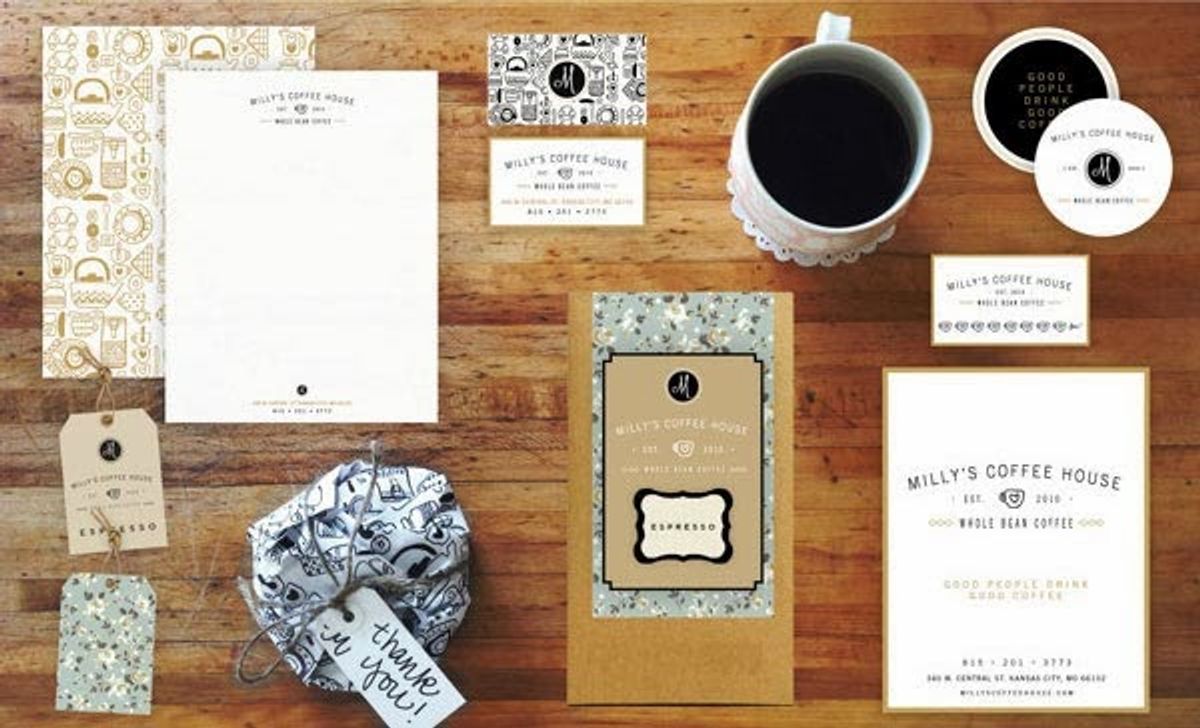
In today’s competitive market, a unique brand identity is crucial for standing out, and visual storytelling is a key strategy in crafting such an identity. Visual storytelling in branding goes beyond mere aesthetics; it weaves a compelling narrative through imagery and design elements that encapsulate a brand’s essence, values, and unique selling points. This article explores how to create a distinctive brand identity through the art of visual storytelling, examining the role of consistent visual language, strategic design, digital platforms, collaborations with creative agencies, and the measurement of visual branding’s impact.
Key Takeaways
- Defining a brand’s visual language is essential to communicate its story, culture, and values consistently across various platforms.
- Strategic design, including the careful selection of color and typography, can create memorable brand experiences that resonate with consumers.
- Optimizing a brand’s digital presence, particularly on social media and websites, is crucial for engaging storytelling and deeper audience connection.
- Collaborating with creative agencies can enhance storytelling by integrating expert design skills and external insights with brand objectives.
- Measuring the impact of visual storytelling through KPIs and audience feedback is vital for adapting strategies and ensuring the brand’s visual identity evolves over time.
The Art of Visual Storytelling in Branding

Defining Your Brand’s Visual Language
In the realm of branding, visual storytelling is more than just aesthetics; it’s about forging a deep connection with your audience. A brand’s visual language is the alphabet of this connection, comprising elements like logos, color schemes, typography, and imagery. These components work in harmony to convey the brand’s core values and personality.
To begin crafting your brand’s visual language, consider the following steps:
- Identify the emotions and values you want your brand to evoke.
- Choose colors and fonts that align with these emotions and values.
- Develop a logo that encapsulates your brand’s essence.
- Create a consistent style for your imagery that reflects your brand’s narrative.
Maintaining a cohesive visual language across all mediums ensures that your brand is immediately recognizable and resonates with your audience on an emotional level. It’s not just about looking good; it’s about creating a feeling of trust and familiarity.
Once your visual language is defined, it becomes the foundation for all your branding efforts, from marketing campaigns to product design. It’s a powerful tool that, when used effectively, can differentiate your brand in a crowded marketplace.
Crafting a Narrative with Images
In the realm of branding, visual storytelling is not just about displaying images; it’s about conveying a brand’s essence through a visual narrative. Crafting a narrative with images involves more than selecting attractive visuals; it requires a deep understanding of the brand’s core values and the message it aims to communicate.
Authenticity is key in visual storytelling. Brands should strive to capture genuine moments that reflect their ethos and values, avoiding artificial or staged imagery. This authenticity fosters trust and connection with the audience. Eliciting emotions through imagery is equally important, as emotions are the heart of compelling storytelling. Photographers and designers should aim to evoke a range of emotions—joy, nostalgia, awe, or introspection—through their visuals, creating a visceral response from viewers.
Consistency across various platforms is crucial for reinforcing the brand narrative. By using a consistent visual language, brands can create a seamless experience for their audience, making the brand identity more memorable and impactful.
Here are key strategies for effective visual narratives:
- Capturing authentic moments that resonate with viewers.
- Eliciting a range of emotions through imagery.
- Using a consistent visual language across all platforms.
- Thoughtfully selecting templates and designs that align with the brand identity.
- Leveraging story-driven captions to enhance the visual message.
- Fostering meaningful interactions on social media platforms.
Consistency Across Platforms
Once a visual identity resonates with your audience, ensuring consistency across all platforms becomes essential for brand recognition. This uniformity should permeate every aspect of your brand’s presence, from your website to social media, and all marketing materials. Consistency in colors, fonts, and imagery, along with a steadfast adherence to your brand’s visual language, solidifies your identity and fosters trust with your audience.
Maintaining a consistent brand image requires a strategic approach. Here are some key steps to achieve this:
- Cross-Promote with Consistency: Utilize tools like Canva to create cohesive visuals that can be adapted for various platforms while maintaining your brand’s core identity.
- Leverage Multi-Format Content: Embrace the diverse content formats preferred by different platforms to maximize engagement, creating videos, carousels, infographics, and stories.
- Implement Story Arcs Across Platforms: Develop a content strategy that tells a story over time, weaving a narrative that spans across the various channels where your brand is present.
By meticulously planning your content and design elements, you can create a seamless brand experience that captivates and retains your audience, no matter where they encounter your brand.
Strategic Design for Memorable Brand Experiences

Incorporating Brand Values into Design
In the realm of visual branding, the integration of brand values into design is not just about aesthetics; it’s about embedding the essence of the brand into every visual element. Craft a compelling visual narrative for your brand by aligning design elements with the core message, using consistent visuals, interactive elements, and simplicity for engaging storytelling. This approach ensures that the brand resonates with its audience on a deeper level, fostering a strong emotional connection.
The design process should be a reflection of the brand’s identity, with each design choice mirroring the values and ethos the brand stands for. It’s a meticulous blend of strategy and creativity that results in a visual language unique to the brand.
To achieve this, consider the following steps:
- Identify the core values and mission of your brand.
- Translate these values into visual concepts.
- Develop a design strategy that incorporates these concepts consistently across all platforms.
- Use color, typography, and imagery to reinforce the brand’s message.
- Ensure that the user experience aligns with what the brand represents.
By meticulously weaving brand values into the design, businesses can create a distinctive and memorable brand identity that stands out in the marketplace.
The Role of Color and Typography
The strategic use of color and typography is fundamental in shaping a brand’s identity. Color psychology plays a crucial role, as different hues can evoke various emotions and associations. For instance, blue is often associated with trust and dependability, which is why it’s frequently used by financial institutions. Similarly, yellow can invoke feelings of optimism and creativity, making it a fitting choice for innovative brands.
Typography also contributes significantly to brand perception. The style of fonts used should resonate with the brand’s voice and values, creating a cohesive visual language that speaks to the audience. Whether it’s the elegance of serif fonts or the modernity of sans-serif, typography can enhance the narrative that a brand aims to convey.
Consistency in these visual elements across all platforms ensures a unified brand experience that can foster recognition and loyalty.
Understanding and implementing these design principles can lead to a more memorable and engaging brand presence, both online and offline.
User Experience and Brand Perception
The intersection of user experience (UX) and brand perception is pivotal in creating a lasting impression on customers. A positive user experience builds trust and fosters a connection between the user and the brand, turning first-time users into loyal customers.
By meticulously crafting every touchpoint, from website navigation to the checkout process, brands can convey their values and ethos, ensuring a seamless and enjoyable journey for the user.
Understanding the role of color psychology and typography in branding is also crucial. These elements are not just aesthetic choices; they are powerful tools that influence how a brand is perceived. For instance, color can evoke emotions and set the tone for user interactions, while typography can affect readability and the overall user interface (UI) design.
To measure the effectiveness of UX in branding, consider the following metrics:
- Conversion Rates: The percentage of users who take the desired action.
- Bounce Rates: The rate at which new visitors navigate away from the site.
- User Retention: The rate at which existing users return to the site.
- Net Promoter Score (NPS): A measure of customer loyalty and satisfaction.
These indicators help brands to assess and refine their UX strategies, ensuring that they align with the desired brand image and customer expectations.
Leveraging Digital Platforms for Brand Storytelling

Optimizing Social Media Presence
In the age of digital branding, social media platforms are the battlegrounds where visual identities are forged and tested. Each platform offers distinct opportunities to present your brand’s story through tailored content that resonates with your audience. For example, Instagram’s visual-centric format is ideal for high-quality imagery and storytelling through Stories, while YouTube’s long-form video content can delve deeper into your brand’s narrative.
By leveraging analytics tools and paying close attention to metrics, brands can refine their visual storytelling, ensuring that posts are designed to maximize engagement and contribute to business goals.
Creating a cohesive and memorable social media presence requires a strategic approach. Here’s a simple checklist to ensure your brand’s visual storytelling is optimized on social media:
- Align content with your brand’s visual language
- Use platform-specific features to enhance storytelling
- Monitor engagement and use feedback to improve
- Maintain consistency across all social media platforms
Make your brand storytelling unforgettable by using feedback from your audience on social media. This direct line of communication is invaluable for understanding what captivates your audience and how to better weave your visual narrative into their daily lives.
Creating Impactful Website Experiences
In the digital age, a brand’s website is often the first point of interaction with potential customers, making it a critical component of visual storytelling. A well-designed website should not only be visually appealing but also embody the brand’s narrative, guiding visitors through a seamless journey that reflects the brand’s values and mission.
To create an impactful website experience, every element must be meticulously crafted to engage users emotionally and cognitively, ensuring that the narrative unfolds coherently across every page.
A photographer’s website, for example, should be more than just a digital storefront; it must evoke the artistry and passion behind the lens, encouraging visitors to explore and connect with the work. Similarly, for a tech company, the website should highlight innovation and efficiency, with clean lines and interactive elements that convey a sense of cutting-edge technology.
- Consistency is key across all platforms, ensuring a unified brand message.
- Crafting a narrative with images and animations can evoke specific emotions.
- Optimizing for mobile devices is essential for a seamless browsing experience.
By integrating these principles, brands can create memorable website experiences that resonate with their audience and leave a lasting impression.
Utilizing Video Content for Deeper Engagement
Video content stands as a powerful tool in the arsenal of visual storytelling, offering a dynamic way to convey your brand’s message and values. It’s not just about the visuals; it’s the combination of sound, motion, and narrative that creates an immersive experience, capable of evoking emotions and building a deeper connection with your audience.
The interactive nature of video content encourages engagement from viewers, whether it’s through likes, comments, or shares, fostering a sense of community around your brand.
By leveraging different types of video content such as branded series, customer testimonials, or behind-the-scenes footage, brands can build trust and credibility with their target audience. Continuous iteration and optimization of video content allow for data-driven decisions to improve engagement and outcomes.
Here are some steps to consider when utilizing video content for deeper engagement:
- Define the core message and goals for your video content.
- Choose the right platform(s) for distribution to reach your intended audience.
- Measure the impact using key performance indicators like view count, engagement rate, and conversion rate.
Collaboration with Creative Agencies for Enhanced Storytelling

The Benefits of Partnering with Design Experts
Partnering with design experts offers a multitude of advantages for brands looking to elevate their visual storytelling. Design agencies bring a wealth of experience and creativity to the table, ensuring that every aspect of your visual branding is cohesive, impactful, and aligned with your brand’s core values and goals. This collaboration can be particularly beneficial for crafting compelling brand narratives that resonate with audiences and stand out in a crowded marketplace.
By collaborating with a Brand Strategy Agency, you can benefit from their expert insights and innovative approaches, ensuring your brand makes a lasting impression.
High-quality visual content, including professional photography, videography, and graphic design, is paramount in telling your brand’s story in a visually compelling way. These elements not only capture attention but also communicate professionalism and credibility. Agencies specialize in transforming these visual elements into a narrative that evokes strong emotional connections with the target audience.
Here’s what you can expect when partnering with a creative agency:
- Seamless integration of the agency’s vision with your brand goals
- Assurance of code quality and adherence to industry standards
- Performance optimization for a smooth user experience
- Customized management interfaces for easy content updates
- Development of custom functionalities to meet unique brand needs
Integrating External Visions with Brand Goals
When a brand chooses to collaborate with creative agencies, the integration of external visions with brand goals becomes a critical step. It’s about striking a balance between fresh, innovative ideas and the core message that your brand carries. To achieve this, a structured approach is essential:
- Discovery: Understanding the brand’s mission, values, and target audience.
- Strategy Development: Aligning the agency’s creative vision with the brand’s objectives.
- Design and Execution: Crafting visuals that resonate with both the brand’s identity and the agency’s creative input.
- Quality Assurance: Ensuring consistency and quality across all visual elements.
- Post-Launch Monitoring: Keeping an eye on the brand’s visual presence and making necessary adjustments.
By adhering to this process, brands can ensure that every aspect of their visual branding is cohesive, impactful, and aligned with their core values and goals. Collaborating with a Brand Strategy Agency can bring expert insights and innovative approaches, ensuring your brand makes a lasting impression in a crowded marketplace.
Establishing and maintaining a compelling visual presence is an ongoing process that demands creativity, strategy, and attentiveness. Leveraging expert insights from Brand Strategy Agencies and investing in high-quality visual content are pivotal in differentiating your brand.
Case Studies: Successful Agency Collaborations
The collaboration between brands and creative agencies often leads to groundbreaking visual storytelling that resonates with audiences. Case studies highlight the power of storytelling in brand strategy, demonstrating how a well-executed visual identity can captivate and engage. Agencies bring a mix of creativity, experience, and strategic thinking to the table, ensuring that the visual narrative is not only beautiful but also meaningful and aligned with the brand’s core values.
Visual identity design must align with brand values for lasting impact and audience connection.
For instance, Red Giant Media Agency’s use of audiovisual elements in experiential marketing has set a new standard for engaging brand narratives. Their dynamic approach, featuring videos and interactive presentations, has helped clients carve out a distinct presence in the market. Similarly, AM2’s partnership with Ford Croatia and Hyundai Croatia through the Grand Automotive Group exemplifies a seamless integration of external vision with brand goals, leading to a redefined business partnership that is both devoted and reliable.
The following list showcases a selection of successful collaborations that have left a lasting impression:
- Red Giant Media Agency’s innovative audiovisual campaigns
- AM2’s custom WordPress theme development for GATE’s NFT project
- The collaborative UX/UI strategy implementation for leading Magento eCommerce agency, INCHOO
- The design and development of a new website for the Croatian Geological Society by GEOLOGIJA
These examples not only reflect the agencies’ ability to deliver top-quality products but also their commitment to a process that is professional, communicative, and transparent, ensuring a stress-free experience for their clients.
Measuring the Impact of Visual Storytelling on Brand Identity
Key Performance Indicators for Visual Branding
To gauge the success of visual branding efforts, Key Performance Indicators (KPIs) are essential. They provide measurable values that reflect the effectiveness of visual content in achieving brand objectives. Here are some of the primary KPIs to consider:
- Engagement Rates: Tracks how users interact with visual content across various platforms.
- Brand Recall: Measures the ability of consumers to recognize and remember the brand.
- Conversion Rates: Indicates the percentage of users who take a desired action after interacting with visual content.
- Social Shares: Reflects the virality and shareability of visual elements.
By monitoring these KPIs, brands can make data-driven decisions to enhance their visual storytelling and strengthen their brand identity.
It’s also crucial to align these indicators with overall business goals to ensure that visual branding contributes to the broader objectives. Regular analysis and refinement based on KPIs will help maintain a dynamic and impactful visual brand presence.
Analyzing Audience Engagement and Feedback
To gauge the success of visual storytelling, analyzing audience engagement and feedback is essential. Brands can track metrics such as likes, shares, comments, and overall interaction to understand how their content is resonating with the audience. High engagement rates are indicative of a narrative that connects with viewers and encourages participation.
By closely monitoring these metrics, brands can identify which aspects of their visual storytelling are most effective and which areas may need refinement.
Understanding your audience‘s preferences and interests is key to creating visuals that resonate. Keeping content simple and relatable can significantly enhance its relatability and impact. Here’s a snapshot of key engagement metrics to consider:
| Metric | Description |
|---|---|
| Engagement Rate | Likes, comments, shares, and saves. |
| Reach | Unique users who see your content. |
| Impressions | How many times your content is displayed. |
These metrics not only reflect the current state of audience engagement but also provide insights for future content strategies. By adapting visual elements based on feedback and engagement data, brands can create a more compelling and effective brand narrative.
Adapting and Evolving Visual Strategies
In the dynamic landscape of visual branding, adapting and evolving strategies is essential for maintaining a strong brand identity. As market trends shift and audience preferences change, brands must be agile, continuously refining their visual storytelling to stay relevant and engaging.
Establishing a Strong Connection with Your Audience is a powerful tool when it comes to building and solidifying your brand identity.
Regular analysis of visual content performance is crucial. Brands should leverage analytics to understand which aspects resonate with their audience and which need rethinking. This iterative process involves testing different visual elements, from color schemes to imagery styles, and assessing their impact on engagement and conversion rates.
Here are some steps to ensure your visual strategy remains effective:
- Monitor audience feedback and social media engagement.
- Stay updated with the latest design trends and technologies.
- Conduct A/B testing to compare different visual approaches.
- Review and update the brand’s visual language periodically.
By embracing change and viewing your visual identity as a living entity, you can ensure that your brand continues to tell a compelling story that aligns with your core values and resonates with your audience.
Visual storytelling is a powerful tool that can transform your brand’s identity and connect with your audience on a deeper level. By harnessing the art of visual narratives, you can convey your brand’s message and values in a way that resonates and sticks with your customers. To learn more about how we can help you leverage visual storytelling to enhance your brand identity, visit our website and explore our range of services, from custom WordPress development to eCommerce solutions. Let’s create a visual story that sets your brand apart. [Visit us now] to start your journey towards a more impactful brand presence.
Embracing the Narrative: The Future of Brand Identity
In conclusion, visual storytelling is not just an aesthetic choice but a strategic tool for building a unique brand identity. It allows brands to weave a compelling narrative that resonates with their audience, creating an emotional connection that transcends traditional marketing. By consistently integrating storytelling into every visual element, from website design to social media content, brands can establish a memorable presence that stands out in the competitive digital landscape. The future of branding is undeniably narrative-driven, and those who master the art of visual storytelling will lead the way in capturing the hearts and minds of consumers.
Frequently Asked Questions
What is visual storytelling in the context of branding?
Visual storytelling in branding is the practice of using images, graphics, colors, and other visual elements to craft a narrative that conveys a brand’s identity, values, and message in a compelling and memorable way.
How can consistency across platforms enhance brand identity?
Consistency across platforms ensures that a brand is immediately recognizable and reinforces brand identity by providing a coherent and unified experience, regardless of where the audience encounters the brand.
Why is it important to incorporate brand values into design?
Incorporating brand values into design helps to communicate what the brand stands for, builds trust with the audience, and differentiates the brand from competitors by highlighting its unique ethos.
How can leveraging digital platforms improve brand storytelling?
Digital platforms offer diverse and interactive ways to present visual content, reach a wider audience, and engage users more deeply through multimedia storytelling, social media campaigns, and dynamic website experiences.
What role do creative agencies play in visual storytelling?
Creative agencies bring expertise in design and marketing to help brands develop strong visual narratives, create cohesive branding materials, and execute strategic campaigns that resonate with the target audience.
How do you measure the impact of visual storytelling on brand identity?
The impact can be measured through key performance indicators (KPIs) such as brand recognition, audience engagement, website traffic, social media metrics, and customer feedback, which reflect the effectiveness of storytelling efforts.