Creating Unique Brand Identity through Visual Storytelling

In the fast-paced digital age, creating a unique brand identity is more crucial than ever. Visual storytelling emerges as a powerful strategy to captivate audiences and convey a brand’s essence. Through the use of compelling visuals and cohesive narratives, brands can forge emotional connections and differentiate themselves in the marketplace. This article explores the various facets of building a distinctive visual brand identity and integrating it into marketing strategies to engage customers effectively.
Key Takeaways
- Visual storytelling is a potent tool for enhancing audience engagement and building a memorable brand identity.
- A brand’s visual identity should be consistent across all platforms to reinforce brand recognition and convey core values.
- Incorporating multimedia and interactive content can create more dynamic and engaging brand narratives.
- It is essential to balance creativity with brand consistency to maintain a coherent image while innovating.
- Emerging technologies like AR and VR, along with user-generated content, are shaping the future of visual brand storytelling.
The Power of Visuals in Brand Storytelling

Understanding the Impact of Visuals on Audience Engagement
The adage ‘a picture is worth a thousand words’ holds true in the realm of brand storytelling. Visuals can convey complex messages quickly and effectively, often creating a more lasting impression than text alone. Incorporating visual storytelling elements in your content is crucial as visuals have a unique ability to captivate attention and engage audiences more rapidly. This is not just an artistic choice; it’s backed by science. Our brains are wired to process visual content—from graphics to videos—plays a vital role in storytelling and emotion, with research showing that we can grasp visual scenes in less than a tenth of a second.
Visual storytelling is not merely about adding pictures to your content; it’s about weaving a visual narrative that resonates with your audience and amplifies your brand’s message.
To understand the effectiveness of visuals, consider the following points:
- Visuals help to break down language barriers and communicate universally.
- They can evoke emotions and drive engagement more effectively than text.
- Visuals make content more shareable on social media, increasing reach.
- They can simplify complex information, making it more accessible.
By leveraging the power of visuals, brands can create a more immersive and memorable experience for their audience, which is essential in today’s fast-paced digital landscape.
Leveraging Multimedia for a Cohesive Brand Narrative
In the realm of brand storytelling, multimedia elements are indispensable tools for creating a cohesive and engaging narrative. By integrating various forms of media, such as images, videos, and interactive content, brands can craft a multi-dimensional experience that captivates the audience and reinforces the brand message.
A well-orchestrated multimedia strategy can transform a static message into a dynamic story that unfolds across different platforms, each medium contributing its unique strength to the overall narrative.
For instance, a brand might use a compelling video to introduce a new product, followed by a series of high-quality images on social media to highlight its features. Interactive elements, such as quizzes or augmented reality experiences, can further immerse the consumer in the brand’s world, making the story not just heard, but experienced.
To illustrate the effectiveness of multimedia in brand storytelling, consider the following examples:
- AM2 Studio utilizes strategic web development and client testimonials to showcase their commitment to quality and innovation.
- A winter festival leverages a beautifully designed, easy-to-navigate website to help families discover the event, enhancing the overall experience.
These examples demonstrate how a diverse range of multimedia can be seamlessly integrated to create a powerful brand narrative that resonates with consumers.
Case Studies: Successful Visual Storytelling Campaigns
Visual storytelling is not just an art; it’s a strategic tool that can significantly enhance a brand’s presence. Visual storytelling enhances brand engagement, awareness, and loyalty, as seen in various successful campaigns. For instance, the GLOW CHRISTMAS website transformed a winter festival into an immersive experience, leading to increased family engagement. Similarly, the ARDEA real estate project leveraged custom design to reflect the vibrancy of Vancouver’s River District, resonating with the target audience.
Consistent narratives create emotional connections, leading to increased engagement and conversion rates.
The table below showcases a selection of projects that utilized visual storytelling effectively:
| Project | Industry | Visual Strategy |
|---|---|---|
| WHITE RABBIT (NFT) | Metaverse | Custom Design Strategy |
| INCHOO | eCommerce | UX/UI Strategy Implementation |
| GEOLOGIJA | Geological Society | Custom Design |
| POWERSAFE | Power Services | Design & UX Strategy |
Each project demonstrates a tailored approach to visual storytelling, aligning with the brand’s core values and marketing objectives. By analyzing these case studies, businesses can gain insights into developing their unique visual narrative that captivates and converts.
Crafting a Visual Identity for Your Brand
Defining Brand Personality through Design Elements
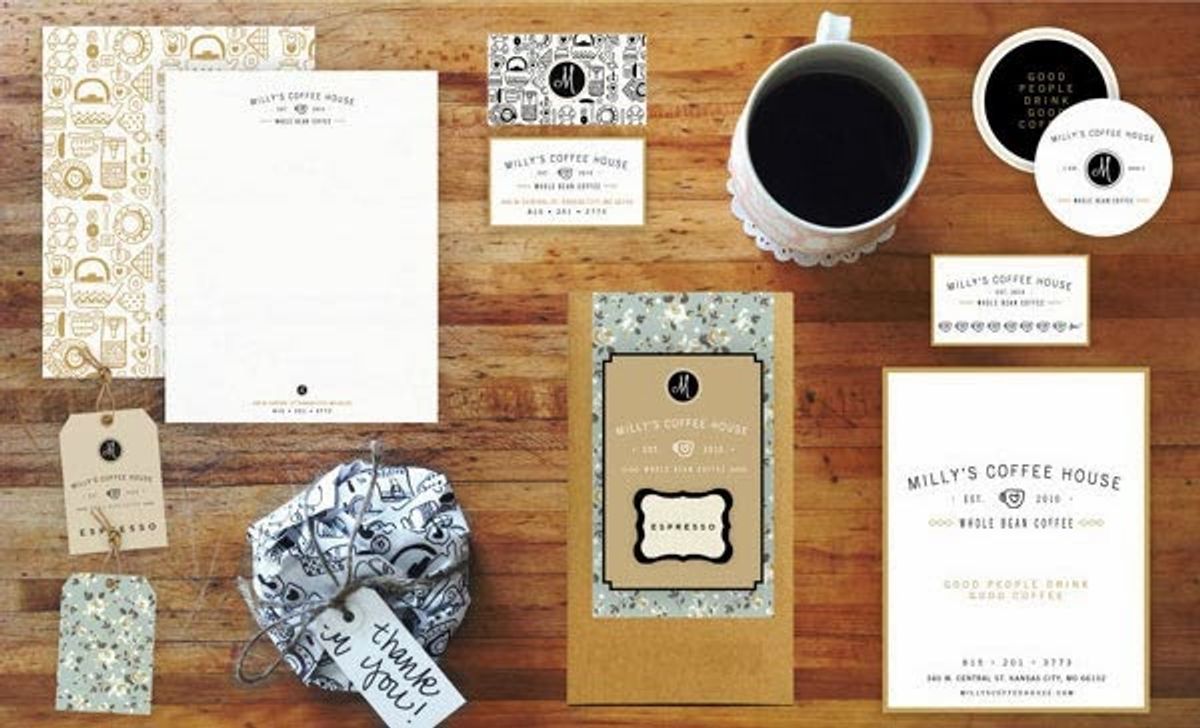
A brand’s visual identity is more than just a logo or color scheme; it’s the embodiment of the brand’s personality and values, communicated through design. Defining your brand’s personality through design elements is a critical step in creating a unique and recognizable brand identity. By incorporating key design elements such as color, typography, and imagery, you can shape customer perceptions and establish a lasting brand identity.
-
Color Psychology: Colors have the power to evoke emotions and set the tone for your brand. Choose colors that align with your brand values and resonate with your target audience.
-
Typography: The fonts you select convey subtle messages about your brand. Whether you choose modern, traditional, or whimsical fonts, ensure they reflect your brand’s character.
-
Imagery: The images you use should complement your brand story and connect with your audience on an emotional level.
By carefully selecting each design element, you can craft a visual narrative that speaks to the heart of your brand and engages your audience in a meaningful way.
Remember, consistency is key. All visual elements should work together harmoniously across all platforms to reinforce your brand identity and ensure brand recognition.
Consistency Across Platforms: Ensuring Brand Recognition
Achieving brand consistency across various platforms is essential for building a recognizable and trusted brand identity. It’s not just about using the same logo or color scheme; it’s about ensuring that every aspect of your brand’s visual presence aligns with your core values and messaging. This uniformity helps to create a seamless experience for your audience, no matter where they encounter your brand.
To maintain this consistency, it’s crucial to establish a set of brand guidelines that detail the use of logos, colors, typography, and imagery. These guidelines serve as a roadmap for anyone who creates content for your brand, ensuring that all materials reflect a cohesive brand narrative. Regularly evaluate and adjust your brand presences to ensure consistent representation across all platforms.
Visual consistency in branding is crucial for audience engagement. By adhering to a clear set of guidelines, you can foster a strong brand identity that resonates with your audience and stands out in a crowded marketplace.
Here are some steps to ensure consistency across all touchpoints:
- Develop comprehensive brand guidelines that are easily accessible to your team.
- Conduct regular audits of your brand’s online and offline presence.
- Provide training for your team on the importance of brand consistency.
- Implement a review process for all branded materials before they go live.
- Utilize tools and software that help maintain visual consistency.
Utilizing Color Psychology and Imagery to Convey Brand Values
The strategic use of color can evoke specific emotions and associations, making it a powerful tool in visual storytelling. By understanding color psychology, brands can align their visual language with their core values, creating a more impactful and memorable identity. For instance, blue often conveys trust and dependability, while green is associated with growth and health.
When selecting imagery, it’s crucial to reflect the brand’s personality and message. The right combination of colors, fonts, and imagery can communicate a brand’s message without the need for words. Here’s a simple guide to help you start with color psychology in your marketing:
- Learn the essentials of color psychology
- Begin with the emotion you want to evoke
- Draw inspiration from other successful brands
- Ensure consistency with your existing branding
- Tailor your color choices to your brand’s unique story
Consistency across all platforms is key to establishing a strong, recognizable brand identity. It’s not just about the right shade of color or the perfect image; it’s about creating a cohesive experience that resonates with your audience.
Remember, the goal is to weave your brand values into the visual narrative seamlessly. This approach not only strengthens brand recognition but also fosters a deeper connection with your audience.
Integrating Visual Storytelling in Marketing Strategies

Aligning Visual Content with Marketing Goals
To ensure that visual content effectively supports marketing objectives, it’s crucial to establish a clear alignment between the two. Visuals must resonate with the brand’s core values and be strategically designed to drive the desired consumer action. This involves a deep understanding of the target audience and the creation of visuals that not only capture attention but also reinforce the brand’s message.
A well-defined visual marketing strategy should include:
- Identification of key marketing goals
- Understanding of the target audience’s preferences
- Selection of appropriate visual mediums (e.g., images, videos, infographics)
- Consistent branding across all visual content
- Regular analysis and optimization based on performance metrics
By meticulously aligning visual content with marketing goals, brands can create a distinctive identity that not only differentiates them from competitors but also fosters a deeper connection with consumers.
It’s not enough to have visually appealing content; the visuals need to serve a purpose and contribute to the overall marketing strategy. Whether it’s increasing brand awareness, driving sales, or educating customers, each piece of visual content should be a strategic piece of the marketing puzzle.
Interactive Content: Engaging Users Beyond Static Images
In the realm of digital marketing, interactive content stands as a beacon of innovation, inviting users to engage with a brand in a more meaningful way. Unlike static images, interactive elements such as quizzes, polls, and calculators invite participation, creating a two-way dialogue between the brand and its audience. This engagement is crucial for deepening customer relationships and fostering brand loyalty.
To truly captivate your audience, it’s essential to integrate UGC for enhanced engagement, choose relevant, high-quality visual media, and incorporate interactive elements to engage viewers effectively.
Interactive infographics, for example, improve upon traditional visuals by offering dynamic visualizations with clickable content. These can be particularly effective for lead generation, as they not only inform but also invite users to interact, providing immediate value and a memorable brand experience. Below is a list of interactive content types that can be integrated into your marketing strategy:
- Quizzes and polls
- Interactive infographics
- Calculators and configurators
- Interactive videos
- Virtual tours and 360-degree views
Each of these formats has the potential to significantly boost user engagement and conversion rates. By aligning these interactive experiences with your marketing goals, you can create a compelling narrative that resonates with your audience and drives action.
Measuring the Effectiveness of Visual Storytelling in Campaigns
To gauge the success of visual storytelling, brands must look beyond surface-level metrics and delve into engagement metrics. These indicators provide insights into how audiences interact with visual content, reflecting its ability to captivate and hold attention. Engagement can be measured through likes, shares, comments, and the time spent on a page.
A structured approach to measurement might include setting up a dashboard that tracks key performance indicators (KPIs). Here’s an example of what that might look like:
| KPI | Baseline | Target | Actual |
|---|---|---|---|
| Page Views | 10,000 | 15,000 | 13,500 |
| Social Shares | 500 | 750 | 820 |
| Average Time on Page | 2 min | 3 min | 2 min 30 sec |
By consistently monitoring these KPIs, brands can iterate and improve their visual storytelling techniques, ensuring that their narratives resonate with their audience and drive the desired actions.
It’s also crucial to align these metrics with overall marketing goals to assess whether the visual content contributes to the broader objectives, such as increasing brand awareness or driving sales. This alignment ensures that visual storytelling is not just creative but also strategic and results-driven.
Overcoming Challenges in Visual Storytelling

Navigating the Balance Between Creativity and Brand Consistency
In the realm of visual storytelling, striking the right balance between creativity and brand consistency is a delicate art. On one hand, brands must innovate and captivate with fresh, creative ideas. On the other, they must maintain a consistent identity that resonates with their audience and reinforces brand recognition.
- Simplicity in design helps audiences quickly understand your message.
- Consistency across all platforms ensures your brand is easily recognizable.
- Balance in visual elements can make your content more appealing.
- Emphasis on the right aspects of your story can guide audience emotions.
To create compelling visual stories, it’s important to understand and apply key design principles. These include simplicity, consistency, balance, emphasis, and more.
Brands often face the challenge of evolving their visual narrative without straying too far from their established image. This requires a deep understanding of the brand’s core values and the ability to translate them into visual content that still feels fresh and relevant.
Addressing the Short Attention Spans of Digital Audiences
In the digital age, capturing and maintaining the attention of audiences is a formidable challenge for brands. Short attention spans demand content that is not only visually appealing but also immediately engaging. To address this, brands must craft a unique brand identity through visual storytelling, incorporating core brand values, characters, consistent design elements, and interactive features for engaging audience participation.
To keep users interested, it’s essential to deliver content that resonates on an emotional level and provides value. This could mean creating interactive experiences that invite participation or designing visuals that tell a compelling story at a glance.
Here are some strategies to consider:
- Utilize quick, captivating visuals to grab attention.
- Incorporate storytelling elements that align with the brand’s message.
- Design interactive elements that encourage user participation.
- Ensure content is easily digestible and shareable.
- Use analytics to understand what captures and keeps audience attention.
By implementing these tactics, brands can create memorable experiences that not only attract but also retain the interest of their audiences in a crowded digital landscape.
Legal Considerations: Copyrights, Trademarks, and Permissions
When creating a visual identity for your brand, it’s crucial to navigate the complex landscape of intellectual property laws. Trademark law is not concerned about whether artistic expression has been copied. Instead, it focuses on protecting the distinctive function of a logo or design as a brand identifier. This means that while your brand’s visuals can be unique and creative, they must not infringe on existing trademarks that could cause confusion among consumers.
Copyright law, on the other hand, protects original works of authorship, including graphics, photographs, and written content. Ensuring that all visual elements used in your branding are either owned or properly licensed is essential to avoid legal pitfalls. Here’s a brief checklist to consider:
- Verify the originality of your brand’s logo and design elements.
- Conduct a thorough trademark search to avoid potential conflicts.
- Secure the necessary permissions or licenses for any third-party content.
- Be aware of copyright expiration dates and terms for any licensed material.
Navigating these legal considerations requires due diligence and, often, professional legal advice. By proactively addressing these issues, you can safeguard your brand’s visual identity and maintain its integrity in the marketplace.
Remember, the consequences of overlooking these legal aspects can be severe, ranging from costly litigation to a damaged brand reputation. Therefore, it’s imperative to integrate legal checks into your brand’s visual storytelling strategy from the outset.
Future Trends in Visual Brand Storytelling

The Rise of Augmented Reality (AR) and Virtual Reality (VR)
The integration of Augmented Reality (AR) and Virtual Reality (VR) technologies is revolutionizing the way brands engage with their audiences. By creating immersive experiences, companies can showcase their products and services in a dynamic and interactive manner, leading to deeper emotional connections and memorable brand encounters.
Brands are now able to offer virtual try-ons, interactive tours, and gamified elements that transform traditional marketing into a captivating journey. This not only enhances the user experience but also provides valuable data on consumer interactions.
The potential of AR and VR in visual storytelling is vast, with applications ranging from virtual showrooms to interactive storytelling. Here’s a glimpse into how these technologies are being utilized:
- Virtual Showrooms: Customers can explore products in a 3D environment, getting a feel for size, design, and functionality without physical constraints.
- Interactive Storytelling: Narratives that allow users to become part of the story, making choices that influence the outcome.
- Training and Education: Immersive learning experiences that can simulate real-world scenarios for more effective training.
- Live Events: Enhanced live experiences with virtual overlays that provide additional information or entertainment.
As these technologies continue to mature, they will become an integral part of the marketing mix, offering new ways to deliver content that is not only engaging but also highly personalized to meet modern consumer trends.
Incorporating User-Generated Content for Authentic Narratives
In the realm of visual storytelling, user-generated content (UGC) has emerged as a powerful tool for brands to foster authenticity and deepen customer engagement. By showcasing real stories and experiences from customers, brands can create a more relatable and trustworthy image.
To effectively incorporate UGC, consider the following steps:
- Encourage customers to share their experiences with your brand through social media and branded hashtags.
- Curate and feature standout UGC across your marketing channels, ensuring it aligns with your brand’s values and aesthetic.
- Recognize and reward contributors to motivate ongoing participation and community building.
Embracing UGC not only enhances your brand’s narrative but also empowers customers to become brand ambassadors, amplifying your reach and impact.
While UGC can significantly boost your brand’s relatability, it’s crucial to maintain a balance. Ensure that the content aligns with your brand identity and messaging, and always obtain the necessary permissions before sharing user content.
Predicting the Next Big Thing in Visual Branding
As we look to the future of visual branding, it’s clear that innovation will continue to drive the industry forward. With the digital landscape evolving at an unprecedented pace, brands must stay ahead of the curve to capture and retain consumer attention.
One trend that is gaining momentum is the integration of augmented reality (AR) and virtual reality (VR) into marketing strategies. These technologies offer immersive experiences that can transform how consumers interact with brands. For instance, AR can bring products to life in a consumer’s own environment, while VR can transport them to a fully branded virtual space.
Another significant shift is the rise of authentic branding. Consumers are seeking real connections with brands, and companies are responding by crafting more genuine and transparent narratives. This move towards authenticity is not just a trend but a fundamental change in how brands communicate with their audiences.
The key to success in visual branding will be the ability to anticipate consumer needs and leverage emerging technologies to create compelling, memorable brand experiences.
Lastly, the importance of data-driven decision-making cannot be overstated. Brands that harness the power of analytics to measure the effectiveness of their visual storytelling will have a competitive edge. By understanding what resonates with their audience, they can refine their strategies for maximum impact.
As we look towards the horizon of digital storytelling, visual brand narratives are evolving at a rapid pace. To stay ahead of the curve and ensure your brand’s story captivates and engages, it’s crucial to partner with experts who can bring your vision to life. At our website, we specialize in crafting bespoke WordPress solutions and stunning eCommerce platforms that resonate with audiences and drive results. Don’t let your brand get left behind in the ever-changing landscape of online engagement. Visit our website to explore our services and start your journey towards a compelling brand story today.
Conclusion
In the realm of digital branding, visual storytelling emerges as a powerful tool to carve out a unique brand identity that resonates with audiences. By weaving together compelling narratives with striking visuals, brands can create immersive experiences that not only captivate but also foster a deeper connection with their consumers. The examples discussed throughout this article, from the enchanting NFT realms of White Rabbit to the robust digital presence of PowerSafe, illustrate the transformative impact of visual storytelling. These case studies underscore the importance of a cohesive design strategy, user experience, and custom development in crafting a narrative that aligns with a brand’s core values and objectives. As we’ve seen, the journey from concept to execution requires a harmonious blend of creativity, technical expertise, and strategic planning. For businesses looking to stand out in a crowded marketplace, investing in visual storytelling is not just an option—it’s an imperative for building a lasting and distinctive brand identity.
Frequently Asked Questions
How does visual storytelling differentiate a brand?
Visual storytelling differentiates a brand by creating a unique visual narrative that resonates with the audience, making the brand memorable and fostering an emotional connection.
What elements are crucial for crafting a brand’s visual identity?
Key elements include a consistent color scheme, typography, imagery, logo design, and overall aesthetic that align with the brand’s values and message.
Can visual storytelling improve audience engagement?
Yes, compelling visuals can capture attention, simplify complex messages, and make content more shareable, which increases engagement.
How can brands measure the effectiveness of their visual storytelling?
Effectiveness can be measured through engagement metrics, conversion rates, brand awareness surveys, and by analyzing the sentiment of audience feedback.
What are some challenges brands face with visual storytelling?
Challenges include maintaining brand consistency, adapting to different platforms, ensuring legal compliance with copyright laws, and capturing the increasingly short attention spans of audiences.
What is the future of visual storytelling for brands?
The future includes the integration of AR/VR, the use of user-generated content to enhance authenticity, and the adoption of new technologies that offer immersive and interactive experiences.