Implementing Robust Development Practices for Future-Proof Websites

In the dynamic field of web development, creating websites that stand the test of time requires a deep understanding of both foundational principles and emerging technologies. This article delves into the strategies and practices that are essential for building and maintaining websites that are not only resilient in the face of rapid technological change but also optimized for user engagement and satisfaction. By implementing robust development practices, web professionals can ensure their sites remain relevant, secure, and ahead of the curve in the ever-evolving digital landscape.
Key Takeaways
- A strong adherence to web standards and best practices lays the groundwork for building future-proof websites.
- Responsive design and cross-platform compatibility are crucial for providing a seamless user experience on all devices.
- Incorporating security measures and data protection protocols is essential to safeguard user information and maintain trust.
- Optimizing website performance and accessibility ensures higher engagement, satisfaction, and inclusivity for all users.
- Continuous improvement through agile methodologies and staying updated with cutting-edge technologies fortifies a website’s longevity.
Establishing a Solid Foundation for Web Development

Adhering to Web Standards and Best Practices
In the dynamic landscape of web development, adhering to coding best practices is crucial for creating scalable and maintainable websites. By following established standards, developers ensure that their work is compatible across different browsers and devices, leading to a lasting audience impression.
Embracing web standards promotes a shared understanding among developers, which facilitates collaboration and knowledge transfer.
Key aspects of best practices include semantic HTML for accessibility, CSS and JavaScript optimization for performance, and a commitment to progressive enhancement. These practices are not just about writing code; they’re about writing code that stands the test of time.
- Understanding the core components of successful web development
- Emphasizing design and functionality synergy
- Recognizing the importance of performance in user engagement
- Cultivating a robust technical foundation
- Acknowledging the role of developers in shaping digital experiences
Responsive Design and Cross-Platform Compatibility
In today’s digital landscape, responsive design is not optional; it’s essential. A website must fluidly adapt to different screen sizes and devices, ensuring a seamless user experience. This adaptability is critical for maintaining user engagement and meeting the expectations of a diverse audience.
- Mobile Devices: Smartphones, tablets
- Desktops: Various screen resolutions
- Wearables: Smartwatches, fitness bands
By prioritizing cross-platform compatibility, developers can create a cohesive experience that resonates with users regardless of their device.
Adopting agile methodologies and integrating the design and development processes are crucial steps towards achieving this goal. A skilled team that understands the nuances of various platforms will be instrumental in delivering a product that stands the test of time and technology shifts.
Security Measures and Data Protection Protocols
In the digital age, ensuring the security of user data is paramount. Businesses must be vigilant in implementing high-security measures to protect against cyber threats. A multi-layered approach to security, including firewalls, encryption, and multi-factor authentication, is critical for safeguarding sensitive information.
A robust backup strategy is equally important, providing a safety net against data loss or corruption. Regularly updating security protocols and educating staff on best practices for data security are essential steps in maintaining a secure online environment.
To illustrate the importance of security measures, consider the following examples:
- A financial institution might adopt modern encryption protocols to secure customer data, exceeding industry security standards.
- A healthcare provider could implement a modernized system to ensure patient data is compliant with the latest HIPAA regulations, safeguarding privacy and avoiding penalties.
- An e-commerce platform updates its payment processing system to comply with the latest PCI DSS standards, enhancing transaction security.
Businesses that stay informed and proactive in their security practices not only protect their assets but also build trust with their customers, which is invaluable for long-term success.
Optimizing User Experience for Sustained Engagement
Balancing Aesthetics with Usability
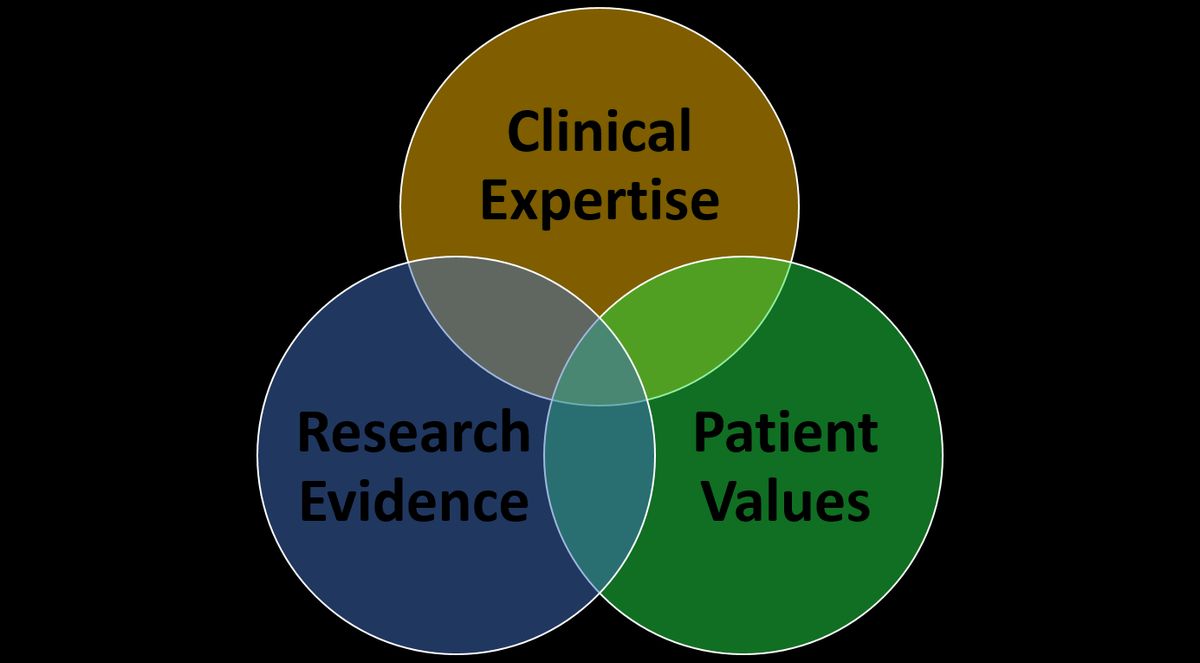
In the realm of web development, striking the right balance between aesthetics and usability is paramount. A visually stunning site that is difficult to navigate can frustrate users just as much as a user-friendly interface that lacks visual appeal. This balance requires a holistic approach, where designers consider both the visual and functional aspects of their creations.
The key is to create a website that is not only visually appealing but also intuitive and efficient, focusing on the user’s journey to ensure an engaging and satisfying online experience.
To achieve this, several user-centric design considerations must be taken into account:
- Prioritizing the end-user’s needs through design thinking and empathy.
- Ensuring that the website is logical, engaging, and easy to navigate.
- Implementing responsive design for optimal viewing across various devices.
- Balancing modernization with intuitive interactions for a seamless user experience.
By adhering to these principles, developers can forge digital experiences that captivate and deliver robust performance, ultimately leading to increased user satisfaction and business success.
Performance Tuning and Load Time Reduction
In the quest for a seamless user experience, performance tuning and load time reduction are essential. Web developers must employ a variety of optimization techniques to ensure that websites load quickly and run smoothly. One such technique is the minification of CSS, which can considerably reduce loading times as part of a build process.
Continuous monitoring and analysis are pivotal for maintaining optimal website performance. Tools like Google Analytics can provide insights into user interactions, highlighting areas that may need improvement.
To achieve this, developers can:
- Compress files using tools like Gzip to minimize the size of CSS, HTML, and JavaScript files.
- Minify code to eliminate unnecessary characters from source code without changing its functionality.
- Implement browser caching, allowing assets to be stored locally on a user’s device for faster retrieval on subsequent visits.
- Optimize images to maintain quality while reducing file size, thus enhancing load times.
These strategies, when applied diligently, can lead to a significant improvement in website performance, user satisfaction, and ultimately, conversion rates.
Accessibility and Inclusivity in Design
Creating a website that is accessible and inclusive is not just a legal requirement but a moral imperative. Ensuring that every user has a seamless experience regardless of their abilities is key to a truly universal web. This involves a meticulous approach to design and development, where accessibility features are not an afterthought but a fundamental aspect of the project.
- Use semantic HTML to provide meaningful structure.
- Implement ARIA (Accessible Rich Internet Applications) roles when necessary.
- Provide text alternatives for non-text content.
- Ensure that all interactive elements are keyboard accessible.
- Design with sufficient color contrast to accommodate users with visual impairments.
By embedding accessibility into the design process, we create an environment that welcomes all users, making the web a more inclusive place.
User-centered design requires ongoing commitment through user testing and feedback. Responsive and accessible web development is essential for quality user experience, achieved through techniques like semantic HTML and regular accessibility audits. Maintainability is crucial for updating and improving websites efficiently.
Leveraging Cutting-Edge Technologies and Frameworks

Exploring Front-End and Back-End Development Innovations
The evolution of web development technologies has been pivotal in shaping the digital landscape. Front-end frameworks like React, Angular, and Vue.js have revolutionized the creation of dynamic user interfaces, encapsulating complex features into reusable components for faster development cycles.
The separation of front-end and back-end responsibilities, particularly with the rise of headless CMS and API-first approaches, has led to a more flexible technology stack. This allows developers to select the best tools for the front-end without backend constraints.
On the back-end, innovations such as Node.js and Django have streamlined the development process, enabling the construction of scalable and efficient web applications. As we continue to explore new technologies, the drive towards digital innovation remains a cornerstone of web development.
Staying abreast of evolving web development trends is crucial for crafting impactful digital experiences. It’s not just about using the latest tools, but also about understanding how they can be integrated into a cohesive system that stands the test of time.
Integrating Headless CMS and API-Driven Solutions
The evolution of web development has ushered in an era where the separation of front-end and back-end responsibilities is not just a trend, but a strategic approach to building scalable and flexible websites. Headless CMS platforms, such as Contentful and Strapi, exemplify this shift, offering developers the freedom to select the most suitable frontend tools while ensuring seamless content delivery across various platforms.
By leveraging API-driven solutions, businesses can create a cohesive ecosystem that enhances the digital experience for users. This approach allows for the integration of diverse systems, including CRM and e-commerce platforms, to provide a personalized and evolving customer journey.
The benefits of adopting a headless architecture and API-first development are numerous. Below is a list highlighting some of the key advantages:
- Flexibility in choosing frontend technologies
- Scalability for future growth and feature integration
- Improved performance due to decoupled systems
- Enhanced security through isolated content management
- Easier maintenance and updates with independent layers
Embracing headless CMS and API-driven solutions is not just about keeping up with technological advancements; it’s about preparing for the future of web development and ensuring that your website remains robust and adaptable in the face of changing demands.
Staying Ahead with Progressive Web Apps (PWAs)
Progressive Web Apps (PWAs) represent a significant leap in the web development landscape, offering a blend of the best features from both web and mobile app experiences. PWAs are designed to work on any platform that uses a standards-compliant browser, providing a seamless user experience across devices and operating systems.
By leveraging service workers, PWAs can operate offline or on low-quality networks, ensuring that users have access to content at all times. This resilience contributes to sustained user engagement and satisfaction.
The adoption of PWAs can lead to measurable improvements in performance and user engagement. Here’s a brief overview of the benefits:
- Enhanced performance: Faster load times and smooth interactions, even on flaky networks.
- Increased engagement: Features like push notifications keep users informed and engaged.
- Reliability: Ability to work offline or with poor connectivity enhances user trust.
- Improved conversions: A streamlined experience can lead to higher conversion rates.
Embracing PWAs is a forward-thinking strategy that aligns with strategies for future-proof web development, such as adopting Agile methodologies and ensuring cross-browser compatibility. It’s a commitment to enhance website performance with user-centric design and regular maintenance, which can lead to improved user experience and SEO rankings.
Ensuring Longevity through Continuous Improvement

Implementing Agile Methodologies for Iterative Development
Agile methodologies are not just about following a set of procedures; they represent a culture of adaptability and responsiveness to change. By breaking down projects into manageable units, teams can focus on high-quality development, frequent testing, and continuous delivery. This approach allows for rapid iteration based on feedback, ensuring that the end product truly meets user needs and remains relevant over time.
Embracing agile practices means committing to continuous learning and improvement. It’s about building a development environment where innovation flourishes and teams are empowered to experiment and take calculated risks.
Key concepts of agile development include embracing change, prioritizing customer feedback, and maintaining a sustainable pace of work. These principles guide teams to produce better results in less time, often reducing development cycles from months to mere weeks without sacrificing quality. Continuous learning, innovation, and adapting to evolving technologies are essential for website resilience and relevance. Scalability and flexibility are key for future-proofing websites.
Regular Website Health Audits and Updates
To ensure the longevity and security of a website, regular health audits and updates are indispensable. A comprehensive website health audit checklist should encompass a performance review, security updates, SEO analysis, and usability evaluation. These audits highlight areas that require attention and help maintain the website’s integrity over time.
Regular updates, security scans, and backups are crucial for website maintenance and longevity.
In addition to audits, consistent updates play a critical role in safeguarding against vulnerabilities. This includes updating the core platform, plugins, and themes to their latest versions. Automated tools can streamline this process, providing peace of mind and freeing up time to focus on core business activities.
Here’s a snapshot of key maintenance tasks and their recommended frequency:
- Weekly: WordPress core and plugin updates
- Daily: Security and performance scans
- As needed: Backups and restoration tests
By adhering to a structured schedule of audits and updates, website owners can mitigate risks and ensure a seamless user experience.
Post-Launch Monitoring and Optimization
After a website goes live, the journey towards excellence continues. Continuous monitoring and analysis are crucial to ensure that the website remains efficient, secure, and aligned with user expectations. Tools like Google Analytics provide valuable insights into user behavior and site performance, highlighting areas for improvement.
- Monitor website performance: Regularly assess speed, uptime, and overall performance.
- Analyze user engagement: Use analytics to understand how users interact with your site.
- Optimize for conversions: Implement changes based on data to improve user experience and conversion rates.
- Stay updated: Keep the website’s software and plugins up to date to mitigate security risks.
By proactively addressing post-launch issues and optimizing the user experience, businesses can maintain a competitive edge and foster customer loyalty.
It’s not just about fixing what’s broken; it’s about refining and enhancing the website to meet evolving demands. Regular updates, security checks, and performance optimizations are part of a comprehensive strategy to keep your website at the forefront.
Strategic Planning and Process for Quality Assurance

Discovery and Creative Brainstorming for Objective Alignment
The initial phase of any web development project sets the tone for its success. Strategic planning and robust development practices are essential for creating future-proof websites. The process begins with a thorough discovery phase, where the team gathers insights and aligns on the project’s objectives. This is followed by creative brainstorming sessions, where innovative ideas are generated and assessed for their potential to meet the project’s goals.
During this stage, it is crucial to balance creativity with practicality, ensuring that the ideas not only inspire but also serve the project’s purpose effectively.
To ensure a seamless transition from strategy to design, it is important to:
- Lead with the problems you solve, clearly articulating the challenges and opportunities.
- Identify your audience, understanding who will benefit from the solutions.
- Explain how you solve these problems, providing a clear overview of your approach.
By adhering to these steps, teams can create a solid foundation for the design and development phases that follow, ultimately delivering a website that resonates with users and stands the test of time.
Design and Development Synergy for Top-Quality Delivery
The synergy between design and development teams is pivotal for delivering top-quality products that resonate with users and stand the test of time. A collaborative approach ensures that designs are not only aesthetically pleasing but also technically feasible and optimized for performance.
By fostering a culture of open communication and mutual respect, teams can efficiently translate creative concepts into functional realities.
To achieve this, it is essential to follow a structured process:
- Strategy Development: Aligning the project’s goals with user needs and business objectives.
- Design Execution: Crafting intuitive and engaging designs that cater to the target audience.
- Development Integration: Seamlessly converting designs into responsive and scalable code.
- Quality Assurance: Rigorous testing to identify and rectify any issues before launch.
This process, when executed effectively, leads to a seamless and enjoyable experience for both the team and the end-users, ultimately resulting in a successful product launch.
Rigorous Quality Assurance and Bug Resolution
The final step in the web development process is ensuring the highest quality standards are met. This involves a meticulous quality assurance (QA) phase where every aspect of the website is tested for functionality, performance, and adherence to design specifications. Rigorous testing is not just about finding bugs, but also about verifying that the website meets the established quality standards and provides a seamless user experience.
By implementing effective QA processes, we focus on proactive quality assurance and continuous improvement, which are crucial for the longevity and success of any website.
A comprehensive QA strategy includes various types of testing, such as unit tests, integration tests, and user acceptance testing (UAT). Below is a list of key QA activities that are essential for a robust development practice:
- Development of test plans and test cases
- Execution of automated and manual tests
- Regular code reviews and refactoring
- Performance and load testing
- Security audits and compliance checks
- Accessibility assessments
- Cross-browser and cross-platform testing
Post-launch, it is imperative to monitor the website for any new issues that may arise and address them promptly. This ongoing vigilance helps maintain the integrity and performance of the website over time.
In the realm of digital excellence, strategic planning and process are the keystones of quality assurance. Our team at AM2 is dedicated to providing top-tier WordPress Development and eCommerce solutions that ensure your business not only meets but exceeds industry standards. With over 700 successful projects under our belt, we invite you to explore our services and join the ranks of our satisfied clients. Don’t let your digital potential go untapped – visit our website today to start your journey towards digital mastery and unlock the full potential of your online presence.
Conclusion
As we conclude our exploration of robust development practices for future-proof websites, it’s evident that the journey doesn’t end with the launch. The digital landscape is in constant flux, and staying ahead requires vigilance, adaptability, and a commitment to continuous improvement. From implementing responsive design and optimizing performance to ensuring security and conducting regular health audits, the strategies discussed are foundational to building websites that not only impress today but also stand the test of time. Embrace these practices, and you’ll equip your website to thrive in the dynamic, ever-evolving world of the web.
Frequently Asked Questions
What are the best practices for ensuring a website is future-proof?
To future-proof a website, adhere to web standards, focus on responsive design for cross-platform compatibility, implement security protocols, optimize for performance and user experience, and stay updated with emerging technologies and frameworks like PWAs and headless CMS.
How can performance optimization impact my website?
Performance optimization can significantly improve website loading times, user experience, engagement, and conversion rates. It also enhances search engine rankings and can lead to lower hosting costs.
Why is responsive design critical for modern websites?
Responsive design ensures that a website delivers a consistent and engaging experience across all devices and screen sizes, which is essential for user satisfaction and compliance with web accessibility standards.
What security measures should be included in web development?
Web development security measures should include regular updates to software and plugins, daily security scans, data protection protocols, adherence to best practices, and having a plan for post-launch monitoring to quickly address any new vulnerabilities.
How does a website health audit benefit my online presence?
A website health audit helps identify opportunities for improvement by analyzing on-site SEO, performance, security, and usability, which can lead to a better user experience and higher search engine rankings.
What is the role of quality assurance in web development?
Quality assurance ensures that a website meets the highest quality standards before launch by conducting rigorous testing to identify and fix any bugs, leading to a reliable and professional online presence.