User-Centric Website Design Approach for Engaging User Experience

In the digital age, where user expectations are continuously evolving, the significance of a user-centric website design approach cannot be overstated. It’s essential to create websites that are not only visually appealing but also tailored to the needs and preferences of the user. This article will explore the principles and strategies of user-centric design, focusing on how to enhance user engagement and experience. We’ll delve into the importance of user research, feedback, and analytics, as well as the integration of design in development workflows, all aimed at achieving a business impact that includes improved customer satisfaction, loyalty, and return on investment.
Key Takeaways
- User-centric design prioritizes the user’s needs throughout the design process, leading to more intuitive and satisfying user experiences.
- Incorporating user research and feedback is crucial in creating a design that resonates with the target audience and meets their expectations.
- Balancing functionality with aesthetics, personalization, and accessibility is key to optimizing user engagement and satisfaction.
- Leveraging analytics and continuous improvement through A/B testing ensures that the design remains effective and evolves with user needs.
- A user-centric approach can significantly impact business outcomes by enhancing customer satisfaction, increasing conversion rates, and providing a competitive edge.
Understanding User-Centric Design Principles

Defining User-Centric Design
At the core of user-centric design is the philosophy that the user’s needs and preferences are the primary focus throughout the design process. This approach not only ensures that the end product is intuitive and enjoyable but also that it effectively meets the user’s requirements.
Key components of user-centric design include:
- Understanding the user’s context, behaviors, and goals
- Prioritizing accessibility and usability
- Incorporating user feedback at every stage
- Designing for diversity and inclusivity
By embedding user-centric principles into the design workflow, products become more than just functional; they become solutions that users feel were made just for them.
Embracing user-centric design is not a one-time task but a continuous commitment to improvement and adaptation. It involves regular user research, iterative design processes, and a strategic approach to development that includes post-launch monitoring to ensure ongoing success and relevance.
The Role of User Research
User research is the foundation of a user-centric design approach. It involves a variety of methods such as surveys, interviews, and usability testing to gather insights about user behaviors, needs, and pain points. These insights are crucial for creating user personas and journey maps that guide the design process.
- Surveys can quantify user preferences and highlight areas for improvement.
- Interviews provide deep qualitative insights into user experiences.
- Usability testing reveals real-world interaction challenges and opportunities for enhancement.
By integrating user research findings into the design, we ensure that the final product aligns with user expectations and delivers a satisfying experience.
Effective user research leads to informed design decisions that resonate with the target audience. It is a continuous process that evolves with user feedback, ensuring that the product remains relevant and user-friendly.
Implementing User Feedback
Incorporating user feedback is a pivotal step in the user-centric design process. It ensures that the product evolves in line with user needs and expectations. To effectively implement user feedback, it’s crucial to establish accessible feedback channels and respond promptly, demonstrating that user opinions are valued and fostering a sense of engagement.
By actively listening to your audience and implementing suggested changes, you not only improve your SaaS solution’s functionality but also show a commitment to continuous improvement.
Here are some steps to consider when implementing user feedback:
- Create feedback channels: Offer various avenues such as contact forms, surveys, or dedicated emails.
- Promptly respond: Acknowledge feedback quickly to let users know their input matters.
- Incorporate feedback: Use user suggestions as a compass for improvement.
- Showcase improvements: Communicate changes based on feedback through updates or newsletters.
Optimizing User Experience for Engagement

Balancing Functionality and Aesthetics
In the realm of user-centric website design, balancing functionality and aesthetics is paramount. A visually appealing interface captivates users, but it must also be intuitive and accessible to maintain their engagement. This balance is not just about making a site look attractive; it’s about creating a seamless experience where design complements usability.
- Consistency in design elements like color schemes and fonts fosters a cohesive experience.
- Simplicity and clarity ensure that users can navigate the site without confusion.
- Feedback and iteration are vital, as they allow for continuous refinement based on user input.
The ultimate goal is to create a website that is not only visually stunning but also functionally robust, meeting the diverse needs and preferences of users. Implementing these guidelines thoughtfully and consistently will lead to higher user satisfaction and increased loyalty.
Understanding that design trends can be fleeting, it’s important to focus on timeless design principles that endure beyond the latest fads. This approach guarantees that the website remains relevant and functional over time, providing sustainable engagement and avoiding the pitfalls of quickly outdated elements.
Personalization and User Preferences
In the realm of user-centric design, personalization is a cornerstone for creating an engaging user experience. By customizing the interface and content to align with individual preferences, websites can foster a deeper connection with their audience. This tailored approach not only addresses users by name but extends to sophisticated, algorithm-driven content recommendations, akin to those employed by streaming and e-commerce giants.
Personalization strategies are pivotal in making users feel valued and understood, which in turn boosts engagement and loyalty.
To illustrate the impact of personalization, consider the following benefits:
- Enhanced user engagement through relevant content
- Increased time spent on the site due to a more personalized experience
- Improved brand connection as users feel their preferences are recognized
Moreover, integrating user feedback mechanisms signifies a commitment to evolve the product in harmony with user expectations, nurturing a sense of community and partnership. The synergy between personalization and user feedback engenders a dynamic user experience that continuously adapts, leading to heightened user satisfaction and product success.
Accessibility and Usability Best Practices
In the pursuit of a user-centric website design, accessibility and usability are paramount. Websites that are accessible to individuals of all abilities, including those with disabilities, not only comply with legal standards but also reflect a commitment to inclusivity. This approach broadens the reach and fosters greater user engagement.
By integrating inclusive design principles, we ensure that our digital products are usable by the widest possible audience, thus enhancing the overall user experience.
To achieve this, several best practices should be followed:
- Conducting regular accessibility audits to identify and rectify potential barriers.
- Providing alternative text for images and sufficient color contrast to accommodate visual impairments.
- Simplifying navigation and ensuring that all functionality is available via keyboard.
- Using ARIA (Accessible Rich Internet Applications) landmarks to improve screen reader support.
These practices not only improve the user experience but also contribute to reduced bounce rates and increased conversion rates. It is essential to view accessibility as an ongoing commitment rather than a one-time effort, continuously iterating to meet and exceed accessibility standards.
Leveraging Analytics for User-Centric Improvements
Interpreting User Behavior Data
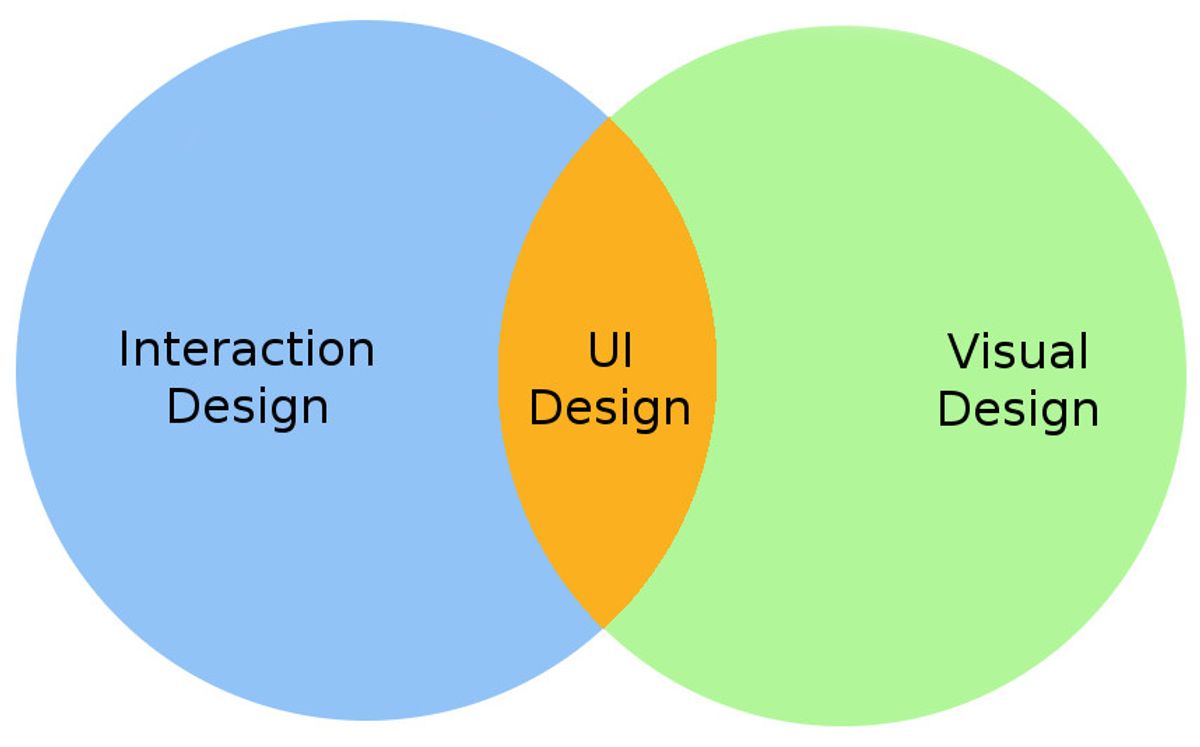
Harnessing the power of analytics is crucial for understanding user interactions and making data-driven design decisions. By analyzing metrics such as page views, conversion rates, and user engagement, we can pinpoint areas of success and those requiring enhancement. This approach ensures that every aspect of the website is optimized for usability and engagement.
Analytics serve as a compass, guiding the continuous refinement of the user experience. Identifying trends and patterns allows for strategic adjustments that drive growth and success.
For instance, a deep dive into user behavior data might reveal that users are frequently abandoning their shopping carts. This insight could lead to specific improvements, such as streamlining the checkout process or providing more payment options. Below is a simplified example of how data can be structured to highlight key user behavior insights:
| Metric | Before Optimization | After Optimization |
|---|---|---|
| Page Views | 150,000 | 200,000 |
| Conversion Rate | 2% | 3.5% |
| User Engagement | 1 min 30 sec | 2 min 45 sec |
By leveraging these insights, we can adapt our strategies to enhance the overall user experience, ultimately driving better results for the business.
A/B Testing for Design Decisions
A/B testing is a powerful tool in the user-centric design toolkit, allowing designers to make informed decisions based on actual user behavior. By comparing two versions of a webpage or feature, teams can determine which one performs better in terms of user engagement and conversion rates. This method is particularly effective when combined with key performance indicators (KPIs) to measure success.
A/B testing goes beyond mere opinion; it provides empirical evidence about what works best for your users.
For instance, an A/B test might explore variations in button color, call-to-action text, or the layout of a form. The results can lead to incremental improvements that, over time, significantly enhance the user experience. Below is a simplified example of how A/B testing results might be documented:
| Element Tested | Variation A | Variation B | Conversion Rate Increase |
|---|---|---|---|
| Button Color | Blue | Green | 15% |
| CTA Text | ‘Buy Now’ | ‘Add to Cart’ | 10% |
Regularly incorporating A/B testing into the design process ensures that changes are data-driven and aligned with user preferences. It’s a practice that helps to utilize analytics by identifying KPIs, analyzing user data, and implementing design improvements for optimizing user experience and website engagement.
Continuous Improvement and Iteration
The journey of a user-centric website is never complete; it is an ongoing cycle of enhancement and refinement. Continuous improvement is the backbone of this process, ensuring that the product evolves with user needs and technological advancements. By leveraging user feedback and data analytics, businesses can systematically implement changes that lead to a more engaging and satisfying user experience.
Iteration in UX is not just a phase but a philosophy that underpins the entire design process. It is about learning from each cycle, making informed adjustments, and striving for excellence in every aspect of the user interface and functionality.
The iterative design process is exemplified by the following steps:
- Feedback integration: Regularly reviewing user feedback, identifying common issues, and integrating suggestions into development plans.
- Showcasing improvements: Communicating updates and enhancements to users, fostering a sense of involvement and appreciation.
- Incorporating user feedback: Implementing changes and enhancements based on user input, demonstrating active listening and commitment to user satisfaction.
- Introducing new features: Continuously adding functionalities that align with user expectations and market trends.
This approach not only meets but often exceeds user expectations, leading to higher engagement, satisfaction, and loyalty.
Integrating User-Centric Design in Development Workflow

Collaboration Between Designers and Developers
The heart of web development collaboration lies in the clear understanding and appreciation of each other’s expertise. Designers and developers must work in tandem to translate a vision into a functional reality. This synergy is not just beneficial but essential for creating a product that is both aesthetically pleasing and technically sound.
Effective collaboration involves regular communication, shared goals, and an iterative process that incorporates feedback at every stage. Here are some practical steps to foster a productive relationship:
- Establish clear roles and responsibilities to avoid overlap and confusion.
- Use a common language and tools to ensure seamless integration of design and code.
- Schedule regular meetings to discuss progress, challenges, and brainstorm solutions.
- Implement a feedback loop that includes user testing to refine and improve the product.
By prioritizing collaboration, teams can avoid silos, accelerate the development process, and deliver a superior user experience.
Ultimately, the goal is to create a seamless and enjoyable process that not only meets but exceeds user expectations. This requires a commitment to quality assurance, user testing, and post-launch monitoring to ensure that the product remains relevant and effective.
Quality Assurance and User Testing
Once a website is live, the journey towards user-centric perfection is far from over. Post-launch monitoring is essential to catch any bugs that slipped through the cracks and to ensure the website remains optimized for user experience. This phase involves a vigilant approach to observing user interactions, site performance, and overall functionality.
- Bug Tracking: Implement systems to detect and log issues as users encounter them.
- Performance Metrics: Monitor load times, server response, and uptime to maintain a seamless experience.
- User Feedback: Collect and analyze user comments and complaints to guide future updates.
By continuously refining the website based on real-world use, developers and designers can collaborate to enhance the user experience, making it more intuitive and enjoyable with each iteration.
It’s not just about fixing what’s broken; it’s about proactively seeking ways to improve. Regular updates, informed by user behavior and feedback, keep the website fresh and relevant. This ongoing process aligns with the core tenet of user-centric design: to serve the user’s needs and preferences first and foremost.
Post-Launch Monitoring and Updates
After a website launch, the journey towards a user-centric design does not end. Continuous monitoring and updating are crucial to address any post-launch bugs and to adapt to user feedback. Regularly reviewing user feedback helps identify common issues, which can then be integrated into development plans for ongoing improvements.
- Feedback Integration
Regularly review user feedback and integrate suggestions into development plans. - Showcasing Improvements
Announce new features or improvements based on user feedback through newsletters or updates. - Analytics Monitoring
Keep an eye on analytics to understand user behavior and make data-driven decisions.
By benchmarking your current website performance metrics, you can track the success of your redesign and make informed decisions post-launch.
Incorporating feedback loops into the development process ensures that user feedback becomes a roadmap for refining your solution. When changes are implemented, it’s important to showcase these improvements, keeping users informed and engaged. Innovation, such as introducing new features that align with user needs, keeps your solution competitive and relevant.
The Business Impact of User-Centric Design
Enhancing Customer Satisfaction and Loyalty
At the heart of a user-centric design lies the potential to significantly enhance customer satisfaction and loyalty. By prioritizing the needs and preferences of users, businesses can foster a sense of trust and commitment. This approach not only improves the user experience but also encourages customers to return, leading to a virtuous cycle of engagement and loyalty.
A seamless and intuitive user experience is directly correlated with customer satisfaction. When users find it easy to navigate a website or application, they are more likely to become loyal customers.
To illustrate the impact of user-centric design on customer loyalty, consider the following points:
- Personalization strategies that cater to individual user preferences.
- Streamlined navigation that simplifies the user journey.
- Responsive and proactive customer support systems.
These elements contribute to a positive user experience, which is a critical factor in customer retention. In the competitive landscape of digital platforms, where users have ample choices, a commitment to user-centric design can be a decisive factor in business success.
Improving Conversion Rates and ROI
A user-centric website design is pivotal in reducing friction points and streamlining the user journey, which directly contributes to higher conversion rates and an improved return on investment (ROI). By focusing on an intuitive user experience (UX), businesses can minimize drop-offs and abandoned transactions, leading to revenue growth.
The synergy between design and development teams is essential for creating a cohesive user interface that resonates with users and drives conversions.
To further enhance conversion rates, it’s crucial to employ a variety of optimization strategies:
- Usability analysis to identify and rectify user experience issues.
- A/B testing to determine the most effective design elements.
- Regular updates and refinements based on user interaction data.
These efforts culminate in a website that not only looks appealing but also performs efficiently, ensuring that every visit has the potential to convert into a valuable action for the business.
Staying Ahead in a Competitive Market
In the digital arena, staying ahead of the competition is not just about having a user-centric design; it’s about continuously evolving with the market. By understanding competitors and industry trends, businesses can create websites that not only stand out but also remain relevant and effective over time.
- Spotting customer preferences and pain points
- Understanding competitors and industry trends
- Implementing continuous refinement of online strategies
By staying proactive and adaptive, brands can position themselves as industry leaders, achieving sustained growth and success online.
Furthermore, engaging with your audience and building lasting relationships is crucial. This involves not just listening to feedback but also anticipating needs and innovating ahead of trends. The software landscape evolves rapidly, and by identifying emerging technologies and changing user preferences, you position your website as a forward-thinking solution.
Embracing a user-centric design approach can significantly elevate your business’s online presence and customer satisfaction. By focusing on the needs and experiences of your users, you can create a digital environment that not only looks great but also performs efficiently, leading to increased engagement and conversions. Don’t let your competitors outshine you—visit our website to learn how our expert WordPress Development and eCommerce solutions can transform your business. Let’s make your digital world better together. [Visit us now] to start your journey towards a user-centric success story.
Conclusion
In conclusion, adopting a user-centric website design approach is pivotal for creating engaging user experiences that resonate with audiences and drive business success. Throughout this article, we’ve explored the essence of user-centric design, balancing aesthetics with functionality, and the undeniable business impact of placing users at the heart of the design process. By prioritizing user feedback, personalization, and intuitive navigation, we can enhance customer satisfaction, loyalty, and overall engagement. As we’ve seen from various successful projects, this approach not only satisfies users but also contributes to a brand’s growth and reputation. Remember, in the digital world, a website is more than a platform; it’s an extension of your brand and a critical touchpoint for user interaction. Therefore, investing in a user-centric design strategy is not just beneficial; it’s essential for any business looking to thrive in today’s competitive landscape.
Frequently Asked Questions
What is user-centric website design?
User-centric website design is an approach that places the user’s needs, preferences, and behaviors at the core of the design process to create intuitive, accessible, and enjoyable online experiences.
How does user research contribute to user-centric design?
User research provides insights into the user’s behavior, needs, and motivations, which inform design decisions and ensure that the website resonates with its intended audience.
Why is balancing functionality and aesthetics important in web design?
Balancing functionality and aesthetics ensures that a website is not only visually appealing but also easy to use, enhancing the overall user experience and engagement.
What role does accessibility play in user-centric design?
Accessibility ensures that a website can be used by people with varying abilities, making the web experience inclusive and usable for a wider audience.
How can A/B testing improve user experience?
A/B testing allows designers to compare different versions of a web page to determine which elements lead to better user engagement and conversion rates, thereby optimizing the user experience.
What business benefits can user-centric design provide?
User-centric design can enhance customer satisfaction and loyalty, improve conversion rates and ROI, and provide a competitive edge by ensuring a superior user experience.