User-Centric Website Design Approach for Engaging User Experience
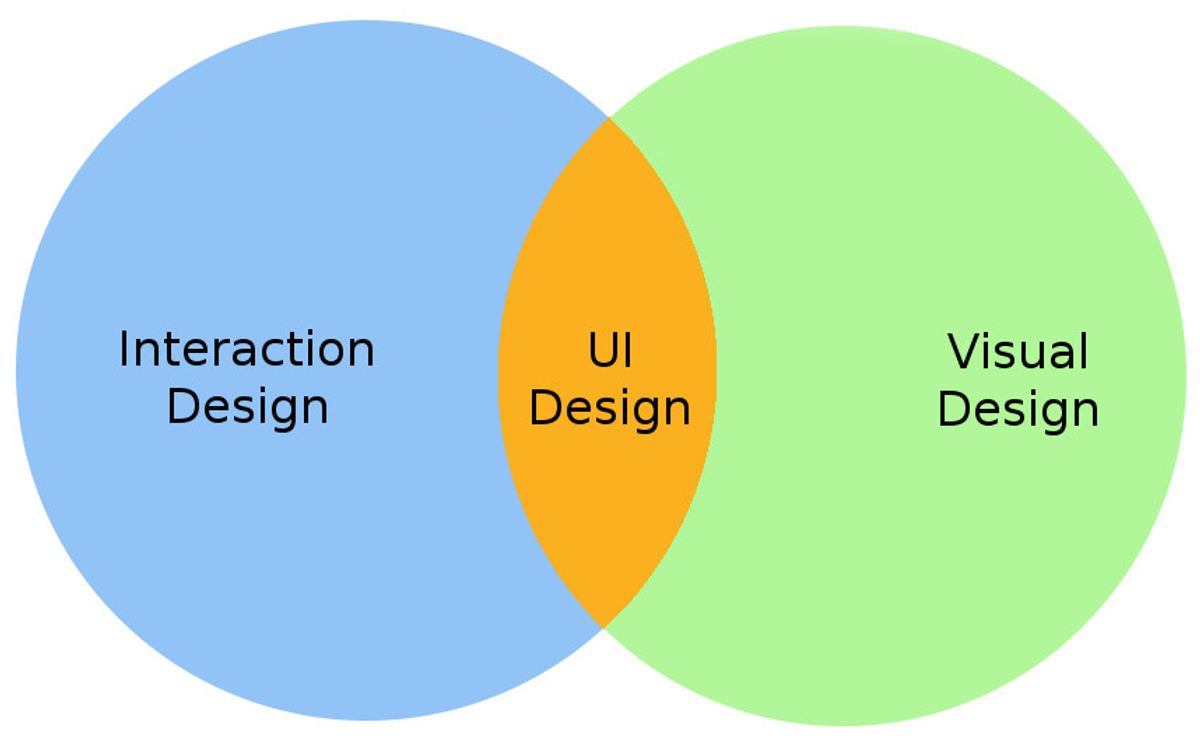
In today’s digital age, a user-centric website design approach is essential for creating an engaging user experience that meets the needs and expectations of visitors. This article explores the various strategies and techniques involved in crafting a website that not only looks appealing but also functions seamlessly for the user. By focusing on user needs and behavior, intuitive navigation, visual engagement, personalization, and performance measurement, designers can ensure that a website is not only aesthetically pleasing but also effective in retaining users and encouraging conversions.
Key Takeaways
- A deep understanding of user needs and behavior through research, journey analysis, and persona creation is foundational to user-centric design.
- Intuitive navigation and interaction are achieved by clear information architecture, familiar UI patterns, and adherence to accessibility and usability standards.
- Visual design must balance aesthetics with functionality, employing responsive design and visual hierarchy to guide user focus and engagement.
- Personalization of user experience through data-driven customization and the use of AI enhances user satisfaction and can lead to increased engagement.
- Continuous improvement of website performance is critical, involving regular health audits, speed optimization, and the use of analytics for ongoing enhancements.
Understanding User Needs and Behavior

Conducting User Research
At the heart of a user-centric design approach is the thorough understanding of the users’ needs and behaviors. Conducting user research is a critical step in gathering valuable insights that inform the design process. This research can take many forms, from surveys and interviews to observations and analytics. Each method provides a different lens through which to understand the user, and when combined, they offer a comprehensive view of the user experience.
- Surveys and questionnaires provide quantitative data that can be analyzed for trends and patterns.
- Interviews and focus groups offer qualitative insights into user motivations and feelings.
- Observations and usability testing reveal how users interact with a website in real-time.
By synthesizing the data from these various methods, designers can create solutions that truly resonate with users. It’s not just about what users say they want, but understanding the underlying reasons for their behavior. This depth of insight is what leads to an engaging and intuitive user experience.
Analyzing User Journeys
Analyzing user journeys is a critical step in understanding the full spectrum of user interactions with your website. It involves mapping out each step a user takes, from initial contact through various touchpoints, up to the final action or conversion. This process not only highlights the user’s needs, expectations, and emotions but also uncovers potential pain points and areas for improvement.
By meticulously dissecting user journeys, we can pinpoint where users may encounter friction and proactively work to streamline their experience.
For instance, consider a user journey on an eCommerce platform:
- User lands on the homepage.
- Navigates to a product category.
- Selects a product.
- Adds the product to the cart.
- Proceeds to checkout.
- Completes the purchase.
Each of these steps offers an opportunity to analyze and optimize the user’s interaction. By doing so, we ensure a seamless journey that encourages user engagement and increases conversion rates. Furthermore, by integrating feedback loops and post-launch monitoring, we can continue to refine the user journey, adapting to changing user behaviors and technological advancements.
Creating User Personas
Creating user personas is a cornerstone of a user-centric design approach. These fictional characters, synthesized from real user data and research, serve as a compass for design decisions. Personas encapsulate key attributes of various user segments, such as demographics, behaviors, goals, and pain points. For example, an e-commerce website might feature personas like ‘Busy Professional’ or ‘Deal Seeker’, each with distinct shopping habits and preferences.
By employing user personas, designers can visualize the needs and experiences of different user types, leading to more targeted and effective design solutions.
It’s crucial to ensure that personas are not static. As user needs evolve, so should the personas. Regular updates, informed by ongoing user research, keep the design aligned with user expectations. Below is a list of steps to create and maintain effective user personas:
- Gather and analyze user data.
- Identify common patterns and segment users.
- Develop detailed personas for each segment.
- Use personas to guide design and content decisions.
- Continuously update personas with new insights.
Designing for Intuitive Navigation and Interaction

Implementing Clear Information Architecture
The foundation of a user-centric website design is a clear and intuitive information architecture (IA). This involves organizing content in a way that reflects the user’s mental model, making it easy for them to find what they’re looking for. To achieve this, one must understand the user’s needs and behaviors through thorough research and analysis.
- Conduct user research to gather insights into user preferences and behaviors.
- Analyze user journeys to understand the paths users take to complete tasks.
- Create user personas to represent the diverse needs of your audience.
- Organize content based on these personas and journeys to ensure relevancy.
- Design intuitive navigation menus that guide users to information efficiently.
By tailoring the information architecture to user needs, businesses can significantly improve the user experience. This strategic approach not only enhances user satisfaction but also drives business growth.
Remember, user-centric design focuses on simplicity, clarity, and intuitive navigation to enhance user experience. Strategies such as microinteractions, animations, and empathetic design are crucial for inclusivity and engagement.
Utilizing Familiar UI Patterns
In the realm of user-centric design, familiarity breeds efficiency. By utilizing familiar UI patterns, designers can create an environment where users feel at home, navigating with ease and confidence. This approach not only streamlines the user journey but also reduces the learning curve associated with new interfaces.
When it comes to user interfaces, consistency is key. Employing common design elements across various pages and sections ensures a cohesive user experience. This consistency aids in building user trust and can lead to increased engagement.
Here are some benefits of using familiar UI patterns:
- Simplicity and clarity in design
- Intuitive navigation and interaction
- Reduced need for extensive user training
- Enhanced user experience and engagement
By prioritizing usability and leveraging patterns that users are accustomed to, we foster inclusivity and meaningful interactions. It’s a balance of aesthetics and functionality that ultimately defines the success of a user interface.
Ensuring Accessibility and Usability Standards
In the realm of user-centric website design, ensuring accessibility and usability standards is not just a legal mandate but a moral imperative. Accessibility and inclusivity must be at the forefront, catering to the diverse needs of all users, including those with disabilities. This commitment to accessibility involves implementing features such as alternative text for images, keyboard navigation, and sufficient color contrast.
By embedding accessibility into the design process, we create an environment where all users can navigate with ease and independence.
To achieve this, a structured approach is essential. Below is a checklist that can serve as a starting point for designers:
- Provide alternative text for images and multimedia.
- Ensure all interactive elements are keyboard accessible.
- Use color schemes that are accessible to color-blind users.
- Design forms and controls with clear labels and instructions.
- Implement ARIA (Accessible Rich Internet Applications) landmarks for dynamic content.
Usability and accessibility are key in user-centric design. Prioritize user needs, inclusive features, intuitive navigation, and clear design for a seamless experience. By doing so, we not only comply with standards like the WCAG (Web Content Accessibility Guidelines) but also enhance the overall user experience, leading to greater user satisfaction and loyalty.
Optimizing Visual Design for User Engagement

Employing Responsive Web Design
In the era of mobile-first browsing, responsive web design is not just a trend but a necessity. A website that adapts fluidly to various screen sizes and resolutions provides a seamless experience for users, regardless of the device they use. This adaptability ensures that all users have equal access to information and functionality, which is crucial for maintaining engagement and satisfaction.
By prioritizing responsive design, businesses can cater to the ever-growing mobile audience, reducing the likelihood of user frustration from poor interface interactions or unreadable content.
Responsive design also plays a significant role in optimizing website performance. A well-implemented responsive layout contributes to faster page loads and more efficient resource allocation. Here are some key benefits of responsive web design:
- Enhances user experience across devices
- Improves site performance and load times
- Increases reach to mobile and tablet audiences
- Boosts SEO efforts due to mobile-friendliness
Embracing a responsive design approach aligns with a user-centric strategy, ensuring that every visitor has a positive experience, which is essential for conversion and retention.
Balancing Aesthetics and Functionality
In the realm of user-centric website design, balancing aesthetics with functionality is a pivotal aspect. A visually stunning site may capture initial attention, but it’s the seamless integration of design and utility that retains users. Simplifying navigation and adopting a minimalist design philosophy can significantly enhance usability without sacrificing visual appeal.
- Aesthetics should serve functionality, ensuring users can navigate and accomplish tasks efficiently.
- Accessibility standards, such as WCAG guidelines, must be considered to accommodate all users.
- Performance should not be compromised for design; a balance ensures a responsive and engaging user experience.
By focusing on both aesthetics and functionality, designers can create websites that are not only beautiful but also highly usable and inclusive. This dual focus is essential for a positive user experience that encourages engagement and conversion.
Using Visual Hierarchy to Guide User Focus
Visual hierarchy is essential in creating a user-centric website design. It dictates the order in which a user processes information on a page. By carefully planning the layout, designers can guide users’ attention to specific areas, enhancing the user experience. For instance, larger and bolder fonts typically draw the eye first, followed by images, and then by body text.
Effective visual hierarchy involves the use of size, color, contrast, and spacing to establish focal points. Here’s a simple list to consider when designing:
- Use size to emphasize importance
- Apply color to highlight or differentiate elements
- Utilize contrast to make content stand out
- Incorporate whitespace to reduce clutter and improve readability
By prioritizing elements effectively, designers ensure that the most critical information is seen first, leading to a more intuitive and satisfying user experience.
Remember, the goal is to create a path for the eye to follow that aligns with the site’s objectives. Whether it’s leading a user to a call-to-action button or ensuring they don’t miss out on vital information, visual hierarchy is a powerful tool in the designer’s arsenal.
Personalizing the User Experience
Leveraging User Data for Customization
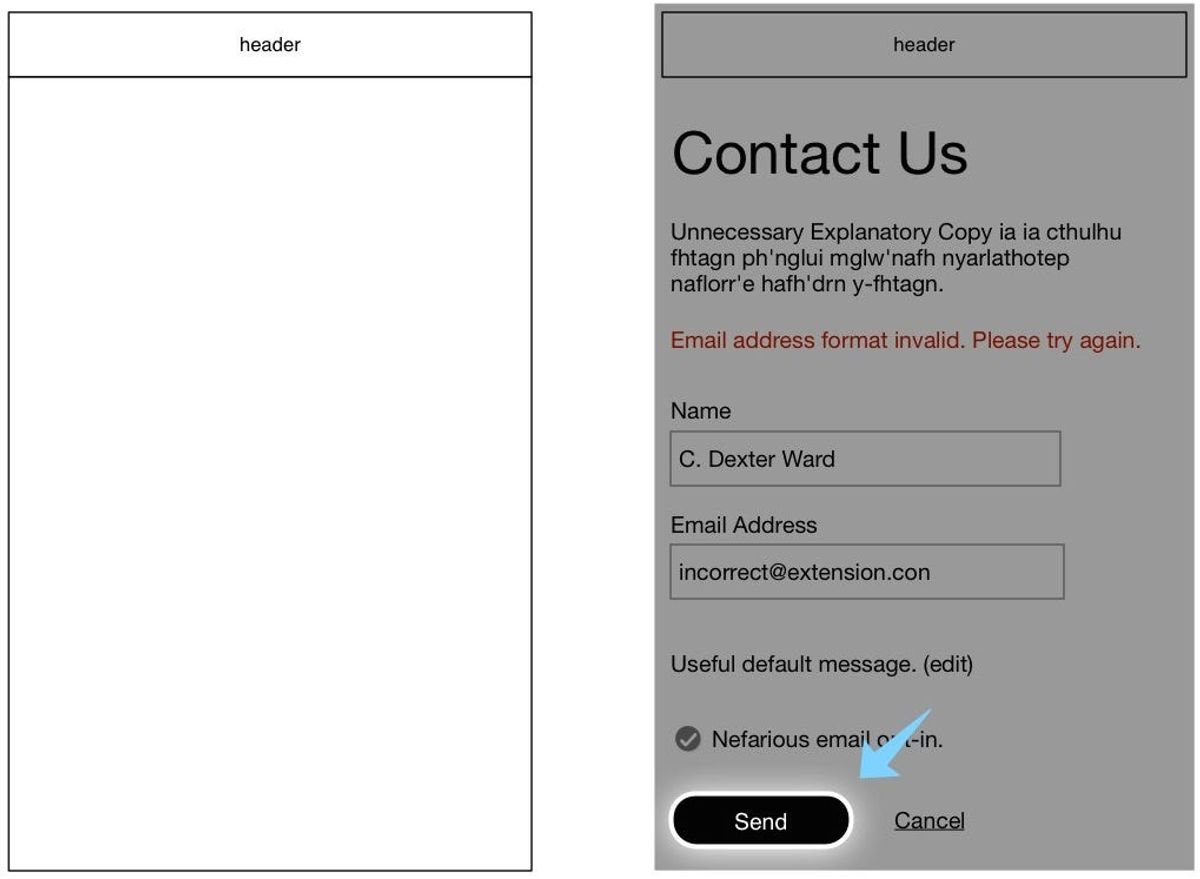
In the realm of user-centric design, personalization is a cornerstone for creating an engaging user experience. By harnessing user data, websites can tailor content, recommendations, and features to individual preferences, leading to a more relevant and satisfying interaction.
For example, consider the impact of displaying product recommendations based on a user’s browsing history or providing customizable settings. These personalized touches not only enhance user engagement but also drive conversions.
- Personalized Recommendations: Suggest products or content related to the user’s past interactions.
- Customizable Settings: Allow users to adjust the layout, content, or functionality to their liking.
- Adaptive Interfaces: Modify the user interface dynamically based on user behavior and preferences.
Personalization should not compromise usability. Adherence to accessibility standards enhances user experience. Personalization and interactive elements drive engagement and satisfaction, improving website usability for all users.
Creating Dynamic Content Delivery
Dynamic content delivery is pivotal in crafting a user-centric website design. By analyzing user behavior and leveraging data, websites can display content that resonates with the individual’s preferences and past interactions. This personalization not only enhances the user experience but also encourages longer engagement times and repeat visits.
To optimize user experience, it’s essential to balance functionality and aesthetics, ensuring that personalization does not compromise the website’s accessibility or overall design.
Implementing dynamic content can be broken down into several key steps:
- Collecting and analyzing user data to understand preferences.
- Creating content variations that cater to different user segments.
- Utilizing algorithms to match content with user profiles in real-time.
- Continuously testing and refining content delivery to improve relevance.
By following these steps, designers and developers can create a more engaging and personalized user journey, leading to increased satisfaction and loyalty.
Enhancing User Experience with AI and Machine Learning
The integration of AI and machine learning into website design is revolutionizing the way we create user-centric experiences. By leveraging these technologies, we can analyze vast amounts of user data to deliver personalized content and recommendations, making each interaction more relevant and engaging.
AI-driven personalization can significantly improve user engagement and satisfaction. It allows for dynamic content delivery that adapts to user behavior in real-time, providing a seamless and intuitive experience.
For example, AI can be used to:
- Predict user preferences and display content accordingly
- Offer real-time support through AI chatbots
- Optimize search results based on individual user queries
Ethical considerations are paramount when implementing AI. Designers must ensure that AI systems are transparent, explainable, and accountable, guarding against biases to ensure fair and unbiased experiences. The future of website design lies in the ability to unlock the potential of AI to enhance user experience and drive engagement.
Measuring and Enhancing Website Performance
Conducting Website Health Audits
A comprehensive website health audit is crucial for maintaining an optimal online presence. It encompasses a variety of checks and analyses to ensure that your website is not only functioning correctly but also providing the best possible experience for your users. Regular audits can uncover issues that may affect user engagement, such as slow page load speeds, broken links, or outdated content.
By identifying and addressing these issues promptly, you can significantly improve your website’s performance and user satisfaction.
The audit process typically includes the following key areas:
- Performance: Evaluating the speed and responsiveness of your site.
- Security: Checking for vulnerabilities and ensuring data protection.
- SEO: Assessing on-site optimization for better search engine visibility.
- Usability: Analyzing the user interface for intuitive navigation and ease of use.
Each of these areas is critical for a website’s success and should be reviewed regularly to maintain a competitive edge. Diversify content with multimedia for user engagement and conduct website health audits for optimal performance and security. Enhance user experience and maintain online presence by staying proactive with these audits.
Optimizing Page Load Speeds
In the digital age, website speed is synonymous with user satisfaction. A swift-loading site not only enhances the user experience but also contributes to higher conversion rates and improved search engine rankings. To achieve this, a multi-faceted approach is necessary.
One critical step is image optimization. Compressing images without sacrificing quality can significantly reduce load times. Additionally, implementing caching saves server resources and boosts speed. Minifying scripts and reducing external script usage are also key tactics.
By focusing on these optimization techniques, we can ensure a seamless and engaging user experience.
Here’s a quick checklist to help you get started:
- Optimize images for faster loading without losing clarity
- Implement caching to reduce server load and speed up content delivery
- Minify CSS and JavaScript files to decrease file size and request counts
- Limit the use of external scripts to minimize third-party dependencies
Remember, optimizing website performance is crucial for user satisfaction, leading to increased sales and engagement. Accessibility in design ensures usability for all users, promoting equality and inclusivity.
Utilizing Performance Analytics for Continuous Improvement
To maintain a competitive edge, it’s essential to utilize analytics for continuous website improvement. By identifying key performance indicators (KPIs), collecting user data, and translating insights into actionable design improvements, websites can evolve to meet user expectations. A/B testing and user behavior analysis are instrumental in this process, enabling the fine-tuning of user experience for optimal engagement and satisfaction.
The iterative design process is a cornerstone of user-centric development. Feedback loops and analytics drive enhancements, ensuring that the website remains aligned with user needs and behavior.
Regularly conducting website health audits and optimizing page load speeds are just the beginning. Performance analytics provide a deeper understanding of how users interact with the site, highlighting areas for enhancement. For instance, user-centric metrics such as satisfaction rates and retention levels can be tracked and improved over time. The table below summarizes key areas of focus for ongoing website performance optimization:
| Area of Focus | Description |
|---|---|
| User Satisfaction | Measure and enhance the overall user happiness with the site. |
| Task Success Rates | Track the effectiveness of specific actions or flows within the site. |
| Retention Levels | Improve the rate at which users return to the site. |
By embracing a culture of continuous improvement and staying responsive to user feedback, designers can ensure that their products and services remain relevant and valuable.
In today’s digital landscape, the performance of your website is crucial to your success. Our team at AM2 specializes in WordPress Development, including performance optimization that ensures your site runs smoothly, retains visitors, and improves overall user experience. Don’t let a sluggish website hold you back. Enhance your website’s performance today by visiting our [Services] page to learn more about how we can help you achieve the results you desire.
Conclusion
In conclusion, a user-centric website design approach is not just a trend but a necessity for creating engaging user experiences that drive conversions and customer satisfaction. By understanding and prioritizing user needs, implementing intuitive navigation, embracing responsive design, personalizing experiences, and conducting rigorous usability testing, businesses can develop websites that resonate with their audience. The real-world examples and projects discussed in this article demonstrate the effectiveness of a user-centric approach. Remember, the key to a successful website lies in its ability to cater to the users it serves. As we continue to evolve in the digital landscape, let us keep the user at the heart of every design decision, ensuring that our digital solutions are not only functional but also delightful to use.
Frequently Asked Questions
What is user-centric website design?
User-centric website design is a design philosophy that places the user’s needs, preferences, and behaviors at the center of the design process. It involves understanding the target audience through research and testing, and creating a website that offers an intuitive, accessible, and engaging experience tailored to the user.
Why is user research important in website design?
User research is crucial because it provides insights into the users’ behaviors, needs, and motivations. This information helps designers create a website that resonates with the audience, improves user satisfaction, and increases the likelihood of achieving the website’s goals, such as conversions or engagement.
How does intuitive navigation enhance user experience?
Intuitive navigation allows users to find information quickly and easily on a website. It reduces frustration and increases the efficiency of the user journey, contributing to a positive user experience and higher retention rates.
What role does visual hierarchy play in user engagement?
Visual hierarchy guides the user’s attention to the most important elements on a page, such as calls-to-action or key content. By organizing and prioritizing visual elements, designers can influence user behavior and engagement, leading to a more effective website.
How can personalization improve the user experience on a website?
Personalization tailors the website experience to individual users by leveraging data on their preferences, behavior, and history. This can lead to more relevant content, recommendations, and interactions, which increase user satisfaction and engagement.
What is the importance of website performance optimization?
Website performance optimization is essential for user experience because slow load times and poor performance can lead to user frustration and abandonment. Optimizing performance can improve user satisfaction, search engine rankings, and ultimately, conversion rates.