User-Centric Website Design Approach for Engaging User Experience

In the age of digital transformation, a user-centric website design approach is essential for creating an engaging user experience (UX). This approach focuses on understanding and addressing the needs, preferences, and behaviors of users, ensuring that the design of a website is not only aesthetically pleasing but also functional and accessible. By optimizing for user experience, businesses can increase conversions, foster customer loyalty, and maintain a competitive edge in the online marketplace.
Key Takeaways
- A user-centric design prioritizes the user’s needs in every aspect of the website, from navigation to content and functionality.
- Incorporating user research and analytics is crucial for understanding user behavior and making informed design decisions.
- Designing for accessibility and inclusivity is not optional but a necessary aspect of modern web design to reach a wider audience.
- Mobile responsiveness and cross-platform compatibility are essential for providing a seamless user experience on all devices.
- Ongoing optimization and post-launch strategies, including monitoring user feedback, are vital for the continuous improvement of UX.
Understanding User-Centric Design

Defining User-Centricity in Web Design
At the heart of user-centric web design lies the commitment to prioritize the user experience and needs above all else. This approach ensures that every aspect of the website, from navigation to content, is tailored to provide functionality, efficiency, and a personalized experience for the user.
- User-Centric Approach: Focus on enhancing the user experience by aligning every design decision with user expectations.
- Goal-Focused: Design with the intent of aiding users in accomplishing their tasks efficiently, such as streamlining checkout processes.
- Data-Driven Decisions: Utilize analytics and user feedback to refine design choices, addressing pain points and tracking behavior for a more effective UX strategy.
By embedding user-centric principles into the design process, websites become more than just visually appealing—they become powerful tools for engagement and conversion.
Expert UX designers are dedicated to understanding user behavior, preferences, and challenges. Their expertise transforms interfaces into intuitive and seamless experiences, where each interaction serves a purpose and contributes to a satisfying user journey. It’s not just about creating a pretty interface; it’s about crafting spaces that resonate with users and drive business success.
The Role of User Research in Shaping Design
User research is the backbone of user-centric design, providing invaluable insights into user needs, behaviors, and preferences. By systematically studying target users, designers can create experiences that are not only aesthetically pleasing but also highly functional and intuitive.
- Research and Discovery: Understanding the context in which users will interact with the product.
- Adapting to User Behaviors: Staying updated with evolving trends to ensure continued relevance.
- Wireframing and Prototyping: Visual representation of ideas to gather feedback and refine designs.
- UX Writing: Crafting content that enhances the user experience.
By leveraging user research, designers can anticipate user issues and design solutions that are both impactful and successful. This iterative process, informed by data-driven insights and user feedback, adapts the product to meet changing user needs and market expectations.
Ultimately, user research guides the design process, ensuring that the final product resonates with users and fosters customer loyalty. It’s a strategic approach that goes beyond mere aesthetics, shaping how users interact with digital products and influencing business success.
Balancing Aesthetics with Functionality
In the realm of user-centric website design, the harmonization of aesthetics and functionality is paramount. Optimizing user experience requires a delicate balance where design elements do not overshadow the practicality of the website. A minimalist approach often aids in highlighting essential features, ensuring that users can navigate the site with ease and accomplish their goals without unnecessary distractions.
Personalization is a key factor in enhancing user engagement and loyalty. By tailoring experiences to individual user needs, websites can create a more inviting and relevant environment for their audience.
To achieve this balance, several strategies can be implemented:
- Prioritize user needs and preferences to guide design decisions.
- Streamline processes, such as simplifying checkout forms to include only essential fields.
- Incorporate accessibility features like alt text and keyboard navigation to cater to a broader audience.
- Utilize data-driven decisions to refine the user experience based on analytics and feedback.
By focusing on consistency, simplicity, and feedback, designers can create websites that are not only visually appealing but also highly functional and user-friendly.
Optimizing User Experience for Conversion
Analyzing User Behavior for Improved Engagement
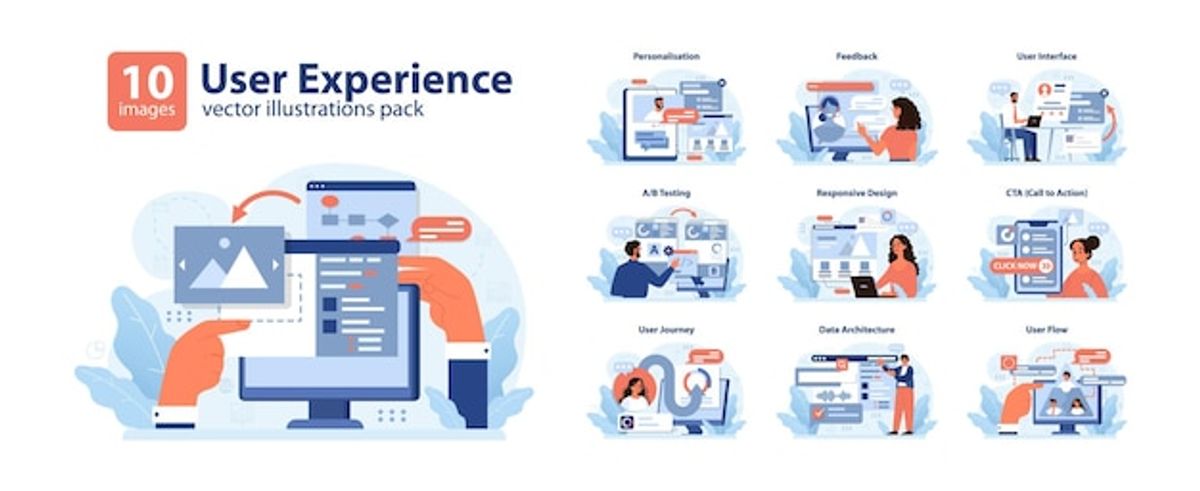
To enhance user engagement, it’s crucial to analyze user behavior and understand how visitors interact with your website. By monitoring analytics, you can pinpoint which areas of your site are performing well and where there’s room for improvement. For instance, tracking metrics such as page views, conversion rates, and user engagement provides valuable insights into user preferences and behavior.
Analytics are not just numbers; they tell the story of the user’s journey through your website, highlighting what works and what doesn’t.
Regular reviews of your website’s navigation, design, and usability are essential. Look for opportunities to simplify processes and enhance visuals, ensuring a seamless user journey. Additionally, consider the following steps to optimize user experience:
- Request specific input from users to gain actionable insights.
- Incorporate feedback loops to refine the design based on user suggestions.
- Adapt to evolving user trends and behaviors to maintain relevance.
By staying attuned to user behavior and making data-driven decisions, you can create a more engaging and effective website that resonates with your audience and drives conversions.
Designing for Accessibility and Inclusivity
Creating an accessible and inclusive website is not just a legal or ethical obligation; it’s a strategic decision that broadens your reach and caters to a diverse audience. Prioritize features like alt text, keyboard navigation, and other accessibility elements to ensure that all users, regardless of their abilities, can navigate and interact with your site effectively.
To achieve this, consider the following steps:
- Conduct an accessibility audit to identify areas for improvement.
- Implement ARIA (Accessible Rich Internet Applications) landmarks to enhance screen reader support.
- Ensure color contrast ratios meet WCAG (Web Content Accessibility Guidelines) standards for users with visual impairments.
- Provide captions and transcripts for multimedia content.
- Design with mobile users in mind, as many rely on mobile devices for internet access.
By designing for accessibility and inclusivity, you demonstrate a commitment to user-friendly and forward-thinking web development. This approach not only helps those with disabilities but also improves the overall user experience for everyone.
Remember, an accessible website is not a one-time project but an ongoing effort. Regularly review your site, stay updated with trends, and incorporate user feedback to continuously improve the accessibility of your digital presence.
Leveraging Analytics for Continuous Improvement
In the realm of user-centric website design, analytics play a pivotal role in continuous improvement. By meticulously tracking user interactions and conversions, designers and developers can gain invaluable insights into user behavior. This data-driven approach allows for iterative enhancements that align with user needs and preferences.
Analytics enable the identification of trends and pain points, guiding the optimization process to focus on areas that significantly impact user experience and engagement.
For example, a common set of metrics to monitor might include page load times, bounce rates, and conversion rates. These can be presented in a structured format for clarity:
| Metric | Goal | Current Status |
|---|---|---|
| Page Load Time | < 2 seconds | 2.5 seconds |
| Bounce Rate | < 40% | 45% |
| Conversion Rate | > 5% | 4.8% |
By setting benchmarks and comparing them to current performance, teams can prioritize improvements. Strategies for web accessibility, user behavior insights through analytics, and streamlined navigation enhance user experience and engagement on websites. Continuous refinement, based on analytics, ensures that the website remains effective and competitive in an ever-evolving digital landscape.
Mobile Responsiveness and Cross-Platform Compatibility

Adapting Design for Mobile Users
In today’s digital landscape, embracing a mobile-first approach is not just a trend but a necessity. Websites must be crafted with the smallest screens in mind, ensuring that content is easily accessible and navigation is intuitive on mobile devices. This strategy involves using media queries to create flexible layouts that adapt to various screen sizes, prioritizing content loading, and optimizing interaction elements for touch controls.
- Media queries and flexible grids
- Prioritizing essential content
- Optimizing for touch controls
By considering user-centric aesthetics and prioritizing responsive design, we can deliver a seamless web experience that meets the expectations of mobile users. User research and ongoing evaluation play a crucial role in refining the mobile experience, ensuring that the design not only looks good but also functions well across all devices.
Enhance your mobile website’s performance and user engagement with our up-to-date best practices, delivering a cutting-edge digital experience.
As we move forward, it’s essential to leverage the latest advancements in technology and design to stay ahead. The goal is to provide a consistent and engaging user experience, whether the user is on a smartphone, tablet, or desktop.
Ensuring Seamless Experience Across Devices
In today’s digital landscape, ensuring a seamless experience across devices is not just a convenience—it’s a necessity. Users expect to transition between their phones, tablets, and desktops without friction, and meeting this expectation is crucial for user retention and satisfaction.
-
Thorough cross-browser and cross-device testing
Your website should perform consistently across all browsers and devices. Regular testing on popular browsers like Chrome, Firefox, Safari, and Edge, as well as on a variety of devices, is essential to maintain a responsive design. -
Optimizing for Mobile Users
With the rise of mobile browsing, websites must prioritize mobile optimization. Techniques such as lazy loading and adjusting navigation menus for touchscreens are key to enhancing performance and user experience on mobile devices.
By focusing on mobile-first design and employing responsive design principles, developers can create web experiences that are both fast and reliable across devices.
Continuous monitoring and updating are part of the process to keep up with the evolving landscape of device capabilities and user expectations. Leveraging media queries and JavaScript, websites can adapt to query conditions and device capabilities, providing an intelligent, context-aware design that caters to the user’s environment.
The Importance of Responsive Testing
Responsive design is a crucial aspect of user experience in website design, ensuring that a site adapts and responds seamlessly to different screen sizes and devices. This adaptability is not just about visual appeal; it’s about functionality and providing a consistent experience to all users, regardless of their device.
Responsive testing is essential to verify that the website’s layout, images, and interactive elements scale and function properly across various devices. It’s a process that helps identify and rectify issues before they affect the user.
To ensure thorough responsive testing, consider the following checklist:
- Functional testing of interactive elements like forms and navigation menus.
- Performance testing to check loading times and responsiveness.
- Cross-browser and cross-device testing for uniformity in appearance and functionality.
- Utilizing automated testing tools like LambdaTest for efficiency and coverage.
By rigorously testing across browsers, devices, and operating systems, developers can deliver a website that offers a reliable and engaging user experience. This not only satisfies users but also supports SEO efforts, as search engines favor websites that cater well to mobile users.
The Intersection of UX Design and Business Goals

Aligning User Experience with Business Objectives
To achieve a harmonious balance between user experience (UX) and business goals, it’s essential to integrate strategic planning with a focus on UX/UI design and user engagement. This approach ensures that the design not only looks appealing but also facilitates the user’s journey towards completing their objectives, which in turn drives business success.
- User-Centric Approach: Prioritize user needs and preferences to enhance the overall user experience and align with their expectations.
- Goal-Focused: Center the design on helping users accomplish their tasks by removing unnecessary features and emphasizing the ones that aid in task completion.
- UX Writing: Craft clear and concise content to guide users through interfaces, aligning with the product’s branding and user expectations.
- Business Sense: Understand business goals to align design decisions with organizational objectives, showcasing the broader impact of UX design.
By putting users at the center of the design process and understanding the business context, we create solutions that resonate with both users and stakeholders. This dual focus is the cornerstone of a successful user-centric website design that drives conversions and fosters customer loyalty.
Data-driven decisions are paramount in this alignment. Utilizing analytics and user feedback helps identify pain points, track behavior, and measure the success of design changes. This continuous loop of feedback and improvement ensures that the website remains relevant and effective in meeting both user needs and business targets.
Measuring UX Impact on Conversion Rates
Understanding the impact of UX on conversion rates is crucial for businesses aiming to thrive in the digital landscape. A well-executed user experience design not only satisfies users but also drives them towards making a purchase or subscribing to a service. By meticulously tracking and analyzing user interactions, businesses can pinpoint which aspects of their website are converting and which are not.
To ensure a comprehensive evaluation, it’s essential to consider a variety of metrics that reflect user behavior and satisfaction. These metrics often include conversion rates, time on site, bounce rates, and the rate of return visitors.
Implementing the right tools to track these metrics allows for a data-driven approach to refine the user experience. For instance, A/B testing can reveal the effectiveness of different design elements, while heatmaps can show where users are focusing their attention. The table below summarizes key metrics that can be used to measure UX impact:
| Metric | Description |
|---|---|
| Conversion Rate | The percentage of visitors who take a desired action. |
| Time on Site | The average duration of a user’s visit. |
| Bounce Rate | The percentage of visitors who navigate away after viewing only one page. |
| Return Visitors | The rate at which previous visitors return to the site. |
By aligning these insights with business objectives, companies can create a user experience that not only resonates with their audience but also contributes to the bottom line. Continuous monitoring and iteration are key to maintaining an engaging and effective online presence.
Strategic UX Design for Competitive Advantage
In the realm of digital business, strategic UX design is the linchpin that secures a competitive edge. It goes beyond mere aesthetics; it’s a strategic approach shaping how users interact with your digital product. By aligning business goals with user needs, UX design becomes a powerful tool for prioritizing features that not only satisfy users but also drive business outcomes.
Strategic UX design aligns business goals with user needs, prioritizing features for user satisfaction and business outcomes. A/B testing refines design choices based on data-driven decisions for continuous improvement.
A well-executed UX strategy includes a thorough analysis of the market context. This involves understanding competitors and identifying opportunities to differentiate. The table below illustrates a simplified competitive analysis framework:
| Factor | Your Website | Competitor A | Competitor B |
|---|---|---|---|
| Design Quality | High | Medium | Low |
| User Engagement | High | Low | Medium |
| Conversion Rate | High | Medium | Low |
| Accessibility | Good | Poor | Average |
By leveraging analytics and user feedback, modifications to the design adapt the product to changing user needs and market expectations, highlighting the ever-evolving nature of UX design beyond the initial launch.
Post-Launch Strategies for User Engagement
Monitoring User Feedback and Behavior
After launching a website, it’s crucial to monitor user feedback and behavior to understand how users interact with your site and what improvements can be made. This ongoing process involves several key steps:
- Create feedback channels: Ensure there are multiple ways for users to provide feedback, such as contact forms, surveys, and dedicated email addresses.
- Promptly respond: When users provide feedback, acknowledge their contributions quickly to show that their input is valued and encourage further engagement.
- Request specific input: Ask targeted questions to gain actionable insights into user experiences, preferences, and difficulties.
- Incorporate feedback into design: Use the feedback to make informed decisions about design changes and new feature implementations.
By actively listening to your users and adapting your website accordingly, you can enhance user satisfaction and foster a more engaging user experience.
Regularly reviewing analytics is also essential. Metrics like page views, conversion rates, and user engagement levels provide a quantitative measure of your website’s performance. This data helps pinpoint which areas are successful and where there is room for improvement.
Iterative Design for Ongoing Optimization
The journey of a website’s user experience doesn’t end at launch. Iterative design is a critical component for ongoing optimization, ensuring that the website evolves with user needs and market trends. By implementing a cycle of continuous improvement, designers and developers can respond to user feedback and analytics, refining the user experience over time.
Iterative design is not just about fixing what doesn’t work, but also about enhancing what does. It’s a proactive approach to website maintenance that keeps the user experience fresh and relevant.
Key metrics to monitor include page views, unique visitors, bounce rate, exit pages, and conversion rate. These metrics provide valuable insights into how users interact with the website, highlighting areas for potential improvement. For example, a high bounce rate might indicate that users are not finding what they expect or that the page load times are too long.
Incorporating feedback loops and iterative design in user-centric design improves user experience. This process involves not only addressing user-reported issues but also anticipating user needs before they become pain points. By doing so, businesses can foster a sense of trust and loyalty among their users, leading to increased engagement and conversion rates.
Building a Roadmap for Future Enhancements
Creating a roadmap for future enhancements is a strategic approach to ensure that your website remains at the forefront of user engagement and technological advancements. Regularly incorporating user feedback into the development process is crucial for continuous improvement and relevance. By identifying common pain points and user needs, you can prioritize updates that will have the most significant impact on user experience.
To maintain a competitive edge, it’s essential to introduce new features that align with both user expectations and industry trends. This proactive stance on innovation keeps your solution exciting and relevant.
A well-structured roadmap should also include post-launch monitoring to quickly identify and address any new issues that arise. This ongoing cycle of feedback, innovation, and refinement is key to building a website that not only meets but exceeds user expectations.
Maximize your online presence and keep your users engaged with our expert WordPress Development and eCommerce solutions. Dive into a world of strategic design and development that ensures quality and performance. Don’t let your website be just another URL lost in the vastness of the internet. Partner with us for a digital experience that stands out and keeps your audience coming back for more. Ready to elevate your user engagement? Visit our website and discover how we can help you grow your business online.
Conclusion
In the ever-evolving digital landscape, a user-centric website design approach is paramount for creating engaging user experiences. Throughout this article, we’ve explored the importance of prioritizing usability, ensuring accessibility, and leveraging data-driven decisions to enhance user satisfaction and conversion rates. By focusing on the user’s journey, from the initial design strategy to post-launch monitoring, businesses can craft digital spaces that not only impress but also foster meaningful interactions. As we’ve seen from various successful projects, a commitment to understanding user needs and behaviors, coupled with a seamless and enjoyable process, leads to the creation of websites that resonate with audiences and stand the test of time. Whether it’s through performance optimization or strategic design implementations, the goal remains clear: to deliver top-quality, user-friendly experiences that drive business success and customer loyalty.
Frequently Asked Questions
What is user-centric website design?
User-centric website design is an approach that prioritizes the needs, preferences, and behaviors of users throughout the design process. It focuses on creating a user-friendly and engaging experience by considering user feedback, usability testing, and analytics to ensure the website is intuitive and accessible to its target audience.
How does user research shape website design?
User research provides insights into user behaviors, needs, and challenges. By analyzing this data, designers can create more effective and tailored website experiences. It helps in identifying pain points and areas for improvement, leading to a design that resonates with users and meets their expectations.
Why is mobile responsiveness crucial in web design?
Mobile responsiveness is crucial because a growing number of users access the internet via mobile devices. A mobile-responsive design ensures that the website provides an optimal viewing experience across different screen sizes, improving usability, accessibility, and engagement for mobile users.
How can UX design align with business goals?
UX design aligns with business goals by focusing on the user’s journey to conversion. By enhancing the user experience, businesses can increase customer satisfaction, reduce bounce rates, and improve conversion rates, ultimately contributing to the business’s bottom line.
What are the benefits of continuous UX improvement?
Continuous UX improvement leads to a constantly evolving website that adapts to user feedback and changing behaviors. It helps in maintaining relevance, increasing user satisfaction, and staying ahead of competitors. Regular updates and optimizations can also improve search engine rankings and performance metrics.
Why is accessibility important in web design?
Accessibility ensures that a website can be used by people with various disabilities, expanding the potential audience and demonstrating social responsibility. It also improves the overall user experience and can contribute to better SEO, as search engines favor accessible websites.