User-Centric Website Design Approach for Engaging User Experience
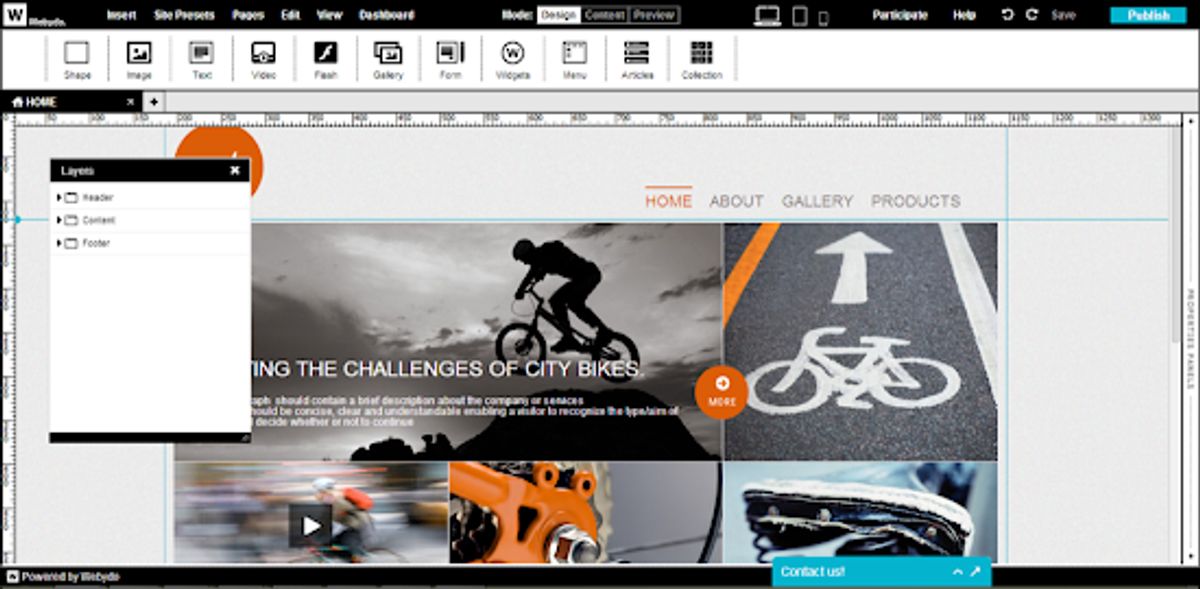
In the digital age, creating a website that not only stands out visually but also provides an exceptional user experience is crucial. A user-centric website design approach places the end-user at the forefront of the design process, ensuring that the website is tailored to their needs, behaviors, and expectations. This article delves into the principles and strategies of user-centric design, offering insights on how to engage users effectively through intuitive navigation, personalized interactions, and optimized performance. By examining case studies and success stories, we’ll explore how continuous improvement and leveraging technology can lead to more engaging and successful websites.
Key Takeaways
- User-centric design is essential for creating websites that are intuitive, accessible, and engaging to the target audience.
- Incorporating user research and feedback throughout the design process leads to improved usability and satisfaction.
- Personalization and responsive design techniques are key strategies for enhancing user engagement and experience.
- Website performance, including speed optimization and reliability, is critical for retaining users and improving conversions.
- Continuous improvement and the use of analytics and AI can provide deeper insights and drive better user-centric solutions.
Understanding User-Centric Design Principles

Defining User-Centric Design
At the heart of user-centric design is the philosophy that the user should be at the forefront of the design process. This approach is not just about aesthetics; it’s about creating a product that is tailored to the user’s needs, behaviors, and expectations. By prioritizing the user, designers can create websites that are not only visually appealing but also functional and easy to navigate.
User-centric design is the polar opposite of designing based on the product owner’s assumptions. It involves a cyclical process of user research, analysis, design, testing, and evaluation, ensuring that the user’s needs are fully met. The process is iterative, with each stage refining the design to enhance the user experience.
The ultimate goal of user-centric design is to deliver a website that users find intuitive, enjoyable, and efficient to use.
To implement a user-centric design approach effectively, it is crucial to prioritize user feedback throughout the development process. This feedback is invaluable for making informed decisions that align with user expectations and for continuous improvement post-launch.
The Role of User Research
User research is the backbone of a user-centric design approach. It involves a variety of methods such as surveys, interviews, and usability testing to gather data on user needs, behaviors, and pain points. This data is crucial for informing every stage of website development, ensuring that the final product aligns with user expectations and business goals.
By effectively analyzing and interpreting user feedback, we can transform raw data into actionable insights that drive design decisions.
Prioritizing user research encourages ongoing engagement with real users, helping to identify and solve problems before they escalate. Implementing changes based on user feedback requires strategic planning and collaboration between development and design teams. Below is a list of common user research methods:
- Surveys
- Interviews
- Usability testing
- Focus groups
- A/B testing
Each method provides unique insights that contribute to a more engaging web experience. It’s not just about collecting data, but about understanding the story behind the numbers and using that understanding to create intuitive and accessible websites.
Principles of Intuitive Navigation
Intuitive navigation is the cornerstone of a user-centric website design. It ensures that users can find what they’re looking for with ease and efficiency. Key principles include clear labeling, consistent layout, and logical organization of information. These elements work together to create a seamless experience that minimizes frustration and maximizes user satisfaction.
Intuitive navigation is not just about getting from point A to point B. It’s about creating a journey that feels natural and requires minimal cognitive effort from the user.
To achieve this, designers must consider the user’s perspective at every step. This involves a deep understanding of user behavior and preferences, which can be gleaned from meticulous user research. The goal is to reduce the learning curve and make the interaction with the website as instinctive as possible.
Here’s a simple list of intuitive navigation principles:
- Predictable navigation patterns
- Responsive feedback to user actions
- Accessibility for all users
- Minimization of the number of clicks to reach a destination
By adhering to these principles, designers can craft a navigation experience that feels familiar yet fresh, guiding users effortlessly to their desired content.
Optimizing User Experience for Engagement

Enhancing Usability
Enhancing usability is pivotal in creating a user-centric website design that fosters engagement. By focusing on the user’s needs and preferences, the design ensures intuitive and effortless interaction with the website. This approach not only aids in navigation but also in the overall satisfaction of the user experience.
Usability testing with real users is a core principle of user-centered design. Observing user interactions can reveal critical insights, allowing for the refinement of the interface to better meet user expectations.
To effectively enhance usability, consider the following points:
- Conduct thorough usability testing to identify and rectify potential issues.
- Ensure accessibility for all users, including those with disabilities.
- Optimize the website for various devices, providing a seamless experience across all platforms.
Remember, a well-designed user interface can significantly increase conversion rates and reduce customer service calls. It’s not just about aesthetics; it’s about creating a functional space that users can navigate with ease and confidence.
Personalization Strategies
In the realm of user-centric design, personalization is a cornerstone for creating an engaging user experience. By recognizing returning users and minimizing repetitive actions, such as form filling, websites can cater to individual preferences and behaviors. This tailored approach not only enhances user satisfaction but also drives content relevance and offer precision.
Personalization strategies extend beyond mere recognition of users. They involve leveraging data to deliver on-point content and recommendations, adapting user interfaces, and ensuring that each interaction feels unique to the user. AI tools play a pivotal role in analyzing user behavior and preferences, enabling a customized journey that resonates with diverse audiences.
To effectively implement personalization, consider the following steps:
- Utilize customer profile data to inform offers and content.
- Employ AI and machine learning for dynamic content delivery.
- Integrate natural language processing for intuitive user interactions.
- Regularly update personalization tactics based on user feedback and analytics.
Embracing these strategies can lead to a significant uplift in user engagement and conversion rates, ultimately contributing to the success of a user-centric website.
Improving Content Accessibility
Ensuring that all users, regardless of their abilities, can access and interact with your website’s content is a cornerstone of user-centric design. Accessibility should be a priority, not an afterthought, in the design process. By adopting inclusive design practices, you can cater to a wider audience and improve overall user engagement.
To improve content accessibility, consider the following strategies:
- Utilize semantic HTML to structure content meaningfully.
- Provide text alternatives for non-text content.
- Ensure that all interactive elements are keyboard accessible.
- Use sufficient contrast ratios for text and background colors.
- Implement ARIA (Accessible Rich Internet Applications) roles and properties when necessary.
By integrating accessibility into your design from the outset, you can create a more inclusive digital space that welcomes users of all abilities. This not only enhances the user experience but also reflects positively on your brand’s commitment to diversity and inclusion.
Remember, optimizing website usability with user-friendly interfaces and personalized paths is crucial. Prioritizing accessibility through semantic markup and inclusive design leads to better engagement and retention. Tools like AccessiBe, UserWay, and Khroma can assist in making your website more accessible to individuals with disabilities, thereby optimizing user journeys with a logical flow and clear navigation.
Leveraging Technology for User-Centric Solutions

Responsive Design Techniques
In the era of mobile-first indexing, responsive design is no longer optional; it’s a necessity for a user-centric website. Responsive design ensures that your website adapts to the screen size and orientation of the device it’s being viewed on, providing an optimal experience for every user.
To achieve a responsive design, consider the following steps:
- Optimize for different devices: Adjust font sizes, button placements, and content structure to suit various screen sizes.
- Prioritize improvements: Use user feedback to identify and address the most impactful issues.
- Create a responsive design roadmap: Plan out the changes needed to make your website responsive.
- Iterative design and development: Continuously refine your design based on user feedback and testing.
- Establish a culture of user feedback: Regularly collect and act on user input to enhance the responsive experience.
Embracing these responsive design techniques will not only make your website technically sound but also ensure it meets the evolving needs of your audience across all devices.
Remember, a responsive website is not just about adjusting to screen sizes; it’s about creating a seamless experience that enhances user engagement and satisfaction. By integrating responsive design into your website strategy, you align with web design guidelines that prioritize customer-centric design, making your site accessible and mobile responsive.
Utilizing Analytics for User Insights
In the realm of user-centric design, analytics serve as the compass that guides enhancements and personalization. By scrutinizing user behavior through analytics tools, designers can identify patterns and anomalies that suggest areas for improvement. Tools like Google Optimize and Optimizely are instrumental in this process, enabling A/B testing and real-time adjustments based on user interactions.
Analytics not only reveal what users are doing but also provide clues as to why they behave in certain ways. This deeper understanding is crucial for creating a more engaging and satisfying user experience.
To translate analytics into actionable insights, a structured approach is necessary. Here’s a simple framework:
- Consolidate data from various sources.
- Categorize feedback and behavior patterns.
- Analyze the data to identify trends and pain points.
- Strategize and implement changes to address user needs.
By following these steps and leveraging predictive analytics, designers can proactively optimize user journeys. The ultimate goal is to create a seamless and intuitive experience that resonates with users, thereby optimizing user experience through accessibility, analytics, and streamlined navigation for enhanced engagement and user satisfaction.
Incorporating AI for Personalized Interactions
The advent of AI in user experience design has revolutionized the way we interact with digital interfaces. By leveraging sophisticated algorithms, AI customizes the user’s experience, analyzing individual preferences, history, and behavior to offer a more engaging and intuitive interaction. This personalization extends across various facets of UX, from content recommendations to conversational interfaces.
AI-driven personalization strategies are not just about enhancing the user experience; they are about creating a seamless and memorable journey for each individual user.
For instance, AI can be utilized to deliver personalized content and recommendations, making each user feel uniquely understood. Emotional intelligence algorithms can detect sentiment and context, allowing for empathetic responses that resonate on a personal level. Moreover, AI tools like Pendo AI provide actionable insights, enabling designers to refine the user journey swiftly.
The table below outlines some key AI tools and their applications in enhancing user experience:
| AI Tool | Application | Benefit |
|---|---|---|
| Pendo AI | In-app onboarding | Timely support |
| NLP Technology | Conversational interfaces | Natural interactions |
| Predictive Analytics | Content suggestions | Relevant engagement |
Incorporating AI into UX design not only elevates the user experience but also ensures that digital experiences are inclusive and accessible to all users. It’s a step towards a future where technology adapts to us, creating a digital world that feels more human.
Ensuring Website Performance and Reliability

Speed Optimization Best Practices
Ensuring that your website loads swiftly is paramount for a positive user experience and can significantly affect conversion rates. Website speed optimization is not just about improving user satisfaction but also about gaining an edge in search engine rankings. To achieve this, a multifaceted approach is necessary, involving various technical strategies.
One of the first steps in speed optimization is to compress and optimize images. This reduces file sizes without compromising quality, allowing for faster loading times. Additionally, implementing browser caching can make a substantial difference, as it allows repeat visitors to load your website more quickly by storing elements of the site locally.
Another crucial aspect is to minimize HTTP requests by consolidating files and using CSS sprites. This reduces the number of server requests, which can bog down loading times. Employing a Content Delivery Network (CDN) can also enhance performance by distributing the load across multiple servers, thus speeding up access for users around the globe.
By focusing on these best practices, you can ensure that your website not only meets but exceeds the expectations of today’s internet users, who demand quick and responsive online experiences.
Lastly, regular maintainability testing and updates are essential to keep the website running smoothly. This includes code optimization and server optimization, which are critical for maintaining fast response times and overall site efficiency.
Maintaining Security and Privacy
In the realm of user-centric website design, maintaining security and privacy is not just a feature but a fundamental element that fosters user trust and engagement. Regular audits, updates, and quality assurance practices are crucial for website security and success. A maintenance plan that includes performance, security, SEO checks, and user-centered design principles ensures an optimal user experience.
To uphold the highest standards of security and privacy, it is essential to integrate maintainability testing, user-centric design, privacy, and security measures from the outset. This approach is crucial for successful and sustainable website performance optimization and user trust.
Here are some key steps to ensure website security and privacy:
- Conduct thorough security audits regularly.
- Keep all software and plugins up to date.
- Implement strong data encryption and secure user authentication.
- Adhere to legal and regulatory compliance standards.
- Establish a continuous feedback loop for security improvements.
Post-Launch Monitoring and Updates
After a website goes live, the journey towards maintaining its performance and security begins. Post-launch monitoring and updates are essential for website maintenance, including security, performance, and user feedback. Proactive care ensures reliability and user trust. Regular checks and updates can prevent potential issues from escalating and help maintain a seamless user experience.
The process of post-launch monitoring should be systematic and continuous, aiming to identify and resolve any issues promptly.
To effectively manage post-launch activities, consider the following steps:
- Conducting regular website health audits to assess performance, security, and usability.
- Implementing automated backups and security scans to safeguard against data loss and breaches.
- Tracking user interactions and feedback to inform ongoing improvements.
- Scheduling routine updates for the website’s core, plugins, and themes to ensure compatibility and functionality.
By embracing these practices, you can maintain the integrity of your website and provide users with a consistently positive experience.
Case Studies and Success Stories

Analyzing Successful User-Centric Websites
The essence of a user-centric website design is not just about aesthetics; it’s about creating an experience that resonates with the user’s needs and preferences. Successful user-centric websites, such as Amazon, Apple, Netflix, and LinkedIn, have set benchmarks in delivering exceptional user experiences. These platforms have mastered the art of empathy, clarity, accessibility, consistency, and feedback, which are fundamental to user-centric design.
By analyzing these successful websites, we can extract valuable insights into the strategies that drive user engagement and satisfaction. It’s evident that a deep understanding of the user’s journey and pain points is crucial. Iterative improvements based on user feedback have proven to be a winning approach for continuous enhancement of the user experience.
To illustrate the impact of user-centric design, consider the following examples:
- Amazon: Known for its personalized recommendations and seamless checkout process.
- Apple: Praised for its intuitive navigation and minimalist design that enhances usability.
- Netflix: Offers a highly personalized viewing experience with its smart content algorithms.
- LinkedIn: Provides a professional networking platform with features tailored to user goals.
These examples underscore the importance of a design philosophy that prioritizes the user at every step. As we delve into the specifics of each case, we uncover a common theme: the relentless pursuit of user satisfaction is the cornerstone of a successful online presence.
Lessons Learned from User Feedback
The integration of user feedback into the design process is a pivotal step towards creating a website that truly resonates with its audience. Gathering user feedback and data is essential for refining responsive design to cater to the needs of the target audience across various devices. A website’s appearance is important, but its usability is paramount, and user feedback is often the key to uncovering navigation issues and design flaws that aren’t immediately apparent.
By consolidating and categorizing feedback, teams can prioritize changes and apply them strategically, ensuring that the design remains optimized for a positive user experience.
Establishing a culture of user feedback within the development lifecycle is crucial. Regular user testing sessions, A/B testing, and analytics monitoring are practices that help maintain an optimized responsive design. This iterative approach to design and development, informed by continuous user feedback, ensures that the website evolves to meet user needs and expectations.
Here are some suggested tools for gathering and analyzing user feedback:
- Optimizely
- Google Optimize
- VWO
Continuous Improvement in Website Design
The journey of a user-centric website is never complete; it is a cycle of continuous improvement. To stay ahead, it’s crucial to prioritize enhancements based on user feedback and analytics. This approach ensures that the website evolves to meet the ever-changing user expectations and technological advancements.
By embedding a culture of user feedback into the development lifecycle, websites can adapt and grow in alignment with user needs.
An iterative design process is key, involving small, data-informed changes that are regularly tested and refined. This not only keeps the website fresh but also maintains high levels of user engagement and satisfaction.
To illustrate the process, consider the following steps:
- Analyze user feedback to identify areas for improvement.
- Prioritize changes based on impact and feasibility.
- Implement changes in small, manageable iterations.
- Conduct follow-up testing to validate the effectiveness of each change.
- Gather new feedback to inform further improvements.
This cycle of analysis, prioritization, implementation, testing, and feedback forms the backbone of a dynamic and responsive user-centric design strategy.
Discover how our tailored web solutions have propelled businesses to new heights in our ‘Case Studies and Success Stories‘ section. Each story is a testament to our commitment to excellence and our ability to deliver results that matter. Don’t just take our word for it; see for yourself the difference we can make. Visit our website now to explore our success stories and learn how we can help your business thrive in the digital world.
Conclusion
In conclusion, adopting a user-centric website design approach is paramount for creating engaging and satisfying user experiences. Throughout this article, we’ve explored the importance of understanding user needs, behaviors, and expectations to craft websites that are not only visually appealing but also intuitive and easy to navigate. By prioritizing user feedback, focusing on usability, and ensuring content is organized in a user-friendly manner, businesses can significantly enhance their online presence and conversion rates. The examples and strategies discussed serve as a testament to the effectiveness of this approach. As we continue to navigate the digital landscape, it’s clear that putting users at the forefront of website design is not just beneficial—it’s essential for success in today’s competitive online environment.
Frequently Asked Questions
What is user-centric website design?
User-centric website design is a philosophy and approach that places the user at the forefront of the design process, focusing on understanding and meeting user needs, behaviors, and expectations to create websites that are not only visually appealing but also intuitive and easy to use.
Why is user research important in user-centric design?
User research is critical in user-centric design as it involves gathering valuable data through methods like surveys, interviews, and user testing to inform every stage of website development, ensuring the website is tailored to the actual needs and pain points of the users.
How does personalization enhance user engagement?
Personalization strategies in website design cater to individual user preferences and behaviors, creating a more relevant and engaging experience that increases user satisfaction, retention, and conversion rates.
What role does website performance play in user experience?
Website performance, including speed and reliability, is fundamental to user experience. Fast loading times and consistent uptime contribute to user satisfaction, while poor performance can lead to frustration and higher bounce rates.
How can analytics improve user-centric design?
Analytics provide insights into user behavior on a website, allowing designers to make data-driven decisions to optimize the user experience based on actual usage patterns and preferences.
What is the impact of responsive design on user experience?
Responsive design ensures that a website is accessible and functional across various devices and screen sizes, providing a seamless experience that adapts to the user’s context and device, thereby improving overall user satisfaction.