User-Centric Website Design Approach for Engaging User Experience
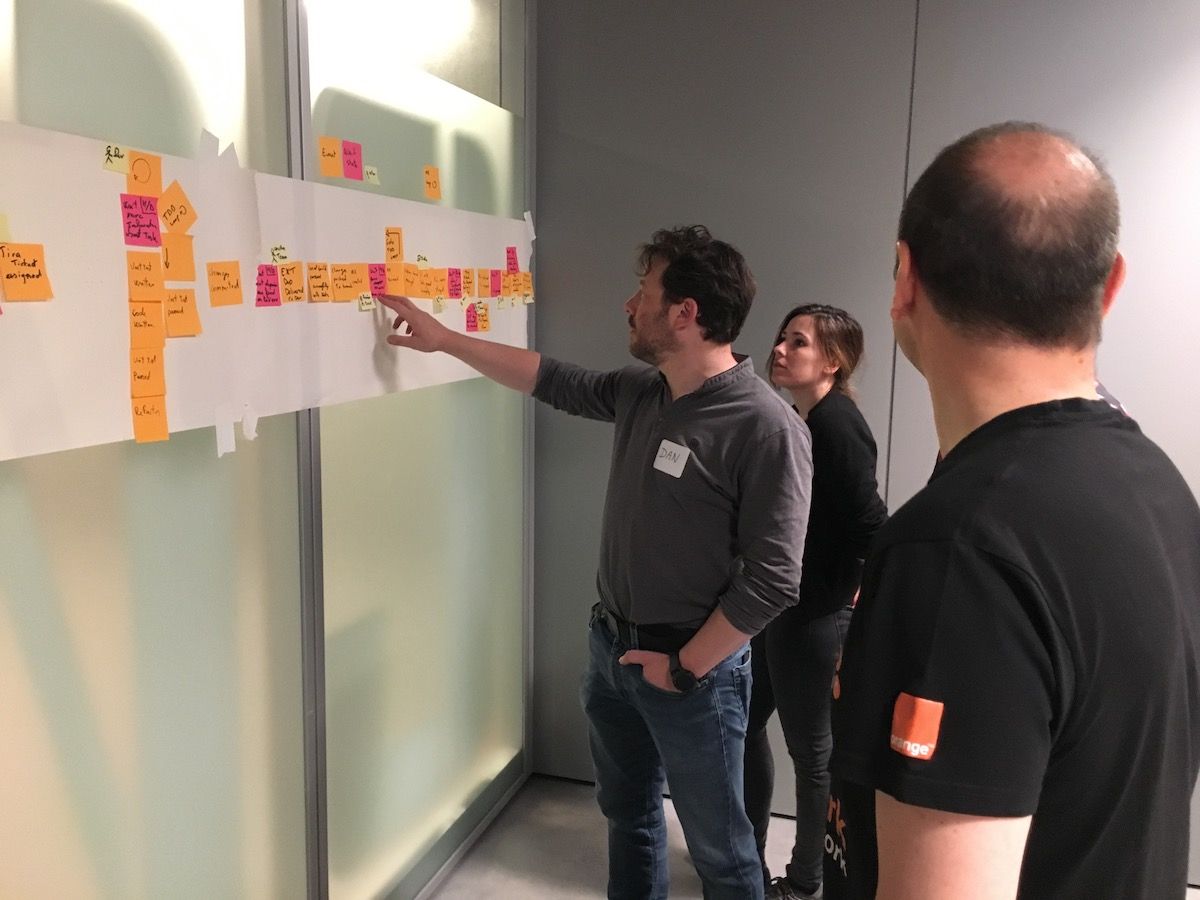
In the digital landscape, websites serve as the primary interface between businesses and their customers. Embracing a user-centric website design approach is crucial for creating engaging user experiences that not only meet but exceed user expectations. This approach involves understanding the users’ needs, preferences, and behaviors to create intuitive, accessible, and enjoyable digital environments. The following key takeaways highlight the essence of user-centric design and its impact on user engagement and satisfaction.
Key Takeaways
- User-centric design prioritizes the user’s needs and behaviors, leading to increased usability and satisfaction.
- Effective user research is fundamental in aligning business objectives with user expectations to enhance the overall experience.
- Intuitive navigation and website performance optimization are critical strategies for improving user engagement.
- Accessibility and usability must be integral parts of the design process to ensure inclusive and user-friendly websites.
- Continuous improvement through analytics, feedback, and A/B testing is essential for maintaining and refining user-centric design.
Understanding the Fundamentals of User-Centric Design
The Philosophy of User-Centricity
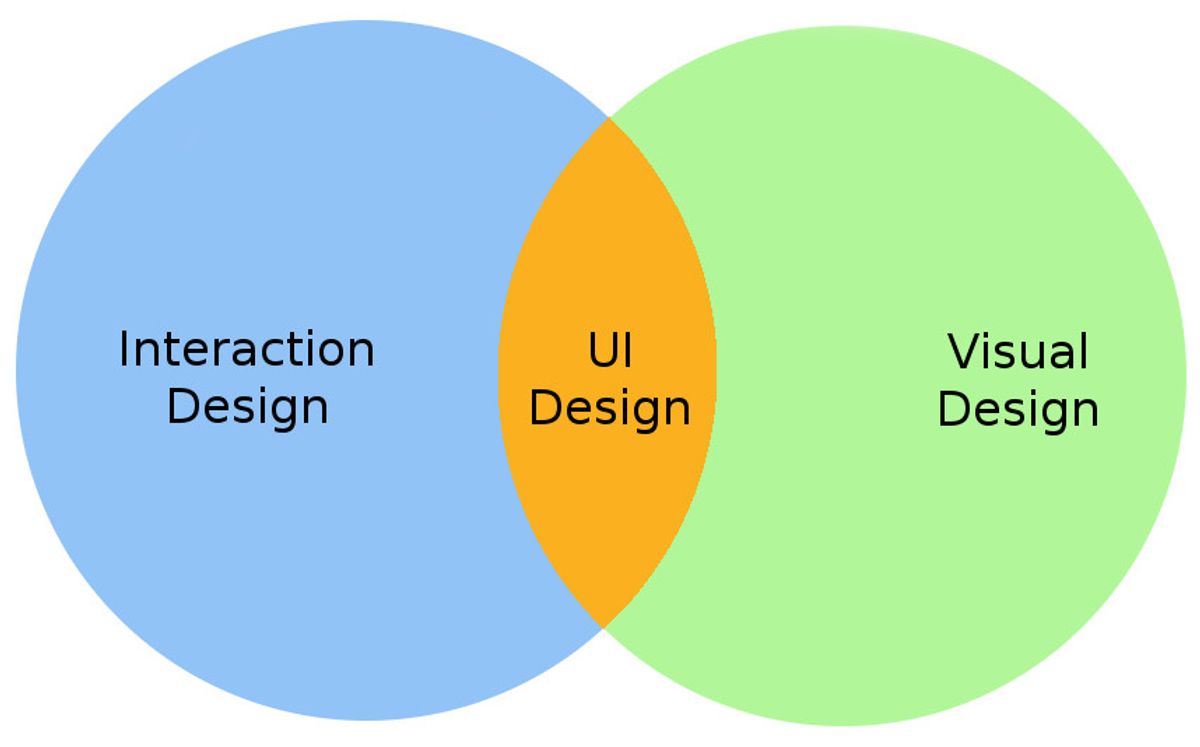
At the heart of user-centric design lies the commitment to deeply understand and prioritize the needs and behaviors of users. It involves gaining deep insights into user behaviors, motivations, and pain points to inform design decisions. This philosophy is not just about aesthetics; it’s about creating a seamless and meaningful experience that resonates with the user on a personal level.
By placing the user at the center of the design process, we ensure that every aspect of the website is crafted with the user’s perspective in mind. This approach leads to products that are not only functional but also delightful to use.
Embracing user-centricity means that we must continuously seek to understand our users. This involves iterative processes where feedback is not an afterthought but a guiding principle. Below is a list of key principles that embody the user-centric approach:
- Empathy for the user
- Inclusivity and accessibility
- Continuous learning and adaptation
- Data-driven design enhancements
- Collaboration across disciplines
Aligning Business Goals with User Needs
To create a user-centric website that resonates with both the audience and the business, it’s essential to align user needs with business goals. This alignment ensures that the website not only serves the users effectively but also contributes to the business’s success.
-
Conduct User Research: Start by understanding your users through surveys, interviews, and observations. This step is crucial for uncovering user needs, pain points, and preferences, which can then be mapped to business objectives.
-
Define Business Goals: Clearly articulate what the business aims to achieve with the website. Whether it’s increasing conversions, improving engagement, or enhancing user satisfaction, these goals must be in sync with user-centric design principles.
-
Involve Stakeholders: Ensure that solutions developed are user-centered and aligned with the broader business strategy by involving stakeholders from various departments.
By focusing on both user needs and business goals, you can create innovative solutions that enhance engagement and drive business growth.
Continuously evaluate and adjust the balance between user needs and business goals to keep your products and services competitive in a dynamic market.
Conducting Effective User Research
Effective user research is the cornerstone of a user-centric design approach. It involves a systematic examination of user behavior, needs, and motivations to inform design decisions. Conducting user research through surveys, interviews, and observation can provide valuable insights into user preferences and pain points, leading to a more engaging user experience.
- Prepare thoroughly for your chosen research method.
- Create clear and unbiased survey designs, testable prototypes, or interview questions.
- Conduct the research methodically, ensuring to capture all relevant data.
- Analyze the findings to uncover actionable insights.
By regularly testing the design with real users, designers can identify usability issues and gather feedback, which is essential for iterative improvement. This process not only enhances the user experience but also aligns with business goals by identifying opportunities for innovation.
Remember, the goal of user research is not just to collect data, but to translate that data into meaningful design improvements. Utilizing tools and software can help streamline the gathering and analysis of user feedback, making the process more efficient and effective.
Strategies for Enhancing User Experience

Implementing Intuitive Navigation
Intuitive navigation is the cornerstone of a user-friendly website. It ensures that users can find what they’re looking for quickly and effortlessly. Effective website navigation involves understanding user behavior, implementing user-centric features, leveraging data for optimization, and creating intuitive menu structures for enhanced user experience.
To achieve this, consider the following steps:
- Conduct user testing to gather feedback on your navigation’s ease of use.
- Utilize card sorting exercises with representative users to determine the most logical structure.
- Simplify your navigation by limiting the number of menu items and avoiding deep nesting.
- Ensure clear labels for all navigational elements and provide a search function for efficiency.
By focusing on these aspects, you can significantly improve the navigational experience, leading to increased user satisfaction and better overall engagement with your site.
Remember, a well-structured website with intuitive navigation not only aids user experience but also contributes to the site’s SEO performance. Users should never feel lost or frustrated when trying to locate information. Regularly reviewing and refining your navigation based on analytics and user feedback is crucial for maintaining an optimal user experience.
Optimizing Website Performance
In the realm of user-centric design, website performance is a cornerstone that can significantly influence user engagement and satisfaction. Users expect websites to load quickly and run smoothly, with a delay of just a few seconds potentially increasing bounce rates and diminishing the overall user experience. To address these expectations, several optimization techniques can be employed.
Optimizing website performance is not just about speed; it’s about creating a seamless experience that keeps users engaged and satisfied.
For instance, image compression is a critical step in reducing page load times while maintaining visual quality. Implementing browser caching can also have a profound impact, allowing repeat visitors to experience faster load times. Additionally, minimizing the use of heavy scripts and optimizing CSS and JavaScript files through minification can lead to more efficient page rendering.
Here’s a quick checklist to help ensure your website is performing at its best:
- Compress images without losing quality
- Leverage browser caching
- Minify CSS and JavaScript files
- Optimize the use of external scripts
- Regularly review performance using a comprehensive checklist
By following these steps and regularly analyzing website performance, businesses can create unforgettable experiences that meet user expectations and foster loyalty.
Personalizing User Interactions
Personalizing user interactions on a website can significantly boost user engagement and satisfaction. AI-driven personalization is a game-changer, allowing websites to adapt content, recommendations, and layout in real-time based on individual user behavior. This dynamic approach can lead to higher conversion rates and foster customer loyalty.
Microinteractions are another powerful tool in personalizing user experiences. These subtle animations and responses to user actions not only increase engagement but also add a memorable touch to the interface.
Incorporating chatbots can enhance user interaction by providing immediate assistance and answers to user queries. This level of responsiveness ensures users feel supported throughout their journey on the site. To illustrate the impact of personalization, consider the following points:
- Intriguing microinteractions that delight users
- AI-driven content adaptation for a tailored experience
- Chatbots for real-time user support
By focusing on these personalized elements, websites can create a more engaging and user-friendly environment that resonates with visitors.
Designing for Usability and Accessibility

Adhering to Web Content Accessibility Guidelines
Ensuring that your website is accessible to all users, including those with disabilities, is a cornerstone of user-centric design. Accessible websites are not only a legal requirement but also a reflection of inclusivity and social responsibility. Simple steps can make a significant difference in accessibility:
- Use alt text for images to describe visual content.
- Ensure that your site can be navigated using a keyboard alone.
- Employ contrasting colors for text and background to enhance readability.
By integrating user feedback and monitoring behavior, websites can be refined for better customer service and business success. Adherence to accessibility guidelines is a continuous process that benefits from regular updates and user research.
One crucial aspect of accessibility is designing for users with visual impairments, which includes ensuring compatibility with screen readers and other assistive technologies. This not only aids those who are blind or have low vision but also enhances the overall user experience. Remember, usability and accessibility go hand in hand with a user-centric approach.
Simplifying Content for Better Comprehension
In the realm of user-centric design, clarity and simplicity are paramount. Websites must present information in a manner that is easily digestible and straightforward. This involves streamlining interfaces and ensuring that content is prioritized effectively. Simplification does not mean a reduction in quality, but rather an enhancement of the user’s ability to understand and engage with the site.
- Use clear and concise language.
- Break down complex information into bullet points or short paragraphs.
- Employ visual aids like icons and infographics to complement text.
By focusing on the user’s comprehension, we create an environment that is not only accessible but also more enjoyable to navigate. Optimizing website usability with user-friendly interfaces and speed optimization leads to better engagement and retention.
Personalization is also a key factor in simplifying content. Tailoring information to meet the user’s specific needs can significantly improve their experience. This approach requires a deep understanding of user behavior data and a commitment to continuous testing and iteration. Ultimately, the goal is to create a seamless navigation experience that resonates with the user, ensuring that they find what they are looking for with ease.
Creating Responsive and Mobile-Friendly Interfaces
In the realm of user-centric design, ensuring that websites are responsive and mobile-friendly is not just a trend, but a necessity. With the increasing use of smartphones and tablets for internet access, a website must perform seamlessly across all devices. This adaptability not only enhances the user experience but also supports better search engine rankings.
- Prioritize mobile-first design to ensure content is easily accessible on smaller screens.
- Utilize flexible grid layouts that adapt to the screen size and orientation.
- Implement scalable vector graphics (SVGs) for high-quality visuals that do not pixelate on zoom.
- Test the website on various devices and browsers to guarantee compatibility and performance.
By focusing on mobile responsiveness, designers can create interfaces that are both aesthetically pleasing and functionally robust, catering to the needs of a diverse user base.
The integration of user feedback is also pivotal in refining the mobile experience. Continuous analysis and iteration based on real user interactions lead to interfaces that are not only user-friendly but also aligned with the users’ actual preferences and behaviors.
Leveraging Analytics and Feedback for Continuous Improvement

Utilizing User Behavior Data
In the realm of user-centric design, utilizing user behavior data is pivotal for refining the user experience. By analyzing how users interact with a website, designers can identify patterns and pain points that may not be immediately apparent. This data-driven approach ensures that design decisions are not based on assumptions but on actual user behavior, leading to a more intuitive and satisfying experience for the user.
Leveraging user behavior data allows for a continuous cycle of improvement. It’s not just about collecting data; it’s about interpreting it to make informed decisions that enhance usability and engagement.
To effectively utilize user behavior data, consider the following steps:
- Implement tracking tools to monitor user interactions.
- Analyze the data to understand user flows and identify bottlenecks.
- Test changes and measure the impact on user behavior.
- Iterate based on findings to optimize the user experience continuously.
By prioritizing user goals and optimizing website usability, businesses can foster better engagement and ultimately drive success.
Incorporating User Feedback into Design Iterations
The iterative design process is a cornerstone of user-centric website development. Incorporating user feedback into each iteration not only enhances the user experience but also aligns the final product more closely with user expectations. One of the simplest ways to gather feedback from your users is to simply ask them. This can be done through various channels such as in-person interviews, emails, or online surveys.
By actively seeking out and valuing user feedback, designers can create a more engaging and effective website.
Feedback should be collected at multiple stages of the design process, from the initial concept to the final testing phase. This allows for the identification and resolution of issues early on, which can save time and resources. Additionally, it fosters a culture of continuous improvement and adaptation to user needs.
Here are some steps to effectively incorporate user feedback:
- Develop a clear plan for collecting feedback at various stages.
- Analyze the feedback to identify common themes and areas for improvement.
- Prioritize the changes based on their potential impact on the user experience.
- Implement the changes and monitor their effect on user behavior.
- Repeat the process to refine the design further.
A/B Testing for Optimal Design Choices
A/B testing is a critical step in the user-centric design process, allowing designers to make data-driven decisions. By comparing two versions of a web element, we can measure which one better achieves the desired outcome, such as increased user engagement or higher conversion rates. This method involves presenting the ‘A’ version to one user group and the ‘B’ version to another, then analyzing the results to determine the more effective option.
The key to designing a successful A/B test is to determine which elements can be compared and contrasted against new or alternative designs.
For instance, you might test different call-to-action buttons, page layouts, or messaging. The table below shows a simplified example of how A/B testing results might be presented:
| Element Tested | Version A | Version B | Conversion Rate Increase |
|---|---|---|---|
| CTA Button | Original | New Design | 20% |
| Page Layout | Version 1 | Version 2 | 15% |
| Messaging | Current | Revised | 10% |
After analyzing the data, it’s essential to iterate on the design. Use the insights gained to refine the user experience continually. Remember, A/B testing is not a one-time event but a continuous cycle of testing, learning, and improving.
Case Studies: Successful User-Centric Website Designs

E-commerce Platforms: Enhancing Shopping Experiences
In the realm of e-commerce, a user-centric design approach is not just beneficial; it’s essential for success. Businesses that prioritize the user experience often see a direct impact on their bottom line. For instance, an online grocery shopping service revamped their system to allow customers to quickly add frequently purchased items to their cart, which led to a surge in user satisfaction and sales.
By simplifying the shopping process and reducing friction, e-commerce platforms can significantly enhance the customer journey. This approach is evident in the checkout process redesign of a certain website, where the introduction of guest checkout and autofill options reduced cart abandonment rates.
To illustrate the effectiveness of user-centric design, consider the following examples:
- A fashion and beauty e-commerce site implemented a custom design strategy, focusing on user experience to boost conversion rates.
- An educational platform provided hands-on training and tutorial sessions, ensuring users could easily navigate and utilize the site.
- A health care services provider tracked user interaction post-launch to identify and implement further improvements.
These cases demonstrate that a deep understanding of user needs and behavior is crucial for creating engaging shopping experiences that drive conversions and foster loyalty.
Educational Websites: Facilitating Learning and Engagement
Educational websites that embrace a user-centric design approach can significantly enhance the learning experience. By prioritizing the needs of students and educators, these platforms become more intuitive and engaging. A user-centric design process involves research, design, testing, and refinement, with a focus on navigation, content clarity, speed, and aesthetics to foster engagement.
The goal is to create an environment that is not only informative but also encourages interaction and exploration.
For instance, library websites that have been redesigned with user-centric principles report improved user-friendliness and interactivity. This facilitates information retrieval and heightens user engagement. Digital libraries, in particular, offer the flexibility of accessing resources from anywhere, at any time, supporting e-learning with current research and organized e-learning resources.
Here are some key benefits of user-centric design for educational websites:
- Enhanced usability and user experience
- Easy access to electronic resources
- Effective content structuring with clear headings and subheadings
- Creation of high-fidelity prototypes for testing and feedback
By continuously incorporating user feedback and analyzing user behavior data, educational websites can evolve to meet the changing needs of their audience, ensuring a dynamic and supportive online learning environment.
Non-Profit Organizations: Maximizing Impact and Outreach
Non-profit organizations often operate with limited resources, making it crucial to leverage user-centric website design to maximize impact and outreach. By focusing on the user’s experience, non-profits can ensure that their message resonates and their goals are met with efficiency.
Key elements of a user-centric approach include empathy, clarity, and accessibility—qualities that align with the core values of many non-profit missions. A well-designed website can serve as a powerful tool for storytelling, fundraising, and community building. Below is a list of considerations for non-profits aiming to enhance their online presence:
- Prioritize clear and compelling content that communicates the organization’s mission and impact.
- Implement intuitive navigation to guide visitors to important information and calls to action.
- Ensure the website is accessible to all users, including those with disabilities, by adhering to WCAG standards.
- Utilize feedback mechanisms to gather insights from users and make iterative improvements.
By adopting a user-centric design, non-profits can create digital experiences that engage users and foster a sense of community and support. This approach not only aids in achieving organizational goals but also amplifies the voices and stories that drive the non-profit’s mission.
Continual analysis and optimization are essential for maintaining an engaging user experience. This includes monitoring user behavior data, incorporating user feedback, and employing A/B testing to refine design choices. The result is a dynamic and responsive website that evolves with the needs of its audience and the objectives of the organization.
Dive into our collection of case studies showcasing successful user-centric website designs that have propelled businesses to new heights. Our expert team at AM2 has crafted digital experiences that are not only visually stunning but also highly functional, ensuring a seamless user journey. Whether you’re looking to revamp your WordPress site, optimize for performance, or create a custom web application, we have the skills and experience to bring your vision to life. Don’t just take our word for it; explore our work and see the results for yourself. Ready to transform your online presence? [Visit our website] and let’s start a conversation about your project’s success.
Conclusion
In conclusion, adopting a user-centric website design approach is pivotal for creating engaging and satisfying user experiences. By prioritizing usability, clarity, and simplicity, and by incorporating user feedback into the design process, businesses can develop websites that not only meet but exceed user expectations. The practical tips and real-world examples discussed in this article underscore the importance of understanding user needs and behaviors. As we’ve seen, whether it’s for library websites, digital products, or e-commerce platforms, a user-centric design leads to improved user satisfaction, increased conversions, and enhanced brand loyalty. It’s clear that in the digital age, the success of a website is deeply intertwined with how well it resonates with its users, making user-centric design not just a best practice, but a necessary strategy for any business looking to thrive online.
Frequently Asked Questions
What is user-centric website design?
User-centric website design is an approach that prioritizes the needs, preferences, and behaviors of users when creating a website. It involves conducting thorough user research to understand the audience and designing with the goal of enhancing the user experience, ensuring the website is intuitive, accessible, and satisfying to use.
How does user-centric design align with business goals?
User-centric design aligns with business goals by focusing on user satisfaction, which can lead to increased engagement, higher conversion rates, and customer loyalty. By meeting user needs effectively, businesses can improve their online presence and performance, ultimately driving success and growth.
What are the key strategies for enhancing user experience on a website?
Key strategies for enhancing user experience include implementing intuitive navigation, optimizing website performance for speed and reliability, and personalizing user interactions to cater to individual user preferences and behaviors. These strategies help create a seamless and engaging online experience for users.
Why is accessibility important in website design?
Accessibility is crucial in website design as it ensures that all users, including those with disabilities, can access and use the website effectively. Adhering to Web Content Accessibility Guidelines (WCAG) helps in creating an inclusive digital environment, improving usability for a wider audience, and complying with legal standards.
How can analytics and user feedback be used to improve a website?
Analytics and user feedback provide insights into user behavior, preferences, and challenges faced on a website. By analyzing this data, designers and developers can identify areas for improvement, make informed design iterations, and conduct A/B testing to determine the most effective design choices, leading to continuous enhancement of the user experience.
Can you provide examples of successful user-centric website designs?
Examples of successful user-centric website designs include e-commerce platforms that offer personalized shopping experiences, educational websites that facilitate learning and engagement, and non-profit organizations’ websites that maximize impact and outreach through clear messaging and easy navigation.