User-Centric Website Design Approach for Engaging User Experience

In the digital age, crafting a website that resonates with users is paramount to success. A user-centric website design approach prioritizes the needs and preferences of the user, aiming to create a seamless and engaging user experience. This approach not only meets the functional requirements of a website but also enhances user satisfaction and loyalty. By focusing on the user at every stage of the design process, businesses can ensure that their website is not only visually appealing but also intuitive, accessible, and effective in meeting user expectations.
Key Takeaways
- User-centric design is a strategy that prioritizes the user’s experience and feedback throughout the design process to enhance engagement and satisfaction.
- Balancing aesthetics with functionality is crucial; a visually appealing site must also be easy to navigate and use to retain users.
- Enhancing user engagement involves intuitive navigation, multimedia elements, and personalization to create a tailored user experience.
- Website performance optimization, including site speed, mobile responsiveness, and regular updates, is key to user satisfaction.
- Integrating customer feedback into website design through tools and analytics ensures continuous improvement and alignment with user needs.
Understanding User-Centric Design Principles
Defining User-Centric Design
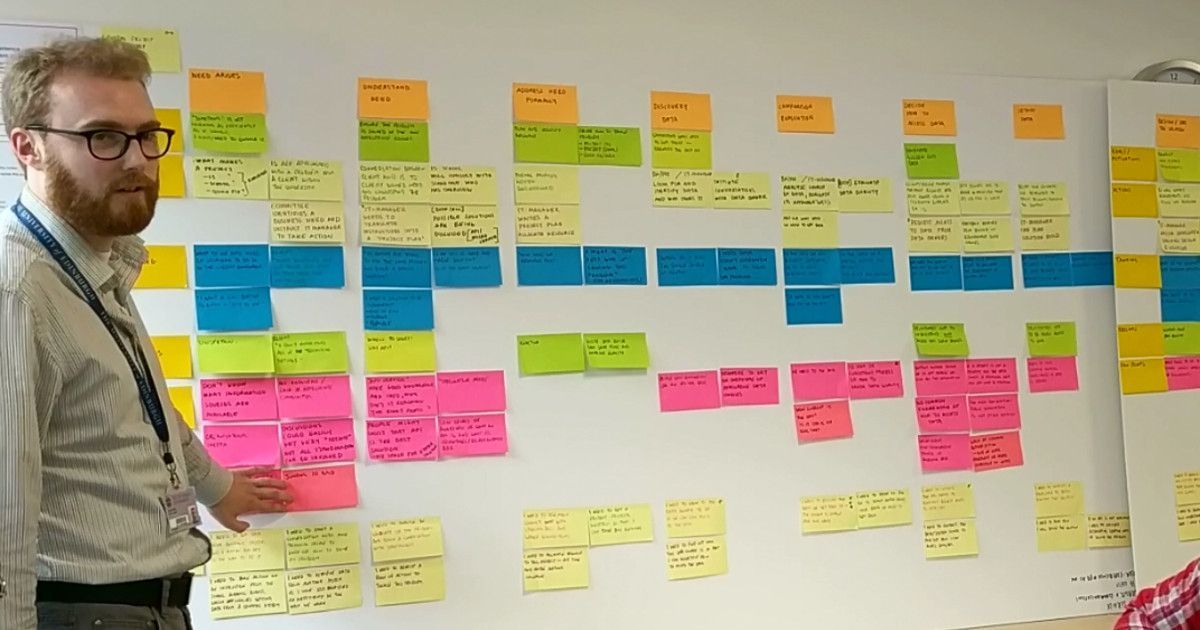
At the heart of user-centric design is the philosophy that the user’s needs and preferences are the primary focus throughout the design process. This approach involves a deep understanding of the target audience, including their behaviors, goals, and challenges. By prioritizing the user, designers can create more intuitive and accessible websites that foster a positive user experience.
Key elements of user-centric design include empathy for the user, inclusivity, and the creation of personalized interactions. These components work together to ensure that the website not only meets the functional requirements but also resonates with users on a personal level. Here’s a brief overview of these core elements:
- Empathy: Understanding the emotions and motivations of users.
- Inclusivity: Ensuring the website is accessible to all, regardless of ability or context.
- Personalization: Tailoring the experience to individual user preferences.
User-centric design principles focus on aligning websites with user needs, behaviors, and satisfaction. The ultimate goal is to deliver a seamless user experience that not only meets but exceeds user expectations. By integrating these principles into the design process, websites become more than just a collection of pages; they become dynamic spaces that engage and delight users.
The Importance of User Feedback
User feedback is the cornerstone of a user-centric design approach. It provides invaluable insights into user needs, preferences, and pain points. By actively seeking and incorporating feedback, designers can create more intuitive and effective websites.
Feedback mechanisms such as surveys, suggestion boxes, and usability testing are essential for understanding the user experience. Here’s a simple list of methods to gather user feedback:
- Online surveys and questionnaires
- User interviews and focus groups
- Usability testing sessions
- Feedback forms on the website
- Monitoring social media and forums
It’s not just about collecting feedback, but also about acting on it. Regularly updating the design based on user input ensures that the website remains relevant and user-friendly.
Challenges such as privacy concerns or demographic disparities can hinder the feedback process. It’s crucial to create an environment where all users feel comfortable sharing their thoughts. AM2 Studio recognizes these challenges and strives to provide a comprehensive approach to web development, ensuring that all voices are heard and catered to.
Balancing Aesthetics and Functionality
In the realm of user-centric design, balancing aesthetics with functionality is a pivotal aspect that can make or break the user experience. A website must not only captivate users with its visual appeal but also provide a seamless and intuitive interface that facilitates user goals. This dual focus ensures that the design is not only pleasing to the eye but also practical and efficient in its use.
Functionality should be the cornerstone of any design, aiming to improve customer satisfaction and effectively meet user goals. Conversely, aesthetics play a crucial role in engaging the user’s attention and creating a memorable first impression.
To achieve this balance, designers must adopt a ‘functionality first’ mindset while also incorporating elements that enhance the visual narrative of the website. Clear, concise typography, a harmonious color scheme, and responsive design are just a few components that contribute to a design that is both beautiful and functional. Below is a list of key considerations when striving for this equilibrium:
- Use familiar design elements that resonate with users
- Ensure text readability with ample contrast
- Implement responsive design for a seamless experience across devices
- Regularly analyze user interface for usability improvements
By involving users in the design process and focusing on creating interfaces that are intuitive, functional, and visually appealing, designers can craft experiences that truly resonate with users.
Strategies for Enhancing User Engagement

Creating Intuitive Navigation
Intuitive navigation is the cornerstone of a user-centric website design. It ensures that users can find what they’re looking for with ease, contributing to a seamless and satisfying experience. To achieve this, it’s essential to understand user behavior and design navigation that aligns with their expectations.
By simplifying the navigation structure and eliminating unnecessary complexity, we can create a more accessible and inclusive environment for all users.
Here are some key elements to consider when designing intuitive navigation:
- Consistency in menu layouts and labeling
- Logical grouping of content
- Clear visual hierarchies
- Minimized number of clicks to reach desired content
- Responsive design for various devices
Effective navigation not only enhances user experience but also supports the goal of fostering meaningful interactions and engagement. It’s a balance of aesthetics and functionality, leveraging data for optimization to ensure that the navigation feels natural to the user.
Leveraging Multimedia Elements
In the realm of user-centric website design, multimedia elements play a pivotal role in enriching the user experience. By incorporating a mix of text, images, video, and audio, websites can cater to diverse user preferences and learning styles, ultimately fostering a more engaging environment.
- Text: Provides detailed information and is easily searchable.
- Images: Capture attention and can convey messages quickly.
- Video: Offers a dynamic way to present content and can increase dwell time.
- Audio: Enhances storytelling and can be accessed by users on the go.
The integration of multimedia must be strategic and purposeful, ensuring that each element adds value and does not detract from the overall user experience.
Moreover, multimedia elements must be optimized for performance to prevent slow loading times that can frustrate users. This optimization includes techniques such as image compression, proper video hosting, and the use of audio files that are web-friendly. The Art of Engagement: Elevating Web Design with Multimedia Magic, snippet: Dive into the captivating world of multimedia web design, where we explore the art of using dynamic visuals to transform websites.
Personalization and User Experience
In the digital landscape, personalization is a cornerstone of user-centric design, shaping the way users interact with websites. Adherence to accessibility standards enhances user experience, ensuring that content is inclusive and reaches a broader audience. Personalization strategies can be as simple as remembering user preferences or as complex as AI-driven recommendations that evolve over time.
- Utilize browsing history and previous interactions to tailor content and offers.
- Create adaptable interfaces that recognize returning users, minimizing form repetition.
- Employ AI to refine user experiences based on behavior and preferences.
By focusing on the individual needs and preferences of users, websites can foster a sense of connection and relevance, leading to increased engagement and satisfaction.
The user-centric design process is iterative, involving research, design, testing, and refinement. It’s essential to prioritize user needs to enhance engagement, with a focus on intuitive navigation, content clarity, speed, and aesthetics. Personalization and interactive elements drive engagement and satisfaction, benefiting all users, and are key to a successful user experience.
Optimizing Website Performance for User Satisfaction

Improving Site Speed and Responsiveness
In the digital age, website performance is paramount to user satisfaction. A slow-loading site can lead to increased bounce rates and lost opportunities. To combat this, there are several strategies that can be employed to enhance site speed and responsiveness.
Firstly, optimizing images is crucial. Large, unoptimized images can drastically slow down page load times. By compressing images and using appropriate formats, you can maintain visual quality while reducing file size. Additionally, implementing caching can have a significant impact. Caching stores copies of files so that they can be served more quickly to users, improving the overall experience.
Another key aspect is the minimization of scripts. Reducing the number of CSS and JavaScript HTTP requests and optimizing file sizes can lead to faster loading times. It’s also important to optimize the use of external scripts, as excessive requests to third-party tools can hinder performance.
Regular maintenance and updates are essential to keep a website running smoothly. This includes updating the core platform, plugins, and themes to ensure compatibility and security. A well-maintained website not only performs better but also instills trust in users.
By focusing on these areas, you can create a functional environment that serves your customers efficiently and effectively, leading to improved user engagement and satisfaction.
Mobile Optimization: A Necessity
In the realm of user-centric website design, mobile optimization is no longer optional; it’s a critical component for success. With the majority of internet traffic now coming from mobile devices, a website must provide a flawless experience on smartphones and tablets to meet user expectations and maintain engagement.
-
Responsive Design: Ensuring your site is responsive is the first step towards mobile optimization. This means your website automatically adjusts to fit the screen size of the device it’s being viewed on, providing a seamless user experience.
-
Speed and Performance: Mobile users are often on-the-go, and they expect quick loading times. Optimize images, minify scripts, and leverage caching to improve site speed.
-
Usability Enhancements: Use large, easily clickable buttons, and increase font size for readability on small screens. Simplify menus and reduce the number of steps required to complete actions.
By focusing on these mobile optimization strategies, you can ensure that your website is not only functional but also enjoyable for mobile users. This not only helps retain users but also contributes to better search engine rankings.
Remember, optimizing user experience across devices through responsive design principles and mobile usability enhancements is essential for seamless engagement and performance.
Regular Maintenance and Updates
Ensuring that a website remains effective and secure requires regular maintenance and updates. This ongoing process is crucial for several reasons, including the optimization of load times, which directly impacts user experience. Maintenance tasks often include updating content, fixing bugs, and addressing security vulnerabilities.
Regular maintenance includes optimizing load times and ensuring your website runs smoothly, providing a better user experience.
Additionally, compatibility with new technologies and web standards must be maintained to ensure that all users have a seamless experience, regardless of the device or browser they use. A well-maintained website also benefits from improved search engine rankings, as search engines favor sites that are up-to-date and responsive.
Here are some key maintenance activities:
- Optimizing images to reduce load times without compromising quality.
- Implementing caching to enhance performance and user experience.
- Minifying scripts to streamline code and improve loading times.
- Regularly updating plugins and themes to secure the website from vulnerabilities.
By investing in regular maintenance, website owners can avoid the pitfalls of outdated content and technology, which can lead to a decline in user engagement and trust.
Integrating Customer Feedback into Website Design

Tools for Collecting User Insights
To create a user-centric website, it’s essential to gather user insights effectively. Various tools are available to help collect this valuable feedback, each with its own strengths. For instance, surveys and suggestion boxes are straightforward methods to solicit direct user input. In-depth interviews can provide detailed insights, while usability testing allows for observation of user interactions in real-time.
A popular choice among these tools is Hotjar, which offers screen recording and heatmaps, making it ideal for collecting actionable insights and interpreting user feedback. Another notable tool mentioned in the HubSpot Blog is designed for measuring customer satisfaction (CSAT) and Net Promoter Score (NPS) effectively and effortlessly.
By leveraging these tools, businesses can gain a comprehensive understanding of user behavior, preferences, and pain points, which is crucial for informed decision-making and website optimization.
Ultimately, the goal is to encourage ongoing engagement with real users and solve problems before they escalate. Regularly implementing changes based on user feedback ensures that the website remains aligned with user needs and expectations.
Analyzing User Behavior
To create a truly user-centric website, it’s crucial to analyze user behavior and understand how visitors interact with your site. Tools like Google Analytics provide valuable insights into user actions, such as the pages with the highest exit rates, which can indicate areas for improvement. By examining these metrics, designers can make data-driven decisions to enhance the user experience.
Personalization plays a significant role in user-centric design. Tailoring content and recommendations based on a user’s browsing history and previous interactions can lead to a more engaging and relevant experience.
Optimizing calls-to-action (CTAs) and conversion points is another critical aspect. A well-designed user interface (UI) can significantly impact the effectiveness of these elements, encouraging users to take the desired actions. Regularly tracking and measuring user interaction helps in identifying trends and areas that require attention, ensuring that the website evolves with the users’ needs.
Implementing Changes Based on Feedback
Once user feedback has been collected and analyzed, the next critical step is to implement changes that enhance the user experience. This process should be systematic and prioritized to address the most impactful areas first. A common approach includes the following steps:
- Identify critical issues and quick wins.
- Develop a plan for implementing changes, including resource allocation.
- Execute the changes, starting with those that have the highest priority.
- Monitor the impact of changes and gather additional feedback.
- Iterate on the process, making further adjustments as needed.
By continuously refining the website based on user feedback, businesses can ensure that their digital presence evolves in alignment with user expectations and needs, leading to improved satisfaction, engagement, and conversion rates.
It’s essential to maintain a balance between user demands and the strategic vision of the website. While user feedback is invaluable, not all suggestions can or should be implemented. Decisions should be made in the context of overall business goals and technical feasibility. Regular maintenance and updates are part of this ongoing cycle, ensuring that the website remains current and functional, thereby fostering a positive user experience.
Case Studies of Successful User-Centric Websites
E-commerce Giants: Learning from the Best
When it comes to e-commerce, giants like Amazon and Apple have set the bar high for user-centric design. Amazon’s one-click purchasing and Apple’s seamless ecosystem are not just features; they are strategic decisions aimed at simplifying the user journey. These platforms have mastered the art of iterative design with user feedback, ensuring that every aspect of the user experience is optimized for engagement and ease of use.
The key to their success lies in a relentless focus on the customer’s needs, making every interaction with the website intuitive and efficient.
To build a customer-centric website that drives sales, one must start by knowing the audience and choosing a modern platform. Keyword research, customer support, and follow-up are also crucial steps. Here’s a quick checklist for aspiring e-commerce platforms:
- Solve pain points for users
- Work on engagement
- Create a functional environment
- Focus on personalization
- Optimize the site for search engines
- Ensure quick website loading
By analyzing user behavior and implementing changes based on feedback, these e-commerce leaders create sustainable and profitable business models. Their approach to design and development serves as a blueprint for others looking to enhance their online presence.
Innovative Service Platforms
Innovative service platforms are revolutionizing the way users interact with digital services, offering seamless experiences that cater to the modern consumer’s expectations. These platforms are not just about aesthetics; they are built on a foundation of user-centric design principles that prioritize ease of use and intuitive functionality.
By focusing on the user’s journey, innovative platforms ensure that every touchpoint is optimized for engagement and efficiency.
For instance, LinkedIn has continuously evolved by introducing features like trending topics and improved analytics, which enhance the professional networking experience. Similarly, public service portals have been transformed by user-centric government design strategies, making it easier for citizens to access services and fostering trust in public agencies.
Here’s a look at some key elements that innovative service platforms often include:
- Intuitive navigation systems
- Advanced security measures
- Regular updates and feature enhancements
- Personalized user experiences
- Responsive design for various devices
These elements contribute to a robust platform that not only meets but exceeds user expectations, driving more positive interactions and deeper engagement.
Small Business Websites with Big Impact
Small businesses often face the challenge of standing out in a crowded digital marketplace. A user-centric website design can be a game-changer, providing a competitive edge. For instance, a local coffee shop, ‘The People vs. Coffee‘, has seen a significant increase in online orders since revamping their site with user experience in mind. Similarly, ‘Surftwins Essaouira‘ has leveraged their website to showcase their unique surfing experiences, attracting a global audience.
By focusing on intuitive navigation and personalized content, small businesses can create a memorable online presence that resonates with their target audience.
The impact of such transformations is not limited to customer satisfaction but also reflects in the business metrics. Here’s a snapshot of the performance improvements observed:
- Increased user engagement
- Higher conversion rates
- Improved search engine rankings
These outcomes highlight the importance of a well-designed website that prioritizes the user’s needs, proving that even small businesses can achieve big results with the right approach.
Discover how a user-centric approach can transform your online presence by exploring our collection of case studies featuring successful websites. Learn from real-world examples and see how our expertise in WordPress Development, eCommerce solutions, and custom web design has propelled businesses to new heights. Ready to elevate your website? Visit our [Services] page to start your journey towards a remarkable digital experience that engages and converts.
Conclusion
In conclusion, adopting a user-centric website design approach is paramount for creating engaging and satisfying user experiences. Throughout this article, we’ve explored the importance of understanding user needs, the benefits of a content-first strategy, and the significance of optimizing UI/UX design for digital marketing success. By focusing on solving user pain points, personalizing content, and ensuring functional and quick-loading websites, businesses can foster a connection with their audience, leading to increased conversions and customer satisfaction. Remember, a website that prioritizes its users is one that stands out in the competitive digital landscape. Embrace the user-centric design philosophy, and watch your website become a powerful tool for building lasting customer relationships and driving business growth.
Frequently Asked Questions
What is user-centric website design?
User-centric website design is an approach that focuses on the needs, preferences, and behaviors of the website’s users. It aims to create a seamless and engaging user experience by ensuring the design is intuitive, accessible, and provides value to its visitors.
Why is user feedback important in website design?
User feedback is crucial because it provides insights into user needs and preferences, helping designers make informed decisions. It can reveal issues with usability, suggest new features, and validate that the website aligns with user expectations.
How can multimedia elements enhance user engagement?
Multimedia elements such as images, videos, and audio can make a website more interactive and visually appealing. They help to convey information effectively, keep users interested, and can lead to increased time spent on the site.
What is the impact of website performance on user satisfaction?
Website performance, including loading speed and responsiveness, significantly affects user satisfaction. A fast and responsive website can improve user experience, reduce bounce rates, and potentially increase conversions.
How can customer feedback be integrated into website design?
Customer feedback can be integrated by using tools like surveys, feedback forms, and analytics to gather insights. Designers can then analyze this data to identify patterns and make informed changes to the design to better meet user needs.
Can you provide examples of successful user-centric websites?
Examples of successful user-centric websites include Amazon, Apple, Netflix, and LinkedIn. These sites prioritize user experience by offering intuitive navigation, personalized content, and performance optimization.