User-Centric Website Design Approach for Engaging User Experience

In the ever-evolving landscape of web design, creating a user-centric website is paramount for engaging users and delivering a satisfying experience. This approach focuses on truly understanding the users’ needs, behaviors, and preferences, ensuring that the design, content, and functionality are all aligned to provide a seamless and intuitive user journey. By prioritizing the user at every step of the design process, businesses can foster a deeper connection with their audience, encourage longer site engagement, and ultimately drive conversions.
Key Takeaways
- A user-centric web design approach prioritizes user needs and behaviors, resulting in increased engagement and satisfaction.
- Usability and accessibility are fundamental in user-centric design, ensuring that websites are easy to navigate and inclusive for all users.
- Content strategy and information architecture are crucial for organizing information in a way that is intuitive and user-friendly.
- Personalization and interactivity enhance the user experience by making the user feel valued and engaged.
- Continuous improvement through user feedback, analytics, and A/B testing is essential for adapting to user needs and staying ahead of trends.
Principles of User-Centric Web Design

Understanding User Needs and Behaviors
At the core of user-centric web design is the commitment to deeply understand and prioritize the needs and behaviors of users. This approach involves empathizing with the target audience to uncover their pain points, preferences, and expectations. By conducting thorough user research, designers can create intuitive interfaces that cater to the specific requirements of their users, leading to a more engaging and satisfying experience.
A user-centric approach ensures that every design decision is made with the user’s best interest in mind, fostering a sense of trust and loyalty towards the brand.
To effectively understand user needs, it’s essential to segment the audience and analyze their interactions with the website. This can be achieved through various methods, including:
- Behavioral analytics and A/B testing
- User feedback and surveys
- Usability testing and heuristic evaluations
By leveraging these insights, designers can make informed decisions that enhance usability and ensure the website resonates with its intended audience. AM2 Studio, known for its strategic, data-driven approach, exemplifies the integration of creativity and technology to deliver standout websites that excel from strategy to maintenance.
Designing for Usability and Accessibility
Creating a website that is both usable and accessible is a fundamental aspect of user-centric design. Usability is the cornerstone of a positive user experience, ensuring that users can navigate and interact with a site effortlessly. Accessibility, on the other hand, guarantees that the website is available to all users, including those with disabilities.
- Usability focuses on designing intuitive interfaces that minimize cognitive load and streamline task completion.
- Accessibility involves implementing features such as screen reader compatibility, keyboard navigation, and sufficient color contrast.
By integrating usability and accessibility into the design process, we ensure that the website serves a diverse audience and adheres to inclusive design principles.
It is essential to regularly evaluate and refine these aspects through user testing and feedback to maintain a high standard of user experience. This iterative process helps in identifying areas for improvement and implementing changes that enhance the overall functionality of the website.
Prioritizing Content Strategy and Information Architecture
A robust content strategy is the backbone of user-centric web design, ensuring that the information provided is relevant, engaging, and tailored to the user’s needs. It’s about delivering the right content, to the right user, at the right time.
Effective information architecture (IA) organizes and structures this content in a way that is logical and intuitive for the user. A clear hierarchy and appropriately labeled navigation elements are essential for users to find the information they seek without frustration. Consider the following steps to enhance your IA:
- Establish clear goals for your content.
- Map out user journeys to align with those goals.
- Categorize content to reflect user expectations.
- Create a consistent labeling system across the site.
By prioritizing content strategy and information architecture, you create a foundation for a website that not only looks good but also provides a seamless and engaging user experience.
Remember, the goal is not just to attract users to your site but to provide them with value and reasons to return. Continuous adaptation and refinement of your content strategy based on user feedback and analytics are crucial for long-term engagement and success.
Strategies for Engaging User Experience

Leveraging Personalization and Interactivity
Personalization and interactivity are key to creating a website that not only attracts users but also keeps them engaged. By tailoring the user experience to individual preferences and behaviors, businesses can significantly enhance user engagement. For example, Netflix uses personalization to suggest content based on a user’s viewing history and preferences, making the platform more engaging and relevant to each subscriber.
AI-driven personalization takes this a step further by dynamically adapting content and recommendations in real-time, based on user interactions. This approach can lead to increased user satisfaction and higher conversion rates. Additionally, chatbots and interactive elements can provide improved user interaction, offering immediate responses and assistance, thus fostering a more engaging and supportive user environment.
Personalization is not just about delivering tailored content; it’s about creating an experience that feels uniquely designed for each user, making them feel understood and valued.
Incorporating feedback loops and user testing is also crucial. By actively seeking and incorporating user feedback, websites can evolve to better meet the needs of their audience. This could involve showing different content based on the user’s referral source or past interactions, ensuring that the experience is as relevant and engaging as possible.
Optimizing Website Performance and Speed
In the digital age, website performance and speed are pivotal to user engagement. A swift and responsive site not only pleases users but also bolsters SEO rankings, as search engines favor quick-loading pages. To achieve this, a multi-faceted approach is essential.
Key strategies for enhancing website speed include:
- Compressing images to reduce file size without compromising quality.
- Implementing browser caching to store frequently accessed resources on local devices.
- Minifying code by removing unnecessary characters from HTML, CSS, and JavaScript.
Optimizing website performance is crucial for user satisfaction, leading to increased sales and engagement. Accessibility is fundamental for inclusivity and usability for all users.
Moreover, mobile responsiveness cannot be overstated. With a significant portion of internet traffic coming from mobile devices, a user-centric design must ensure seamless performance across all platforms. Regularly utilizing tools like Google’s PageSpeed Insights can provide actionable insights to continuously improve loading times.
Incorporating Feedback Loops and User Testing
In the realm of user-centric web design, feedback loops and user testing are pivotal for crafting an engaging user experience. These mechanisms allow designers to capture real-time reactions and behaviors, leading to iterative improvements that resonate with the user base.
- User Testing: Engage with actual users through beta testing to uncover insights that may be overlooked by the design team.
- Surveys and Analytics: Utilize online surveys and analytics tools to gather user feedback and identify pain points.
- A/B Testing: Implement A/B testing to compare different design approaches and optimize user interactions.
Continuous refinement through feedback loops ensures that the website evolves in alignment with user expectations and needs.
By analyzing user behavior, such as in a travel booking app’s booking flow, designers can pinpoint where users drop off and make targeted enhancements. This data-driven approach not only improves user retention but also informs the overall design strategy, leading to a more intuitive and satisfying user experience.
The Role of Visual Design in User Engagement
Creating an Aesthetic that Resonates with Users
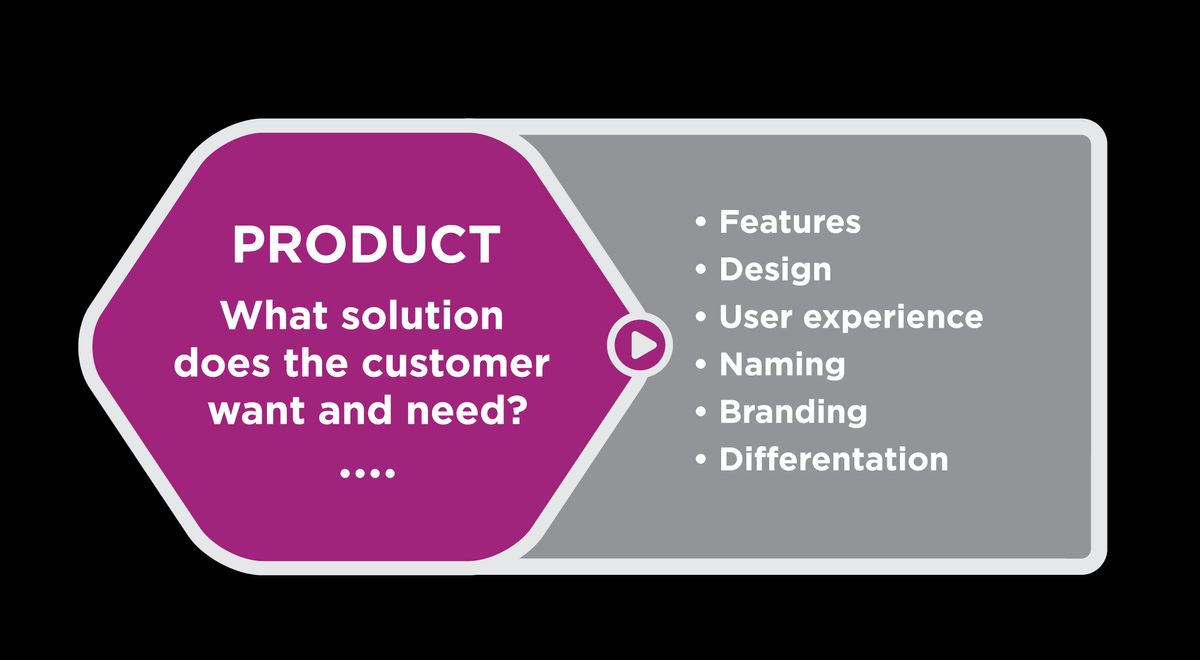
The visual appeal of a website is a critical factor in establishing a successful online presence. It’s not just about looking good; it’s about creating an environment where users feel comfortable and engaged. A well-designed website reflects the brand’s personality and values, making it more likely that users will connect with the content on an emotional level.
Aesthetic design should always aim to be intuitive and foster a seamless user experience. This includes considering color theory, typography, and layout to ensure that the visual elements support the user journey.
To achieve an aesthetic that resonates with users, consider the following points:
- Cultivate a passion for design and user experience.
- Strive for a balance between creativity and strategy.
- Utilize data and intuition to inform design decisions.
Remember, personalization can greatly enhance user engagement and satisfaction, leading to an optimal user experience. By carefully crafting the visual elements of a website, designers can create a powerful emotional connection with their audience, encouraging longer visits and more meaningful interactions.
Utilizing Visual Hierarchy to Guide User Actions
In the realm of user-centric website design, visual hierarchy plays a pivotal role in guiding user actions effectively. By strategically employing size, color, contrast, and placement, designers can draw attention to key elements, making the user journey intuitive and goal-oriented.
- Size: Larger elements are more likely to catch the user’s eye first.
- Color: Bright or contrasting colors can signal importance or interactivity.
- Contrast: High contrast between elements can help them stand out.
- Placement: Positioning important elements in familiar locations aids discoverability.
Visual hierarchy is not just about aesthetics; it’s about creating a clear path for users to follow, ensuring that the most important actions are also the most visible and accessible.
For instance, form design can leverage visual hierarchy to prioritize fields, with essential information like email addresses being more prominent. This not only streamlines the user experience but also aids in achieving the website’s conversion goals. Consistency across various pages and sections reinforces familiarity, reducing the cognitive load on users and enhancing learnability.
Balancing Brand Identity with User Preferences
In the realm of user-centric web design, balancing brand identity with user preferences is a delicate art. Brands must navigate the fine line between maintaining a strong, recognizable presence and adapting to the evolving expectations of their users. A brand’s visual elements, messaging, and overall experience should resonate with users while staying true to the core identity.
- Core Brand Elements: Develop elements that are adaptable yet consistent across various platforms.
- Brand Guidelines: Establish guidelines that offer flexibility within a framework of consistency.
- Future-proof Visuals: Design visuals that can evolve without losing brand recognition.
Optimizing user experience by balancing functionality and aesthetics is crucial. Personalization enhances engagement and loyalty through tailored experiences.
By investing in a user experience that differentiates a brand, companies can create a competitive edge. A positive user experience not only fosters brand loyalty but also improves brand perception, demonstrating a commitment to user needs. This strategic balance is not just about aesthetics; it’s about creating a seamless interaction that users will associate with the brand’s quality and reliability.
Building Trust and Transparency with Users

Implementing Clear Privacy Policies and Cookie Management
In the digital age, transparency is paramount when it comes to user privacy and cookie management. Websites must not only adhere to privacy laws but also make their policies easily understandable for users. A clear privacy policy and cookie management strategy should outline how data is collected, used, and protected.
To ensure users are informed and can exercise control over their personal information, consider the following steps:
- Clearly communicate the purpose of cookies and tracking technologies.
- Provide options for users to manage their cookie preferences.
- Regularly update privacy policies to reflect changes in law or business practices.
- Design user interfaces that make privacy options accessible and straightforward.
By designing user experiences with privacy in mind, websites can build trust, comply with regulations, and foster sustainable relationships with users.
Balancing data privacy with personalized marketing is a delicate task that requires ongoing attention to user feedback and regulatory changes. It’s not just about compliance; it’s about respecting user preferences and ensuring a secure online environment.
Ensuring Secure User Interactions and Data Protection
In the digital age, ensuring secure user interactions and data protection is paramount for maintaining user trust and compliance with privacy regulations. To achieve this, a multi-layered approach is essential.
- Incorporate security practices from the outset of the development process, conduct regular security audits, and stay updated with the latest security protocols and patches.
- Adopt privacy-by-design principles, collect only necessary data, and obtain explicit user consent.
- Verify that your hosting provider implements rigorous security protocols, including regular updates and threat detection mechanisms.
- Ensure all pages of your website use SSL encryption to protect data exchange between your site and its users.
- Have a robust data backup and recovery plan in place to safeguard your website’s data.
By embedding security into the design and operational processes, businesses can create a secure environment that respects user privacy and fosters trust.
It’s not just about the technical measures; it’s also about the commitment to user privacy. This involves always having the users’ privacy interests in mind and ensuring transparency in how their data is used and protected.
Communicating Company Values and Ethical Practices
In the realm of user-centric design, communicating company values and ethical practices is not just about transparency; it’s about forging a deeper connection with users. By openly sharing the principles that drive the business, companies can build trust and encourage user engagement. This approach aligns with the broader goal of building trust through design by prioritizing transparency, user empowerment, and emotional connection.
Companies should strive to reflect their values in every aspect of their online presence, from the privacy policy to the user interface. This consistency ensures that users feel secure and valued, which is essential for a lasting relationship.
To effectively communicate these values, consider the following steps:
- Employee Brand Training: Regularly educate your team on brand values to advocate effectively.
- Inclusive Messaging: Develop brand messages that resonate with a diverse audience while maintaining a consistent core message.
- Collaboration with Agencies: Work with UI/UX design agencies that prioritize user experience and can help express your company’s values through design.
Emphasizing authenticity, personal stories, and expertise can create a strong bond between users and products, which is crucial for engagement and loyalty.
Evolving with User Feedback and Analytics
Adapting Design Based on User Insights and Behavior Data
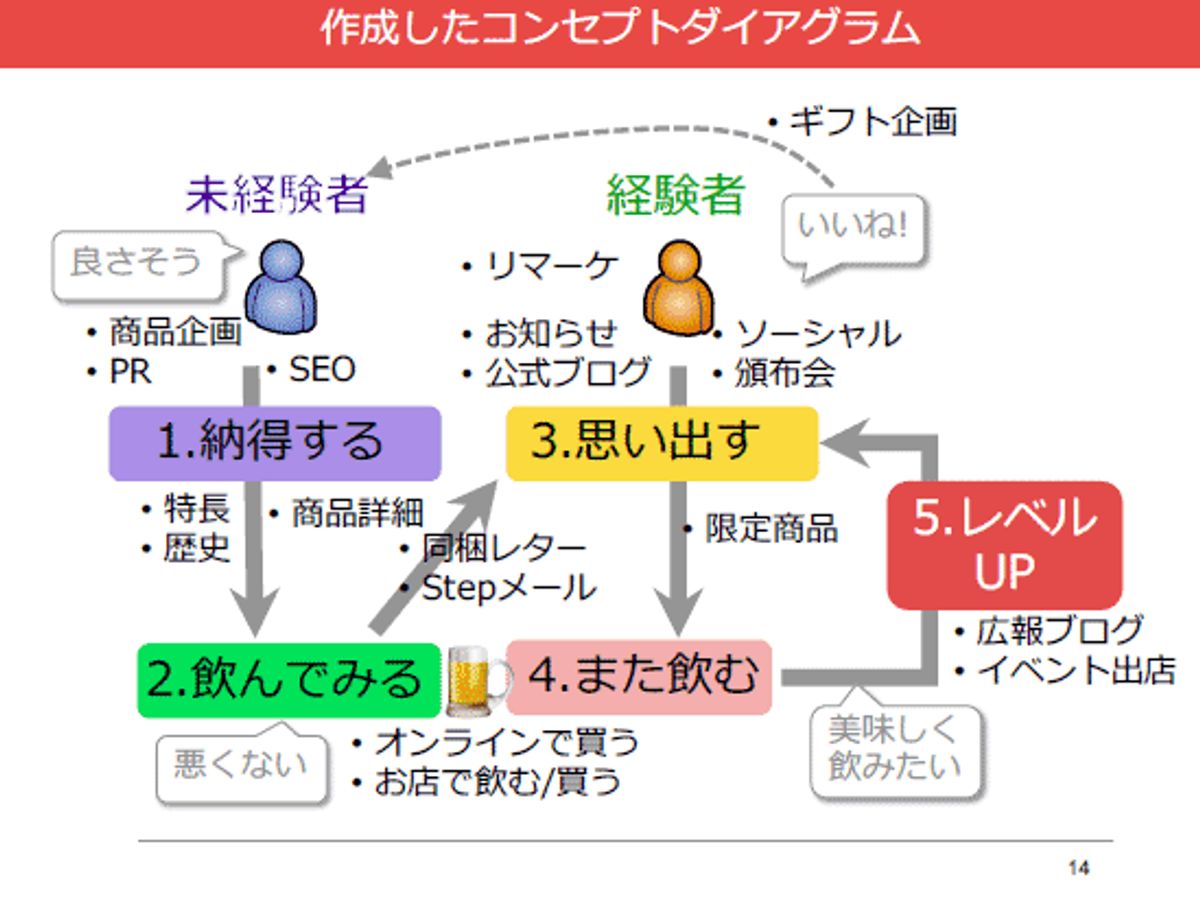
In the dynamic landscape of web design, adapting design based on user insights and behavior data is crucial for creating a user-centric experience. Designers must balance usability and aesthetics by asking critical questions. User feedback is essential for enhancing UX design and creating a user-centric website experience.
By analyzing user behavior data and feedback, designers can identify patterns that inform impactful design decisions. This iterative process ensures that the website evolves to meet user expectations and business goals.
Important data sources for designers include analytics tools, user surveys, and A/B testing. These tools provide a wealth of information that can be distilled into actionable insights:
- Analytics tools reveal user engagement and drop-off points.
- User surveys & interviews uncover subjective user preferences.
- A/B testing compares the effectiveness of design variations.
- Usability testing pinpoints usability issues to be addressed.
The following table summarizes key steps in the data-driven design process:
| Step | Description |
|---|---|
| 3 | Identifying patterns and insights from data |
| 4 | Making data-informed design decisions |
As new data emerge, designers often adjust or change direction, ensuring that solutions remain relevant and practical. This approach not only meets current user needs but also anticipates future trends, keeping the website at the forefront of user engagement.
Continual Improvement through A/B Testing and Iteration
The journey of refining a website’s user experience is never complete; it is a cycle of continuous improvement. A/B testing serves as a pivotal tool in this process, allowing designers to compare different versions of a page or feature to determine which performs better in terms of user engagement and conversion rates. By measuring specific metrics such as click-through and bounce rates, data-driven decisions can be made to enhance the website iteratively.
Iterative refinement is essential for continuously improving designs and UX flows, even on highly optimized pages.
Regular feedback loops, including user testing and analytics, are integral to this iterative process. They provide insights into user behavior and preferences, which can then be used to inform subsequent rounds of testing and refinement. For example, if analytics indicate that users are abandoning a booking flow at a certain step, the design team can investigate and implement changes to improve the user journey.
- Identify pain points through user feedback
- Test variations in design or functionality
- Analyze results and implement the winning variation
- Repeat the process to further refine and optimize
Staying Ahead of Trends with Proactive UX Research
To maintain a competitive edge, proactive UX research is essential for identifying and integrating emerging trends into design strategies. By staying ahead of the curve, designers can create experiences that not only meet current user expectations but also anticipate future needs.
Proactive UX research involves a continuous cycle of exploration, validation, and refinement. It’s about being one step ahead, ensuring that the design remains relevant and engaging.
A key component of this approach is the utilization of AI-driven tools to streamline workflows and uncover new insights. For instance, AI can analyze large datasets to predict user behavior, personalize experiences, and optimize design elements for better engagement. The table below illustrates some of the areas where AI can enhance UX research:
| AI Application | Impact on UX Research |
|---|---|
| Predictive Analytics | Anticipate user needs |
| Personalization Engines | Tailor experiences to individual users |
| Automated A/B Testing | Optimize design choices |
| Behavioral Analysis | Understand user interactions |
It’s important to balance the adoption of new trends with the unique identity and goals of the product. While trends can provide valuable insights, they should not overshadow the core user needs and brand values. A design that is both innovative and user-centric will stand out in a crowded digital landscape.
At the heart of our success is our commitment to evolving with user feedback and analytics. We believe in the power of collaboration and continuous improvement, which is why we invite you to explore our range of services, from WordPress Development to eCommerce solutions. Your insights and experiences are invaluable to us, and we’re eager to hear from you. Visit our website to learn more about how we can help your business grow and to share your feedback. Together, we can create digital solutions that are not only effective but also truly resonate with your audience. Let’s make the digital world better, one project at a time.
Conclusion
In conclusion, adopting a user-centric website design approach is paramount for creating engaging and satisfying user experiences. Throughout this article, we have explored the importance of understanding user needs, the benefits of personalized content, and the impact of intuitive navigation and seamless interactions. By leveraging user research and employing design thinking, businesses can craft digital environments that not only meet but exceed user expectations. The real-world examples we’ve discussed illustrate the transformative power of a user-focused strategy, leading to increased conversions, customer satisfaction, and brand loyalty. As we continue to navigate the ever-evolving digital landscape, the principles of user-centric design remain a guiding light for those seeking to make a meaningful connection with their audience.
Frequently Asked Questions
What is user-centric web design?
User-centric web design is an approach that prioritizes the needs, behaviors, and satisfaction of the users when creating a website. It involves understanding the target audience and designing for usability, accessibility, and intuitive navigation to enhance the overall user experience.
How does personalization improve user experience?
Personalization improves user experience by tailoring the content and functionality of a website to meet the individual needs and preferences of each user. This can lead to more engagement, increased satisfaction, and a higher likelihood of conversion as users feel the website is catered specifically to them.
Why is website performance optimization important?
Website performance optimization is critical because it directly impacts user experience. Faster loading times, efficient navigation, and responsive design ensure that users have a smooth and enjoyable interaction with the website, which can lead to increased retention and conversion rates.
What role does visual design play in user engagement?
Visual design plays a key role in user engagement by creating an aesthetic that resonates with users, utilizing visual hierarchy to guide user actions, and balancing brand identity with user preferences. A well-designed visual interface can captivate users and make the user journey more enjoyable and effective.
How can user feedback and analytics evolve website design?
User feedback and analytics provide insights into user behavior and preferences, allowing designers to make data-driven decisions. By continuously analyzing this data and adapting the design, websites can evolve to better meet user needs, leading to improved user experiences and business outcomes.
What is the importance of trust and transparency in web design?
Trust and transparency are vital in web design as they build user confidence in the website and the company behind it. Implementing clear privacy policies, secure data practices, and communicating company values helps establish credibility and encourages users to engage more deeply with the website.