User-Centric Website Design Approach for Engaging User Experience

In the digital age, a user-centric website design approach is critical for creating an engaging user experience that meets the expectations and needs of visitors. By prioritizing the user in every aspect of design and development, businesses can ensure that their website is not only functional and aesthetically pleasing but also intuitive and satisfying for users. This article explores the key components of a user-centric design strategy, from understanding user behavior to implementing feedback loops and collaborating with design agencies.
Key Takeaways
- User-centric design principles are essential for creating websites that are intuitive, accessible, and provide a seamless user experience.
- Conducting thorough user research and analysis informs the design process, leading to more effective and personalized user interfaces.
- Enhancing usability through improved navigation, website performance, and speed is vital for user retention and satisfaction.
- Balancing user privacy with personalization is crucial in a user-centric approach, ensuring compliance with regulations while delivering customized experiences.
- Collaboration with design agencies can bring valuable expertise to the user-centric design process, resulting in engaging and successful websites.
The Fundamentals of User-Centric Website Design
Understanding User-Centric Principles
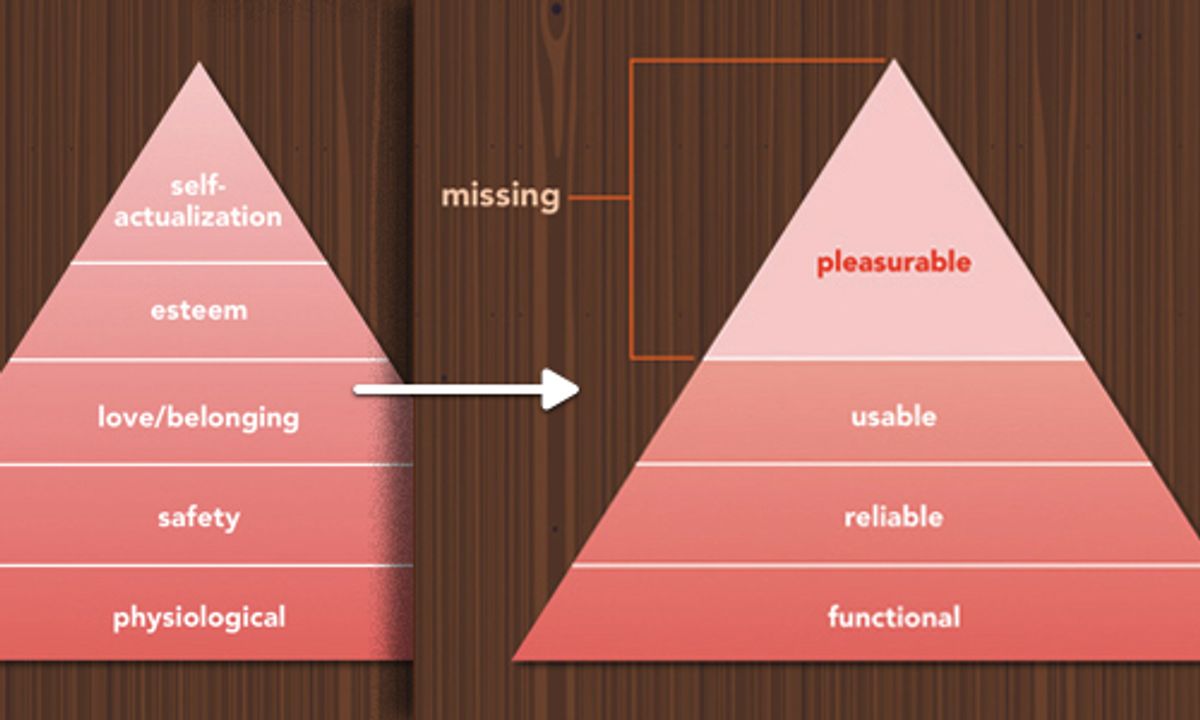
At the heart of user-centric design lies the commitment to deeply understand and prioritize the needs and behaviors of users. User-centric design principles focus on shaping websites to align with user needs, enhancing engagement and satisfaction through empathy, inclusivity, and personalized interactions for a seamless user experience. This approach is not just about aesthetics; it’s about creating a functional, accessible, and enjoyable online environment for the user.
Key elements of user-centric design include:
- Empathetic design that anticipates user challenges and needs
- Inclusive practices that cater to a diverse audience
- Personalization to offer relevant content and interactions
- Continuous user feedback to refine and improve the experience
By placing the user at the center of the design process, we ensure that the final product is not only efficient and effective but also resonates with the target audience, driving greater satisfaction and success.
Embracing these principles leads to digital solutions that are not just technologically advanced but also meaningful and engaging. This alignment between user expectations and website functionality is the cornerstone of a successful user-centric strategy.
Conducting User Research and Analysis
Conducting user research and analysis is a pivotal step in the user-centric design process. It involves gathering insights about your target audience to inform design decisions and ensure the final product resonates with users. This phase is about understanding the ‘who’, ‘what’, and ‘why’ behind user interactions with your website.
To begin, thorough audience research is conducted using various methods such as surveys, questionnaires, and website analytics. This data helps in creating accurate user personas, which are fictional representations of your ideal users. These personas encapsulate user behaviors, preferences, and goals, providing a foundation for empathetic and informed design choices.
By prioritizing user needs and leveraging data-driven insights, we can create compelling experiences that engage and satisfy our target audience.
The following steps outline the user research and analysis process:
- Conduct Thorough Audience Research
- Develop User Personas
- Analyze User Data
- Conduct Usability Testing
- Gather User Feedback
Each step is crucial for building a deep understanding of the users and crafting a website that not only meets but exceeds their expectations.
Creating Intuitive User Interfaces
Intuitive user interfaces are the cornerstone of a user-centric website design. They are crafted to align with the natural behavior and expectations of the user, ensuring a seamless and efficient interaction with the website. To achieve this, designers must focus on simplicity, consistency, and predictability in the layout and functionality of the interface.
- Simplicity involves minimizing the cognitive load on users by avoiding unnecessary elements and providing clear calls to action.
- Consistency ensures that similar elements behave in the same way, which helps users learn the system faster and use it with greater confidence.
- Predictability allows users to form accurate expectations about how the interface will behave in response to their actions.
By adhering to these principles, designers can create interfaces that are not only visually appealing but also highly functional and user-friendly. This approach can significantly reduce friction in the user journey and enhance overall satisfaction.
Ultimately, the goal is to provide an experience that feels intuitive to the user, one where they can navigate and interact with the website effortlessly. This is achieved by meticulously planning the user flow and considering the user’s perspective at every stage of the design process.
Enhancing User Experience Through Usability

Improving Navigation and Accessibility
Effective website navigation is a cornerstone of usability and accessibility, guiding users effortlessly to the information they seek. To achieve this, consistency across pages and a responsive layout are paramount. A well-structured information architecture simplifies the user journey, enhancing the overall experience.
- Implement Responsive Web Design: Ensure your site adapts to various devices for optimal viewing.
- Prioritize Accessibility: Follow WCAG guidelines to accommodate users with disabilities.
- Organize Content Hierarchically: Logical grouping aids user understanding and navigation.
- Optimize Information Architecture: Clear labels and language improve navigation clarity.
By focusing on user goals and streamlining navigation, websites can significantly boost user satisfaction and engagement. This approach not only meets user needs but also aligns with core user-centric principles such as usefulness and findability.
Optimizing Website Performance and Speed
In the digital age, website performance and speed are critical to user satisfaction and engagement. A slow-loading website can lead to increased bounce rates and lost opportunities. To combat this, it’s essential to implement responsive web design, ensuring your site is accessible and performs well across all devices.
- Implement Responsive Web Design
- Prioritize Accessibility
- Test and Iterate
By optimizing website performance, you not only enhance user experience but also improve search engine rankings and visibility.
Optimizing conversion paths is another key aspect. Clear landing pages, strong Call-To-Action buttons, and simple forms contribute to a seamless user journey. Regularly testing your site’s performance across various devices and browsers is crucial for maintaining a consistent user experience. Remember, enhancing your website’s user interface could significantly increase conversion rates.
Implementing Feedback Loops for Continuous Improvement
In the realm of user-centric website design, implementing feedback loops is crucial for the evolution and refinement of the user experience. By establishing mechanisms for continuous testing and optimization, businesses can adapt to user needs in real time. For instance, utilizing agile methodologies allows for iterative development, where user feedback is integrated into each sprint, ensuring that the product evolves with the user at its core.
Feedback loops empower businesses to make data-driven decisions, fostering a culture of perpetual enhancement.
Regular monitoring and evaluation of QA metrics provide actionable insights into the website’s performance. This ongoing process of analysis and adaptation is exemplified by AM2 Studio’s commitment to quality and client satisfaction. Their comprehensive services, from strategy to support, embody the essence of a feedback-driven approach.
To effectively implement feedback loops, consider the following steps:
- Adopt an iterative design process.
- Utilize agile methodologies for development.
- Engage in continuous monitoring and evaluation.
- Regularly test and gather feedback.
- Analyze user interaction to suggest improvements.
Privacy and Personalization in User-Centric Design

Balancing User Privacy with Personalized Experiences
In the realm of user-centric design, balancing user privacy with personalized experiences is a critical challenge. Users demand tailored content that speaks directly to their needs, yet they also expect their personal data to be handled with care. To achieve this balance, transparency is key. Users should be informed about what data is collected and how it is used to enhance their experience.
By providing users with control over their data, we respect their privacy while still offering customization that improves their website experience.
Designing with intention involves minimal data collection necessary for personalization. This approach not only aligns with privacy regulations but also fosters trust between the user and the brand. Here are some steps to ensure a user-centric approach:
- Provide clear and accessible privacy policies.
- Offer options for users to control their data preferences.
- Practice minimalism in data collection, focusing on what is truly needed.
- Continuously test and refine the balance between privacy and personalization.
Adhering to Privacy Policies and Regulations
In the realm of user-centric website design, adhering to privacy policies and regulations is not just a legal obligation but a cornerstone of user trust. Websites must navigate a complex landscape of legal requirements, which, as of 2024, include privacy and data protection, copyright laws, and full accessibility for people with disabilities.
Ensuring compliance involves a multifaceted approach. It is crucial to stay updated with the latest regulations and to implement systems that safeguard user data effectively.
Below is a list of key considerations for website owners:
- Regularly update privacy policies to reflect current laws and practices.
- Clearly communicate how user data is collected, used, and protected.
- Obtain explicit consent from users before collecting personal information.
- Provide users with the option to manage their consent and personal data.
- Conduct periodic audits to ensure ongoing compliance with all relevant laws.
Leveraging User Data Responsibly for Customization
In the realm of user-centric design, leveraging user data responsibly is pivotal for creating personalized experiences that resonate with users. By analyzing interactions, such as page visits and support conversations, valuable insights can be gleaned. These insights enable the delivery of content that is not only informative but also timely and relevant.
Personalization, when done correctly, can significantly enhance user engagement and satisfaction. It’s about sending the right message at the right time.
Segmenting audiences based on criteria like industry, size, or challenges allows for the creation of highly targeted content. This approach fosters a sense of trust and relevance, as the content directly addresses the user’s specific concerns. Below is a list of personalization tactics that can be integrated into a content marketing strategy:
- Personalized product recommendations
- Targeted marketing campaigns
- Customized user interfaces
By adopting these strategies, businesses not only demonstrate a client-centric approach but also lay the groundwork for conversions built on relevance and trust.
Strategies for Engaging and Retaining Users
Designing for Emotional Engagement
In the realm of user-centric design, emotional engagement is a powerful tool for creating memorable user experiences. Emotional design, storytelling, and empathy are key in creating engaging user experiences. By tapping into the user’s emotions, websites can form a deeper connection, making the experience more personal and impactful.
- Storytelling: Weave a narrative that users can relate to and see themselves in.
- Visual Design: Use colors, images, and typography that evoke the right emotions.
- Interactive Elements: Encourage user interaction with elements that surprise and delight.
By understanding user behavior and cognitive psychology, designers can enhance usability and drive conversions. This approach not only satisfies the user’s functional needs but also addresses their emotional responses, leading to a more holistic and satisfying user experience.
Ultimately, the goal is to design not just for usability but for desirability. Products that resonate on an emotional level are more likely to be embraced and recommended, turning users into advocates for the brand.
Creating Content that Resonates with Users
To create content that truly resonates with users, it’s imperative to know your audience. This involves researching their characteristics, interests, pain points, and preferences. By understanding these elements, you can tailor your content strategy to engage with your audience on a more personal and impactful level.
Content must provide value to stand out. Whether it’s educational, entertaining, or inspirational, aim to address the user’s challenges and goals. This approach not only captures attention but also fosters a connection that can lead to increased loyalty and engagement.
Embrace the power of storytelling and visuals to craft compelling narratives that captivate your audience. These elements can transform your content from mundane to memorable, encouraging users to return for more.
Additionally, consider the following tactics to enhance content engagement:
- Utilize user-generated content to add authenticity.
- Collaborate with content creators to introduce fresh perspectives.
- Create short, bite-sized videos for easy consumption.
- Adopt an audience-centric approach in all your social media endeavors.
Utilizing Gamification to Enhance User Interaction
Incorporating gamification into user experience design is a powerful strategy to boost user engagement and loyalty. By weaving in game-like elements such as points, badges, and leaderboards, websites and apps can transform mundane tasks into enjoyable experiences.
- Clear Objectives and Goals: Users should understand what they are expected to achieve.
- Intuitive Design and User Experience: The gamified elements must be seamlessly integrated into the overall design.
- Meaningful Rewards and Incentives: Rewards should provide real value to encourage continued engagement.
Gamification in UX design involves integrating elements of game design into non-game contexts to create a more engaging and interactive experience.
When done correctly, gamification can lead to a significant increase in user interaction and time spent on the platform. It’s not just about adding points or badges; it’s about creating a compelling journey for the user that feels rewarding and fun. The key is to align the gamified system with the user’s intrinsic motivations and the platform’s core values.
Collaboration and Integration with Design Agencies

The Role of Design Agencies in User-Centric Approaches
Design agencies play a pivotal role in the user-centric design process, offering specialized expertise that can elevate a company’s digital presence. They bring a wealth of experience in creating intuitive and engaging user interfaces, which is essential for a user-centric approach. By collaborating with these agencies, businesses can leverage diverse skills and industry knowledge that may not be available in-house.
- Strategy: Agencies help in discovering and brainstorming creative approaches to meet business objectives.
- Design: They develop visually appealing designs that resonate with users.
- Development: Agencies bring designs to life with functional and responsive websites.
- Quality Assurance: Before launch, agencies conduct thorough testing to ensure the highest standards.
- Post-Launch Monitoring: They monitor the site post-launch to quickly address any issues.
Emphasizing a seamless and enjoyable process, design agencies guide clients through each step, ensuring stress-free delivery within deadlines. This partnership fosters a user-centric culture that values user experience, driving customer satisfaction and business success.
Fostering Synergy Between In-House Teams and External Experts
Achieving a harmonious collaboration between in-house teams and external design agencies is pivotal for a user-centric design approach. It begins with clear communication and the establishment of shared objectives. In-house teams bring intimate knowledge of the company’s culture and goals, while external experts contribute fresh perspectives and specialized skills.
- Cross-functional collaboration is essential. Encourage regular communication among design, development, marketing, and customer service teams.
- Empathy building among team members is crucial for understanding user needs and creating effective designs.
- Establish a strategic planning process that emphasizes user experience and engagement.
By fostering a culture of collaboration, teams can create cohesive interfaces that resonate with users and adhere to key principles such as empathy, simplicity, and user-centric decisions.
Ultimately, the synergy between in-house expertise and external innovation can lead to robust development and a seamless, enjoyable process that delights users and meets business objectives.
Case Studies: Successful Partnerships and Outcomes
The synergy between design agencies and their clients is pivotal for the success of user-centric website projects. Case studies serve as a testament to this collaborative success, showcasing the transformation from initial concepts to final outcomes that resonate with users. These narratives not only highlight the agency’s expertise but also the client’s vision, resulting in a product that truly reflects the user’s needs.
The process of creating a user-centric website is a journey of discovery, strategy, and meticulous execution. It involves a series of steps that ensure the final product is not only visually appealing but also functionally robust and user-friendly.
By examining case studies, we can extract valuable insights into the effectiveness of user-centric design approaches. For instance, a case study might detail how a website’s performance and user engagement metrics improved post-launch, providing quantitative evidence of the design’s impact. Additionally, client testimonials add depth and authenticity, further validating the agency’s approach.
- Focused Narrative
- Client Input
- Measurable Outcomes
- Visual Elements
These case studies illustrate that when website design and marketing strategies are aligned and executed cohesively, they can significantly bolster brand recognition and user engagement.
In today’s digital landscape, the synergy between creative minds and technical expertise is paramount. Our collaboration with design agencies ensures that your vision is translated into a stunning, functional online presence. Whether it’s through WordPress Development, eCommerce solutions, or custom web design, we are dedicated to making your project a resounding success. Don’t let your ideas remain concepts; let’s bring them to life together. Visit our website to explore our services and start a conversation about your next project. Your journey towards a remarkable digital experience starts here.
Conclusion
In the realm of digital transformation, a user-centric website design approach is not just a trend but a fundamental strategy for engaging users and enhancing their experience. Throughout this article, we have explored the multifaceted aspects of creating websites that resonate with users’ needs and preferences. From usability and accessibility to aesthetics and functionality, every element plays a crucial role in crafting a digital environment where users feel valued and understood. By implementing the insights and strategies discussed, businesses can foster a culture of user-centricity that not only attracts but also retains a loyal user base. Embracing this approach leads to increased customer satisfaction, higher conversion rates, and ultimately, a stronger competitive edge in the ever-evolving digital landscape.
Frequently Asked Questions
What is user-centric website design?
User-centric website design is an approach that prioritizes the needs, preferences, and behaviors of the end-users at every stage of the design and development process. It involves conducting user research, empathizing with users, and creating intuitive interfaces that enhance user experience and satisfaction.
Why is user research important in user-centric design?
User research is crucial as it provides insights into the users’ needs, goals, and pain points. This information helps designers create solutions that truly resonate with users, leading to more engaging and effective websites.
How does user-centric design affect website performance?
A user-centric design approach can lead to improved website performance by creating more intuitive navigation, faster loading times, and a smoother overall user experience, which can increase user engagement and conversion rates.
What role do privacy policies play in user-centric design?
Privacy policies are essential in user-centric design as they ensure that a website is transparent about data collection and usage, which builds trust with users. Adhering to privacy regulations also helps avoid legal issues and enhances the website’s credibility.
How can gamification enhance user engagement?
Gamification introduces elements of play, competition, and rewards into the website experience, which can make interactions more enjoyable and motivating for users, leading to increased engagement and retention.
Why is collaboration with design agencies beneficial in user-centric web design?
Collaborating with design agencies brings in external expertise and fresh perspectives, which can enhance the design process. Agencies often have specialized skills and experience that can contribute to creating a more effective and user-centric website.