User-Centric Website Design Approach for Engaging User Experience
In today’s digital landscape, creating a website that is not only visually appealing but also user-centric is crucial for engaging and retaining visitors. A user-centric website design approach focuses on tailoring the user experience to meet the needs and preferences of visitors, ultimately leading to higher conversion rates and customer satisfaction. This article will explore the principles of user-centric design, strategies to optimize user experience for conversion, the integration of interactivity and personalization, the importance of privacy and trust, and how analytics can be leveraged for continuous improvement.
Key Takeaways
- User-centric design is essential for creating engaging user experiences that lead to increased conversion rates and customer loyalty.
- Optimizing the user interface and employing usability testing are key strategies for enhancing user engagement and identifying areas for continuous improvement.
- Personalization and interactive design elements are powerful tools for engaging users and creating a more tailored user experience.
- Trust and privacy are critical components of user-centric design, requiring transparent privacy policies and secure user experiences to build user confidence.
- Leveraging web analytics provides valuable insights into user behavior, enabling data-driven design adaptations and fostering a culture of continuous learning from user feedback.
Understanding User-Centric Design
Defining User-Centric Approach
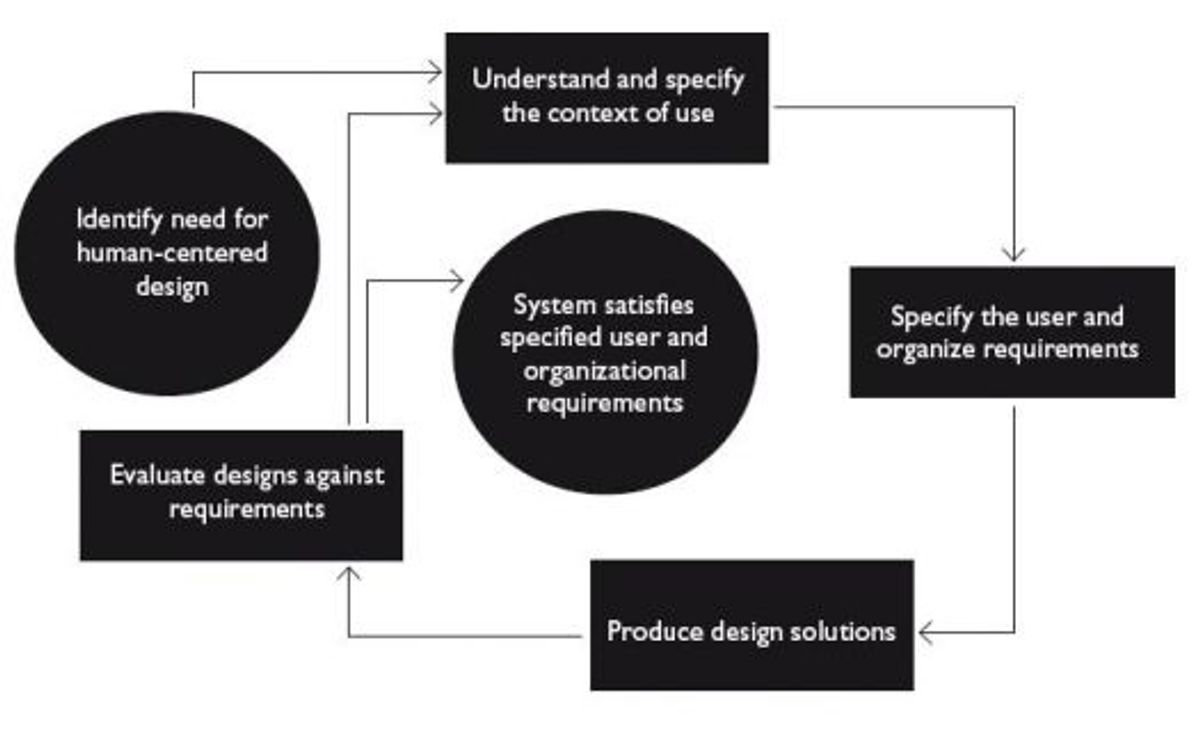
At the heart of a user-centric design is the philosophy that the user’s needs and preferences are the primary focus throughout the design and development process. This approach involves a deep understanding of the target audience, including their behaviors, goals, and pain points. By prioritizing the user, designers create more intuitive and accessible websites that resonate with visitors and encourage engagement.
The process of user-centric design is iterative, involving several key steps:
- Understanding the audience
- Setting clear and measurable goals
- Designing with functionality and aesthetics in mind
- Conducting usability testing
- Integrating user feedback for continuous improvement
Embracing a user-centric approach means committing to a cycle of testing, learning, and refining to ensure that the end product truly serves the user’s needs.
The benefits of this methodology are clear: websites that are not only aesthetically pleasing but also highly functional and tailored to the user’s requirements. This leads to improved user satisfaction, higher conversion rates, and ultimately, a stronger online presence for the brand.
Benefits of a User-Focused Strategy
Adopting a user-focused strategy in website design is not just about aesthetics; it’s about creating a seamless and intuitive experience that resonates with the user. Increased user satisfaction is a cornerstone of this approach, leading to a more engaged and loyal audience. By prioritizing the needs and preferences of users, businesses can see a significant uplift in key metrics.
- Higher conversion rates: When users feel understood and their experience is streamlined, they are more likely to take desired actions.
- Enhanced brand perception: A user-centric website reflects positively on the brand, fostering trust and credibility.
- Improved customer retention: Satisfied users are more inclined to return, reducing churn and increasing lifetime value.
A user-focused strategy is not just beneficial; it’s essential in today’s digital landscape. It’s a competitive advantage that can lead to sustainable growth and success.
Ultimately, the benefits of a user-focused strategy extend beyond the immediate user interaction. They contribute to a robust and positive brand ecosystem that supports business objectives and drives long-term success.
Key Principles of User-Centric Design
At the heart of user-centric design lies the commitment to deeply understand and prioritize the needs and behaviors of users. Empathy is the cornerstone, enabling designers to view the website from the user’s perspective. This approach ensures that every aspect of the website, from navigation to content, is crafted with the user in mind.
Inclusivity is another fundamental principle, ensuring that the website is accessible to and usable by as wide an audience as possible, regardless of ability or context. Personalized interactions are also key, allowing for a more tailored experience that resonates with individual users and fosters a seamless user experience.
By focusing on these principles, designers can create websites that not only meet user expectations but also enhance satisfaction and engagement.
To effectively implement these principles, designers must engage in continuous learning and adaptation based on user feedback. This iterative process is essential for refining the user experience and keeping the website aligned with evolving user needs.
Optimizing User Experience for Conversion

Analyzing User Interface for Enhanced Engagement
To truly engage users and optimize conversion rates, a meticulous analysis of the user interface is essential. This involves a deep dive into the visual and interactive elements that users interact with, ensuring that every aspect is tailored to provide a seamless and intuitive experience. By focusing on the user interface, we can create a more visually appealing and functional environment that resonates with users.
- Evaluate the use of color, shape, and typography
- Assess the effectiveness of navigation and layout
- Identify opportunities for microinteractions that elevate the user experience
By using these elements purposefully, we can enhance user engagement and guide them towards desired actions. It’s not just about aesthetics; it’s about creating a cohesive journey that aligns with user expectations and needs.
Understand that perfection is an iterative process. Regularly analyzing user feedback and performance data allows for continuous refinement and evolution of the interface. This commitment to improvement demonstrates a dedication to the user’s needs, fostering a sense of trust and satisfaction.
Strategies for Increasing Conversion Rates
To enhance conversion rates, a structured analysis of user behavior is essential. By understanding how users interact with your website, you can tailor your design strategies for user engagement, leading to a more effective conversion rate optimization. This process should be data-driven, focusing on areas where users are most likely to convert.
- Review and optimize the user journey to minimize friction points.
- Implement A/B testing to experiment with different design elements.
- Personalize user experiences based on their behavior and preferences.
- Simplify the checkout process to reduce cart abandonment.
Emphasizing the importance of user feedback and iterative design, continuous improvement becomes a cycle that drives further enhancements in user experience and conversion rates.
Remember, the goal is not just to attract visitors, but to convert them into customers. By prioritizing usability and seamless interactions, you can create a compelling user experience that encourages conversion.
Leveraging Usability Testing for Continuous Improvement
Usability testing is a cornerstone of a user-centric design approach, providing invaluable insights into how real users interact with a website. By observing user behavior, designers and developers can identify friction points and areas for enhancement. Regular usability testing ensures that the website evolves with the user’s needs, leading to a more intuitive and satisfying experience.
A variety of usability testing methods exist, each suited to different stages of development and specific goals. For instance, A/B testing can reveal the more effective of two design choices, while eye-tracking studies can uncover how users visually navigate a page. Here’s a simple breakdown of common usability testing methods:
- In-person or in-house testing
- Remote usability testing
- A/B testing
- Eye-tracking studies
- Card sorting
- Task analysis
Usability testing not only refines the user experience but also contributes to higher conversion rates. It’s a process of continuous learning and improvement, where each iteration brings the website closer to the ideal user interface.
Incorporating feedback from usability tests into the design process is crucial. It allows for the implementation of data-driven enhancements that directly address user needs. This iterative process is essential for maintaining a competitive edge and ensuring that the website remains relevant and engaging for its audience.
Integrating Interactivity and Personalization

Creating Interactive Design Elements
Interactive design elements are a cornerstone of a user-centric website design. They not only enhance the aesthetic appeal but also improve the functionality and user engagement. For instance, hover effects, drag-and-drop features, and interactive sliders can significantly increase the time users spend on a site.
Incorporating these elements requires a thoughtful approach to ensure they serve a purpose beyond mere decoration. They should simplify navigation, provide immediate feedback, or help users accomplish tasks more efficiently. Below is a list of common interactive design elements and their potential impact on user experience:
- Hover effects: Reveal additional information or options
- Drag-and-drop: Facilitate user interaction with site content
- Interactive sliders: Allow users to control displayed content
- Animated transitions: Guide users through site changes smoothly
By strategically implementing interactive design elements, designers can create a dynamic environment that encourages users to explore and engage with the content more deeply.
It’s crucial to balance the desire for interactivity with the website’s performance. Overloading a site with complex animations and effects can lead to longer loading times, which might frustrate users and drive them away. Therefore, performance optimization should go hand-in-hand with the design process to maintain a seamless user experience.
Personalizing User Experience
In the realm of user-centric design, personalization is a cornerstone for creating an engaging user experience. It’s about delivering content and functionality that aligns with the individual’s preferences, behaviors, and needs. For instance, some platforms offer the ability to tailor the user interface, providing a sense of ownership and comfort to the user.
Personalization extends beyond aesthetic customization; it involves analyzing user data to present relevant content and streamline the user journey. This approach can significantly reduce the cognitive load on users as they navigate through a website or application.
To effectively personalize the user experience, consider the following steps:
- Collect and analyze user data to understand preferences and behaviors.
- Implement dynamic content that adjusts to user interactions.
- Offer options for users to set their preferences for a more tailored experience.
- Continuously refine personalization strategies based on user feedback and behavior patterns.
By embracing these practices, businesses can foster a more intuitive and satisfying experience for their users, which in turn can lead to increased engagement and loyalty.
Engaging Users with Custom Content
Custom content is a powerful tool for engaging users and providing them with a unique experience tailored to their interests and behaviors. By delivering content that resonates personally with users, websites can significantly increase user engagement and time spent on the site. Custom content can range from personalized product recommendations to dynamic articles that reflect the user’s preferences.
Adherence to accessibility standards enhances user experience. Personalization and interactive elements drive engagement and satisfaction, improving website usability for all users.
To effectively engage users with custom content, consider the following steps:
- Collect data on user behavior and preferences through analytics and user feedback.
- Use this data to segment your audience and tailor content to each group.
- Implement dynamic content that changes based on user interaction and history.
- Continuously test and refine content strategies based on user engagement metrics.
By focusing on these areas, businesses can create a more compelling and user-centric online presence.
Ensuring Privacy and Trust in Design

Incorporating Transparent Privacy Policies
In the realm of user-centric website design, transparency in privacy policies is not just a legal formality; it is a cornerstone of user trust and engagement. Websites designed with privacy in mind reflect a commitment to user rights and data protection.
Transparency, consent, and security are the pillars upon which robust privacy policies are built. By clearly communicating how user data is collected, used, and protected, websites can foster a sense of trust and reliability among their visitors.
To ensure that privacy policies are user-friendly and transparent, consider the following steps:
- Clearly outline the types of data collected and the purposes for which it is used.
- Provide users with easy-to-understand options for consent and data management.
- Regularly update privacy policies to reflect changes in data practices or legislation.
Incorporating Privacy by Design in web development not only aligns with legal requirements but also serves as a competitive advantage, demonstrating to users that their privacy is taken seriously.
Building Trust with Secure User Experiences
In the realm of user-centric website design, trust is a cornerstone that can significantly enhance user engagement and loyalty. Users need to feel confident that their personal information is safe and that the website they are interacting with has their best interests at heart. To achieve this, designers must integrate robust security measures that are both effective and unobtrusive.
One effective strategy is to implement transparent privacy policies that are easily accessible and written in clear language. Users should be able to understand what data is being collected and how it will be used. Additionally, providing options for users to control their privacy settings empowers them to make informed decisions about their data.
Ensuring a secure user experience also involves regular updates and maintenance to protect against potential vulnerabilities. This includes timely patches for any software or plugins used on the site, as well as continuous monitoring for any unusual activity.
Furthermore, incorporating elements such as SSL certificates, two-factor authentication, and secure payment gateways can significantly increase the perceived trustworthiness of a website. Here is a list of steps to consider for building trust through security:
- Use SSL certificates to establish a secure connection.
- Implement two-factor authentication for user accounts.
- Regularly update software and plugins to address security patches.
- Conduct usability testing to ensure security features do not hinder the user experience.
- Offer clear and concise privacy policies.
- Provide users with control over their privacy settings.
By prioritizing these aspects, designers can create a secure environment that fosters trust and encourages users to return, knowing their data is handled with care and respect.
Balancing Personalization with User Privacy
In the realm of user-centric design, personalization is a powerful tool for enhancing user experience. However, it’s crucial to balance this with the user’s right to privacy. Users appreciate when their interactions lead to tailored content and recommendations, but they also expect transparency and control over their personal data.
To achieve this balance, designers must adopt a privacy-by-design approach, ensuring that privacy considerations are integrated into the product from the outset.
Here are some key points to consider for balancing personalization with user privacy:
- Transparency: Clearly communicate what data is being collected and for what purpose.
- Control: Provide users with the ability to easily manage their privacy settings.
- Minimal data collection: Only collect data that is necessary to enhance the user experience.
By adhering to these practices, designers can create a user experience that respects privacy while delivering personalized content that users find engaging and relevant.
Leveraging Analytics for User-Centric Improvements

Utilizing Web Analytics for User Insights
Web analytics play a crucial role in understanding how users interact with a website. By tracking various metrics, designers and developers can gain insights into user behavior, preferences, and pain points. This data-driven approach allows for informed decisions that can significantly enhance the user experience.
For instance, analyzing page views and bounce rates can reveal which content captures attention and which may require optimization. Conversion tracking helps in identifying the most effective pathways for users to complete desired actions. Here’s a simplified view of key metrics to monitor:
- Page Views
- Bounce Rates
- Conversion Rates
- User Flow
- Session Duration
By continuously monitoring these metrics, teams can iterate on design elements to better align with user expectations, ultimately leading to improved engagement and satisfaction.
It’s important to not only collect data but also to interpret it correctly. Patterns in user behavior can suggest strategic adjustments, such as simplifying navigation or highlighting popular content. The goal is to create a seamless and intuitive user journey that encourages users to stay longer and engage more deeply with the website.
Adapting Design Based on User Behavior
Adapting your website’s design based on user behavior is a dynamic process that hinges on the continuous collection and analysis of data. By understanding how users interact with your site, you can make informed decisions that enhance the user experience and drive conversions. This iterative process involves several steps:
- Collecting user data: Utilize analytics tools to gather information on how users navigate your site.
- Identifying patterns: Look for common behaviors that indicate user preferences and pain points.
- Implementing changes: Modify design elements based on your findings to improve usability.
- Measuring impact: After making changes, analyze the data to see if there has been an improvement in user engagement.
It’s essential to approach design adaptations with a test-and-learn mentality. Small, incremental changes allow for careful monitoring of their effects, ensuring that each adjustment contributes positively to the overall user experience.
Remember, the goal is not just to attract visitors but to provide an environment that encourages them to stay, explore, and ultimately convert. Regularly updating your design to reflect the evolving needs and behaviors of your users is key to maintaining a competitive edge.
Continuous Learning and Adaptation from User Feedback
The cornerstone of user-centric design is the continuous cycle of learning and adaptation driven by user feedback. This structured approach involves collecting feedback, analyzing it, prioritizing changes, implementing improvements, and then repeating the cycle. By doing so, designers and developers can ensure that the user experience is always evolving to meet user needs and expectations.
A proactive stance on user feedback encourages a culture of perpetual improvement, where analytics play a crucial role in enhancing user engagement and satisfaction.
To effectively incorporate user feedback, consider the following steps:
- Collect Feedback: Use various channels like surveys, interviews, and usability tests to gather insights.
- Analyze Feedback: Identify common themes and areas for improvement.
- Prioritize Changes: Decide which feedback to act on first based on impact and feasibility.
- Implement Improvements: Make the necessary changes to your design or service.
- Repeat the Cycle: Continuously collect feedback to refine and improve the user experience.
In today’s digital landscape, the power of analytics cannot be overstated. By leveraging data-driven insights, we at AM2 specialize in crafting user-centric improvements that not only enhance user experience but also drive business growth. Our expertise in WordPress Development, eCommerce solutions, and custom web design ensures that your online presence is not just functional but also impactful. Don’t let your website be just another URL lost in the vastness of the internet. Visit our website to explore our services and let’s collaborate to make your digital platform stand out. Together, we can build a website that is not only visually stunning but also optimized for performance and user engagement. Take the first step towards a better digital future by reaching out to us today!
Conclusion
In the journey to create a user-centric website, the focus must always be on delivering an engaging user experience that not only meets but exceeds user expectations. From usability to performance optimization, every aspect of the design process plays a crucial role in ensuring that the end product resonates with the target audience. By adopting a strategy that emphasizes user needs, incorporating feedback into the design, and rigorously testing for quality assurance, designers can craft websites that are not only visually appealing but also functionally robust. Remember, a successful website is one that is easy to navigate, fast to load, and provides a seamless experience across all devices. As we’ve seen through various projects, such as the ones for White Rabbit (NFT), InchOO, and Geologija, a user-centric approach leads to increased satisfaction, conversions, and ultimately, business success. Embrace the user-centric design philosophy, and watch as your website becomes a powerful tool in engaging and retaining users.
Frequently Asked Questions
What is user-centric website design?
User-centric website design is an approach that puts the user’s needs, preferences, and behaviors at the forefront of the design process to create websites that offer a more engaging and effective user experience.
How does user-centric design improve conversion rates?
By focusing on the user’s experience, user-centric design can improve website usability, increase user satisfaction, and thereby enhance the likelihood of converting visitors into customers or clients.
What are the benefits of integrating interactivity and personalization in website design?
Integrating interactivity and personalization in website design can lead to a more engaging user experience, boost user engagement, and create a sense of connection between the user and the website, potentially increasing user retention and loyalty.
How important is privacy and trust in user-centric design?
Privacy and trust are critical components of user-centric design. Transparent privacy policies and secure user experiences help build user trust and confidence in using the website, which is essential for long-term user engagement.
What role do analytics play in user-centric website improvements?
Analytics provide valuable insights into user behavior, preferences, and pain points, allowing designers and developers to make informed decisions and continuous improvements to the website, ensuring it remains aligned with user needs.
Why is usability testing important for user-centric design?
Usability testing allows designers to observe real users interacting with the website, identify any issues or areas for improvement, and refine the design to enhance the overall user experience.