Crafting Memorable User Experiences with Intuitive Design
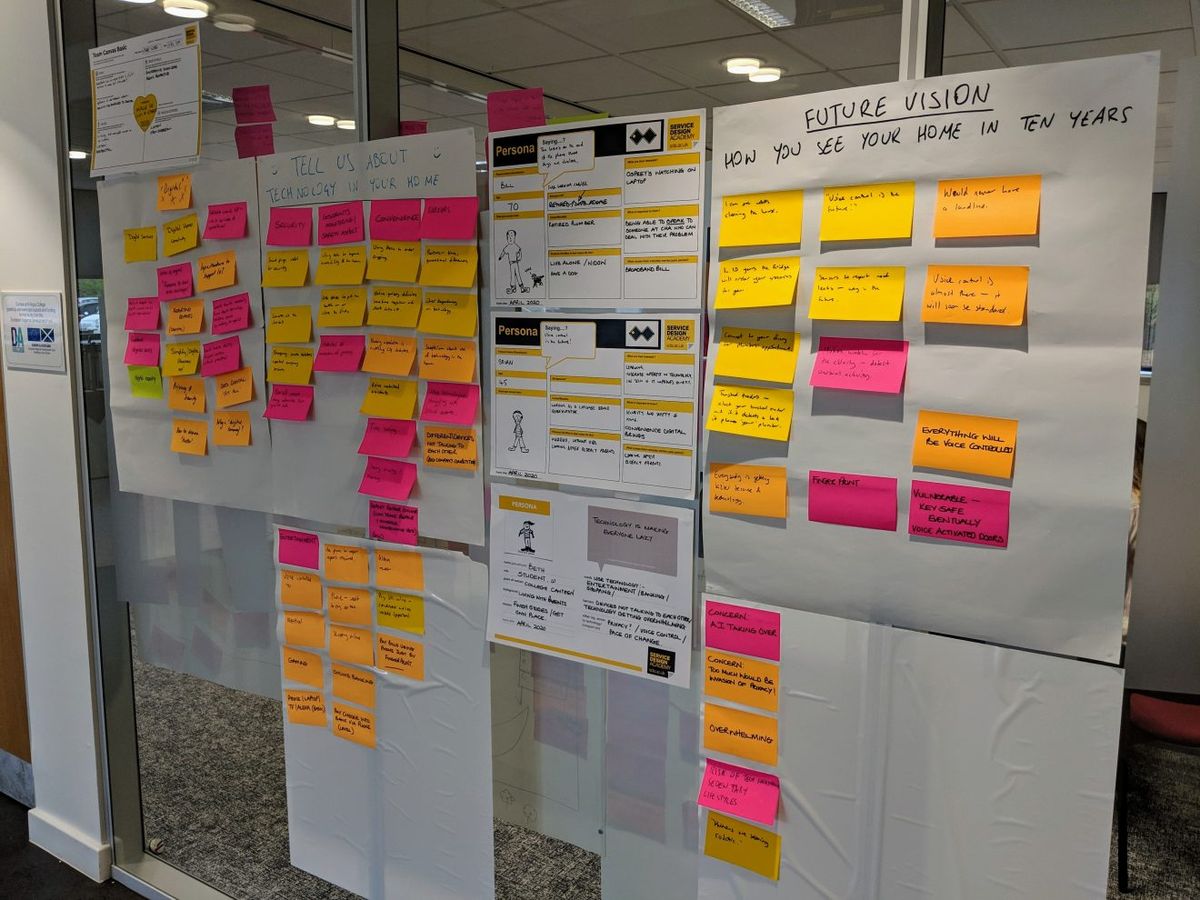
In the digital realm, crafting memorable user experiences is paramount for engaging and retaining users. Intuitive design is the cornerstone of creating such experiences, where the users feel understood and their interactions with digital interfaces are seamless and rewarding. This article delves into the principles and practices that can transform a user’s digital journey, making it intuitive, engaging, and ultimately, memorable.
Key Takeaways
- Intuitive design is rooted in a deep understanding of user needs and simplifying their journey to foster engagement and conversions.
- Strategic UI/UX layouts and interactive elements are essential for enhancing user engagement and reinforcing brand consistency across all touchpoints.
- Design thinking and empathetic design are key methodologies for creating user-centric experiences that empower and satisfy users.
- Optimizing conversion rates involves streamlining the conversion funnel and designing for clarity in decision-making processes.
- The evolution of digital experiences relies on continuous user feedback, adaptation to user behavior, and dedicated post-launch support.
The Pillars of Intuitive Design

Understanding User Needs
At the heart of intuitive design lies a profound understanding of user needs. Designers must immerse themselves in the lives of their users, grasping not just the obvious requirements but also the subtle nuances that influence their interactions with products. This empathetic approach is the cornerstone of a design that not only functions well but also connects with users on a deeper level.
To effectively tailor the design to specific user groups, it’s crucial to prioritize customer needs and perspectives. This involves a series of steps:
- Conducting user interviews to encourage open dialogue about experiences and preferences.
- Observing user behavior to gain insights into their natural interactions with products.
- Developing customer personas to represent the diverse user base and their unique challenges.
By continuously refining the design through user feedback and testing, we ensure that our solutions remain aligned with user expectations and adapt over time to their evolving needs.
Ultimately, the goal is to create a solution that is not only intuitive but also anticipates the latent needs of consumers, paving the way for future adaptability and sustained engagement.
Simplifying User Journeys
To create a seamless user experience, it’s crucial to simplify the user journey from the initial interaction to the final conversion. This involves removing unnecessary steps and ensuring that each phase of the journey is clear and logical. Simplification not only enhances the user experience but also contributes to higher conversion rates and user satisfaction.
- Map the Customer Experience Journey: Identify all touchpoints and streamline the process.
- Analyze User Behavior: Understand how users interact with your platform and where they face difficulties.
- Implement Intuitive Navigation: Guide users effortlessly through your site with clear menus and calls to action.
- Optimize for Efficiency: Reduce load times and remove barriers to action.
By focusing on strategic planning and creative design, businesses can craft digital narratives that resonate with users and encourage them to complete the journey.
Remember, the goal is to guide users towards desired actions with minimal friction. Whether it’s making a purchase, signing up for a newsletter, or another key action, an optimized user journey is a cornerstone of a successful digital strategy. AM2 Studio excels in this area by offering maintenance and support services that ensure ongoing user engagement and showcase client success stories.
Balancing Aesthetics with Usability
In the realm of UI/UX design, balancing aesthetics with usability is a critical challenge that can make or break the user experience. A visually stunning interface may catch the user’s eye, but if it’s not equally usable, it can lead to frustration and abandonment. Conversely, a highly functional design that lacks visual appeal may fail to engage users at all.
One effective strategy is to adopt a minimalist design philosophy, emphasizing simplicity and clarity. By removing unnecessary elements and focusing on essential features, designers can create interfaces that are not only beautiful but also intuitive to navigate. Familiar design and navigation patterns contribute to a minimalistic approach, making the design easy to understand and use.
Accessibility should never be an afterthought in design. Outstanding designs ensure that all individuals, regardless of abilities, can access and utilize digital products. This includes considerations for screen readers, keyboard navigation, and color contrast for users with visual impairments.
Ultimately, the goal is to craft a harmonious user experience where design elements serve a purpose and enhance usability. This delicate equilibrium supports user engagement and satisfaction, leading to better conversion rates and customer loyalty.
Enhancing User Engagement through UI/UX

Strategic Interface Layouts
In the realm of UI/UX design, strategic interface layouts are fundamental in guiding users through a digital experience that is both intuitive and aligned with the overarching business objectives. A well-structured layout not only captures user attention but also facilitates navigation, making the journey through the website or application seamless and engaging.
- Visual Hierarchy: Establishing a clear visual hierarchy helps users prioritize information and navigate more effectively.
- Responsive Design: Ensuring the interface is adaptable across various devices enhances accessibility and user satisfaction.
- Navigation Patterns: Familiar navigation patterns can reduce the learning curve and help users find what they need quickly.
By focusing on strategic layout design, we create a pathway for users that is both intuitive and conducive to the desired actions, such as making a purchase or signing up for a service.
Ultimately, strategic UI/UX design drives user actions aligned with business goals. Captivating design captures attention, guides navigation, and encourages exploration and interaction. It’s not just about creating a pretty interface; it’s about creating a user experience that resonates and converts.
Interactive Elements & Feedback
Interactive elements are not just embellishments; they serve as crucial navigational aids and engagement tools within an application. Interactive elements enhance user engagement and provide clear guidance, making the user’s journey through the application more intuitive and enjoyable. Leveraging familiar patterns and clear communication can significantly improve the user experience, fostering a sense of familiarity and predictability that users appreciate.
Effective feedback mechanisms are essential for a responsive user interface. They inform users about the result of their actions, whether successful or in need of correction. This can range from subtle animations that acknowledge input to more explicit messages for errors or confirmations. Below is a list of common feedback types and their purposes:
- Visual feedback: Indicates an action has been taken or a state has changed.
- Auditory feedback: Provides an audible cue, often used for alerts or notifications.
- Haptic feedback: Offers a tactile response, like vibrations, to confirm user actions on touch devices.
- Informative messages: Display error messages, success confirmations, or helpful hints.
By thoughtfully integrating interactive elements and feedback, designers can create a seamless experience that not only looks good but feels intuitive to use. This approach not only satisfies users but also encourages them to explore and engage with the content more deeply.
Remember, the goal is to design for predictability and ease of use, ensuring that users can navigate the interface without confusion or frustration. Continuous refinement through user testing and feedback loops is key to achieving an interface that resonates well with users and meets their needs effectively.
Consistency Across Brand Touchpoints
Achieving consistency across brand touchpoints is crucial for creating a cohesive user experience that reinforces brand identity and builds customer loyalty. From the logo to the user interface, every element should tell a unified story, ensuring that users feel a sense of familiarity and trust with the brand. This consistency is not just about visual elements; it extends to the tone of messaging, the quality of interactions, and the overall narrative that a brand conveys.
By maintaining a consistent brand image, businesses can foster a strong connection with their audience, encouraging users to recommend the brand to others and return for repeat business.
To optimize usability for conversion, it’s essential to analyze UI elements for seamless interaction and navigation. A strategic approach to UI/UX design can elevate a digital presence, positioning a brand as a leader in its industry. Below is a list of key considerations for ensuring brand consistency:
- Aligning visual identity and storytelling
- Standardizing UI components and interactions
- Ensuring uniformity in customer service and support
- Regularly updating and refining brand guidelines
Remember, a brand is more than just a product or service; it’s the sum of all experiences a user has with it. Therefore, a meticulous approach to UI/UX design is paramount in crafting memorable brand experiences that resonate with users on every level.
Leveraging Design Thinking for User Experience

Empathetic Design and User Empowerment
At the core of empathetic design is the commitment to deeply understand and address the real needs of users. It’s about stepping into their shoes to grasp the full spectrum of their experiences, both the frustrations and the delights. By employing empathy mapping, designers can visualize and prioritize user emotions, leading to more compassionate and inclusive products.
Empathy in design is not just about being considerate; it’s about creating a connection that empowers users and makes them feel understood.
Accessibility and inclusivity are non-negotiable in empathetic design. Ensuring that digital products are usable by everyone, including those with disabilities, is a testament to a brand’s commitment to user empowerment. Effective error handling and recovery mechanisms also play a crucial role, allowing users to navigate and interact with confidence.
To truly practice empathy at every stage of the design process, it’s essential to avoid unconscious biases and conduct research in environments that reflect the user’s natural context. This approach not only enhances the user experience but also fosters trust and loyalty, ultimately contributing to a product’s success.
Iterative Prototyping and Testing
The journey from concept to a user-friendly product is paved with iterative prototyping and testing. This process is a cornerstone of design thinking, where prototypes are created, tested, and refined in cycles. It allows designers to explore ideas, identify issues, and understand user interactions in a practical context.
Prototyping serves as a bridge between the abstract and the concrete, enabling designers to translate ideas into tangible experiences.
By engaging users early and often, designers can gather valuable feedback that informs improvements. This feedback loop is essential for honing a product that truly resonates with user needs and emotions. The table below outlines the iterative cycle:
| Phase | Activity | Outcome |
|---|---|---|
| Ideation | Brainstorming | Concepts |
| Prototyping | Creating mocks | Testable models |
| User Testing | Gathering data | Insights |
| Refinement | Making changes | Improved design |
Each iteration brings the design closer to an optimal user experience, ensuring that the final product is not only functional but also delightful to use. Embracing this cycle of continuous improvement is key to delivering experiences that users will love and remember.
Cross-disciplinary Collaboration
Cross-disciplinary collaboration is the linchpin of design that truly resonates with users. By bringing together diverse perspectives from various fields such as psychology, technology, and business, teams can uncover innovative solutions that might otherwise be overlooked. This synergy is crucial for crafting products that are not only functional but also emotionally engaging.
The following list highlights the key benefits of cross-disciplinary collaboration in design:
- Fosters a holistic understanding of user needs
- Encourages creative problem-solving
- Enables the integration of different technologies
- Enhances the adaptability of design to changing user behaviors
- Strengthens the product’s alignment with business goals
By leveraging the collective expertise of cross-functional teams, organizations can ensure that their designs are deeply rooted in user-centricity, leading to experiences that are both intuitive and memorable.
It’s essential to recognize that intuitive design focuses on user behavior, usability, microinteractions, privacy, and strategic planning for excellent user experiences. These elements are not just isolated considerations but are interwoven throughout the design process, ensuring that the end product is a seamless blend of form and function that meets the high expectations of today’s users.
Optimizing Conversion with User-Centric Design

Streamlining the Conversion Funnel
The path from a user’s initial visit to a successful conversion is a critical journey that must be as efficient as possible. By strategically designing UI/UX to understand and predict user behavior, businesses can guide users towards desired actions with greater precision, thereby reducing drop-offs and enhancing user satisfaction.
Strategic UI/UX design is not just about aesthetics; it’s about creating a seamless path that leads users to convert, whether it’s making a purchase, signing up for a newsletter, or engaging with content.
To achieve this, it’s essential to set up sales funnel steps with specific data points and filters. Defining conversion criteria is crucial to tailor and optimize the user journey for each individual. Below is a simplified representation of a conversion funnel:
- Awareness: The user becomes aware of your product or service.
- Interest: The user shows interest by engaging with your content or product.
- Decision: The user considers whether to take action.
- Action: The user takes the final step and converts.
Each of these stages can be optimized by analyzing user interactions and making data-driven decisions to enhance the overall experience. By continuously tracking and measuring performance, businesses can identify opportunities for improvement and growth.
Designing for Clarity and Decision Making
In the realm of user-centric design, clarity is paramount. Users should navigate through a digital experience effortlessly, with every element serving a clear purpose. This approach not only streamlines the user journey but also fosters confident decision-making. A well-structured interface, with a logical flow of information, guides users towards desired actions without overwhelming them.
Effective design minimizes user effort and maximizes comprehension. By focusing on the essentials and removing unnecessary complexity, we create an environment where users can make informed decisions quickly and with ease.
To achieve this, consider the following points:
- Prioritize content delivery to ensure the most critical information is immediately visible.
- Design prominent calls to action that stand out and guide the user towards conversion.
- Utilize typography and legibility to enhance content hierarchy and readability.
- Implement seamless navigation that supports intuitive user flows.
Remember, user behavior evolves with technology. Design for simplicity, clarity, and consistency across platforms to enhance user experience and drive customer loyalty and profitability.
Measuring and Analyzing User Interactions
To truly understand the efficacy of a design, one must delve into the realm of user interaction analytics. These analytics provide a quantitative measure of how users engage with a product, revealing patterns that qualitative feedback alone cannot. By defining clear goals and metrics, businesses can track and analyze user behavior to gauge the success of their design strategies.
The key to continuous improvement is the systematic measurement and analysis of user interactions.
A structured approach to this analysis might include the following steps:
- Implement tracking tools to capture user interactions.
- Define specific goals and the corresponding metrics.
- Analyze the data to identify trends and areas for improvement.
- Iterate on the design based on insights gained.
This process not only optimizes the user journey but also aligns the product with the users’ needs, ultimately enhancing user satisfaction and conversion rates.
Maintaining and Evolving Digital Experiences

Continuous User Feedback and Improvement
In the realm of digital experiences, the journey doesn’t end at launch. Continuous user feedback is the cornerstone of maintaining and evolving a product that resonates with users. By establishing a feedback loop, businesses can tap into valuable insights that drive iterative improvements. This process not only enhances the user experience but also fosters a sense of user empowerment, as their contributions shape the product’s evolution.
To ensure that user feedback translates into actionable insights, it’s crucial to implement a structured approach. This involves collecting, analyzing, and prioritizing feedback to inform design decisions and product updates.
A common method for organizing feedback is to categorize it based on its nature and impact. Here’s an example of how feedback can be structured:
- Feature Requests: Suggestions for new features or enhancements.
- Bugs/Issues: Reports of functionality that isn’t working as intended.
- Usability Feedback: Comments on the ease of use and intuitiveness of the interface.
- General Comments: Other types of feedback that may not fit into the above categories.
By regularly reviewing and addressing user feedback, companies can ensure that their products stay relevant and continue to meet the evolving needs of their users. This ongoing process is a testament to the commitment to excellence and user satisfaction.
Adapting to Emerging User Behaviors
In the ever-evolving digital landscape, adapting to emerging user behaviors is crucial for maintaining a competitive edge. As new technologies and platforms emerge, users develop new behaviors and expectations. To stay relevant, designers must anticipate and respond to these changes with agility.
-
Tailoring the design to specific user groups is essential. By understanding the preferences, challenges, and aspirations of different demographics, such as tech-savvy millennials or seasoned professionals, designers can create more engaging and effective experiences.
-
Continuous user feedback and testing are invaluable for keeping pace with user evolution. Exceptional UX designs undergo continuous refinement through user testing and feedback loops, ensuring that the design remains aligned with user expectations.
-
Responsive design is indispensable for a consistent experience across various devices and screen sizes. This adaptability not only enhances usability but also positively impacts search engine rankings.
By embracing an adaptive design philosophy and investing in ongoing research and testing, organizations can foster a digital environment that resonates with users and encourages loyalty.
Understanding and integrating user feedback into the design process is a dynamic way to amplify user abilities and drive positive behavioral changes. This approach not only improves usability but also empowers all users, leading to a more inclusive digital world.
Post-Launch Support and Optimization
The launch of a digital product is just the beginning of its journey. Post-launch support and optimization are critical to its long-term success and relevance. Regular updates, responding to user feedback, and iterative improvements are essential to retain users and sustain growth.
By continuously monitoring performance and user interactions, businesses can identify opportunities for enhancements and promptly address any issues that arise.
A structured approach to post-launch activities can include:
- Conducting website health audits to assess performance, security, and usability.
- Providing ongoing maintenance and support to ensure the website operates smoothly.
- Tracking and measuring user interactions to inform future updates and optimizations.
Ultimately, the goal is to create a dynamic digital experience that evolves with user needs and market trends, ensuring that the product remains competitive and valuable to its audience.
In a digital world that’s constantly evolving, your online presence needs to be dynamic and up-to-date. At [Our Company], we specialize in WordPress Development, eCommerce solutions, and custom web design to ensure your digital experiences are not just maintained, but thrive. Ready to elevate your digital game? Visit our website and let’s create something remarkable together!
Conclusion
In the realm of digital interfaces, the creation of intuitive and memorable user experiences is paramount. Throughout this article, we’ve explored the multifaceted approach to crafting user experiences that resonate with audiences and foster meaningful connections. By prioritizing usability, balancing aesthetics with functionality, and adopting a user-centered design philosophy, businesses can elevate their digital presence and achieve greater user engagement and conversion rates. The real-world examples and best practices discussed serve as a testament to the power of strategic UI/UX design in delivering products that are not only visually appealing but also highly functional and user-friendly. As we continue to navigate the ever-evolving landscape of user experience design, let us remember that at the heart of every successful digital product is a design that truly understands and anticipates the needs of its users.
Frequently Asked Questions
What are the core principles of intuitive design?
Intuitive design is grounded in understanding user needs, simplifying user journeys, and balancing aesthetics with usability to create seamless and memorable experiences.
How does UI/UX design enhance user engagement?
Strategic UI/UX design enhances user engagement by creating interactive elements and feedback mechanisms, ensuring consistency across brand touchpoints, and making the interface layout intuitive and user-friendly.
What role does design thinking play in user experience?
Design thinking plays a critical role in user experience by promoting empathetic design, encouraging iterative prototyping and testing, and fostering cross-disciplinary collaboration to innovate and solve user-centric problems.
How can design improve conversion rates?
Design can improve conversion rates by streamlining the conversion funnel, designing for clarity and decision-making, and continuously measuring and analyzing user interactions to optimize the user experience.
What is the importance of maintaining and evolving digital experiences?
Maintaining and evolving digital experiences is crucial for adapting to emerging user behaviors, implementing continuous user feedback for improvement, and providing post-launch support and optimization to keep the experience relevant and effective.
What are some best practices for a design-led customer experience?
Best practices for a design-led customer experience include prioritizing customer needs and perspectives, achieving a balance between aesthetics and functionality, and building a seamless navigation experience that aligns with the brand identity.