Crafting Memorable User Experiences with Intuitive Design

In a digital landscape where user experience can dictate the success of a business, intuitive design emerges as a crucial factor in crafting memorable interactions. Understanding and prioritizing the user’s journey not only enhances engagement but also fosters brand loyalty and drives conversions. This article delves into the strategies that blend aesthetics with functionality to create user-centric designs that resonate on an emotional level and stand out in a competitive market.
Key Takeaways
- Intuitive design is anchored in understanding user behavior and leveraging consistency to create seamless user experiences.
- Emotional design principles and storytelling in UX can significantly enhance user engagement and brand connection.
- User-centric strategies, including simplifying user journeys and data-driven design decisions, optimize conversion rates.
- A cohesive brand experience is built through consistent design aligned with brand identity across all platforms.
- Advancing design with technology involves responsive design, integrating emerging tech, and leveraging AI for personalization.
The Pillars of Intuitive Design
Understanding User Behavior
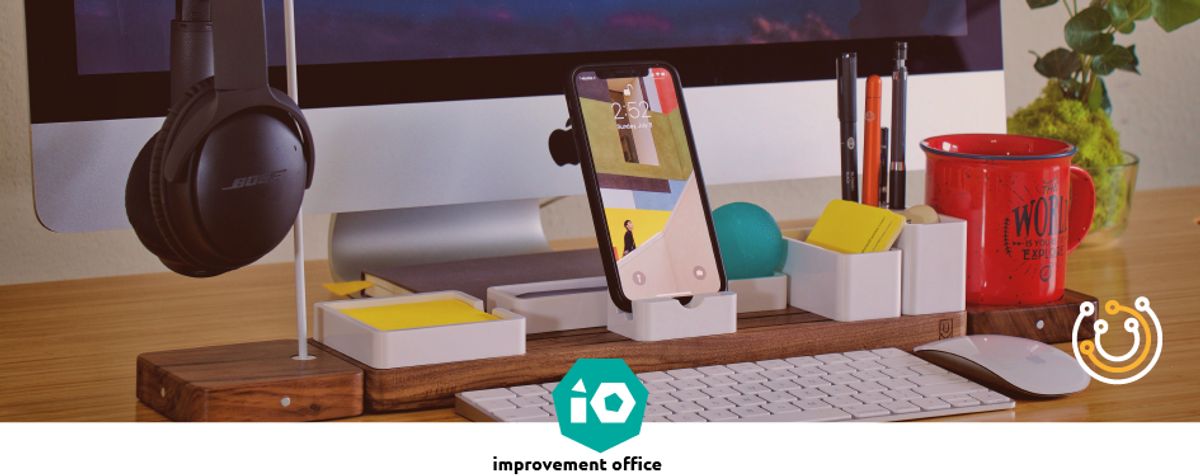
To craft an intuitive design, it’s essential to start with a deep understanding of user behavior. This involves analyzing user data and behavior patterns to identify demographics, behaviors, and preferences. For instance, when designing a fitness app, understanding user goals is crucial for creating a customer-centric interface.
User research methods such as interviews, surveys, and analytics review are invaluable for gaining insights. Here’s a brief overview of common research methods:
- User interviews: One-on-one discussions to delve into behaviors, preferences, and pain points.
- Surveys: Online questionnaires that provide quantitative data on user attitudes.
- Competitor analysis: Identifying UX opportunities by examining competing products.
- Analytics review: Using data from existing services to spot usage patterns and optimization areas.
By placing the user at the center of every design decision and committing to continuous improvement, products can meet functional requirements while also providing delight and inspiration.
Understanding users is not just about data; it’s about empathy and designing for usability, consistency, and emotional engagement. Empathy Mapping, for example, can help flesh out user personas, making them a powerful tool in the design process.
Leveraging Consistency in UI Elements
Consistency in design is not just about aesthetics; it’s about creating a seamless experience for users. Uniformity across UI elements such as buttons, fonts, and color schemes helps users develop a mental model of how your application works. This familiarity reduces cognitive load and makes the interaction with your product more intuitive.
- Maintain visual styles consistently
- Use familiar interactions and terminology
- Align elements to a grid for spatial consistency
By simplifying navigation and adhering to established conventions, we can significantly improve user satisfaction and reinforce brand identity.
It’s essential to balance consistency with creativity to avoid a monotonous interface. However, the core elements should remain consistent to provide a reliable user experience. This approach not only aids usability but also contributes to a stronger brand presence, as users begin to associate certain design choices with your product.
Prioritizing Accessibility
When it comes to crafting memorable user experiences, accessibility should never be an afterthought. Ensuring that your design is accessible to all users, including those with disabilities, is not only a matter of inclusivity but also a strategic business decision. By adhering to the Web Content Accessibility Guidelines (WCAG), you can expand your user base and foster a positive brand perception.
Accessibility is the gateway to an inclusive digital world, where every interaction is possible for every user.
Here are some key benefits of prioritizing accessibility in your designs:
- Enhanced usability for all users
- Compliance with legal standards
- Improved search engine optimization (SEO)
- Increased market reach
- Positive impact on brand reputation
Remember, an accessible website is one that accommodates all users on all devices, regardless of the method they use to access the internet. This includes alternative text for images, keyboard-friendly interfaces, and flexibility in design to cater to various needs. Focus on simplicity and intuitiveness in your designs to ensure that they are clear and communicable to everyone.
Enhancing User Engagement through Design
Incorporating Storytelling in UX
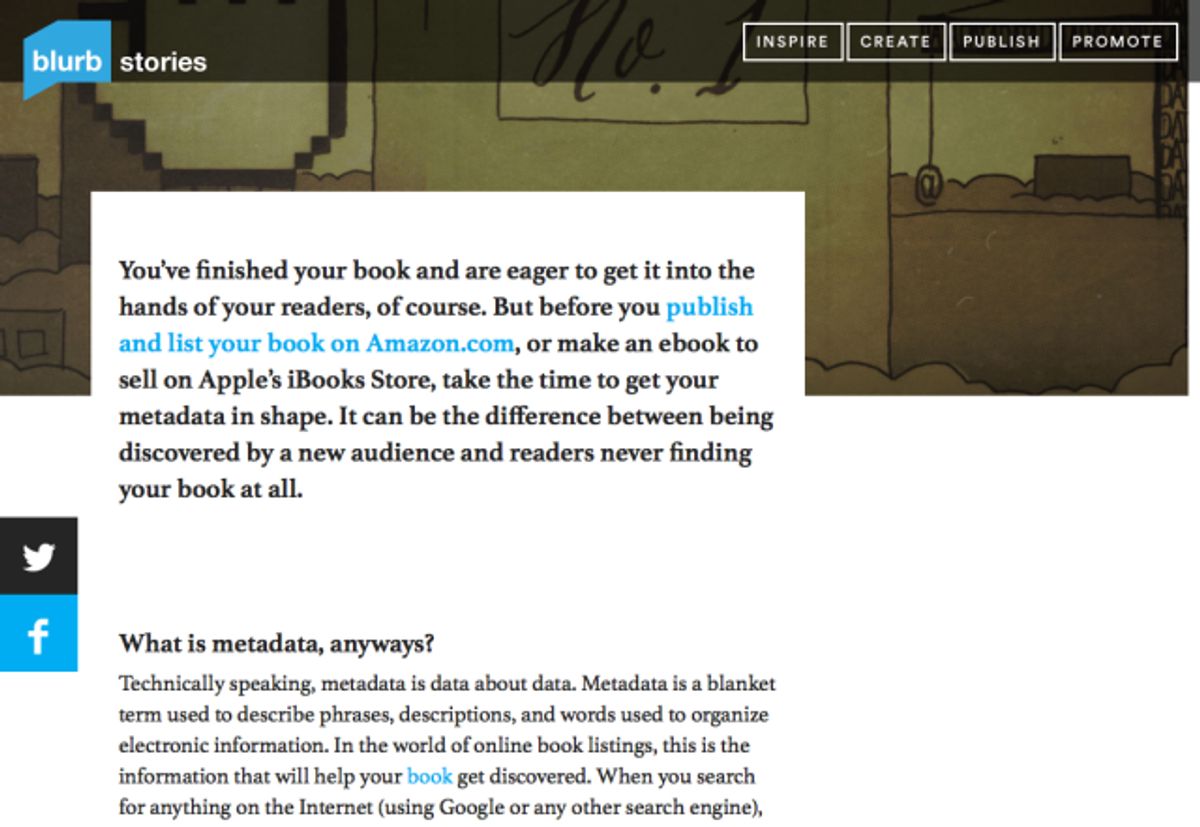
In the dynamic realm of User Experience (UX) design, storytelling transcends the mere presentation of data and functionality. It weaves a narrative that engages, informs, and inspires users, guiding them through digital landscapes with purpose and intention. Storytelling is how you influence others, creating a memorable journey that aligns with their expectations and emotions.
By embedding storytelling into the UX design process, we can create more than just user-friendly interfaces; we create experiences that resonate on a human level.
Effective storytelling in UX requires a deep understanding of the user’s needs and the ability to craft a narrative that mirrors their journey with your product. Here are some key steps to incorporate storytelling in your design:
- Align your story to your audience, ensuring relevance and empathy.
- Use a clear and consistent theme throughout the user interface to maintain narrative flow.
- Don’t make your audience wait; deliver a compelling story at every stage of interaction.
Remember, the goal is not just to tell a story, but to create an experience where the user feels like a part of the story, actively engaging with your product or service.
Utilizing Emotional Design Principles
At the heart of emotional design is the goal to connect with users on a deeper level, creating experiences that resonate and leave a lasting impression. Emotional design is not just about aesthetics; it’s about evoking the right feelings that lead to enhanced user engagement and loyalty. By tapping into the user’s emotions, designers can create a powerful bond between the product and its user.
Emotional design is the concept of how to create designs that evoke emotions which result in positive user experiences.
Understanding that emotions play a pivotal role in decision-making, designers can strategically use color, typography, imagery, and other design elements to trigger the desired emotional response. Here are some key strategies:
- Utilize color psychology to convey mood and atmosphere.
- Choose typography that reflects the brand’s personality.
- Incorporate imagery that tells a compelling story.
- Design interactions that surprise and delight, such as playful animations or microinteractions.
By prioritizing empathy and emotional engagement, designers can craft experiences that are not only functional but also emotionally fulfilling. This approach can transform a mundane interaction into a memorable journey, encouraging users to return and advocate for the brand.
Creating Delight with Microinteractions
Microinteractions are the subtle, yet powerful details that create a sense of delight in user experiences. They are the small moments that make a big impact, often without the user consciously noticing them. These tiny design elements can be as simple as a button changing color when hovered over, or a notification gently bouncing to draw attention.
- Identify moments that can be enhanced with microinteractions.
- Design with purpose, ensuring each interaction serves a function and enhances usability.
- Test and refine to achieve the perfect balance between subtlety and noticeability.
By focusing on these small interactions, designers can significantly improve the overall user experience, encouraging engagement and fostering positive emotional connections with the product.
AM2 Studio’s approach to web development exemplifies the integration of microinteractions. Their commitment to strategic planning and creative design results in websites that not only function smoothly but also provide a seamless and enjoyable user journey. With personalized services and ongoing support, they ensure that every detail contributes to client success and satisfaction.
Optimizing Conversion with User-Centric Strategies
Simplifying User Journeys
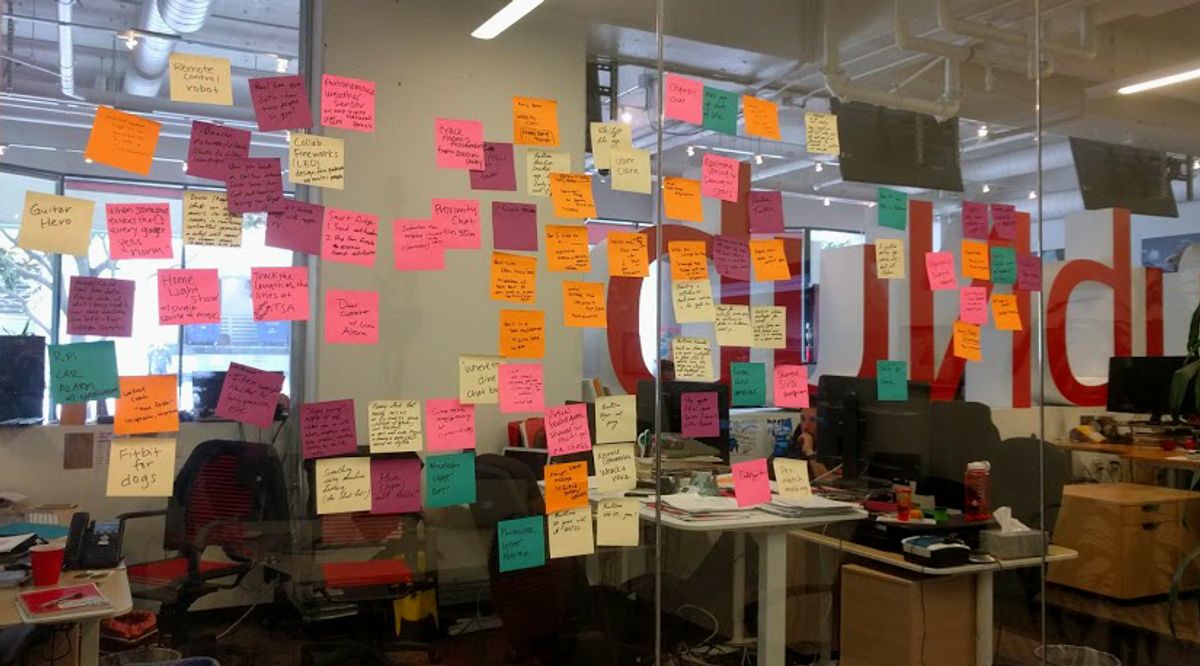
The path from a user’s initial visit to a successful conversion should be as efficient as possible. By streamlining the user journey, we minimize the risk of users getting lost or frustrated, which in turn reduces drop-offs and increases successful interactions. A customer journey map is a strategic tool that helps in understanding how customer experience evolves and allows for the identification of potential problems to improve the design.
Simplifying the user journey is not just about reducing the number of clicks, but about creating a seamless flow that guides users towards their desired actions with ease and efficiency.
To achieve this, consider the following steps:
- Optimize user journey with simplicity, consistency, speed, and mobile-friendliness.
- Use research, feedback, personalization, and guided interactions to create seamless experiences.
- Design for conversion by understanding psychology, simplifying UI, and ensuring responsiveness.
These steps lead to increased user satisfaction, higher conversion rates, and a positive recommendation of the website.
A/B Testing for Improved UX
A/B testing stands as a pivotal method in the realm of user experience (UX) design, offering a data-driven approach to making design decisions. By comparing two or more variations of a design, teams can discern which elements resonate best with users, leading to higher engagement and conversion rates.
Strategic UX design aligns business goals with user needs, prioritizing features for user satisfaction and business outcomes. A/B testing refines design choices based on data-driven decisions.
The process typically involves the following steps:
- Establishing clear objectives for the test.
- Creating the design variations to be tested.
- Defining the success metrics, such as click-through rates or conversion percentages.
- Running the test with a segment of the user base.
- Analyzing the results to determine the more effective design.
This iterative process not only enhances the user experience but also contributes to a more robust bottom line. By continuously testing and learning, designers can incrementally improve the product, ensuring that every change is a step towards a more intuitive and satisfying user experience.
Leveraging Analytics for Design Decisions
In the realm of user experience, data is a compass that guides designers to informed decisions. By meticulously analyzing user behavior and interaction data, we can uncover patterns that reveal the strengths and weaknesses of a design. This process is not just about collecting numbers; it’s about transforming them into actionable insights.
Analytics serve as the bridge between user feedback and practical design improvements. They allow us to move beyond guesswork and make enhancements that are truly user-centric.
For instance, consider the impact of performance optimization on user satisfaction. A well-performing product not only retains users but also significantly improves conversion rates. Here’s a simple breakdown of how analytics can influence design choices:
- Analyze data to identify areas for improvement
- Incorporate user feedback to refine the product
- Optimize UI elements to enhance user engagement
- Track and measure the results post-implementation
Ultimately, leveraging analytics in design leads to a more intuitive and satisfying user experience, fostering brand loyalty and user engagement.
Building a Cohesive Brand Experience
Aligning Design with Brand Identity
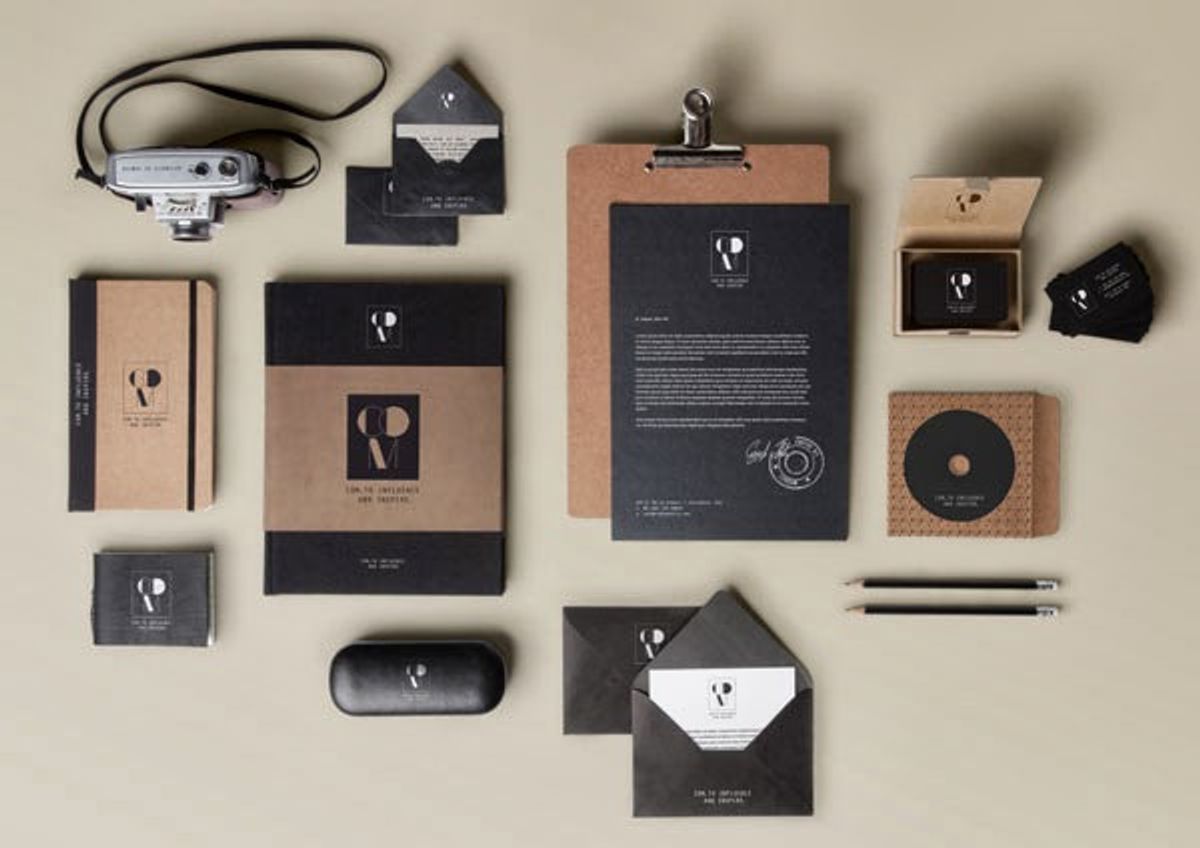
In the realm of user experience, the alignment of design with brand identity is crucial for creating memorable brand experiences. This alignment ensures that every interaction a user has with your product or service not only meets their expectations but also reinforces the brand’s core values and message. A well-crafted design that resonates with your brand identity can elevate your digital presence, positioning your brand as a leader in your industry.
By meticulously integrating visual identity, storytelling, and optimized usability, businesses can foster a strong connection with their audience, leading to increased trust and loyalty.
To achieve this, consider the following steps:
- Establish a clear brand message and visual language that reflects your brand’s values.
- Ensure that all design elements, from typography to imagery, are consistent across all platforms.
- Incorporate accessibility and responsiveness to cater to a diverse user base and device landscape.
- Utilize user feedback and analytics to refine and adapt the design to align with user perceptions and behavior.
Ultimately, the goal is to align the brand identity with the brand image perceived by users. When these two elements align, the brand’s promise is delivered seamlessly through the user interface, leading to a cohesive and satisfying user experience.
Ensuring Brand Consistency Across Platforms
Achieving brand consistency across various platforms is essential for fostering trust and recognition among your audience. It’s about creating a unified experience that resonates with users, regardless of the channel they’re engaging with. This consistency extends beyond visual elements to include the tone of messaging, user interactions, and overall brand ethos.
To ensure a cohesive brand experience, consider the following steps:
- Develop comprehensive brand guidelines that cover all aspects of your brand identity.
- Audit existing content across platforms to identify areas of inconsistency.
- Implement a cross-functional team approach to maintain alignment across departments.
- Regularly review and update your brand guidelines to adapt to evolving market trends.
By meticulously aligning every touchpoint, businesses can turn casual users into loyal brand advocates. A consistent brand image is a powerful tool that not only enhances user experience but also reinforces the brand’s position in the market.
Crafting a Narrative that Resonates with Users
To craft a narrative that resonates with users, it’s essential to delve into the essence of storytelling in UX. This involves creating narratives that not only understand users better but also design products that cater to their needs. It’s about seeing the world through their eyes and addressing their desires and challenges in a way that feels personal and engaging.
Incorporating storytelling into UX design means setting the stage with the user’s journey. This journey should be framed as a compelling narrative, starting with the user’s initial encounter with the product, through the challenges they face, to the resolution provided by your design. Here are some steps to effectively weave storytelling into your projects:
- Identify the main characters (your users) and their goals.
- Understand the conflict or problem they are facing.
- Design the resolution in a way that is both satisfying and memorable.
By framing a product or service within a story, designers can create more engaging, memorable, and effective experiences.
Remember, the power of storytelling in UX design transcends the mere presentation of data and functionality. It weaves a narrative that engages, informs, and inspires, driving connection and guiding users through digital landscapes with purpose and intention.
Advancing Design with Technology

Embracing Responsive and Adaptive Design
In the realm of user experience, responsive and adaptive design are critical in ensuring that a website or application is accessible and functional across a multitude of devices. A responsive design dynamically adjusts to fit the screen size and orientation of the device, providing a seamless user journey. Meanwhile, adaptive design has predefined layouts that trigger based on the detected screen size. Both approaches aim to address challenges with best practices and enhance UX.
To achieve this, consider the following steps:
- Simplify and prioritize content to fit mobile screens.
- Optimize navigation and interactions for touch controls.
- Utilize responsive layouts that adapt to various devices.
By focusing on these aspects, designers can create engaging and memorable experiences, incorporating microinteractions that delight users and encourage interaction.
It’s not just about making a site look good on any device; it’s about making it usable and intuitive, regardless of where it’s accessed. With the increasing prevalence of mobile devices, embracing responsive and adaptive design is no longer optional but a necessity for a competitive digital presence.
Integrating Emerging Tech in UX
The integration of emerging technologies into UX design is not just about staying current; it’s about shaping a future where digital interactions are intuitive, immersive, and inclusive. As we harness technologies like augmented reality (AR), virtual reality (VR), and artificial intelligence (AI), we open new avenues for storytelling and personalization that can transform user experiences.
By embracing these technologies, designers can create dynamic user stories and interfaces that are accessible to users of all abilities, while also addressing ethical considerations such as data privacy and transparency.
In the realm of UX, the strategic incorporation of these technologies is crucial for developing interfaces that resonate with users and uphold the pillars of usability and privacy. It’s a continuous process of learning and adapting to ensure that the products we design not only meet but exceed user expectations.
Leveraging AI for Personalized Experiences
The integration of Artificial Intelligence (AI) in user experience design is revolutionizing the way we interact with digital platforms. AI’s ability to analyze vast amounts of user data enables the creation of highly personalized experiences. By understanding individual behaviors and preferences, AI can tailor content, suggest relevant products, and even predict user needs before they arise.
AI-driven personalization is not just about convenience; it’s about creating a connection. When users feel understood, their engagement increases, leading to better conversion rates and brand loyalty.
For instance, eCommerce platforms can leverage AI to remember past interactions and preferences, suggesting items that align with the user’s taste. This level of personalization fosters a sense of individual attention, which is key in building long-term customer relationships. Additionally, AI can optimize user journeys by presenting the most relevant content, minimizing friction, and streamlining the path to conversion.
- Engage users with interactive elements and personalized storytelling
- Personalize content based on user preferences
- User-centric design improves conversion rates, credibility, and brand loyalty
In an era where technology shapes the future of design, our team at [YourWebsiteName] is dedicated to harnessing the power of digital tools to elevate your brand’s online presence. From custom WordPress development to performance optimization and eCommerce solutions, we offer a full spectrum of services to meet your unique needs. Don’t let your business fall behind—visit our website to explore our portfolio and discover how we can help you thrive in the digital landscape. Let’s create something extraordinary together!
Conclusion
In the realm of digital interfaces, the creation of intuitive and memorable user experiences is paramount. This article has delved into the significance of user-centric design, emphasizing the need for consistency, clarity, and emotional engagement. By adopting a human-centered approach, designers can craft interfaces that resonate with users on a deeper level, fostering a sense of connection and satisfaction. The real-world examples and strategies discussed underscore the transformative power of intuitive design in enhancing user engagement and boosting conversion rates. As we continue to navigate the ever-evolving landscape of user experience design, let us remember that at the heart of every successful digital product is an experience that captivates, delights, and leaves a lasting impression.
Frequently Asked Questions
What is intuitive design in user experience?
Intuitive design refers to creating user interfaces that are easy to understand and use without the need for extensive instruction or learning. It leverages familiar patterns and natural interactions to ensure users can navigate and interact with a product or service effortlessly.
How does storytelling enhance user engagement in UX?
Storytelling in UX design helps create a narrative that users can connect with, making the experience more memorable and engaging. It simplifies complexity and guides users through a product, providing context and meaning that resonates on an emotional level.
Why is consistency important in UI elements?
Consistency in UI elements helps users develop a mental model of how the interface works, making it easier to navigate and use. It reduces confusion and cognitive load by providing a predictable and coherent experience across different parts of the product.
What role does accessibility play in user experience?
Accessibility ensures that a product or service is usable by people with a wide range of abilities and disabilities. It is a crucial aspect of user experience design that prioritizes inclusivity, allowing more users to access, navigate, and benefit from a digital product.
How can A/B testing improve user experience?
A/B testing involves comparing two versions of a web page or interface to determine which one performs better in terms of user engagement, conversion rates, or other metrics. This data-driven approach allows designers to make informed decisions that enhance the UX.
What is the significance of aligning design with brand identity?
Aligning design with brand identity ensures that the user experience is consistent with the brand’s values, aesthetics, and messaging. It creates a cohesive brand experience across all platforms, strengthening brand recognition and trust among users.