Crafting Memorable User Experiences with Intuitive Design
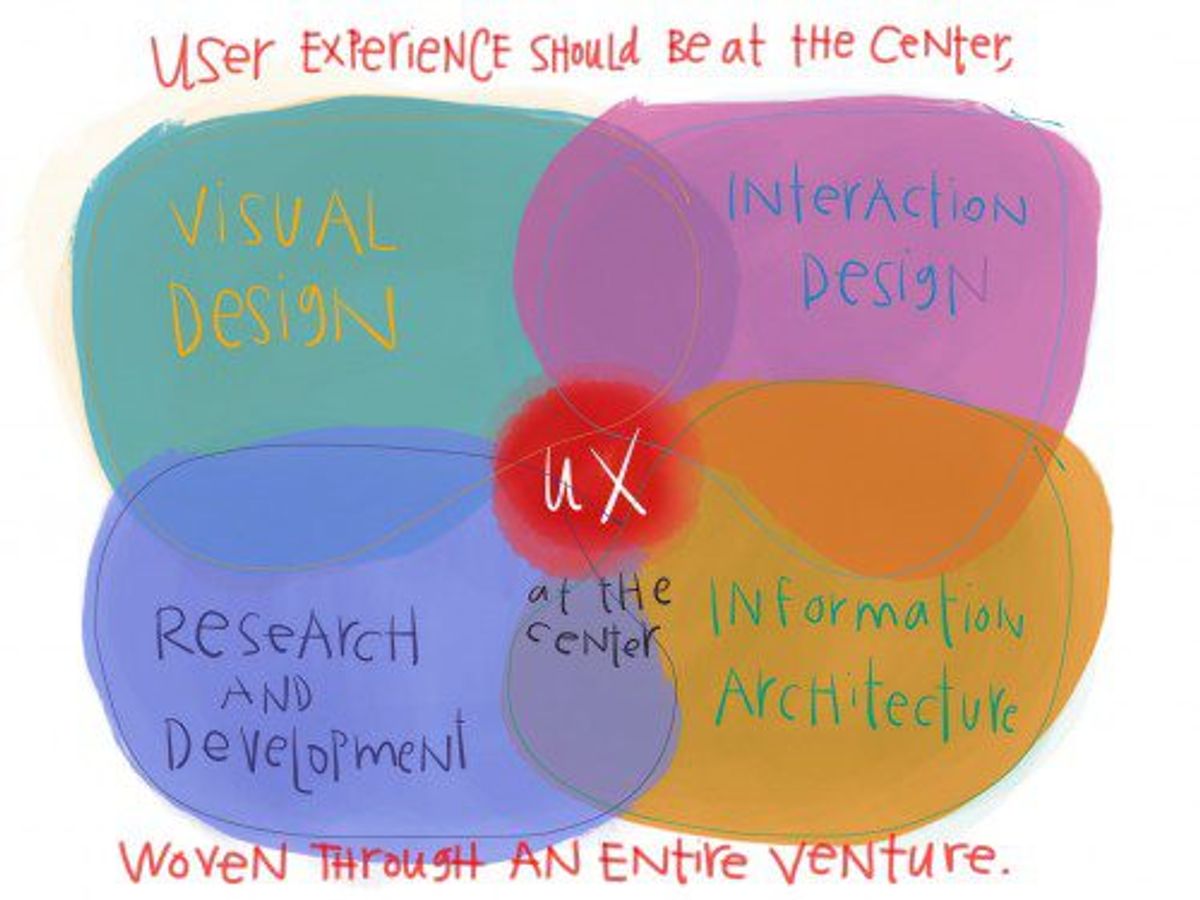
In the digital age, creating a user experience that is both intuitive and memorable is paramount to the success of any online platform. Intuitive design is about crafting an environment that feels natural to navigate, encouraging user engagement and satisfaction. This article dives into the essential elements of intuitive design and how they contribute to crafting memorable user experiences. It explores the principles and strategies that make a design not only visually appealing but also functionally seamless, ensuring that users have a positive interaction with your digital presence.
Key Takeaways
- Intuitive design is grounded in simplicity, ensuring that user interfaces are clear and easy to understand.
- Consistency across platforms is crucial for a cohesive user experience, reinforcing familiarity and reducing learning curves.
- Effective design provides clear feedback to users, guiding them through interactions and building confidence in the use of the platform.
- Emotional design elements are key to creating connections with users, leading to increased engagement and brand loyalty.
- Designing for conversion involves a balance between aesthetics and usability, optimizing user flows for better conversion rates.
The Pillars of Intuitive Design
Simplicity in User Interface
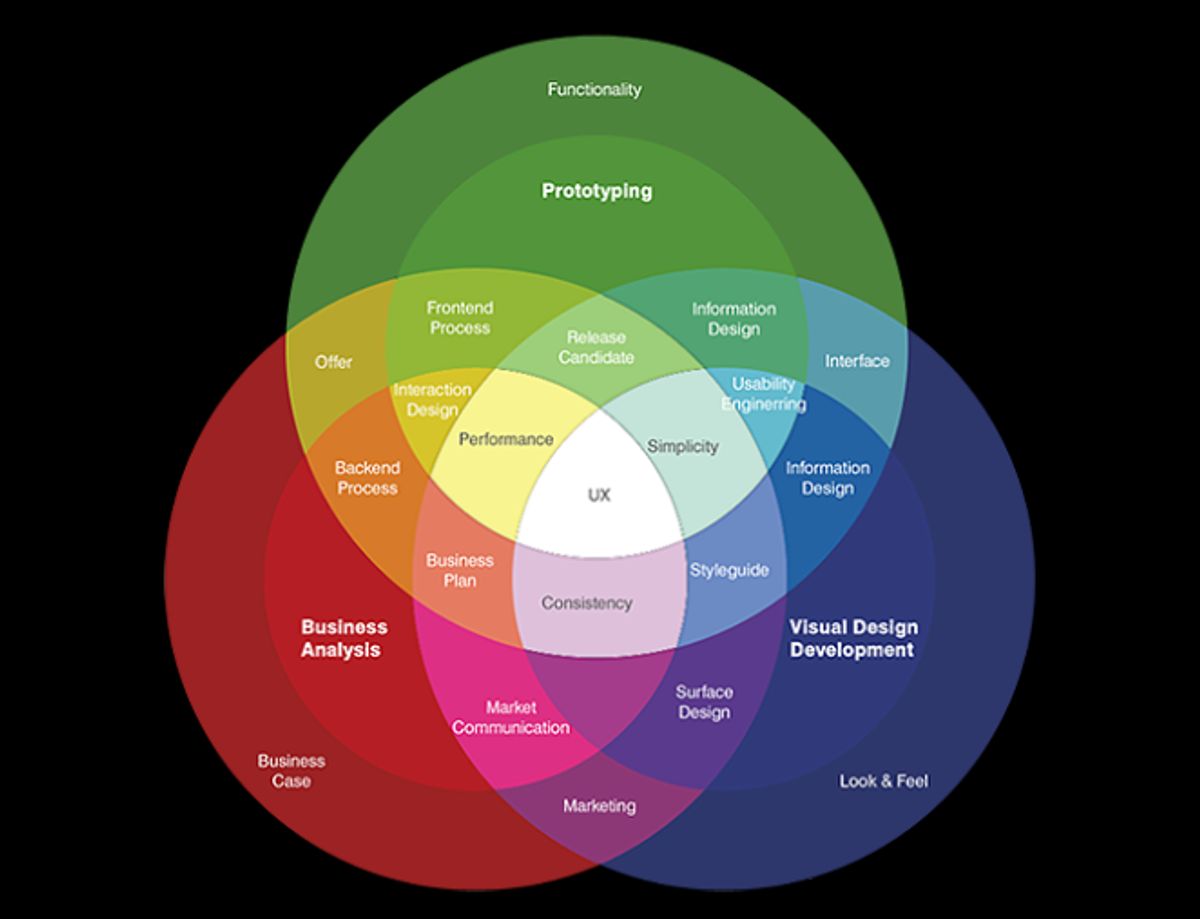
In the realm of intuitive design, simplicity reigns supreme. A user interface that is clean and uncluttered not only facilitates ease of use but also enhances the overall user experience. By focusing on essential features and maintaining a tidy interface, designers can create an environment where users can achieve their goals with minimal effort.
The key to intuitive navigation lies in a design that users can understand without a second thought, making their interaction with the platform seamless and efficient.
To achieve this, a ‘one-task, one-screen’ approach can be effective, ensuring that each screen is dedicated to a single function, thus avoiding confusion and clutter. Below are the three core ways to achieve simplicity in design:
- Maintain clarity by understanding and designing for the user’s main goals.
- Ensure consistency in the appearance of elements such as layout, color schemes, and typography.
- Provide clear feedback for user actions to inform them of the consequences immediately.
Consistency Across Platforms
In today’s digital landscape, users often interact with products across multiple devices, making consistency across platforms a cornerstone of intuitive design. This consistency ensures that users feel a sense of familiarity, no matter the device they use, be it a smartphone, tablet, or desktop. Crafting intuitive design by understanding user behavior through research methods is essential. By leveraging consistency in UI elements, we not only streamline the user experience but also reinforce brand identity.
Consistency in design is not just about maintaining a uniform look. It’s about creating a cohesive brand identity that enhances brand recognition, builds credibility, and simplifies marketing efforts. A consistent interface across platforms allows users to navigate with ease, reducing the learning curve and fostering a more engaging experience.
To achieve this, designers must focus on responsive designs that adapt seamlessly to different screen sizes and platforms. Whether a user switches from an Android phone to a tablet, the design should remain fluid and intuitive. Below is a list of benefits that consistency brings to user experience:
- Intuitive Navigation: Reduces frustration and increases satisfaction.
- Familiar Patterns: Creates a cohesive experience across various sections.
- Increased Engagement: Encourages users to return and recommend.
- Efficiency: Allows users to complete tasks quickly and with fewer errors.
Clear Feedback Mechanisms
In the realm of intuitive design, feedback mechanisms play a pivotal role in guiding users through their interactions with a product. These mechanisms provide immediate and clear responses to user actions, ensuring that users understand the outcomes of their behaviors. For instance, when a user submits a form, a confirmation message should appear, confirming the successful submission or prompting the user to correct errors.
Feedback loops are essential for fostering a sense of control and predictability within the user experience. They are the cornerstone of an iterative design strategy, which relies on user insights to refine and optimize the design continuously.
To effectively collect user feedback, a variety of tools can be employed. Surveys, analytics, and usability testing are just a few methods that can yield valuable insights. Below is a list of common feedback tools and their purposes:
- User Surveys: Gather subjective user opinions and satisfaction levels.
- Analytics Tools: Track user behavior and interaction patterns.
- Usability Testing: Identify usability issues and areas for improvement.
By measuring emotional engagement and analyzing feedback, designers can pinpoint areas that require enhancement. This process not only improves the user experience but also aligns the website with the user’s preferences and needs, ultimately leading to better conversion rates and user retention.
Enhancing User Experience Through Emotional Design

Crafting Emotional Connections
In the realm of UI/UX design, creating emotional connections is pivotal to user retention and brand loyalty. These connections are forged through a blend of storytelling, design elements, and multimedia, which together enhance the overall user experience. By tapping into the user’s emotions, designers can foster a sense of belonging, trust, and engagement with the brand.
Emotional design is not just about the right color or shape, but about creating an experience that feels personal and responsive to the user’s needs.
Understanding the psychology behind user decisions is crucial. Designers must consider the emotional impact of their work, from the colors and typography to the imagery used. A well-crafted interface can evoke positive emotions, making the user’s journey enjoyable and memorable. This emotional resonance is what ultimately contributes to a positive brand association and user satisfaction.
Here are some key aspects to consider when crafting emotional connections:
- Color psychology and its emotional influence
- Typography that sets the right tone and mood
- Imagery and iconography that tell a compelling story
- Interactive elements that provide a sense of agency and accomplishment
By focusing on these elements, designers can create interfaces that not only look good but also feel good, leading to increased user engagement and loyalty.
Creating Immersive, User-Centric Designs
To achieve immersive, user-centric designs, it’s essential to understand user behavior for predictive design. This insight allows for the creation of emotional impact and consistent interfaces that resonate with users on a deeper level. By designing with user emotions in mind, we ensure intuitive navigation and satisfaction, fostering a connection that goes beyond the screen.
- Human-Centered Design Principles:
- Prioritize usability and accessibility
- Craft intuitive navigation flows
- Develop clear visual hierarchies
- Engage users with interactive elements
Embracing these principles leads to interfaces that not only captivate users but also facilitate a seamless digital journey.
Incorporating seamless interactivity is another cornerstone of user-centric design. Whether it’s through story-driven content or responsive design elements, the goal is to create an environment where users feel compelled to engage and explore. This approach not only enhances the user experience but also contributes to higher engagement and conversion rates.
Designing for Brand Identity and Trust
In the digital landscape, trust is the cornerstone of user engagement. A brand’s identity is not just its logo or color palette; it’s the cumulative experience a user has with the brand’s digital presence. Consistency in design across various platforms reinforces brand recognition and fosters trust.
Design principles such as clarity, simplicity, and consistency are not just aesthetic choices—they are strategic tools that enhance user experience. When these principles are applied, they create a seamless experience that resonates emotionally with users, leading to increased engagement and trust.
By embedding transparency and honesty in the design process, we assure users of our integrity. This approach is crucial for building a brand identity that stands for something greater than the sum of its products or services.
To measure the impact of design on brand identity and trust, consider the following points:
- Consistency in visual elements and interactions builds familiarity.
- Clear communication through design elements conveys professionalism.
- Emotional connections are forged through delightful design elements.
- Transparency in data collection and usage policies enhances credibility.
Navigating the Ephemeral: Design for Fleeting Interactions

Intuitive Navigation for Ephemeral Content
In the fast-paced world of ephemeral content, where digital moments are fleeting, intuitive navigation is paramount. Users should effortlessly understand how to interact with the content, whether it’s swiping through stories or tapping to reveal more details. A well-designed UI guides users through the ephemeral experience, making it easy and enjoyable.
User-centric design emphasizes simplicity, clarity, and intuitive navigation to enhance user experience and engagement, fostering inclusivity and meaningful interactions. The role of UI/UX in ephemeral design is not just about aesthetics; it’s about enhancing functionality and ensuring a seamless, enjoyable experience for users.
As we navigate the age of disappearing content, the fusion of UI/UX and ephemeral design emerges as a powerful tool for crafting memorable digital experiences.
Ephemeral content often invites user participation. UI/UX should facilitate seamless interactivity, allowing users to engage with the content effortlessly. Whether it’s responding to a story or swiping to explore more, the design should encourage and enhance user interaction.
Seamless Interactivity and Engagement
In the realm of ephemeral content, visual appeal and intuitive navigation are paramount to capturing user attention. However, the true measure of success lies in seamless interactivity and engagement. Users should feel compelled to interact with the content, whether it’s through swiping, tapping, or responding to a call to action. This level of engagement is achieved by crafting intuitive interfaces that incorporate descriptive labels, hierarchy, whitespace, and microinteractions.
The design should not only look good but also feel responsive and alive to user inputs, creating an immersive experience that encourages continuous exploration.
Efficiency and consistency are key factors that contribute to a smooth user experience. Here’s how they impact engagement:
- Intuitive Navigation: Users find what they’re looking for with ease.
- Consistency: Familiar patterns across different sections enhance the experience.
- Increased Engagement: Comfortable and comprehensible interfaces lead to more interaction.
- Efficiency: Tasks are completed swiftly and with minimal errors.
By prioritizing usability, accessibility, and user-centered design, we ensure a streamlined experience that resonates with users and fosters brand loyalty.
Storytelling Through Ephemeral Design
In the realm of ephemeral design, storytelling is paramount. It’s not just about the content that appears and vanishes; it’s about the narrative journey that the user experiences in those fleeting moments. By weaving a story into the design, we create a memorable path that guides the user, evoking emotions and building a connection that outlasts the content itself.
Ephemeral content, by its very nature, demands quick user engagement. The design must be intuitive enough to convey the story at a glance, yet rich enough to leave a lasting impression.
To achieve this, consider the following steps:
- Begin with a clear, engaging hook that captures attention.
- Use visual cues to lead the user through the content.
- Employ micro-interactions to enhance the sense of participation.
- Conclude with a call-to-action that resonates with the story.
Businesses can create user-centric environments through emotional design, storytelling, and empathy to enhance user engagement and satisfaction. Crafting delightful user experiences involves a balance of functionality, privacy, and aesthetic elements like color and typography, all while focusing on user engagement.
Optimizing for Conversion: Usability Meets Aesthetics

Balancing Visual Appeal with Usability
In the realm of UI/UX design, striking the perfect balance between visual appeal and usability is a critical challenge. Designers must navigate the delicate interplay of aesthetics and functionality to ensure that users are not only drawn to the design but can also interact with it effortlessly. By removing unnecessary elements and focusing on essential features, designers can create clean and visually appealing interfaces that enhance usability.
- Maintain clarity: Understand and design for your users’ main goals.
- Make use of automation: Design for a minimum amount of conscious and cognitive effort.
- Limit options: Design for a strong "information scent".
The beauty of design lies in its simplicity and creativity. A user-friendly interface does not need to sacrifice creativity; it should instead harness it to provide a seamless experience.
Visual aesthetics play a crucial role in shaping user perceptions and brand identity. Thoughtful use of color, typography, and imagery contributes to a visually pleasing experience that resonates with users. However, it’s essential to ensure that these visual elements do not overshadow the functionality of the product. A well-designed interface should guide users intuitively to their desired actions, leading to increased engagement and conversion rates.
User Experience Audits for Continuous Improvement
User experience audits are essential for identifying the strengths and weaknesses of your digital product. By analyzing user interactions and feedback, businesses can pinpoint areas that require enhancement. Regular audits ensure that the design evolves with user needs, leading to a more intuitive and satisfying experience.
To enhance user experience, focus on usability analysis, microinteractions, and user feedback. Aim for clarity, engagement, and error reduction to improve conversion rates.
Incorporating tools like Google Analytics and Hotjar provides insights into user behavior and identifies bottlenecks. This data-driven approach allows for targeted improvements. For instance, A/B testing can reveal which design elements resonate best with users, informing decisions that can significantly impact conversion rates.
- Analyze user interface and interactions
- Implement feedback mechanisms
- Conduct usability testing sessions
- Utilize analytics for data-driven insights
- Refine design through iterative cycles
Embracing an iterative design strategy, informed by user insights, leads to an optimized website that aligns with user preferences and needs. This ongoing process of refinement is crucial for staying competitive in a rapidly evolving digital landscape.
Design Strategies for Higher Conversion Rates
To elevate conversion rates, a meticulous blend of user psychology and design is paramount. Understanding the user’s journey and simplifying the user interface (UI) can lead to a more responsive and aesthetically balanced website. It’s about guiding users through seamless interactions that not only meet but exceed their expectations.
By optimizing the UI for conversion rates, we ensure that the user experience is not just a journey, but a destination of satisfaction and brand loyalty.
A strategic approach involves several key actions:
- Maintain clarity: Design with the user’s main goals in mind.
- Use automation wisely: Minimize the need for conscious effort.
- Limit options: Provide a strong information scent to guide users.
Additionally, regular user experience audits can reveal insights into areas needing improvement. For instance, website heatmaps can highlight coldspots indicating lower interaction, which can then be optimized to enhance engagement and conversions. The table below summarizes the impact of performance optimization on customer satisfaction:
| Performance Optimization | Impact |
|---|---|
| Increase in website speed | Higher conversion rates |
| Improved user experience | Better engagement |
| Enhanced search rankings | Greater visibility |
In conclusion, designing for conversion is not just about aesthetics; it’s about creating a cohesive experience that resonates with users on an emotional level, ensuring privacy, and fostering trust within a team dedicated to continuous improvement.
Sustaining Engagement Post-Launch

Monitoring and Responding to User Feedback
In the digital realm, user feedback is the compass that guides the enhancement of user experience. It’s essential to establish a robust system for collecting and analyzing feedback, which can range from in-app surveys to user behavior analytics. Short and simple questions improve your response rates and elevate your in-app user experience by making feedback collection seamless.
By actively monitoring user feedback, you can pinpoint areas that require attention and swiftly implement changes. This proactive approach not only improves the product but also shows users that their opinions are valued, fostering a sense of community and loyalty.
To effectively manage feedback, consider the following steps:
- Utilize user surveys and feedback tools to gather insights.
- Implement analytics to track user behavior and engagement.
- Conduct usability testing to identify friction points.
- Engage in iterative design to refine and improve the user experience.
Remember, the goal is to build a user-centric website that resonates with your audience’s preferences and needs. By leveraging user insights, you can create an optimized digital environment that aligns with user expectations and drives engagement.
Post-Launch Support and Maintenance
After the excitement of a launch, the real work begins to ensure the longevity and success of a digital product. Post-launch support and maintenance are not just about fixing bugs; they are about sustaining a product that continues to meet user needs and preferences. This ongoing process is vital for maintaining an engaging online presence and driving long-term user satisfaction.
The key to post-launch excellence lies in a proactive approach to monitoring, updating, and optimizing the user experience.
Regular maintenance activities are essential to keep a website or application running smoothly. Here’s a list of key post-launch tasks:
- Uptime monitoring to ensure availability
- Security checks to protect user data
- Performance checks for optimal speed
- SEO monitoring to maintain search rankings
- Frequent backups to safeguard against data loss
User-centered design fosters brand advocacy through satisfying interactions, post-launch monitoring, and ease of use, driving user satisfaction and loyalty. By addressing issues promptly and keeping the digital product up-to-date, businesses can ensure quality and maintain a strong online presence.
Iterative Design for Long-Term Success
The journey of a digital product is never truly complete; it evolves with user expectations and technological advancements. Iterative design is the compass that guides this evolution, ensuring that the product remains relevant and competitive. By continuously collecting and analyzing user feedback, we can pinpoint areas for enhancement and refine the user experience over time.
Iterative design is not just about fixing bugs or adding features; it’s about deepening the user’s connection with the product. Design details and empathy-driven strategies in digital design enhance brand loyalty by creating engaging products that resonate emotionally with users, encouraging repeat business and recommendations.
To implement an effective iterative design process, consider the following steps:
- Establish a feedback loop with users through surveys, analytics tools, and usability testing.
- Analyze the data to understand user behavior and preferences.
- Prioritize changes based on impact and feasibility.
- Develop and deploy improvements in a controlled manner.
- Monitor the impact of changes and repeat the cycle.
This structured approach ensures that the product not only meets but exceeds user expectations, fostering a sense of trust and satisfaction that is crucial for long-term success.
Keeping your audience engaged after the initial excitement of a launch is crucial for long-term success. Our comprehensive suite of services, including WordPress Development, eCommerce solutions, and custom web design, ensures that your website remains fresh, functional, and ahead of the competition. Don’t let your digital presence fade into the background; visit our website to discover how we can help sustain and amplify your online engagement. Let’s make your digital world better together.
Conclusion
In the pursuit of crafting memorable user experiences, intuitive design stands as the cornerstone of user satisfaction and engagement. Throughout this article, we have explored the multifaceted approach to creating interfaces that resonate with users on a deeper level. From the principles of storytelling and emotional connections to the practicalities of user-centric design and seamless interactivity, the goal remains clear: to design digital landscapes that are not only visually appealing but also inherently intuitive. As we continue to navigate the ever-evolving digital realm, let us remember that the true measure of success lies in our ability to empathize with users and deliver experiences that are both impactful and effortless. Whether you are developing an eCommerce platform, a content-rich website, or a dynamic web application, the insights shared here aim to guide you towards creating digital experiences that leave a lasting impression. Embrace the challenge, and let the principles of intuitive design lead the way to excellence in user experience.
Frequently Asked Questions
What are the core principles of intuitive design?
The core principles of intuitive design include simplicity in user interfaces, consistency across various platforms, and providing clear feedback mechanisms to users. These principles help create a seamless and user-friendly experience.
How does emotional design enhance user experience?
Emotional design creates connections by eliciting emotions from users, leading to more immersive and memorable experiences. It involves understanding users’ psychological needs and designing to meet those needs, thereby fostering brand identity and trust.
What is ephemeral design and how does it apply to user interactions?
Ephemeral design refers to transient, short-lived interactive experiences, such as stories on social media platforms. It emphasizes intuitive navigation, seamless interactivity, and storytelling to engage users effectively within the limited time the content is available.
Why is usability important for conversion optimization?
Usability is crucial for conversion optimization as it directly impacts the user’s ability to navigate and interact with a website or application. A well-designed, user-friendly interface encourages users to complete desired actions, leading to higher conversion rates.
What post-launch strategies are important for sustaining user engagement?
Post-launch strategies that sustain user engagement include monitoring and responding to user feedback, providing support and maintenance, and employing iterative design to continuously improve the user experience based on real-world usage and feedback.
How do you balance visual appeal with usability in design?
Balancing visual appeal with usability involves creating an aesthetically pleasing design that also prioritizes user needs. This means ensuring that the design is not only attractive but also functional, accessible, and easy to navigate, without compromising on performance or user satisfaction.