Crafting Memorable User Experiences with Intuitive Design

In today’s digital era, creating an intuitive and user-friendly website or application is crucial. A seamless user journey is a key aspect of creating a positive user experience (UX). To achieve this, it is important to understand your target audience, keep the navigation simple and consistent, implement responsive design, establish a well-organized information architecture, implement clear calls-to-action, provide a robust search functionality, optimize loading times, and continuously test and iterate.
Key Takeaways
- Intuitive design is rooted in a deep understanding of user psychology, simplifying navigation, and responsive design to create memorable user experiences.
- Usability enhances UX through methods like usability testing, designing for accessibility, and implementing feedback loops for iterative design.
- Emotional connections in design, such as delight and satisfaction, play a significant role in building brand loyalty and user satisfaction.
- Strategic design thinking aligns user experiences with business goals, leveraging UX for conversion optimization and measuring its impact on business outcomes.
- Future-proofing UX involves adapting to emerging technologies, sustainable practices, and anticipating user needs to ensure continuous relevance.
The Pillars of Intuitive Design
Understanding User Psychology
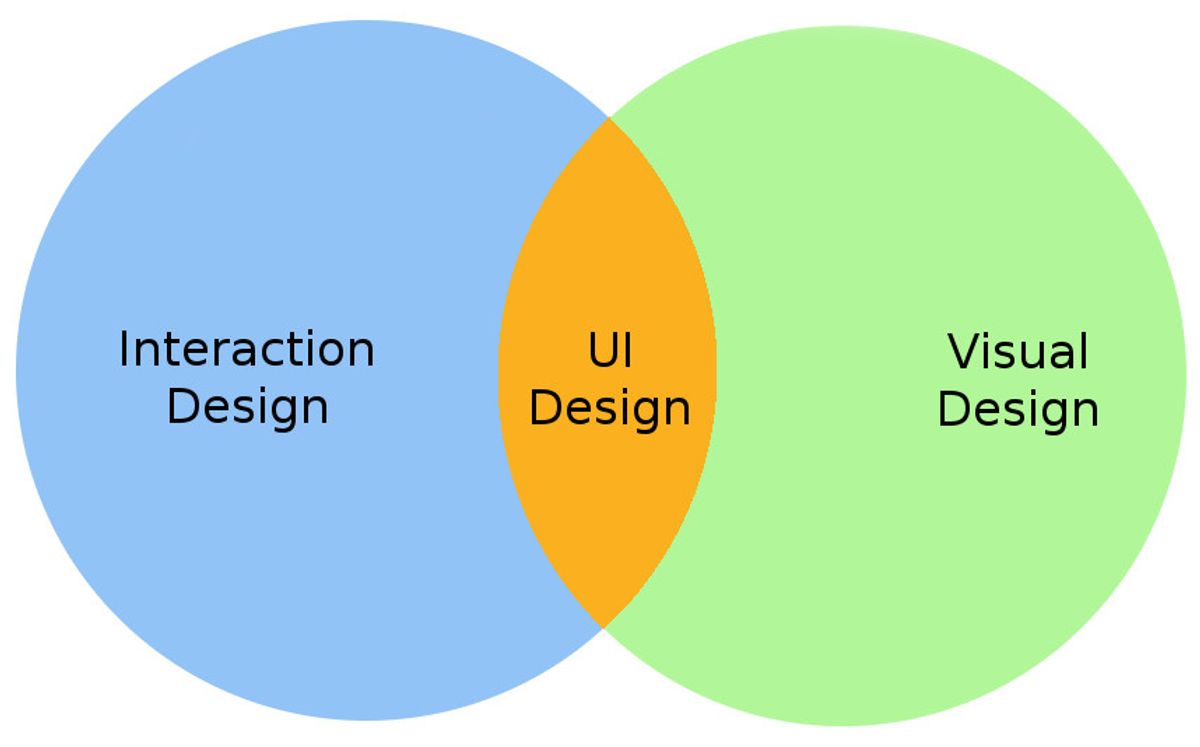
At the heart of intuitive design is a deep understanding of user psychology. By grasping the motivations and behaviors of users, designers can create experiences that are not only functional but also emotionally resonant. This understanding is the cornerstone of a user-centered design approach, which prioritizes the user’s perspective throughout the design process.
The key to unlocking exceptional user experiences is empathy. By placing ourselves in the shoes of the user, we can anticipate their needs and design solutions that are both intuitive and satisfying.
To effectively apply psychological principles in design, it’s essential to consider the following aspects:
- User needs and motivations
- Behavioral patterns and cognitive biases
- Emotional responses and connections
Each of these elements plays a crucial role in shaping the user’s interaction with a product. By aligning the design with the user’s psychological framework, we can guide them towards desired actions and create a seamless journey from initial engagement to conversion.
Simplifying Navigation
Intuitive design focuses on understanding user psychology and simplifying the user interface to create engaging, efficient experiences that prioritize usability and emotional connection. To achieve this, several best practices should be followed:
- Use clear and consistent labels for navigation items.
- Organize content in a logical and user-friendly manner.
- Employ visual elements to guide and inform users.
- Test navigation with real users to gather feedback and refine.
Remember, intuitive navigation is not just a luxury but a fundamental aspect of user experience design. It ensures the success of your website or app by creating a satisfying end-to-end experience for your users. On the other hand, poor navigation can lead to frustration and confusion, which may cause users to abandon your site in search of a more user-friendly alternative.
By streamlining navigation, we remove barriers to content, making information accessible and the journey through the website or app more pleasant. This approach not only enhances user satisfaction but also supports the overall success of the digital product.
Responsive and Adaptive Design
In the realm of digital interfaces, responsive and adaptive design are not just trends but essential components for creating a seamless user experience. As mobile devices become the primary means of accessing the internet, a website’s ability to adapt to various screen sizes and orientations is paramount. This ensures that content is easily accessible and legible, regardless of the device used.
Responsive design goes hand in hand with accessibility, making it a critical aspect of inclusive web development. By incorporating flexible layouts, images, and CSS media queries, designers can create a single website that adjusts smoothly across different devices. Adaptive design takes this a step further by detecting the device and loading the appropriate layout for it.
The key to successful responsive and adaptive design lies in the meticulous planning of breakpoints and fluid grids, which are the points at which the website’s layout changes to accommodate different screen sizes.
To illustrate the importance of responsive design, consider the following statistics:
- Over 50% of global web traffic now comes from mobile devices.
- Google prioritizes mobile-friendly websites in its search rankings.
These figures highlight the necessity for businesses to invest in responsive web design to reach their audience effectively and maintain a competitive edge.
Information Architecture Essentials
At the heart of intuitive design lies a well-structured Information Architecture (IA), which serves as the blueprint for organizing content in a way that is logical and easy to navigate. A streamlined IA ensures that users can find information quickly, enhancing their overall experience and satisfaction.
Key components of effective IA include:
- Clear categorization of content
- Consistent labeling systems
- Intuitive navigation paths
- Search functionality that delivers relevant results
By prioritizing these elements, designers can create a seamless journey for users, encouraging deeper engagement and longer sessions on the platform.
Remember, the goal is not just to present information, but to do so in a manner that feels natural and effortless for the user. This approach not only supports user engagement but also aligns with business outcomes, as a user-centric interface contributes to the success of the platform.
Clear Calls-to-Action
Clear calls-to-action (CTAs) are the signposts that guide users on what to do next, making them a critical component of intuitive design. A well-crafted CTA can significantly increase user engagement and conversion rates. It’s not just about the button design; it’s about the clarity of the message and its relevance to the user’s journey.
Effective CTAs are more than just imperative verbs; they encapsulate the value proposition and create a sense of urgency. Here are some best practices for CTAs:
- Use action-oriented language that prompts immediate response.
- Ensure visibility with size, color, and placement.
- Provide clear value by explaining what the user gains.
- Create a sense of urgency with time-sensitive language.
By optimizing CTAs, you can streamline the user journey, making it easy for users to move to the next step without hesitation or confusion.
Remember, the goal is to make the user’s decision to take action as frictionless as possible. Test different CTA variations, measure their performance, and iterate to find the most effective approach for your audience.
Enhancing User Experience through Usability
The Role of Usability Testing
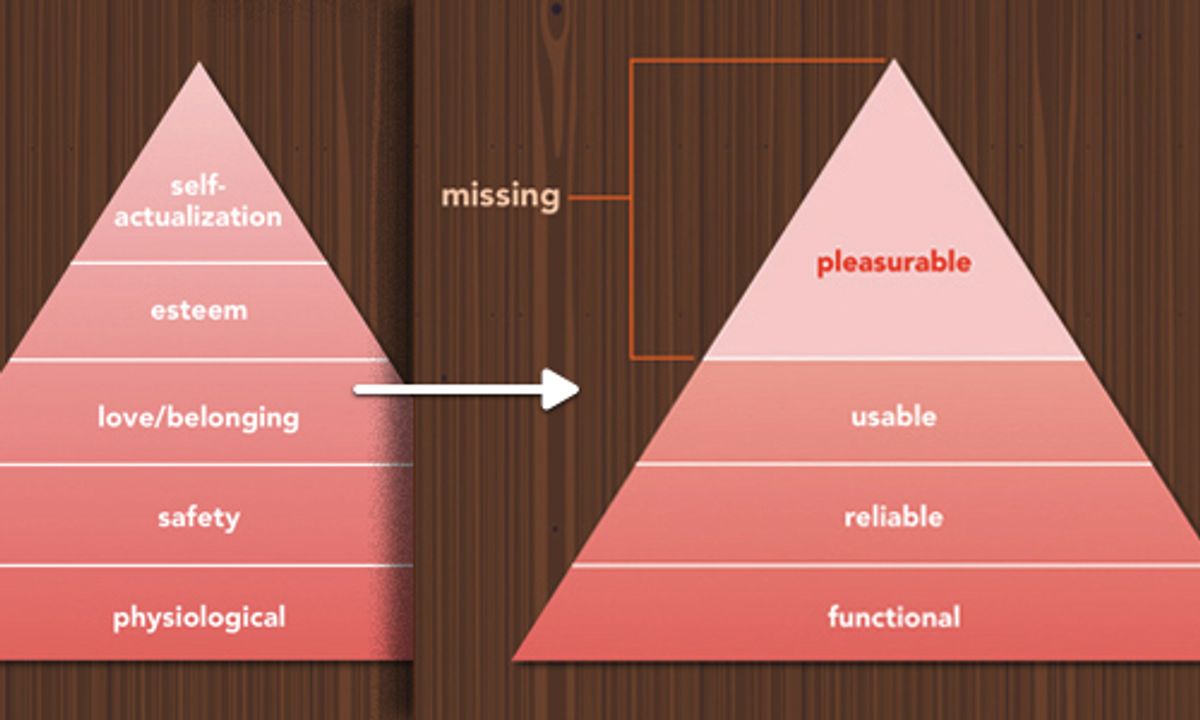
Usability testing is a critical step in the UX design process, serving as a bridge between theoretical design and real-world application. It ensures that products are intuitive, efficient, and enjoyable for the end user. By observing real users as they interact with a product, designers can identify pain points and areas for improvement that might not be evident from the inside.
Usability testing is not just about finding flaws; it’s about refining a product to meet and exceed user expectations.
The following list outlines the key components of usability testing:
- Conducting user research to understand the target audience
- Crafting rough drafts or prototypes of solutions
- Running tests with actual users to gather feedback
- Analyzing results to identify usability issues
- Iterating on the design to enhance user satisfaction
This iterative cycle of design and testing is essential for creating products that truly resonate with users and stand the test of time.
Designing for Accessibility
Designing for accessibility is not just a regulatory compliance issue; it’s a moral imperative and a strategic advantage. Accessibility ensures inclusivity for all users, regardless of their abilities or disabilities. By considering potential visual, hearing, motor, and cognitive disabilities during the design process, we can create products that are usable by everyone.
To establish accessible navigation menus, it’s essential to focus on readability, contrast, and keyboard navigation. Menu items should be adequately sized and possess sufficient contrast to be easily visible. Here are additional measures to consider:
- Implementing attention states for keyboard navigation
- Utilizing semantic markup for content structure
- Conducting user research that covers accessibility and inclusive design issues
Emphasizing simplified complexity and guided interactions can significantly enhance the user experience. It’s not just about making things work—it’s about making them work for everyone.
Remember, emotional resonance and user satisfaction are deeply intertwined with how accessible and intuitive your design is. By integrating these principles into your usability testing and iterative design processes, you can foster a more inclusive and satisfying user experience.
Feedback Loops and Iterative Design
In the realm of user experience (UX) design, the concept of iteration plays a crucial role. Iteration in UX refers to the cyclical and repetitive process of refining and improving design solutions based on feedback, testing, and evaluation. This approach ensures that the final product resonates with users and meets their needs effectively.
The iterative design process is not just about fixing what doesn’t work, but also about enhancing what already does to create a more engaging and intuitive user experience.
Feedback loops are integral to this process, involving a continuous cycle of gathering, analyzing, and implementing feedback from users, stakeholders, and usability testing. By embracing these feedback loops, designers can make informed decisions that lead to a more user-centric product.
To illustrate the iterative design process, consider the following steps:
- Initial design and prototype creation
- Usability testing and user feedback collection
- Analysis of feedback and identification of areas for improvement
- Implementation of design changes
- Repeat steps 2-4 until the design meets usability goals
This systematic approach not only enhances the user experience but also contributes to reducing development costs by identifying and solving user issues early in the design process.
Performance Optimization Techniques
In the quest to craft digital narratives that resonate with users, performance optimization plays a pivotal role. By refining the technical aspects of a website, we can significantly reduce page load times, which in turn minimizes user friction and enhances engagement. A key strategy is to refactor code and utilize browser caching, allowing for quicker content delivery and a smoother user experience.
Performance optimization not only improves the responsiveness of a website but also contributes to higher conversion rates and better search engine rankings.
To systematically approach performance optimization, consider the following steps:
- Analyze current performance using tools like GTmetrix.
- Identify bottlenecks and areas for improvement.
- Implement caching to reduce server load and speed up content delivery.
- Minify CSS and JavaScript files to decrease loading times.
- Optimize images to maintain quality while reducing file size.
- Regularly monitor and update performance metrics to ensure ongoing optimization.
By focusing on these techniques, businesses can ensure their websites remain competitive and continue to optimize user journey for the desired actions. Balancing aesthetics with usability is crucial, as a well-performing site is more likely to retain users and encourage them to engage with the content.
Creating a Cohesive User Interface
A cohesive user interface (UI) is the linchpin of a seamless user experience. Embrace clarity, simplicity, and consistency in interface design to ensure that users can navigate your digital product with ease. Intuitive navigation and meaningful microinteractions contribute to a streamlined user experience, guiding users through their journey without confusion or frustration.
- Clarity is achieved by using familiar icons and labels, reducing cognitive load.
- Simplicity comes from a minimalist approach that focuses on essential features.
- Consistency ensures that similar elements behave in predictable ways across the platform.
By prioritizing these elements, designers create an environment where users feel comfortable and in control. This not only enhances usability but also fosters trust in the product.
Moreover, a well-designed UI contributes to increased user engagement and conversion rates, reinforcing the brand’s identity and values. It’s not just about aesthetics; it’s about creating a digital narrative that resonates with users and meets their needs effectively.
Emotional Design: Connecting with Users

The Importance of Delight in UX Design
Delight in UX design transcends basic functionality to forge deep emotional connections with users. It’s the unexpected, joyful moments that make an experience stand out, transforming mundane interactions into memorable ones.
Delightful design elements signal to users that a brand cares about their experience beyond mere utility.
By weaving delight into the fabric of the user journey, designers can craft experiences that not only satisfy but also enchant and engage. Here’s a list of ways to infuse delight into your design:
- Utilize playful animations and transitions
- Introduce clever microinteractions
- Implement thoughtful design details
- Create engaging and satisfying user experiences
Intuitive design focuses on understanding user behavior, emotional impact, and interface consistency. From color schemes to button placements, maintaining a cohesive visual language enhances user familiarity and comfort. Users appreciate a predictable and seamless experience, which is why usability testing is a critical step in the design process.
Fostering Emotional Connections
Delightful user experiences are not just about functionality; they are about creating an emotional resonance with the user. By tapping into emotions such as excitement, surprise, or nostalgia, designers can craft experiences that not only satisfy but also create a lasting bond between the user and the product. This connection goes beyond the surface, fostering brand loyalty and encouraging users to return.
Emotional design is at the heart of creating experiences that users feel emotionally attached to. It’s about eliciting feelings that go beyond the transactional and into the relational, building trust and joy in the interaction.
Incorporating storytelling elements can significantly enhance this connection. A narrative that includes relatable characters and real-life situations allows users to see themselves in the story, creating a deeper engagement. Music and sound can also play a pivotal role in enhancing the storytelling experience, triggering emotional responses that anchor the user’s experience with the brand.
Ultimately, the goal is to guide users towards a desired action, such as making a purchase or subscribing to a service. When users feel an emotional tie, conversion rates improve, and brand loyalty intensifies. Here’s how emotional design can impact business outcomes:
- Improved Conversion Rates: Users are more likely to take action when they feel a connection.
- Enhanced Brand Loyalty: Emotional connections can turn users into repeat customers and brand advocates.
Designing for User Satisfaction
Achieving user satisfaction is the culmination of a well-executed design strategy. Intuitive design fosters emotional connections and brand loyalty, which are essential for a positive user experience. By integrating microinteractions, we can enhance user satisfaction, making every interaction feel personal and rewarding.
Aesthetics and usability must go hand in hand to create a seamless user experience. The design should not only look good but also function effectively, ensuring users can achieve their goals with ease.
Trust, privacy, and security are foundational to user satisfaction. Users need to feel confident that their data is safe and that they are interacting with a trustworthy platform. This is why incorporating robust security measures and transparent privacy policies is non-negotiable.
To continuously improve the user experience, it’s crucial to employ analytics and gather user feedback. This iterative process allows for ongoing enhancements, ensuring the design remains user-centric and satisfaction levels high.
Incorporating Microinteractions
Microinteractions are subtle moments that accomplish individual tasks, enhance the user experience, and provide feedback to the user. Designing microinteractions requires a keen eye not just for functionality, but for aesthetics. Small elements are essential for elevating user experience, and their implementation can be the difference between a good and a great digital product.
Microinteractions guide users through a seamless interface journey, often without them even realizing it. They are the unsung heroes of the user experience, quietly improving usability and user satisfaction.
Incorporating microinteractions effectively involves understanding their role in the user’s journey. Here’s a list of common microinteractions and their purposes:
- Loading animations signal that the system is working.
- Hover effects provide immediate visual feedback.
- Swipe actions facilitate intuitive navigation.
- Toggle switches offer a clear state change.
- Confirmation messages reassure users of successful actions.
By thoughtfully integrating these interactions, designers can create an interface that feels alive and responsive, encouraging user engagement and boosting conversion rates.
Building Brand Loyalty through UX
In the realm of digital interfaces, a brand’s online image is pivotal to its overall reputation. A well-crafted UI/UX design not only communicates professionalism and attention to detail but also conveys a commitment to user satisfaction. When users interact with a seamless and engaging interface, they inherently trust the brand more, which in turn makes them more likely to recommend the brand and become repeat customers.
Elevating your digital presence through intuitive design is not just about aesthetics; it’s about creating a narrative that resonates with your audience. It’s about building a consistent brand image that users can identify with and trust.
By focusing on user needs and behaviors, businesses can boost user engagement and conversion rates. A user-centric interface that is both intuitive and memorable can set a business apart, fostering a strong emotional connection with the brand. This connection is the cornerstone of brand loyalty, ensuring that customers not only return but also become brand advocates.
- User-Centric Interfaces: Increased user engagement
- Boosted Conversion Rates: Direct impact on business growth
- Consistent Brand Image: Memorable identity that resonates
Applying a human-centered design practice can minimize negative experiences and maximize the positive impact on brand loyalty.
Strategic Design Thinking for Business Impact

Aligning UX with Business Goals
In the realm of digital products, the alignment of user experience (UX) with business goals is a critical factor for success. This strategic planning ensures that every aspect of the UX/UI design is not only focused on user engagement but also contributes to the overarching objectives of the business. By integrating UX design with business strategy, companies can create a seamless journey from user acquisition to retention and conversion.
The path from a user’s initial visit to a successful conversion should be as efficient as possible. Strategic UI/UX design minimizes the chances of users getting lost or frustrated, thereby enhancing the likelihood of achieving desired business outcomes.
A well-crafted UX strategy goes beyond aesthetics; it involves a deep understanding of user psychology and behavior. This knowledge is then translated into an intuitive interface that guides users towards actions that are beneficial for both the user and the business. Below is a list of key steps to align UX with business goals:
- Establish clear objectives for both UX and business outcomes
- Conduct thorough user research to understand needs and behaviors
- Collaborate closely between UX/UI designers and the development team
- Implement responsive and adaptive design for optimal performance across devices
- Utilize usability testing to refine and improve the user journey
By adhering to these steps, businesses can ensure that their digital presence not only resonates with users but also drives growth and success.
User-Centered Design Approach
At the heart of creating products that users love is the user-centered design approach. This approach is not just about aesthetics; it’s about deeply understanding the users’ needs, motivations, and behaviors to create intuitive, efficient, and enjoyable products. By placing the user at the core of the design process, designers can ensure that every aspect of the product resonates with the intended audience.
The user-centered design approach underscores the importance of empathizing with users’ experiences, expectations, and frustrations.
A systematic UX design process involves several crucial steps:
- Defining the project and its scope.
- Conducting thorough user research.
- Crafting rough drafts and iterating on solutions.
- Designing high-fidelity mockups and prototypes.
- Engaging in rigorous usability testing.
This methodical approach ensures that the final product not only meets but exceeds user expectations, leading to higher satisfaction and ultimately, business success.
Leveraging Design for Conversion Optimization
In the realm of digital business, conversion optimization is the cornerstone of success. By meticulously crafting user interfaces that resonate with the target audience, businesses can significantly boost engagement and conversion rates. The journey from a user’s initial interaction to a successful conversion must be seamless, with each step intuitively guiding them towards the desired action. This process involves a combination of strategic design elements, such as clear calls-to-action, responsive layouts, and emotional design, all working in harmony to create a compelling digital narrative.
To achieve this, it’s essential to analyze user behavior and tailor the design to meet their needs. Privacy-respecting personalization and cohesive team collaboration play pivotal roles in refining the user experience. By minimizing friction and prioritizing clarity, designers can forge a seamless digital environment that supports informed user journeys.
Performance optimization is not just a technical necessity but a strategic tool. A fast-loading website enhances user satisfaction and engagement, directly influencing conversion rates. Below is a list of key performance optimization techniques:
- Optimize loading times to keep users engaged.
- Implement robust search functionality to streamline navigation.
- Continuously test and iterate design elements based on user feedback.
- Partner with experts to elevate design and ensure exceptional user experiences.
By embracing these practices, businesses can create digital experiences that not only look great but also perform exceptionally, driving growth and fostering brand loyalty.
Balancing Aesthetics and Functionality
In the realm of user experience design, balancing aesthetics with functionality is a delicate art. At its core, this approach revolves around a deep understanding of the needs and desires of the end-user. It demands designers to transcend the mere creation of visually appealing interfaces to also ensure that every element serves a purpose and enhances usability.
The key to successful design lies not only in how it looks but also in how it works.
Designers must navigate the intersection where beauty meets utility. This balance is not just about compromise; it’s about integration. Aesthetically pleasing elements must not overshadow the functional aspects of design, and vice versa. Here are some principles to consider:
- Visual Hierarchy: Establishing focal points that guide users’ attention.
- Consistency: Maintaining a coherent look and feel across the product.
- Simplicity: Reducing clutter to focus on essential features.
- Accessibility: Ensuring design is usable for people of all abilities.
By adhering to these principles, designers can create experiences that are not only visually captivating but also highly functional. This synergy leads to a more intuitive and satisfying user experience, ultimately fostering user engagement and loyalty.
Measuring UX Impact on Business Outcomes
Understanding the tangible impact of UX on business outcomes is crucial for justifying investments in design improvements. Measuring the right metrics can reveal the direct correlation between user experience enhancements and business success. Key performance indicators (KPIs) such as conversion rates, customer satisfaction scores, and retention rates are often used to gauge this impact.
To effectively track these KPIs, businesses can employ a variety of tools and methodologies. For instance, A/B testing can offer insights into how specific design changes influence user behavior. Additionally, customer feedback mechanisms provide qualitative data that can inform iterative design improvements.
By systematically analyzing user interactions and feedback, companies can refine their UX strategies to better align with user needs and business objectives.
Ultimately, the goal is to create a seamless user experience that not only satisfies users but also drives business growth. This is where user-centric design principles come into play, focusing on intuitive navigation, clear information architecture, and iterative improvement through user feedback. Optimizing UX leads to higher engagement and conversion rates, which are critical for business success.
Future-Proofing User Experiences

Adapting to Emerging Technologies
In the realm of user experience design, staying ahead means adapting to emerging technologies. These advancements can redefine how users interact with digital products, making it crucial for designers to integrate new tech into their work. For instance, AI-driven insights and chatbots have begun to revolutionize customer service, offering personalized assistance and enhancing security.
Emerging tech also includes the Internet of Things (IoT), which is transforming industries by enabling seamless, data-driven interactions. Data visualization tools further empower designers to streamline complex information, aiding users in making informed decisions.
By conducting comprehensive research into market trends and technological innovations, designers can anticipate changes and adapt their strategies accordingly. This proactive approach ensures that the digital landscape remains navigable and user-friendly, even as it evolves.
Ultimately, the goal is to craft experiences that are not only functional but also future-proof. This means regularly evaluating and iterating on designs to meet the ever-changing preferences and behaviors of users. As we embrace these technologies, we must also remain committed to the core principles of UX design, ensuring that new tools serve to enhance, rather than complicate, the user journey.
Sustainable Design Practices
In the realm of user experience, sustainability is not just about environmental impact, but also about creating designs that are enduring and efficient. Sustainable design practices ensure that digital products remain relevant and accessible over time, reducing the need for frequent redesigns and updates. This approach not only conserves resources but also respects the user’s time and investment in learning the system.
Key aspects of sustainable design include:
- Accessibility: Making sure that products are usable by people with diverse abilities.
- Efficiency: Optimizing performance to minimize resource usage.
- Longevity: Designing for durability to extend the product’s life cycle.
- Scalability: Allowing for growth without significant changes to the core design.
By integrating sustainable practices into the design process, we can create products that are not only environmentally friendly but also economically and socially responsible. This holistic view of sustainability goes beyond the immediate user interface to consider the broader impact of our design decisions.
Anticipating User Needs and Trends
To stay ahead in the competitive digital landscape, it’s crucial to anticipate user needs and trends. This involves a proactive approach to UX design, where comprehensive research is conducted to understand market trends, user behavior, and technological innovations. By leveraging familiar patterns and balancing aesthetics with functionality, designers can create interfaces that resonate with users and stand the test of time.
- Conduct comprehensive research on market trends and user behavior.
- Evaluate technological innovations that may reshape the digital experience.
- Tailor your site to meet the target audience’s preferences and pain points.
By anticipating the future, we craft user experiences that are not only relevant today but also adaptable to tomorrow’s users.
Understanding user psychology for user-centric interfaces is a key principle in UX design. It’s about creating a site that not only meets current expectations but also evolves with the user, ensuring a lasting and memorable experience.
Continuous Learning and Adaptation
In the ever-evolving landscape of user experience design, continuous learning and adaptation are not just beneficial; they are essential. As new technologies emerge and user expectations shift, designers must remain agile, constantly acquiring new skills and insights. This commitment to growth ensures that the experiences we craft not only meet the current standards but also anticipate future trends.
To excel in this dynamic environment, consider the following steps:
- Stay informed about the latest design tools and methodologies.
- Engage with the design community to exchange knowledge and ideas.
- Regularly review and update your skill set through courses and workshops.
- Analyze user feedback to identify areas for improvement.
- Implement data-driven design decisions to enhance user satisfaction.
- Embrace innovative problem-solving techniques.
- Reflect on past projects to learn from successes and failures.
By fostering a culture of continuous learning, designers can adapt their approaches effectively to the ever-changing landscape of user needs and preferences. This proactive stance not only benefits the users but also contributes to the designer’s professional growth and the overall success of the business.
The Evolution of UX Design Principles
As the digital landscape evolves, so too must the principles of UX design. The essence of intuitive design is its adaptability to changing user needs and technological advancements. It’s a continuous process that integrates user psychology, responsive feedback, and usability with aesthetics. This adaptability ensures that user interactions remain at the forefront of design considerations, fostering satisfaction and engagement.
The evolution of UX design principles is marked by a shift towards a more holistic understanding of user experience. It’s not just about how a product looks or feels, but how it fits into the user’s life.
To stay ahead, designers must anticipate and respond to trends. They must also commit to continuous learning and adaptation. Below is a list of key areas that are critical for future-proofing UX design:
- Adapting to new user behaviors and expectations
- Embracing emerging technologies like AI and VR
- Prioritizing accessibility and inclusive design
- Implementing sustainable design practices
- Measuring and analyzing user data to inform design decisions
By focusing on these areas, designers can create experiences that are not only functional and beautiful but also deeply resonant with users.
In a world where technology evolves at lightning speed, ensuring your website remains ahead of the curve is crucial. At [Our Company], we specialize in creating custom web solutions that not only meet today’s standards but are also designed with the future in mind. From WordPress Development to eCommerce optimization, our services are tailored to keep your digital presence strong and resilient. Don’t let your user experience become outdated—visit our website to learn how we can help you stay ahead of the game and continue to grow your business. Your future-proof digital journey starts with us.
CONCLUSION: CRAFTING MEMORABLE USER EXPERIENCES
In the realm of digital design, creating intuitive and memorable user experiences is paramount. This article has delved into the art of intuitive design, emphasizing the importance of understanding user needs, simplifying navigation, and ensuring responsive interactions. By focusing on these core principles, designers can craft digital narratives that resonate deeply with users, fostering emotional connections and driving engagement. As we continue to innovate and push the boundaries of what is possible, let us remember that at the heart of every great design is an experience that speaks to the user, one that is not only functional but also delightful and memorable. The future of design is not just about aesthetics or technology; it’s about creating experiences that users will cherish and remember, today and tomorrow.
Frequently Asked Questions
What are the core principles of intuitive design?
Intuitive design is based on understanding user psychology, simplifying navigation, implementing responsive and adaptive design, structuring information architecture effectively, and creating clear calls-to-action.
Why is usability testing important in enhancing user experience?
Usability testing allows designers to identify issues and obstacles that users may face, enabling iterative improvements that enhance the overall user experience and satisfaction.
How does emotional design contribute to user experience?
Emotional design aims to create products that elicit positive emotions, build emotional connections, and increase user satisfaction, which can lead to stronger brand loyalty and user retention.
What role does design thinking play in business impact?
Design thinking aligns UX with business goals, adopts a user-centered approach, optimizes conversions, balances aesthetics with functionality, and measures the impact on business outcomes.
How can user experiences be future-proofed?
Future-proofing UX involves adapting to emerging technologies, incorporating sustainable design practices, anticipating future user needs and trends, and committing to continuous learning and adaptation.
What is the importance of a website health audit?
A website health audit assesses a site’s performance, security, and usability, providing insights into areas for improvement that can enhance user experience and optimize site functionality.