Crafting Memorable User Experiences with Intuitive Design

In the digital age, the importance of a well-designed user interface cannot be overstated. ‘Crafting Memorable User Experiences with Intuitive Design’ is an insightful article that delves into the crucial aspects of creating digital products that are not only visually appealing but also functionally seamless for users. It highlights the significance of understanding user needs, ensuring simplicity, consistency, accessibility, and building trust through secure and private experiences. Furthermore, it underscores the value of continuous improvement post-launch to keep users engaged and satisfied. This article serves as a guide for designers and businesses aiming to enhance their user experience and brand identity through intuitive design.
Key Takeaways
- Intuitive design is rooted in a deep understanding of user needs, emphasizing simplicity, clarity, and accessibility to create memorable experiences.
- Consistency across platforms and adherence to established design standards are essential for usability and help in building user trust.
- Effective user experience design can significantly improve conversion rates by analyzing user interaction and optimizing for efficiency and personalization.
- Privacy and security are integral to user trust; transparent data policies and secure design with clear opt-out mechanisms are critical.
- Post-launch strategies, including monitoring user feedback, iterative design, and ongoing support, are vital for the continuous improvement of the user experience.
The Pillars of Intuitive Design

Understanding User Needs
To create an intuitive design, it’s crucial to identify your users and understand their ongoing needs. This involves conducting holistic research to view the design from the user’s perspective. By reviewing and iterating on this research, designers can ensure that the service meets real user needs.
Creating personas is a powerful technique to empathize with users. It allows designers to step out of their own perspectives and consider the users’ experiences, behaviors, and goals. A well-crafted persona can guide design decisions towards more user-centric solutions.
Intuitive design is not just about making things look good; it’s about creating a seamless experience that resonates with the user on a personal level.
Understanding user needs is a continuous process that informs every aspect of design, from functionality to aesthetics. It’s the foundation upon which all other design principles are built.
Simplicity and Clarity
In the realm of intuitive design, simplicity and clarity are paramount. These principles ensure that users can navigate and understand a product with ease, leading to a more satisfying experience. Intuitive design focuses on understanding user psychology, which is why it’s crucial to strip away unnecessary elements that can clutter the interface.
- Identify core functionalities and prioritize them in the design.
- Use common UI elements that are familiar to users.
- Minimize the number of steps required to perform an action.
- Employ clear and concise language.
By embracing simplicity, we cater to a broader audience, making our products more inclusive and accessible. The clarity of simplicity not only benefits users but also supports the overall business goals by improving user engagement and satisfaction.
Remember, a design that is simple is not necessarily simplistic; it is the result of a careful distillation process that removes superfluous features while preserving the essence of functionality. This approach to design not only makes interfaces more approachable but also increases comprehension levels for a wider range of users.
Consistency Across Platforms
Achieving a seamless user experience across various platforms is crucial for user retention and satisfaction. Consistency in UI elements not only streamlines the user journey but also reinforces brand identity. Users expect to interact with a product that behaves predictably, regardless of the device or platform they are using.
- Ensure visual elements are uniform
- Maintain similar navigation patterns
- Provide consistent content and features
- Align messaging and tone of voice
By standardizing these aspects, businesses can minimize user confusion and build a more intuitive navigation path.
It’s important to remember that consistency goes beyond the visual design; it encompasses the overall functionality and behavior of the product. Intuitive design requires understanding user behavior through research methods like interviews and analytics. Brand consistency is a careful practice that helps to create a clear and recognizable brand presence across all touchpoints.
Accessibility for All Users
Ensuring accessibility for all users is a fundamental aspect of intuitive design. It’s not just about compliance with standards; it’s about inclusivity and providing equal access to everyone, regardless of their abilities or disabilities.
By embedding accessibility into the design process, we create products that cater to a diverse user base, enhancing the overall user experience.
Here are some key considerations for accessibility:
- Use of clear, legible fonts and adequate contrast
- Alternative text for images and other non-text content
- Keyboard navigation and voice commands for users with limited mobility
- Captions and transcripts for audio and video content
Accessibility should be viewed as an ongoing commitment rather than a one-time task. Regular audits and updates are essential to maintain and improve accessibility standards. AM2 Studio’s strategic approach to web development includes a focus on user-centric design, ensuring that the digital space is welcoming to all.
Enhancing Usability for Better Conversion
Analyzing User Interaction
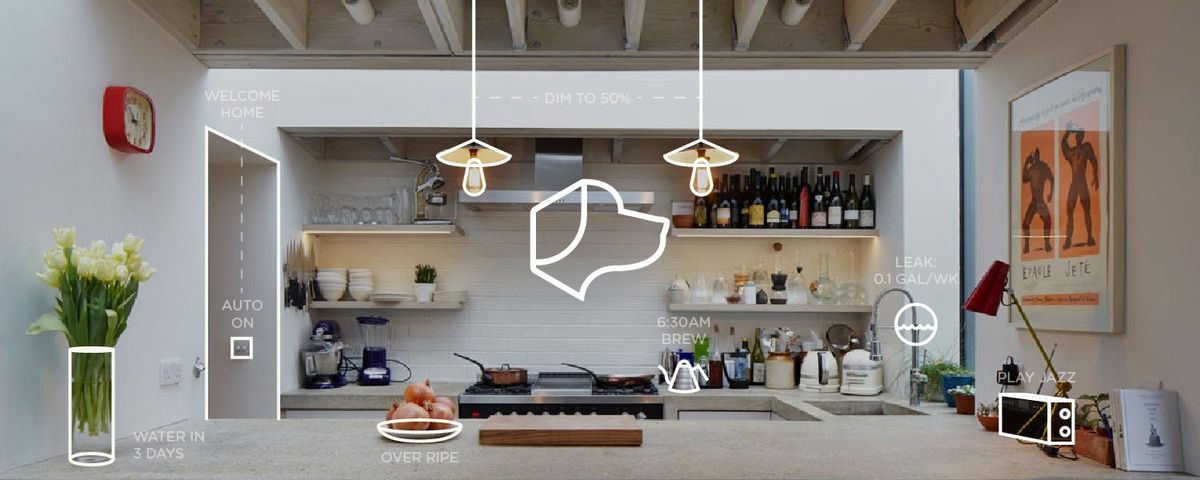
To enhance user experience for conversion, it’s crucial to delve into how users interact with your interface. By meticulously tracking and measuring user behavior, we can pinpoint areas that are ripe for optimization. This analysis often reveals patterns that can inform design decisions, leading to a more intuitive and efficient user journey.
By integrating microinteractions and optimizing usability, we create a seamless flow that encourages users to engage more deeply with the product.
Personalized experiences are no longer a luxury but a necessity. Users expect a design that adapts to their preferences and feedback. This iterative process of incorporating user feedback ensures that the design remains aligned with user needs, fostering a refined and satisfying experience.
Here’s a snapshot of key activities in analyzing user interaction:
- Implementing tools for tracking conversions and performance
- Learning from user behavior to suggest improvements
- Optimizing website speed for better engagement
- Conducting a deep dive analysis for on-site SEO, performance, security, and usability
Designing for Efficiency
In the realm of user experience, efficiency is key. A design that allows users to achieve their goals swiftly not only enhances satisfaction but also drives better conversion rates. To this end, we focus on several core strategies:
- Familiarize and set UI patterns: Establishing recognizable patterns in the user interface helps users navigate with ease and confidence.
- Effective communication and feedback: Providing clear, concise, and timely feedback to user actions ensures a smooth and intuitive interaction.
- Consistency: Maintaining a consistent design across all platforms allows for a seamless user experience.
- Strong visual hierarchy: Organizing elements in a way that naturally guides the user through the content is crucial for quick information processing.
By optimizing the performance of your WordPress website, we can significantly improve user experience and satisfaction, leading to increased conversion rates.
Our approach to designing for efficiency is not just about speed; it’s about creating a journey that feels effortless for the user. We analyze user interaction to identify bottlenecks and streamline processes. Moreover, we implement performance optimization techniques, such as image compression and code refinement, to ensure that the website operates at peak efficiency. The impact of these optimizations is clear: better user engagement, higher customer satisfaction, and an overall boost in sales and conversions.
Personalization and User Preferences
In the realm of intuitive design, personalization plays a pivotal role in creating a user experience that feels tailored and engaging. By analyzing user behavior and preferences, designers can craft interfaces that not only resonate with users but also foster a sense of familiarity and comfort. Personalization strategies can range from simple aesthetic choices to complex algorithm-driven content curation.
Personalization should be a seamless integration into the user experience, enhancing the interface without overwhelming the user with choices.
Understanding the balance between personalization and user autonomy is essential. Users appreciate when their preferences are remembered and utilized to create a more relevant experience. However, it’s crucial to ensure that personalization does not infringe on user privacy or autonomy. Below is a list of key considerations when implementing personalization in design:
- Respect user privacy by providing transparent options for data sharing.
- Offer easy-to-use customization settings that allow users to tailor their experience.
- Utilize user data to improve functionality without being intrusive.
- Ensure that personalization enhances the overall usability and does not complicate the user journey.
Usability Testing and Feedback Loops
Usability testing and feedback loops are integral to the iterative design process, ensuring that user experiences are continuously refined and improved upon. Regular usability testing is essential for continuous improvement, providing invaluable insights into user behavior and preferences. This cycle of testing, feedback, and subsequent design adjustments creates a dynamic environment where the product evolves in response to real user needs.
By incorporating feedback loops into the design process, we can offer real-time responses to user interactions, significantly enhancing the overall user experience.
To effectively implement usability testing and feedback mechanisms, consider the following steps:
- Establish clear objectives for each testing session.
- Select representative users for testing.
- Collect and analyze qualitative and quantitative data.
- Prioritize feedback based on its potential impact on user experience.
- Iterate on design solutions and retest as necessary.
This structured approach not only improves the product but also fosters a sense of engagement and trust among users, as they see their input leading to tangible enhancements.
Privacy and Trust in User Experience

Transparent Data Usage Policies
In the digital age, transparent data usage policies are crucial for fostering user trust. Users should be clearly informed about how their data is collected, used, and shared. A straightforward privacy policy can demystify data practices and empower users to make informed decisions.
Transparency in data usage not only complies with legal requirements but also reinforces user confidence. By openly communicating what data is collected and for what purpose, businesses can avoid misunderstandings and build a foundation of trust.
To ensure clarity and transparency, consider the following steps:
- Clearly outline the types of data collected
- Explain the purpose behind data collection
- Detail the data sharing and storage protocols
- Provide users with easy-to-use privacy controls
Balancing user privacy with customization requires a thoughtful approach that prioritizes user consent and minimal data collection. By designing with intention and providing users with control over their data, businesses can create a respectful and engaging user experience.
Building Trust with Secure Design
In the realm of user experience, trust is paramount. Users need to feel confident that their personal information is safe and that the platforms they use are secure. To achieve this, designers must prioritize security at every stage of the design process.
- Incorporate robust security protocols: Ensure that data encryption, secure authentication methods, and regular security audits are part of the design.
- Transparent communication: Clearly inform users about how their data is used and protected.
- User control: Provide users with options to manage their privacy settings and understand their rights.
By embedding security into the design, we not only protect user data but also reinforce the trust that is essential for a lasting relationship with users.
Building a secure design is not just about adding layers of protection; it’s about creating an environment where users feel in control and reassured. This approach to design can significantly impact user retention and brand loyalty.
The Role of Cookies and User Consent
In the realm of web design, cookies play a pivotal role in personalizing and enhancing the user experience. However, with great power comes great responsibility, particularly regarding user consent and privacy. Websites must navigate the delicate balance between leveraging cookies for functionality and respecting user privacy preferences.
Websites use various types of cookies, each serving a specific purpose. For instance, essential cookies are necessary for basic site operations, while others, like analytics cookies, gather user behavior data—with consent.
Users should always have a clear understanding of what cookies are in use and the option to control their preferences. A transparent approach to cookie consent not only aligns with legal requirements but also fosters user trust. Below is a summary of common cookie categories and their typical durations:
- Necessary: Essential for website functionality (e.g., session cookies).
- Analytics: Used to collect data on user behavior (often with a duration of 12 months).
- Functional: Enable personalized features (may last from session to several months).
- Performance: Measure site performance (duration varies).
- Others: Miscellaneous purposes, which may include targeting or advertising (duration specified by the website).
By providing users with straightforward opt-out mechanisms and clear information on cookie usage, websites can create a user-centric experience that emphasizes control, personalization, and transparency.
Opt-Out Mechanisms and User Control
Empowering users with control over their personal data is a cornerstone of user trust. Opt-out mechanisms are a critical aspect of this empowerment, allowing users to withdraw consent for data processing activities. These mechanisms should be easily accessible and straightforward to use, ensuring that users can make informed decisions about their privacy.
For instance, websites often provide a privacy settings panel where users can manage their cookie preferences. Here’s a simplified example of how such preferences might be structured:
- Necessary Cookies: Always enabled for website functionality.
- Analytics Cookies: Optional, for website usage analysis.
- Functional Cookies: Optional, for enhanced user experience.
- Other Cookies: Optional, for third-party services.
By providing clear options, users can tailor their online experience to their comfort level with data sharing. It’s not just about compliance with regulations like GDPR; it’s about respecting user autonomy and fostering a transparent relationship.
The difference between opt-in and opt-out approaches is significant. Opt-in acts as a shield against unwanted data collection, requiring explicit consent before any personal information is used. In contrast, opt-out assumes consent until the user actively declines. Striking the right balance between these principles is key to designing intuitive user experiences that respect privacy and build trust.
Leveraging Design to Showcase Brand Identity

Aligning Design with Brand Values
In the realm of user experience, the alignment of design with brand values is crucial for establishing a connection with users. This alignment ensures that every interaction with the brand reinforces its core values and mission. For instance, if a brand values innovation, its design should reflect cutting-edge features and a forward-thinking aesthetic.
- Innovation – Incorporating the latest design trends and technologies.
- Integrity – Ensuring transparency and honesty in design elements.
- Quality – Attention to detail and high standards in design execution.
By embedding these values into the design, businesses create memorable brand experiences that resonate with their audience and foster loyalty. It’s not just about aesthetics; it’s about embodying the essence of the brand in every aspect of the user interface to optimize usability for conversion.
Moreover, a design that is true to brand values facilitates a seamless user journey, from the first point of contact to the final interaction. It’s a strategic approach that goes beyond mere visuals to weave the brand’s narrative into the user experience.
Storytelling Through Visual Elements
In the realm of design, visual storytelling is a powerful tool that can convey your brand’s essence without a single word. By crafting a unique brand identity through visual storytelling, designers can create a cohesive narrative that resonates with the audience. This involves the strategic use of colors, typography, imagery, and space to evoke emotions and communicate key messages.
Visual elements are the silent ambassadors of your brand, working together to tell a story that aligns with your brand values and mission.
To effectively implement visual storytelling, consider the following steps:
- Identify the core brand values and messages you want to communicate.
- Develop characters or mascots that embody your brand’s personality.
- Use consistent design elements across all mediums to reinforce the narrative.
- Incorporate interactive features that engage users and enhance the storytelling experience.
Remember, every element on your website or app should serve a purpose in the overarching story of your brand. When done right, visual storytelling not only captivates but also creates a memorable brand presence that stands out in the digital landscape.
Creating Emotional Connections
Designing for emotional impact involves more than just aesthetics; it’s about forging a deep connection with the user. Color psychology plays a crucial role in this, as different hues can evoke specific emotions and reactions. For instance, blue often instills a sense of trust and security, while red can stimulate excitement and urgency.
To create a design that resonates on an emotional level, consider the following elements:
- Typography: The style and readability of text can significantly influence how content is perceived.
- Imagery: Carefully chosen images can tell a story and elicit emotional responses.
- Interactivity: Engaging users through interactive elements can create memorable experiences.
By integrating these components thoughtfully, designers can craft experiences that not only look appealing but also feel personal and engaging. This approach can lead to increased user engagement and loyalty.
Ultimately, the goal is to design with empathy, understanding the user’s emotional journey through every interaction. When users feel a genuine connection, they are more likely to become advocates for the brand.
Consistent Branding Across Touchpoints
Achieving consistency across brand touchpoints is crucial for fostering a seamless user experience that builds brand recognition and loyalty. From the initial website visit to post-purchase support, every interaction should reflect the brand’s core values and visual identity. This not only reassures users but also strengthens the emotional bond with the brand.
Empathetic design is at the heart of this approach, ensuring that every product is crafted with a deep understanding of user needs. By maintaining a uniform brand presence, companies can create an inclusive environment that resonates with a diverse audience.
To illustrate the importance of consistent branding, consider the following touchpoints where brand identity should be evident:
- Website design and navigation
- Customer service interactions
- Marketing materials and advertisements
- Social media presence
- Product packaging and unboxing experience
- Email communications and newsletters
By meticulously aligning these elements with the brand’s ethos, businesses can deliver a coherent and memorable user experience that encourages long-term customer engagement.
Post-Launch Strategies for Continuous Improvement

Monitoring User Behavior and Feedback
After launching a product, the journey towards refining user experience is far from over. Monitoring user behavior and feedback is crucial in understanding how users interact with your product. Tools that track conversions, performance, and user interactions provide valuable insights that can guide further enhancements.
By analyzing this data, you can identify patterns and areas for improvement. For instance, if users consistently abandon their shopping carts at a certain step, this could indicate a problem with the checkout process.
It’s essential to remain agile and responsive to user feedback. Implementing changes based on user behavior can lead to a more intuitive and user-friendly product.
Regularly reviewing feedback allows for the prioritization of features and fixes that matter most to users. This ongoing process ensures that the product evolves to meet changing user needs and expectations.
Iterative Design for Ongoing Refinement
The journey of a product’s user experience doesn’t end at launch. Iterative design is a fundamental approach to ensure continuous improvement, adapting to user needs and technological advancements. It involves a cycle of designing, testing, analyzing, and refining the product based on user feedback and interaction data.
- Design: Create or improve features based on initial user feedback.
- Test: Evaluate the design with real users to gather insights.
- Analyze: Examine user data to identify patterns and pain points.
- Refine: Make adjustments and enhancements to the design.
Iterative design is not a one-time event but an ongoing process that keeps the user experience at the forefront of product development.
By embracing this cyclical process, businesses can enhance user satisfaction and loyalty, leading to better market performance. It’s crucial to establish feedback loops that are efficient and user-centric, as they are key to an inclusive and satisfying UX. This approach not only simplifies complexity but also guides user interactions towards desired outcomes.
Educating Users for Enhanced Engagement
In the digital age, user education is a cornerstone of engagement. It’s not enough to have a well-designed product; users must also understand how to leverage its full potential. This is where educational content, tutorials, and hands-on training sessions become invaluable. They empower users to navigate your platform with confidence, leading to increased satisfaction and loyalty.
By providing clear and accessible educational materials, we ensure that users are not left to figure things out on their own. This proactive approach can significantly reduce frustration and support inquiries.
To further illustrate the importance of user education, consider the following points:
- Personalization is key to a successful engagement strategy. Use the data collected from your users to offer personalized content, recommendations, and offers.
- Hands-on training and tutorial sessions equip users with the knowledge to manage new features effectively.
- Tracking user interaction and performance helps identify areas where further education might be needed.
Ultimately, an informed user base is an engaged user base. By investing in user education, we not only enhance the user experience but also pave the way for better conversion rates and a stronger brand-customer relationship.
Support and Maintenance for Longevity
Ensuring the longevity of a digital product goes beyond the initial launch. Regular support and maintenance are critical to adapt to the evolving needs of users and the changing digital landscape. This includes routine updates, security patches, and performance optimizations that keep the product relevant and efficient.
- Weekly updates to core systems and plugins
- Daily security and performance scans
- Automated backups for data integrity
- Proactive monitoring for quick bug resolution
A seamless and stress-free experience for users is often underpinned by the invisible yet essential work of support and maintenance teams.
By implementing a structured post-launch strategy, businesses can maintain a high level of user satisfaction, which fosters brand advocacy and loyalty. Monitoring user interaction and feedback is a continuous process that feeds into the iterative design, ensuring that the product remains user-centered and aligned with user preferences.
Launching your website is just the beginning. To truly thrive online, continuous improvement is key. At [Your Company], we specialize in WordPress Development, eCommerce solutions, and custom web design that keep your site at the forefront of digital innovation. Don’t let your website fall behind – visit our website for a comprehensive website health audit and unlock the full potential of your digital presence. Let’s make your site better, together.
Conclusion
In the journey of crafting memorable user experiences, intuitive design stands as the cornerstone of success. Throughout this article, we’ve explored the multifaceted approach to creating interfaces that resonate with users, from usability enhancements to the strategic implementation of design principles. By examining real-world applications and the transformative impact of well-executed design on various projects, we’ve seen how intuitive design not only facilitates user engagement but also drives conversion rates. As we continue to innovate and adapt to the evolving digital landscape, the insights and methodologies discussed here will serve as a guiding light for designers and businesses alike, ensuring that every digital interaction is seamless, enjoyable, and, above all, memorable. Remember, the essence of intuitive design lies in its ability to disappear into the background, allowing users to focus on their goals without distraction. Embrace these principles, and watch as your projects leave a lasting impression on your audience.
Frequently Asked Questions
What are the core principles of intuitive design?
Intuitive design is based on understanding user needs, ensuring simplicity and clarity, maintaining consistency across platforms, and providing accessibility for all users.
How does enhancing usability improve conversion rates?
By analyzing user interaction and designing for efficiency, personalization, and user preferences, usability enhancements can lead to a smoother user experience, thereby increasing the likelihood of conversion.
Why is trust important in user experience, and how can it be built?
Trust is crucial for user retention and engagement. It can be built through transparent data usage policies, secure design practices, and clear opt-out mechanisms for user control.
How can a brand’s identity be reflected in its website design?
A brand’s identity can be showcased through aligning the design with brand values, incorporating storytelling through visual elements, creating emotional connections, and ensuring consistent branding across all touchpoints.
What post-launch strategies should be considered for continuous website improvement?
Post-launch strategies include monitoring user behavior and feedback, iterative design for ongoing refinement, educating users for enhanced engagement, and providing support and maintenance for longevity.
How do cookies and user consent affect the user experience on a website?
Cookies help remember user preferences and repeat visits, enhancing the user experience. However, websites must also provide clear information about cookie usage and obtain user consent to comply with privacy regulations.