User-Centric Website Design Approach for Engaging User Experience

In the digital age, creating a website that not only looks good but also provides an engaging and seamless user experience is crucial. A user-centric website design approach puts the user’s needs and preferences at the forefront of the design process, ensuring that the website is accessible, intuitive, and enjoyable to use. This article delves into the various aspects of user-centric design, from understanding its principles to implementing strategies that optimize usability and privacy, all aimed at fostering continuous user engagement.
Key Takeaways
- User-centric design focuses on the user’s experience and aims to create websites that are intuitive, accessible, and satisfying to interact with.
- Engaging user experience is achieved through usability testing, feedback incorporation, and optimizing navigation and accessibility.
- A balance between privacy and personalization is essential, with transparent privacy policies and respect for user preferences enhancing trust.
- Website performance and regular maintenance are critical for continuous engagement, with speed optimization and post-launch monitoring being key.
- Case studies and client stories demonstrate the real-world impact of a user-centric approach, highlighting successful implementations and best practices.
Understanding User-Centric Design

Defining User-Centric Approach
At the heart of a user-centric design approach is the philosophy that the user’s needs and preferences are the primary focus throughout the design and development process. This approach involves a deep understanding of the target audience, including their behaviors, goals, and pain points, to create an intuitive and satisfying user experience.
- Empathy is the cornerstone, ensuring that designers and developers view the product from the user’s perspective.
- Accessibility and usability are prioritized to cater to a diverse range of users.
- Feedback loops are established, allowing for continuous improvement based on actual user interactions.
By placing the user at the center of the design process, we can create websites that are not only visually appealing but also highly functional and easy to navigate, leading to increased user satisfaction and engagement.
In practice, a user-centric approach can manifest in various ways, from the initial research phase to the final stages of user testing. It’s a strategy that demands ongoing attention and adaptation, as user needs can evolve over time. Companies like AM2 Studio have demonstrated the effectiveness of this approach, blending creativity and technology to ensure excellence from strategy to post-launch monitoring.
Benefits of a User-Centric Strategy
Adopting a user-centric design strategy is not just about aesthetics; it’s a business imperative that can lead to significant competitive advantages. By focusing on the user’s needs and preferences, companies can create more engaging and intuitive experiences that foster loyalty and encourage repeat visits.
- Increased Engagement: A user-centric approach ensures that users find value in your website, which translates to increased time spent on the site and more interactions with your content.
- Higher Conversion Rates: Tailored experiences resonate more with users, leading to higher conversion rates as users are more likely to take the desired actions.
- Improved Customer Satisfaction: By addressing user feedback and optimizing the user journey, satisfaction levels rise, often resulting in positive word-of-mouth and referrals.
A user-centric design not only enhances the user experience but also aligns with business goals, driving growth and profitability. It’s a strategic investment in understanding and solving for the user’s problems, which in turn, benefits the bottom line.
The role of UI/UX in enhancing user engagement cannot be overstated. A well-designed interface that is easy to navigate and provides a seamless experience is crucial for keeping users interested and involved with your website or application. As such, the benefits of a user-centric strategy extend beyond immediate user satisfaction to long-term business success.
Key Principles of User-Centric Design
At the heart of user-centric design lies the commitment to deeply understand and prioritize the needs and behaviors of users. Empathy is the cornerstone, enabling designers to view the website from the user’s perspective. This approach fosters inclusivity and ensures that the website is accessible to a diverse audience, providing a seamless experience for all.
User-centric design principles focus on aligning websites with user needs and behaviors, emphasizing empathy, inclusivity, and personalized interactions for a seamless and engaging user experience. By adhering to these principles, designers can create interfaces that are not only functional but also enjoyable to use.
Personalization is key in user-centric design. It allows for tailored experiences that resonate with individual users, making them feel valued and understood.
To effectively implement a user-centric design, consider the following points:
- Conduct thorough user research to inform design decisions.
- Create personas to represent the diverse user base.
- Utilize usability testing to refine and improve the user experience.
- Ensure accessibility standards are met to cater to all users.
- Incorporate feedback mechanisms to continue learning from users.
Optimizing Usability for Enhanced User Experience

Usability Testing and Feedback
Usability testing is a cornerstone of a user-centric design approach, providing invaluable insights into user behavior and preferences. By involving real users in the testing process, designers and developers can identify potential issues and areas for improvement that may not have been apparent initially. This iterative process of testing and integrating user feedback ensures that the final product aligns closely with user needs and expectations.
The goal of usability testing is not just to identify problems but to understand the user’s experience in a way that allows for practical enhancements.
Effective usability testing involves a series of steps, from planning the test scenarios to analyzing the results and making necessary adjustments. Below is a simplified outline of the process:
- Define the objectives of the testing
- Select the appropriate user group
- Design the test scenarios
- Conduct the usability tests
- Collect and analyze the data
- Implement changes based on feedback
Regular usability testing and user feedback integration are essential for maintaining a website that is not only functional but also enjoyable to use. It’s a continuous cycle of improvement that keeps the website fresh and relevant to the user’s evolving needs.
Improving Navigation and Accessibility
To create a truly user-centric website, improving navigation and accessibility is paramount. This involves crafting a user-friendly interface that allows visitors to find information quickly and effortlessly. Incorporating clear Calls-To-Action and prioritizing mobile navigation can significantly enhance the user journey, leading to better engagement and retention.
- Semantic Markup: Use HTML5 to structure content meaningfully.
- Keyboard Navigation: Ensure site can be navigated using a keyboard alone.
- Alt Text for Images: Provide descriptive alt text for the visually impaired.
- Consistent Layout: Maintain a predictable layout throughout the site.
By optimizing website usability with interactive elements and personalized paths, we cater to diverse user needs, ensuring a seamless experience for all.
Accessibility should not be an afterthought but a key consideration from the outset. Employing inclusive design principles and semantic markup not only aids in engagement but also ensures compliance with accessibility standards, making your website universally accessible.
Conversion Rate Optimization through Usability
Optimizing the user experience is not just about aesthetics; it’s about creating a seamless journey that guides users to conversion with minimal friction. Conversion rate optimization (CRO) is a critical aspect of user-centric design that focuses on increasing the percentage of users who perform a desired action on a website. By conducting thorough usability testing and analyzing user feedback, designers can identify barriers to conversion and implement targeted improvements.
To achieve higher conversion rates, it’s essential to understand the user’s path and remove any obstacles that might deter them from completing a transaction.
For instance, simplifying the checkout process, providing clear calls-to-action, and ensuring that forms are easy to complete can lead to significant improvements in conversion rates. Here’s a list of usability enhancements that can positively impact conversions:
- Streamlining navigation to make it intuitive and user-friendly
- Reducing page load times for a faster browsing experience
- Utilizing A/B testing to find the most effective design elements
- Implementing responsive design for optimal viewing on all devices
By prioritizing usability, businesses can create a more engaging and effective website that not only meets user needs but also drives business success.
Privacy and Personalization in User Experience
Balancing Privacy with Personalization
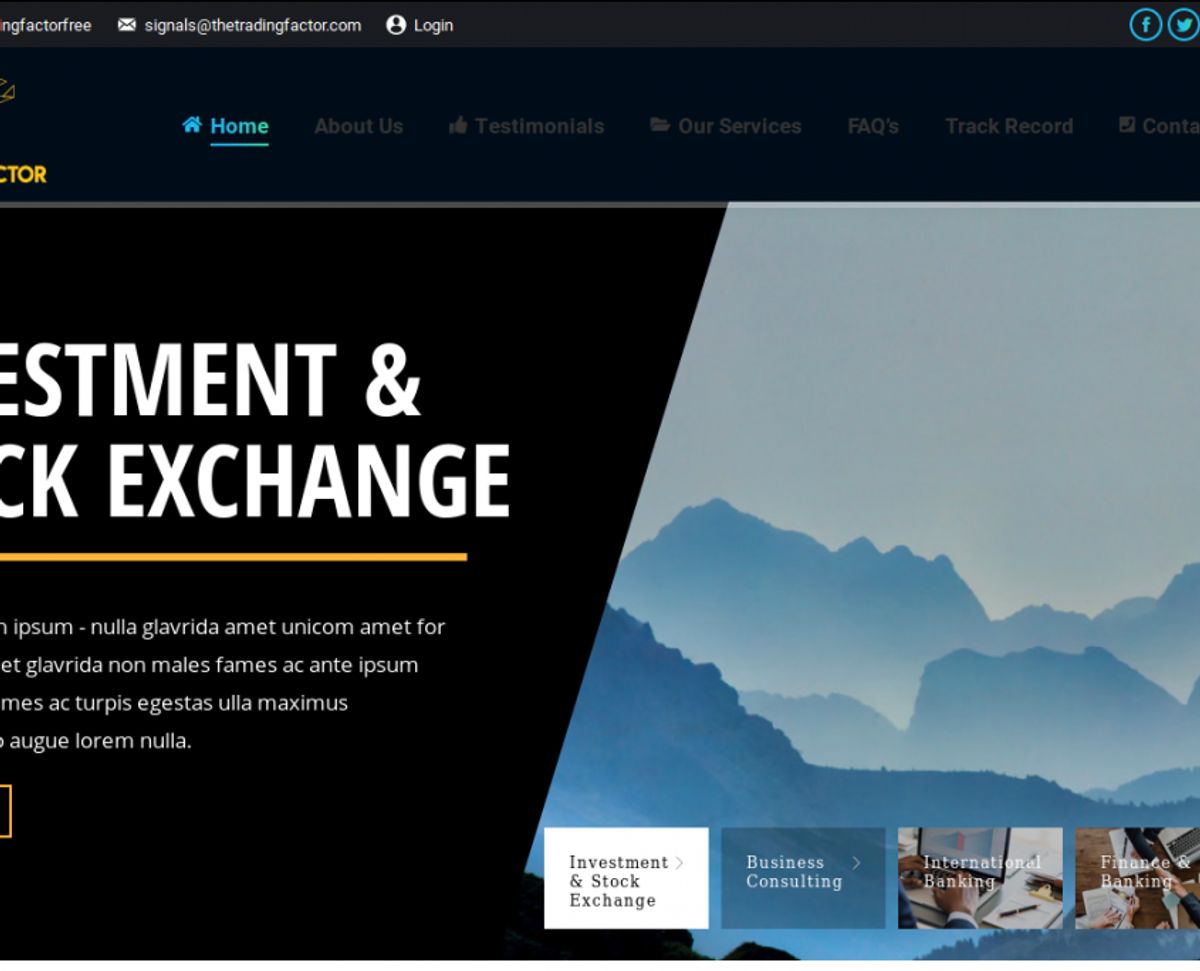
In the realm of user-centric design, the equilibrium between user privacy and personalization is pivotal. Websites must navigate the fine line of providing tailored experiences while respecting user consent and data protection laws. A transparent approach to cookie consent and user preferences is not just a legal requirement but a cornerstone of user trust.
Personalization efforts should always be aligned with privacy regulations, ensuring that user data is handled ethically and securely.
Users appreciate when they have control over their data. Offering clear options to manage consent for different types of cookies can significantly enhance the user experience. Below is a summary of common cookie categories and their typical durations:
| Cookie Category | Typical Duration |
|---|---|
| Analytics | 11 months |
| Functional | 11 months |
| Others | 11 months |
| Necessary | 11 months |
| Performance | 11 months |
By prioritizing privacy while delivering personalized content, businesses can foster a sense of trust in the digital era, which is essential for long-term engagement and loyalty.
Cookie Consent and User Preferences
In the realm of user-centric design, cookie consent mechanisms play a crucial role in balancing user experience with privacy concerns. Users should be empowered with clear choices regarding their data, and cookie consent banners are a direct way to achieve this. A well-designed cookie consent interface not only complies with legal requirements but also respects user preferences, leading to a more personalized and engaging experience.
Transparency in cookie usage and the ability to easily modify consent can significantly enhance trust between the user and the website.
Here is a breakdown of common cookie categories and consent options typically presented to users:
- Necessary: Essential for website functionality; cannot be opted out.
- Analytics: Used to understand website usage; requires user consent.
- Functional: Enable enhanced features; consent can be toggled.
- Performance: Improve website performance; user consent needed.
- Others: Miscellaneous purposes; consent is user-dependent.
Each category should be clearly explained, and users must have the option to accept or decline non-essential cookies. This approach not only aligns with the user-centric design philosophy but also ensures compliance with privacy regulations like the GDPR.
Building Trust through Transparent Privacy Policies
In the realm of user-centric design, trust is a cornerstone. Websites that prioritize user trust often see higher engagement and loyalty. A transparent privacy policy is not just a legal requirement; it’s a commitment to user respect and integrity. Users should be able to easily understand what data is collected, how it’s used, and how it’s protected.
Transparency in privacy policies can lead to increased user confidence and a stronger brand reputation.
Below is a summary of user consent for different cookie categories, as per a typical GDPR Cookie Consent plugin:
- Necessary Cookies: Essential for website functionality and are stored by default.
- Analytics Cookies: Require user consent and are used for understanding user behavior.
- Functional Cookies: Optional and enhance user experience by remembering preferences.
- Performance Cookies: Also optional, these help improve website performance.
Each category plays a role in the overall user experience, and clear communication about these categories helps in building a transparent relationship with the user. The website emphasizes captivating visuals, seamless navigation, and balanced aesthetics. Clear privacy policy communication and data security are crucial for user trust and a positive experience.
Performance and Maintenance for Continuous Engagement

Website Speed and Performance Optimization
In the digital age, website speed is a critical factor for user engagement and retention. A slow-loading site can lead to increased bounce rates and lost opportunities for conversion. To address this, a variety of strategies are employed to enhance site performance. Image compression, for instance, significantly reduces load times without compromising quality. Similarly, minimizing HTTP requests and implementing browser caching can streamline the user experience.
Performance optimization not only improves user satisfaction but also bolsters SEO rankings, making it a dual-edged sword for online success.
Regular maintenance, such as updating plugins and themes, ensures ongoing site stability and security. Leveraging a Content Delivery Network (CDN) can also expedite content delivery globally. Additionally, code and server optimization play pivotal roles in achieving optimal performance. It’s essential to monitor these aspects continuously to maintain a competitive edge.
Here’s a quick checklist for performance optimization:
- Optimize images without losing quality
- Minify CSS and JavaScript files
- Implement caching to reduce server load
- Optimize the use of external scripts
- Regularly update and maintain WordPress core and plugins
By prioritizing these actions, businesses can ensure that their websites remain fast, efficient, and appealing to users.
Regular Maintenance and Updates
To maintain peak performance and ensure the longevity of a website, regular maintenance and updates are crucial. This ongoing process involves several key activities that keep a website secure, functional, and up-to-date with the latest web standards and technologies.
- Weekly updates of core software and plugins to patch security vulnerabilities and add new features.
- Daily security scans to detect and mitigate potential threats.
- Automated backups to safeguard data against loss or corruption.
- Performance monitoring to identify and resolve speed issues, ensuring a seamless user experience.
By proactively managing these aspects, website owners can prevent the majority of issues that could lead to downtime or compromised user data.
Regular audits can also uncover opportunities for improvement, whether it’s enhancing SEO, bolstering security, or refining usability. It’s not just about fixing what’s broken; it’s about continuously improving to meet and exceed user expectations.
Post-Launch Monitoring and Quality Assurance
After a website goes live, the journey towards ensuring a seamless user experience is far from over. Post-launch monitoring is crucial to detect any issues that may not have surfaced during the testing phase. This involves keeping a vigilant eye on the site’s performance, functionality, and overall user experience. Regular quality assurance checks are essential to maintain the integrity and reliability of the website.
A proactive approach to monitoring and maintenance can prevent minor issues from escalating into major problems that could negatively impact user engagement and trust.
To systematically address post-launch activities, consider the following checklist:
- Reviewing website analytics for unusual patterns or errors
- Conducting ongoing usability testing with real users
- Keeping software and plugins up to date
- Ensuring backup systems are functioning correctly
- Responding promptly to user feedback and bug reports
By adhering to a structured post-launch plan, businesses can enhance user satisfaction and foster long-term loyalty. It’s a continuous process that demands attention and action to adapt to user needs and technological advancements.
Showcasing Success: Case Studies and Client Stories
Real-World Examples of User-Centric Websites
The proof of a user-centric design’s success lies in real-world applications. Companies that prioritize user experience in their website design often see a significant improvement in customer satisfaction and engagement. Here are a few examples:
- Airbnb revolutionized the travel industry with its intuitive and user-friendly platform, making it easy for users to find and book accommodations.
- Nike offers a seamless shopping experience with personalized product recommendations and a streamlined checkout process.
- Christies 3.0 showcases a sophisticated auction platform that caters to the needs of art collectors and sellers.
- Tesla provides an immersive experience for users interested in electric vehicles, with detailed information and interactive elements.
- Loop stands out with its circular shopping system, designed to reduce waste while offering a convenient user experience.
- Coach combines luxury with functionality, offering a website that reflects its brand while being accessible and easy to navigate.
These examples demonstrate that a user-centric approach is not just a theoretical concept but a practical strategy that drives real business results. By focusing on the user’s needs and preferences, these websites have set new standards in their respective industries.
Client Testimonials and Feedback
Client testimonials serve as a powerful endorsement of a company’s services and products. They are a testament to the success and satisfaction of past projects, providing prospective clients with relatable experiences and tangible outcomes. For instance, a testimonial from the Croatian Geological Society about their new custom-designed website might highlight the improved user engagement and professional presentation that has elevated their online presence.
- White Rabbit (NFT): Praised for innovative design strategy and development.
- InchOO: Acknowledged for collaborative UX/UI strategy implementation.
- Glow Christmas: Celebrated for creating a festive and user-friendly website experience.
By showcasing these success stories, businesses can illustrate the practical application of their user-centric design philosophy, reinforcing the value they bring to each project.
Moreover, testimonials can guide improvements and inspire future work. They are not just accolades but also a source of invaluable feedback. Companies use client testimonials as an effective marketing tool, following best practices to draw prospective customers and foster trust.
Lessons Learned and Best Practices
In the journey of creating user-centric websites, lessons learned are as valuable as the successes. Reflecting on past projects, such as the development of a new website for a leading Magento eCommerce agency or the design of a glowing winter festival experience, provides insights that can shape future strategies.
- Iterative Design: Embrace an iterative process, where feedback is continuously sought and implemented.
- Collaborative Approach: Involve stakeholders and users early and often in the design process.
- Performance Monitoring: Post-launch monitoring is crucial to identify and fix any issues promptly.
- Maintenance: Regular updates and maintenance are essential for ongoing website performance and security.
By adhering to these best practices, designers and developers can ensure that their websites not only meet but exceed user expectations, fostering an environment of continuous improvement and innovation.
Discover how our tailored web solutions have propelled businesses to new heights in our ‘Showcasing Success‘ section. Dive into our case studies and client stories to see the tangible results we deliver. Ready to transform your digital presence? Visit our website to start your success story today!
Conclusion
In the journey to create a user-centric website, it’s clear that the focus must always be on delivering an engaging user experience. From usability to performance optimization, every aspect of the design process plays a crucial role in ensuring that the end product not only meets but exceeds user expectations. By analyzing user interfaces, implementing strategic design, and conducting thorough quality assurance, we can increase conversion rates and foster customer satisfaction. Moreover, post-launch monitoring is essential to swiftly address any issues and maintain the website’s effectiveness. Remember, a website is not just a digital presence; it’s a dynamic platform that reflects the brand’s commitment to its users. By staying in touch with the latest trends and continuously improving, we can ensure that our websites remain relevant, accessible, and enjoyable for all users.
Frequently Asked Questions
What is user-centric website design?
User-centric website design is an approach that places the user at the center of the design process. The goal is to create a website that meets the needs, preferences, and behaviors of its intended audience, resulting in a more engaging and effective user experience.
How can usability testing improve user experience?
Usability testing involves gathering feedback from real users while they interact with a website. This feedback helps identify any issues or obstacles that users may face, allowing designers to make informed improvements to enhance the overall usability and user satisfaction.
What is the importance of privacy in user experience?
Privacy is crucial in user experience as it builds trust between the user and the website. Transparent privacy policies and respectful handling of user data ensure users feel secure, encouraging them to engage more deeply with the website.
How does website performance optimization affect user engagement?
Website performance optimization, such as improving loading times and responsiveness, directly affects user engagement. A faster, more efficient website reduces frustration and bounce rates, leading to higher user satisfaction and continuous engagement.
Can you provide examples of successful user-centric website designs?
Yes, successful user-centric website designs include those for NFT projects like White Rabbit, e-commerce agencies like Inchoo, and various custom WordPress projects that prioritize UX/UI strategy, performance, and user satisfaction.
What are the key steps in maintaining a user-centric website post-launch?
Post-launch maintenance of a user-centric website includes regular updates, security and performance monitoring, user feedback analysis, and continuous improvement to ensure the website remains relevant, secure, and user-friendly.