Crafting Memorable User Experiences with Intuitive Design

In the article ‘Crafting Memorable User Experiences with Intuitive Design,’ we explore the multifaceted approach to creating digital products that are not only functional but also engaging and memorable. By understanding user behavior, simplifying navigation, and incorporating visual clarity, we can enhance user engagement through interactive elements, personalization, and gamification. We delve into the importance of designing for usability with a focus on accessibility, mobile-first design, and conversion optimization. Moreover, we address the critical role of privacy and user trust in design, emphasizing transparent data practices and cookie consent management. The journey doesn’t end at launch; post-launch monitoring, iterative design, and continuous user education are vital for long-term success. Success stories and case studies provide real-world insights, while emerging trends and technologies point to the future of user experience. Building a design-centric culture within organizations and crafting emotional connections through storytelling are key to innovation. Finally, leveraging analytics helps us to make data-driven design decisions, understand user metrics, and optimize for retention.
Key Takeaways
- Intuitive design hinges on a deep understanding of user behavior and the simplification of navigation to create clear and responsive user interfaces.
- User engagement is significantly boosted by incorporating interactive elements, personalization, and gamification into the design process.
- A commitment to usability is demonstrated through accessibility considerations, a mobile-first approach, and strategies for conversion rate optimization.
- Building user trust is essential and is achieved through transparent data practices, effective cookie consent management, and trust-inspiring design.
- The design process is iterative and extends beyond launch, with ongoing monitoring, user education, and support playing a crucial role in the product’s evolution.
The Pillars of Intuitive Design

Understanding User Behavior
To create an intuitive design, it’s crucial to understand user behavior. This involves researching and analyzing how users interact with your product or service. By identifying their needs, goals, and pain points, you can tailor your design to better suit their expectations.
User Personas and Journey Mapping are foundational tools in this process. Develop user personas that represent your target audience segments, detailing demographics, behaviors, and challenges. Then, map out the user journey for these personas, pinpointing steps and potential friction points. This approach ensures that design decisions are informed and user-centric.
Empathy is at the heart of user behavior understanding. It allows designers to see through the users’ eyes and create solutions that resonate with them on a personal level.
By staying attuned to evolving user trends and behaviors, businesses can adapt their products to ensure continued relevance. Conducting user research, including interviews and usability testing, provides valuable insights that drive design improvements and enhance user satisfaction.
Simplifying Navigation
Effortless exploration is at the heart of simplifying navigation. Users should always understand their location within the website and be able to navigate to desired sections with minimal effort. This can be achieved through clear, consistent, and intuitively positioned navigation menus across all pages.
Breadcrumb navigation is a powerful tool that indicates users’ current position within the website hierarchy, enhancing the intuitive design.
The benefits of intuitive navigation include increased user satisfaction, engagement, and efficiency. Here’s a quick overview of the advantages:
- Ease of Use: Users find what they’re looking for with reduced frustration.
- Consistency: Familiar patterns across different pages create a cohesive experience.
- Engagement: Comfortable users are more likely to return and recommend.
- Efficiency: Tasks are completed faster and with fewer errors.
Intuitive design emphasizes user psychology and simplified navigation for engaging, efficient experiences. Understanding user needs and emotions is key to creating user-centered designs.
Visual Clarity and Feedback
Intuitive design is not just about aesthetics; it’s about creating a seamless interaction between the user and the product. Visual clarity ensures that users are not overwhelmed with information and can quickly identify the actions they need to take. Feedback mechanisms are equally important, as they inform users about the results of their actions, providing a sense of control and predictability.
To achieve visual clarity, designers employ a variety of techniques. These include establishing a visual hierarchy, using consistent and intuitive icons, and ensuring that typography is legible. Feedback is conveyed through elements such as notifications, progress indicators, and even haptic responses in mobile devices.
When designing data visualization components, it’s crucial to keep the following points in mind:
- Label clearly to provide an immediate understanding of the represented data.
- Provide contextual information and descriptions to explain the data.
- Indicate periodic data changes using badges or other visual cues.
- Make sure tables are editable when necessary and provide feedback on user interaction.
- Use a diverse color palette and size variations for better visual recognition.
By integrating these elements thoughtfully, designers can craft interfaces that not only look good but also support efficient and enjoyable user experiences.
Enhancing User Engagement

Interactive Elements
Interactive elements are the touchpoints where users actively engage with the interface. Buttons are a prime example, serving as the catalysts for action, guiding users through their digital journey. The anatomy of a button includes a label and, optionally, an icon to enhance recognition.
Microinteractions are another key aspect of interactivity. These small, often overlooked details can significantly enhance the user experience. A well-designed microinteraction not only acknowledges a user’s action but also brings a sense of accomplishment and delight.
By focusing on the nuances of interactivity, designers can create a more engaging and intuitive user experience.
It’s crucial to ensure that interactive elements are not only aesthetically pleasing but also functional and accessible. This balance is what makes an interface not just usable, but enjoyable.
Here’s a quick overview of common interactive elements and their purposes:
- Button: Triggers an action or event.
- Text Field: Allows for user input.
- Checkbox: Enables selection of multiple options.
- Radio Button: Allows selection of a single option from a group.
- Dropdown Menu: Provides a list of options to choose from.
- Slider: Allows for the adjustment of a value within a range.
Incorporating these elements thoughtfully is essential for an intuitive design that resonates with users and encourages continued interaction.
Personalization Strategies
In the realm of user experience, personalization is the cornerstone of creating a connection with the user. By leveraging data and user behavior, designers can craft experiences that resonate on an individual level. Netflix, for example, uses advanced algorithms to tailor content recommendations, not just by geographic location but also by individual user preferences, setting a high standard for personalized home entertainment.
Microinteractions are another facet of personalization. These small, often overlooked elements, like haptic feedback or animations, can significantly enhance the user’s emotional connection to the product. They transform mundane interactions into moments of delight, making the experience feel more humanized.
Personalization should strike a balance between familiarity and novelty, providing users with content that aligns with their tastes while also introducing them to new discoveries.
To implement personalization effectively, consider the following steps:
- Use progressive disclosure to avoid overwhelming users with information.
- Guide new users with interactive onboarding tutorials or walkthroughs.
- Tailor content and recommendations based on user data and past interactions.
Ultimately, personalization strategies aim to foster deeper engagement and satisfaction, which can lead to business growth.
Gamification Techniques
Incorporating gamification techniques into user experience design can significantly boost user engagement and motivation. By introducing elements such as points, badges, and leaderboards, users are encouraged to interact more deeply with the platform.
Gamification taps into the human desire for competition and achievement, making routine tasks more enjoyable and rewarding.
For instance, the Zeigarnik effect can be utilized to create suspenseful experiences that compel users to return and complete tasks. A well-designed gamification strategy should align with the website’s goals and provide clear incentives for users to achieve desired outcomes.
Below is a list of common gamification elements and their potential impact on user engagement:
- Points: Encourage continued use and track progress.
- Badges: Recognize achievements and milestones.
- Leaderboards: Foster a sense of competition among users.
- Challenges: Engage users with specific tasks and goals.
- Progress Bars: Visually represent users’ advancement and encourage completion.
To ensure effectiveness, it’s crucial to implement dynamic content with user data analysis, personalized recommendations, and continuous refinement. This approach not only enhances the user experience but also drives better outcomes for the website.
Designing for Usability
Accessibility Considerations
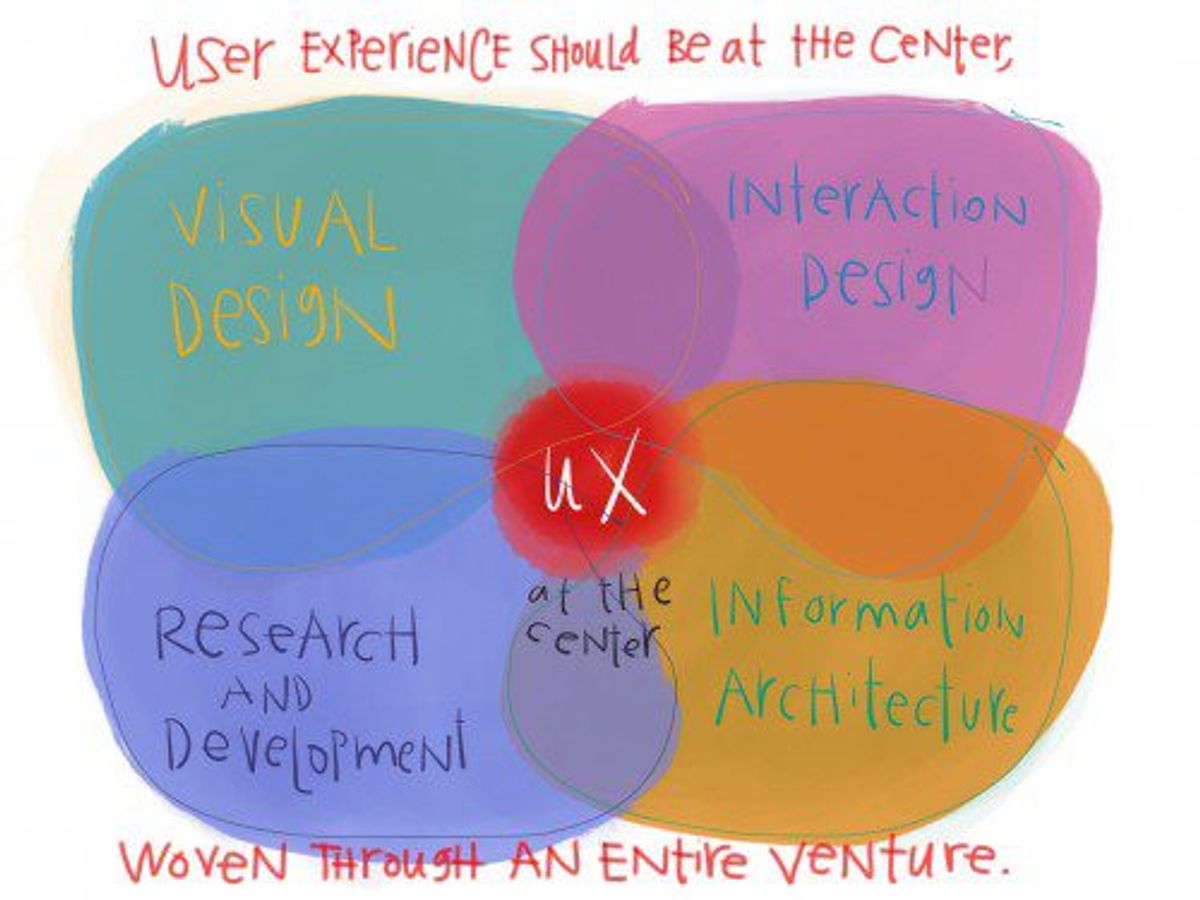
Designing for accessibility is a fundamental aspect of creating an inclusive user experience. It’s essential to follow web accessibility guidelines, such as the WCAG, to ensure that your website is usable by people with a range of disabilities. This includes providing alt text for images, enabling proper keyboard navigation, and considering color contrast.
- Inclusive Design: Strive to create experiences that cater to users with disabilities.
- Responsive Design: Ensure your website adapts to various devices and screen sizes.
- Clear Communication: Use simple language and effective UI to guide users.
By prioritizing features like alt text and keyboard navigation, you can reach a broader audience and enhance the overall user experience.
Staying updated with design trends and technological advancements is also crucial. This ensures that your product remains relevant and resonates with your target audience. Leveraging user analytics and feedback can inform design decisions, helping to identify pain points and measure the success of design changes.
Mobile-First Approach
In the era of smartphones, a mobile-first approach is not just a trend but a necessity. Catering to mobile users by optimizing the user experience for smaller screens ensures higher engagement and satisfaction. Responsive design is the cornerstone of this approach, allowing websites to adapt seamlessly to various devices.
- Responsive Design: Ensures accessibility across all devices.
- Intuitive Navigation: Simplifies exploration and improves user orientation.
- Visual Hierarchy: Guides attention to important elements.
- User-Centric: Prioritizes user needs in design decisions.
- Goal-Focused: Streamlines features to aid user tasks.
Effective website navigation requires intuitive design and mobile-first approach. Prioritize mobile responsiveness for user engagement and search engine rankings. Optimize for fast load times.
By prioritizing mobile responsiveness, we not only cater to user preferences but also improve search engine rankings. Fast load times are essential, as they significantly affect user retention and conversion rates. The mobile-first approach is a strategic decision that can set the foundation for a successful digital presence.
Conversion Rate Optimization
Optimizing for conversion rates is a critical aspect of user experience design that directly influences business success. A well-designed user experience can enhance conversion rates, sales, and customer loyalty. By focusing on performance optimization, such as improving website loading speeds and responsive design, businesses can ensure their websites are accessible and appealing to users across all devices.
Conversion-focused web design is the process of designing a website to increase conversions. This involves understanding user behavior, simplifying navigation, and providing clear visual feedback.
To effectively optimize for conversions, consider the following steps:
- Analyze user behavior to understand what drives conversions.
- Simplify navigation to make it easy for users to find what they’re looking for.
- Ensure visual clarity and provide immediate feedback to user interactions.
- Implement responsive design for seamless mobile experiences.
- Continuously gather user feedback and iterate on the design.
Post-launch, it’s essential to monitor KPIs such as engagement and retention to guide further enhancements. Remember, user experience and conversion rates go hand-in-hand.
Privacy and User Trust

Transparent Data Practices
In the digital age, transparency is the cornerstone of user trust. Users are increasingly aware of their digital footprint and the potential misuse of their personal data. To address these concerns, it’s essential for designers to integrate transparent data practices into their user experience (UX) strategies. This means being upfront about what data is collected, how it’s used, and who it’s shared with.
- Clearly inform users about data collection methods.
- Provide easy access to privacy policies and terms of service.
- Offer users control over their data, including opt-in and opt-out features.
By embedding transparency into the design, we not only comply with privacy regulations but also foster a relationship based on trust and respect with our users.
Moreover, transparent practices should be communicated through the design itself. Visual cues, such as icons or information tooltips, can guide users to understand their privacy options. Simplifying legal jargon into plain language summaries can also make policies more accessible. Ultimately, when users feel informed and in control, they are more likely to engage with the service confidently.
Cookie Consent Management
In the realm of user experience, cookie consent management is a critical aspect that intersects with legal compliance and user trust. Websites must navigate the delicate balance of being transparent about their cookie usage while not overwhelming users with technical jargon or intrusive pop-ups. A well-designed cookie consent interface allows users to make informed choices about their data, which in turn, enhances their overall experience and trust in the brand.
Effective cookie consent management involves clear communication and user-friendly controls. Here’s a simple breakdown of best practices:
- Progressive Disclosure: Reveal cookie information and choices in layers to avoid information overload.
- Error Prevention: Use clear language and validation to minimize user mistakes when selecting their preferences.
- Emotional Design: Craft the consent experience to evoke trust and a sense of control.
By embedding privacy into design, we foster trust, compliance, and sustainable user relationships. Designing with user control, security, and transparency at the forefront optimizes conversion and user experience.
Lastly, it’s important to remember that cookie consent is not a one-time event. Regularly updating users about changes in cookie policies and providing easy access to preference management can maintain a positive user experience and ensure ongoing compliance.
Building Trust through Design
In the realm of user experience, trust is a cornerstone that can significantly influence a user’s perception and loyalty towards a brand. Authenticity in design plays a pivotal role in establishing this trust. By reflecting the true essence of a brand through visuals and narratives, designers can foster a deeper connection with users, enhancing the credibility of the brand.
Designing with the user’s best interest at heart goes beyond transactional interactions. It involves creating experiences that resonate on an emotional level, promoting a sense of empathy and loyalty.
For instance, Tony’s Chocolonely, with its commitment to fair trade, demonstrates how ethical excellence can be a powerful trust-building element. Users are not just buying a product; they are investing in a brand that shares their values. Similarly, the goal of emotional design is to create a bond that transcends the screen, making users feel understood and appreciated.
To solidify this trust, transparency in data practices is essential. Users should be given clear choices regarding their data, as seen in cookie consent management. A well-designed consent interface can enhance user trust without compromising the user experience.
The Journey Beyond Launch
Post-Launch Monitoring
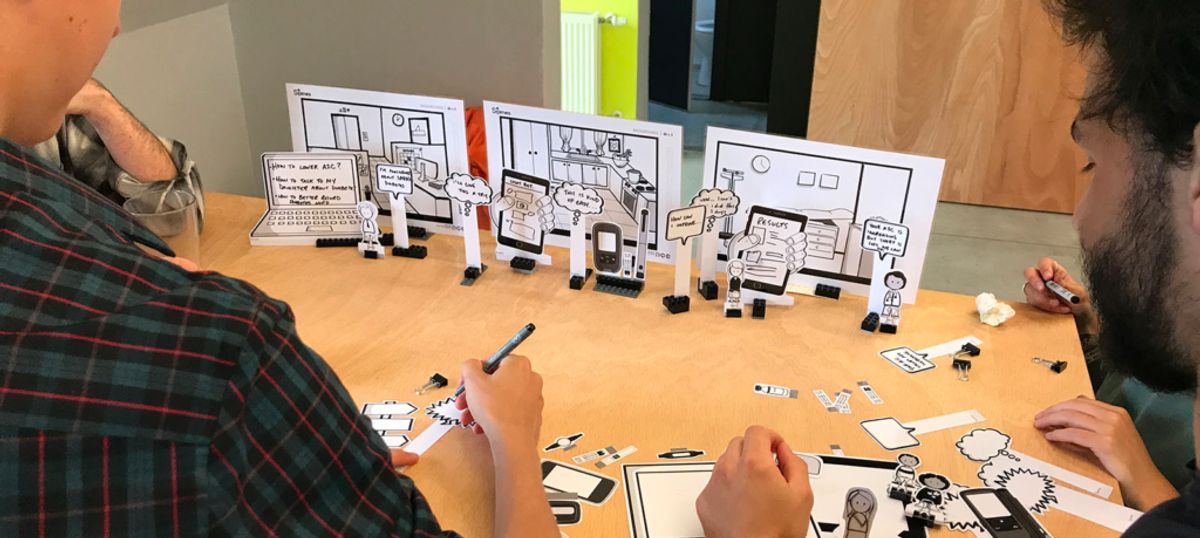
After the excitement of a product launch, the real work begins with post-launch monitoring. This phase is critical for identifying and addressing any issues that users may encounter. By tracking key performance indicators (KPIs), teams can make data-driven decisions to enhance the user experience.
Focusing on the user journey, user satisfaction correlates with advocacy. Post-launch monitoring and support are crucial for continuous improvement and innovation through user-centered design.
A structured approach to post-launch monitoring includes the evaluation of user engagement, conversion rates, and retention. Below is a table summarizing typical KPIs that are monitored post-launch:
| KPI | Description |
|---|---|
| User Engagement | Measures how actively users interact with the product. |
| Conversion Rate | The percentage of users who take a desired action. |
| Retention Rate | The proportion of users who continue to use the product over time. |
By carefully monitoring these metrics, teams can quickly react to feedback, iterate on the product, and ensure a seamless user experience. It’s a continuous cycle of learning and improvement that keeps the product relevant and valuable to its users.
Iterative Design and Continuous Improvement
The journey of a product’s user experience doesn’t end at launch. Iterative design is a critical component of continuous improvement, where user feedback and data analysis drive refinements. By embracing an iterative process, designers can identify and address pain points, enhancing the overall user experience.
Iterative design allows for the evolution of the interface to meet changing user needs and preferences, ensuring that the product remains relevant and user-friendly over time.
A successful iterative design process involves several key steps:
- Gathering insights from user behavior metrics
- Conducting usability testing to uncover issues
- Making data-driven refinements to the design
- Monitoring the impact of changes and repeating the cycle
This approach not only improves the product but also fosters a culture of curiosity and continuous learning among designers. Staying updated with industry trends and user expectations is crucial for delivering solutions that resonate with users and meet business goals.
User Education and Support
After a successful launch, the focus shifts to ensuring users can effectively utilize the new interface. This involves creating comprehensive educational materials and robust support systems. User education is not just about providing manuals or FAQs; it’s about crafting interactive tutorials, video guides, and in-app assistance that empower users to fully leverage the features of your product.
User support extends beyond solving immediate issues. It’s about building a relationship with users, providing them with the tools to succeed, and continuously improving the user experience based on their feedback.
To facilitate this, consider the following steps:
- Develop clear and concise educational content tailored to different user skill levels.
- Implement an accessible support system, including live chat, email, and phone support.
- Establish a feedback loop with users to identify common challenges and areas for improvement.
- Regularly update educational materials to reflect new features and user insights.
Case Studies and Success Stories

Analyzing Successful Interfaces
The dissection of successful interfaces is a cornerstone in the evolution of user experience design. By examining case studies, designers can distill the essence of what makes an interface intuitive and engaging. A common thread among successful designs is the adherence to established UI patterns that users find familiar. For instance, the magnifying glass icon universally signifies a search function, allowing users to navigate with ease and confidence.
The impact of well-implemented UI design patterns extends beyond aesthetics; it is about creating a seamless interaction that feels almost invisible to the user.
To truly appreciate the effectiveness of these designs, one must look at the quantitative outcomes they produce. Metrics such as user engagement, conversion rates, and customer satisfaction scores are telling indicators of an interface’s success. Below is a table summarizing the performance of various interfaces post-implementation of strategic design changes:
| Interface | Engagement Increase | Conversion Rate Boost | Customer Satisfaction |
|---|---|---|---|
| Interface A | 20% | 15% | 4.5/5 |
| Interface B | 35% | 25% | 4.8/5 |
| Interface C | 30% | 18% | 4.7/5 |
Remember, the ultimate goal is to make the user’s interaction with the digital world as effortless and pleasant as possible. By learning from the successes and missteps of past designs, we pave the way for more intuitive and user-centric interfaces in the future.
Learning from User Feedback
In the realm of UX design, user feedback is the compass that guides the iterative process of improvement. It’s not just about collecting data; it’s about understanding the story behind each user interaction. By analyzing feedback, designers can pinpoint areas of friction and delight, shaping the product to better meet user needs.
User feedback plays a crucial role in the development and success of a minimum viable product (MVP). It helps validate your product idea, ensures market fit, and steers the product evolution.
Here are some steps to effectively learn from user feedback:
- Establish clear feedback channels for users to share their thoughts and experiences.
- Prioritize feedback based on its potential impact on user experience and business goals.
- Translate user feedback into actionable insights that can inform design decisions.
- Continuously measure the effectiveness of changes made based on user feedback.
Remember, feedback is a gift that keeps on giving. It’s a continuous dialogue between the product and its users, fostering a design that resonates on a deeper level.
Innovative Design Solutions
In the realm of user experience, innovative design solutions are the cornerstone of differentiation and user satisfaction. These solutions often stem from a deep understanding of user behavior and a commitment to intuitive design. For instance, a website that offers WordPress and eCommerce development services not only showcases its portfolio but also emphasizes guiding users seamlessly through the site, enhancing the overall user experience.
By focusing on intuitive navigation and visual clarity, designers can create interfaces that feel familiar and easy to use, even on the first visit.
A list of recent projects can illustrate the breadth of innovation in design:
- WHITE RABBIT (NFT): A custom design strategy for a metaverse company.
- INCHOO: Collaborative UX/UI strategy implementation for a leading Magento eCommerce agency.
- GEOLOGIJA: Design and development for the Croatian Geological Society’s website.
- ARDEA: Unique real estate project design in Vancouver’s River District.
Each project highlights a tailored approach to user experience, ensuring that the end product is not just functional but also engaging and memorable.
The Future of User Experience
Emerging Technologies and Trends
The digital world is constantly evolving, with new technologies reshaping the landscape of user experience design. Voice search, chatbots, and augmented reality (AR) are at the forefront of this transformation, offering new ways to engage users. These technologies not only enhance interactivity but also open up possibilities for more personalized and immersive experiences.
Ephemeral design is another trend gaining traction, aligning with the transient nature of digital content consumption. It challenges designers to create interfaces that make a lasting impression within a fleeting interaction window. This approach is particularly relevant in platforms where content is accessible for a short period, such as Snapchat and Instagram Stories.
The integration of analytics tools is essential for understanding user behavior and optimizing design. It allows for a data-driven approach to continuously refine and improve the user experience.
As we look to the future, staying informed and adaptable to these emerging trends will be crucial for creating intuitive and memorable user experiences.
Designing for Ephemeral Content
In the realm of digital design, ephemeral content has surged in popularity, with platforms like Snapchat and Instagram Stories leading the charge. This content, accessible for a brief window before it disappears, has revolutionized user engagement by tapping into the fear of missing out (FOMO). A well-designed UI is crucial in guiding users through these fleeting experiences, ensuring they are both enjoyable and memorable.
Ephemeral design is not just about the content that vanishes; it’s about the lasting impression it leaves behind. The challenge lies in creating a visual appeal that captivates users quickly and leaves a durable impact.
To excel in ephemeral design, consider the following points:
- Storytelling should be concise and powerful, with UI elements that lead users on a journey.
- Personalization is key to forging a connection, making each user’s experience feel unique.
- Interactivity must be seamless, encouraging users to engage with content effortlessly.
By mastering these elements, designers can create experiences that resonate with users long after the content has faded.
Anticipating User Needs
In the realm of intuitive design, anticipating user needs is akin to playing a strategic game where foresight is key. By understanding and predicting what users may require in the future, designers can craft experiences that feel personalized and proactive. A user-centric approach ensures that every design decision enhances the user experience and aligns with their expectations. For instance, streamlining a checkout form to include only essential fields can significantly speed up the purchasing process, removing distractions and focusing on user goals.
For brands, being ready ahead of time is paramount for delivering a seamless and exceptional customer experience.
Adapting to user behaviors and preferences through continuous research allows for the evolution of products and services in a rapidly changing market. This adaptability ensures that interfaces remain relevant and usable. Moreover, involving users in the design process through feedback mechanisms can provide direct insights into their needs and expectations. As the snippet suggests, asking for feedback is a straightforward method to meet customer needs.
Responsive and adaptive design is no longer optional; it’s a necessity. With a multitude of devices and screen sizes, ensuring that an interface adapts seamlessly is crucial for usability. This approach not only meets current user needs but also prepares for future technological advancements and user behaviors.
Building a Design-Centric Culture

Fostering Team Collaboration
In the realm of user experience design, fostering team collaboration is not just beneficial; it’s imperative. A harmonious blend of skills and perspectives can lead to innovative solutions that resonate with users. Effective collaboration hinges on clear communication, shared goals, and an environment that encourages the free exchange of ideas.
- Interpersonal Skills: Team members must communicate effectively, actively listen, and work cohesively.
- Empathy: A deep understanding of user needs and perspectives drives user-centric design.
- Cross-Disciplinary Collaboration: Involving various stakeholders ensures a well-rounded approach to UX.
- Adaptability: Keeping abreast of design trends and user behavior helps the team evolve with the industry.
By prioritizing these aspects, teams can overcome challenges and learn valuable lessons, leading to a seamless and enjoyable process that delivers top-quality products within deadlines.
It’s crucial to recognize that collaboration is not just about working alongside each other but about leveraging each individual’s unique strengths to achieve a common vision. When teams collaborate effectively, they share their secrets to successful teamwork, which can significantly enhance the overall engagement and success of a project.
Continuous Learning and Adaptation
In the dynamic world of design, continuous learning is the cornerstone of innovation and adaptation. Designers must embrace a culture of perpetual education to stay abreast of the latest trends and technologies. This not only involves keeping up with new design tools and methodologies but also understanding the evolving behaviors and preferences of users.
- Critical Thinking: Analyze and evaluate design decisions to create impactful solutions.
- Curiosity: Maintain a curious mindset to foster creativity and innovation.
- Adaptation: Stay attuned to user trends and behaviors for product relevance.
By promoting a learning environment, we empower designers to experiment, take calculated risks, and refine their craft. This leads to the development of products that are not only functional but also deeply resonate with users.
Encouraging team members to share knowledge and engage in mentorship programs can lead to cross-functional growth and a more cohesive design approach. It’s essential to create opportunities for designers to apply new skills and insights, ensuring that learning translates into tangible improvements in user experience.
Celebrating Design Innovation
In the realm of design, innovation is not just about the new but about the meaningful. Celebrating design innovation involves recognizing those who push the boundaries of creativity to create solutions that resonate deeply with users. It’s about honoring the blend of functionality and artistry that makes products not just usable, but delightful.
- Understanding User Behavior: Intuitive design focuses on understanding user needs, consistency, usability, aesthetics, and iterative improvements. A user-centered approach enhances engagement and inclusivity for a seamless user experience.
- Simplifying Navigation: Ensuring that users can find what they need with ease is a hallmark of great design.
- Visual Clarity and Feedback: Clear visual cues and immediate feedback help users feel in control of their interactions.
By fostering a culture that values innovation, we encourage a continuous cycle of learning, experimentation, and refinement. This cycle not only propels the industry forward but also solidifies the role of design in shaping experiences that are both intuitive and impactful.
The Innovation by Design Awards, for instance, introduces new categories each year to highlight the evolving landscape of design. Fast Company’s annual event celebrates the best across the world of design, from user interface to environmental impact, showcasing how diverse the field truly is. It’s a testament to the industry’s commitment to progress and the recognition of groundbreaking work that sets new standards.
Crafting Emotional Connections

Storytelling through Design
In the realm of UX design, storytelling is a powerful tool that can transform a mundane interaction into a memorable journey. To effectively harness the power of storytelling, designers focus on crafting narratives that evoke strong emotions and sustain user engagement. At the heart of UX storytelling lies the creation of relatable personas and scenarios, which humanize the user experience and connect with the audience on a deeper level.
By integrating storytelling into the design process, we can create experiences that are not only functional but also emotionally resonant. This isn’t just about creating user-friendly interfaces; it’s about creating experiences that linger in the heart long after the screen goes dark.
To achieve this, a thoughtful blend of UI/UX principles and ephemeral design is essential. UI elements should be strategically placed to guide users through a narrative, creating a sense of anticipation and engagement. Whether it’s through visuals that reflect the brand’s authenticity or interactive elements that invite participation, every aspect of the design should contribute to the overarching story.
- Authentic visuals enhance brand credibility
- Interactive elements encourage user participation
- Personalization features foster a sense of connection
Remember, the best designs are not just seen or used; they’re felt. As we look to the future of UX, the ability to craft such stories will become increasingly important in creating truly memorable experiences.
Emotional Design Principles
Emotional design transcends the mere functionality of a product, aiming to create a lasting emotional bond between the user and the product. It leverages the power of psychology to craft experiences that are not only efficient but also deeply satisfying on an emotional level. By tapping into the user’s emotions, designers can foster a sense of belonging, joy, and loyalty towards a product.
Emotional design is about more than aesthetics; it’s about creating an experience that feels personal and responsive to the user’s needs.
Understanding that users are driven by emotions as much as by logic is crucial. Basic psychological principles can guide you as a UX designer because most users share many common characteristics. Consider learning more about motivation, perception, and emotion to create designs that are not just usable, but also resonate on a deeper, more personal level.
Here are some key aspects to consider in emotional design:
- Use of color to convey mood and atmosphere
- Typography that reflects the tone and personality of the brand
- Imagery that evokes empathy and connection
- Micro-interactions that delight and surprise
By carefully considering these elements, designers can create experiences that users will find memorable and engaging.
Creating Memorable Experiences
To create memorable experiences, designers must delve into the essence of interaction design. It’s not just about aesthetics; it’s about crafting moments that resonate emotionally with users. Consider the power of microinteractions, those small yet impactful design elements that bring joy and satisfaction to the user journey. For instance, a playful animation when a task is completed or a subtle sound when a new message arrives can significantly enhance the user experience.
By focusing on the details that often go unnoticed, designers can transform ordinary interactions into extraordinary ones.
Creating a bond with users goes beyond the screen. It involves understanding and anticipating their needs, which can be achieved through a blend of UI/UX and ephemeral design principles. This approach is especially relevant in the age of disappearing content, where capturing user attention is both a challenge and an art.
- Storytelling through design
- Seamless interactivity
- Surprise and delight
These elements, when woven into the fabric of the design, ensure that users not only remember the experience but are also more likely to return. It’s about creating a narrative that users can connect with, one that makes the interaction not just useful, but memorable.
Leveraging Analytics for Design Insights
Data-Driven Design Decisions
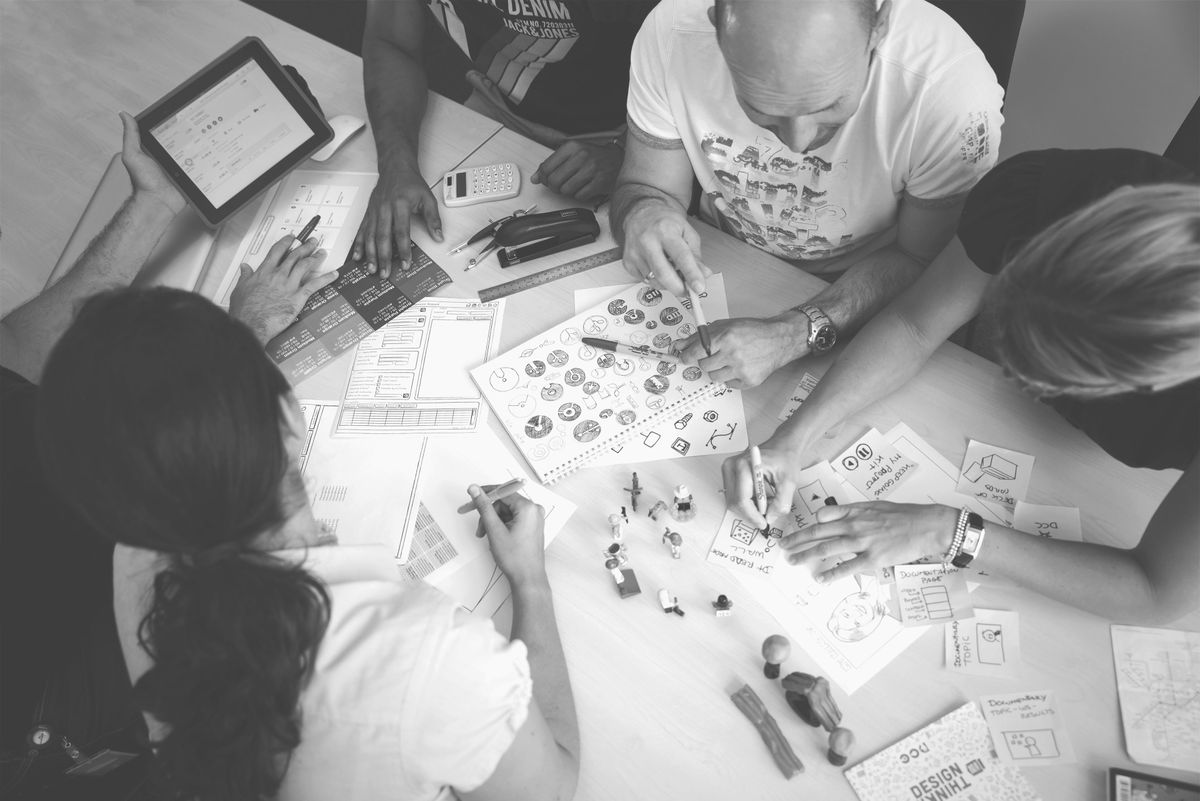
In the realm of user experience, data-driven design decisions are paramount to crafting interfaces that not only look good but also perform effectively. By leveraging user analytics and feedback, designers can pinpoint areas for improvement and validate design changes, ensuring that each iteration brings the product closer to the ideal user experience.
- Set clear goals: Establish what you aim to achieve with your design.
- Collect data: Gather information on user behavior and feedback.
- Analyze and iterate: Use the insights to inform design decisions and iterate.
Emphasizing a user-centric approach, data-driven design focuses on real user interactions to guide the creative process. It’s not just about aesthetics; it’s about creating functional, seamless experiences that resonate with users.
By continuously analyzing user metrics, designers can optimize for user retention and satisfaction. This ongoing process of refinement is crucial for staying relevant in a market where user expectations are constantly evolving.
Understanding User Metrics
To truly demonstrate the value of UX, it’s essential to delve into user metrics that reflect the effectiveness of design decisions. The most common UX metrics are quantitative, providing a numeric value that can be tracked over time to gauge improvements. For instance, an increase in user’s time spent on a site may indicate more engaging content or better usability.
By analyzing user pain points and addressing them, we can significantly enhance the overall online customer experience.
Understanding these metrics involves a continuous cycle of measurement, analysis, and iteration. Below is a list of key user metrics that are critical in assessing the success of a design:
- User engagement (time on site, page views per visit)
- Conversion rates (sign-ups, purchases)
- Task success rate (completion of specific actions)
- Error rate (frequency of user errors)
- User satisfaction (survey responses, feedback)
Each metric offers insights into different aspects of the user experience, and when combined, they provide a comprehensive view of usability and engagement.
Optimizing for User Retention
Optimizing for user retention is a multifaceted endeavor that hinges on understanding and improving the user experience at every touchpoint. High-quality content is paramount; it must be engaging, informative, and tailored to the needs of your audience. Additionally, the implementation of advanced UX design techniques, such as microinteractions, can significantly enhance user engagement and clarify interactive elements.
By prioritizing features like alt text and keyboard navigation, we ensure our design reaches a broader audience, making it inclusive and accessible.
Leveraging analytics is crucial for informed decision-making. Data-driven insights allow us to pinpoint user pain points, track behavior, and measure the efficacy of design changes. This approach not only informs our strategy but also ensures that we are continuously adapting to user feedback and evolving market trends.
To ensure a seamless user journey, post-launch monitoring is essential. We track conversions and performance, learning from user interactions to suggest further improvements. This ongoing process of analysis and optimization is key to retaining users and fostering long-term engagement.
In today’s competitive market, understanding your audience through data is crucial. Our expertise in WordPress Development and Custom Web Design ensures that your website isn’t just a digital presence, but a data-driven powerhouse for insights and growth. Dive into the world of analytics with us and transform your website into a strategic asset. Ready to unlock the full potential of your online presence? Visit our website and explore our comprehensive services to elevate your business.
Conclusion
In the realm of digital design, the creation of intuitive and memorable user experiences is paramount. Throughout this article, we’ve explored the multifaceted approach to crafting interfaces that resonate with users on a deeper level. From the principles of intuitive navigation and storytelling through design to the importance of personalization and seamless interactivity, the strategies discussed serve as a blueprint for designers aiming to leave a lasting impact. As we continue to embrace the ephemeral nature of digital content, it is clear that the successful fusion of UI/UX design principles with user-centered approaches will define the future of engaging and effective digital experiences. Remember, the essence of intuitive design lies not only in aesthetic appeal but in creating a harmonious user journey that feels both effortless and profound.
Frequently Asked Questions
What are the core principles of intuitive design?
Intuitive design revolves around understanding user behavior, simplifying navigation, and ensuring visual clarity with immediate feedback. It focuses on creating interfaces that feel natural to the user, minimizing learning curves and enhancing the overall user experience.
How can personalization improve user engagement?
Personalization strategies tailor the user experience to individual preferences and behaviors, making the interaction feel more relevant and engaging. By addressing users’ unique needs and interests, personalization can increase the time spent on the site and improve user satisfaction.
Why is a mobile-first approach important in design?
A mobile-first approach prioritizes the design and optimization of websites for mobile devices, acknowledging the growing trend of internet usage on smartphones. This approach ensures that the user experience is seamless and accessible on the most commonly used devices.
How does transparent data practice build user trust?
Transparent data practices involve clearly communicating how user data is collected, used, and protected. By being open about privacy policies and consent management, companies can build trust with users who are increasingly concerned about their online privacy.
What is post-launch monitoring and why is it important?
Post-launch monitoring involves tracking the performance and user interaction of a website after it goes live. It’s crucial for identifying any issues early on, making necessary improvements, and ensuring that the site remains up-to-date and functional over time.
How can analytics drive better design decisions?
Analytics provide insights into user behavior, preferences, and pain points. By interpreting this data, designers can make informed decisions that enhance usability and user retention, leading to a more successful and intuitive user experience.