Crafting Memorable User Experiences with Intuitive Design

In a digital world where user attention is at a premium, crafting memorable user experiences is paramount. Intuitive design is at the heart of creating these experiences, ensuring that users find value and satisfaction in their interactions with digital products. This article explores the multifaceted approach to intuitive design, from the intricacies of user interface (UI) design to the personalized touches that make a user feel understood, the narrative that captivates, and the seamless flows that guide. By integrating usability with aesthetic, we aim to provide a roadmap for designers and developers looking to create digital environments that resonate with users and stand out in a crowded marketplace.
Key Takeaways
- Understanding and catering to user needs and preferences is the cornerstone of intuitive UI design, leading to increased engagement and satisfaction.
- Personalization, when balanced with privacy, can significantly enhance the user experience by delivering content that is tailored to individual users.
- Storytelling in design fosters emotional connections and user retention by crafting a cohesive narrative that guides and engages users throughout their journey.
- Optimizing user flows by mapping out journeys and reducing friction points is crucial for creating smooth and seamless interactions that users find effortless.
- The integration of usability and aesthetic design involves a careful balance of form and function, ensuring that visual design choices contribute to a positive user experience.
The Art of Intuitive User Interface Design
Understanding User Needs and Preferences
To create an intuitive interface, it’s essential to start with a deep understanding of user needs and preferences. This involves engaging with your target audience to uncover their desires, pain points, and the contexts in which they will use your product. A well-defined user persona can serve as a guiding star throughout the design process, ensuring that the end result resonates with users.
By prioritizing user understanding, we can craft experiences that are not only functional but also deeply engaging. Micro-interactions, for example, can significantly enhance user engagement by providing satisfying feedback for even the smallest actions.
Designing for clarity and simplicity is paramount. Users should be able to navigate your product effortlessly, which means avoiding unnecessary complexity. Here’s a simple checklist to keep in mind:
- Ensure that language and icons are clear and universally understood.
- Organize content logically and predictably.
- Provide helpful feedback and error messages.
- Streamline tasks to reduce cognitive load.
Remember, the goal is to design a product that feels like second nature to the user. This can lead to improved conversion rates as users are more likely to complete desired actions without frustration. Moreover, incorporating user feedback through testing is crucial for refining the design and addressing any overlooked issues.
Designing for Clarity and Simplicity
In the pursuit of designing for clarity and simplicity, it’s essential to focus on the user’s journey through the interface. By stripping away the non-essential elements, we can highlight the core functionality and enhance the user’s experience. This minimalist approach aligns with the philosophy that ‘less is more‘, ensuring that users are not overwhelmed by unnecessary complexity.
The art of simplifying user interfaces is not just about aesthetics; it’s about creating a clear path for users to follow. By providing intuitive navigation and logical flow, we enable users to accomplish their tasks with ease and efficiency.
To achieve this, consider the following steps:
- Identify the most essential interactions needed to meet user goals.
- Use familiar design patterns to make interactions predictable.
- Enhance clarity with well-thought-out labels and signposts.
- Avoid ‘dark patterns’ that may mislead or frustrate users.
Remember, the goal is to create an environment where users can navigate smoothly and without confusion, fostering a positive and memorable experience.
Implementing Intuitive Navigation
Intuitive navigation is the cornerstone of a seamless user experience. Clear navigation guides users through a website with ease, ensuring that every step in the user flow is predictable and natural. By mapping out user journeys, we can identify the most efficient paths and reduce the potential for confusion or frustration.
To achieve this, we employ a variety of strategies:
- Refine and simplify user flows to create a direct and uncluttered experience.
- Use gesture-based analogies like ‘swipe to delete’ to make digital tasks feel familiar.
- Ensure that visual elements such as icons and tooltips provide clear cues.
By focusing on intuitive interactions, we craft digital experiences that users can navigate effortlessly, making every touchpoint feel purposeful.
Our commitment to intuitive design extends beyond the visual layout. We analyze and refine navigation through real-world testing, ensuring that our designs not only look good but also function seamlessly. The goal is to make the user’s journey through the digital space as intuitive as moving through a physical one.
Enhancing User Experience Through Personalization
Leveraging User Data for Customized Interactions
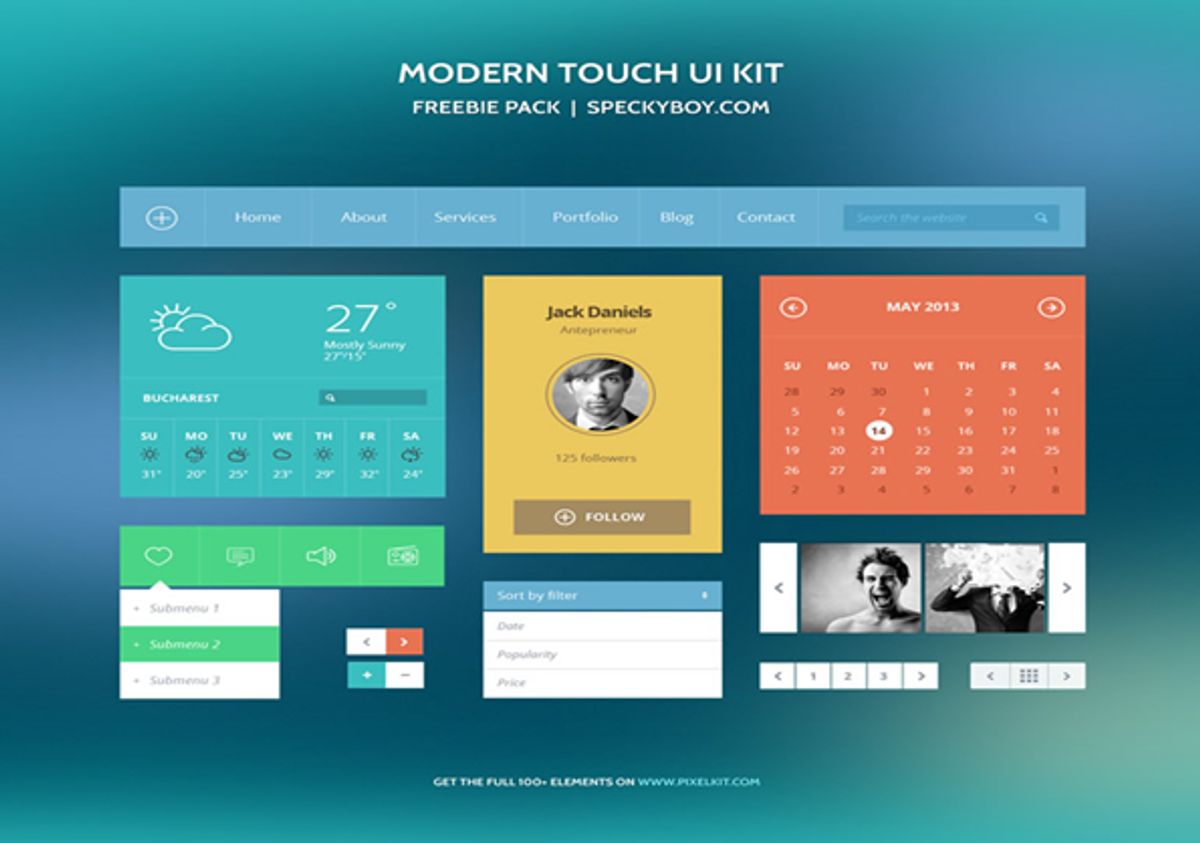
In the realm of UX design, personalization is the cornerstone of creating an experience that resonates with the user on an individual level. By leveraging user data, designers can tailor the user interface and interactions to meet the unique needs and preferences of each user. This approach not only enhances the user experience but also fosters a sense of connection and relevance.
Personalization in UX design is not just about addressing the user by name or remembering their preferences. It’s about creating a journey that feels intuitively designed for them, making each interaction more meaningful and effective.
To achieve this, a multi-faceted strategy is essential. Here’s a list of key steps to consider:
- Collecting and analyzing user data to understand behavior patterns.
- Utilizing algorithms to predict user needs and present relevant options.
- Creating adaptive user interfaces that evolve with user interactions.
- Ensuring privacy and security of user data at every step.
By meticulously mapping out these steps, designers can create personalized experiences that users find invaluable. The ultimate goal is to make the user feel that the product or service was crafted just for them, thereby increasing engagement and loyalty.
Creating Dynamic Content for Individual Users
In the realm of user experience, dynamic content is the cornerstone of personalization. It adapts in real-time to the user’s interactions, history, and preferences, providing a tailored experience that resonates on a personal level. By leveraging user data, designers can create content that not only engages but also anticipates the user’s needs, leading to a more intuitive and satisfying experience.
Dynamic content delivery is not just about showing users what they want to see; it’s about creating a journey that feels uniquely theirs.
To achieve this, a multi-layered approach is often employed, involving:
- Analysis of user behavior and data
- Segmentation of users into distinct groups
- Creation of content variations for each segment
- Continuous testing and refinement
This process ensures that each user feels seen and understood, which is essential for fostering a connection and encouraging long-term engagement. Balancing this personalization with privacy concerns is crucial, as users are becoming increasingly aware of their digital footprint.
Balancing Personalization with Privacy Concerns
In the quest to deliver tailored experiences, designers must navigate the tightrope between personalization and privacy. Users crave personalized content that resonates with their individual preferences, yet they are increasingly concerned about how their data is used and protected.
To address these concerns, consider the following steps:
- Be transparent about data collection practices and allow users to opt-in or opt-out.
- Implement robust security measures to safeguard user data.
- Regularly update privacy policies to reflect current practices and legal requirements.
By fostering an environment of trust and respect for user privacy, companies can create a positive feedback loop where users feel comfortable sharing information, leading to even more personalized and engaging experiences.
Ultimately, the goal is to provide a personalized experience without compromising user trust. Striking this balance is not only ethical but also critical to maintaining a loyal user base.
The Role of Storytelling in User Experience Design
Crafting a Cohesive Narrative for User Engagement
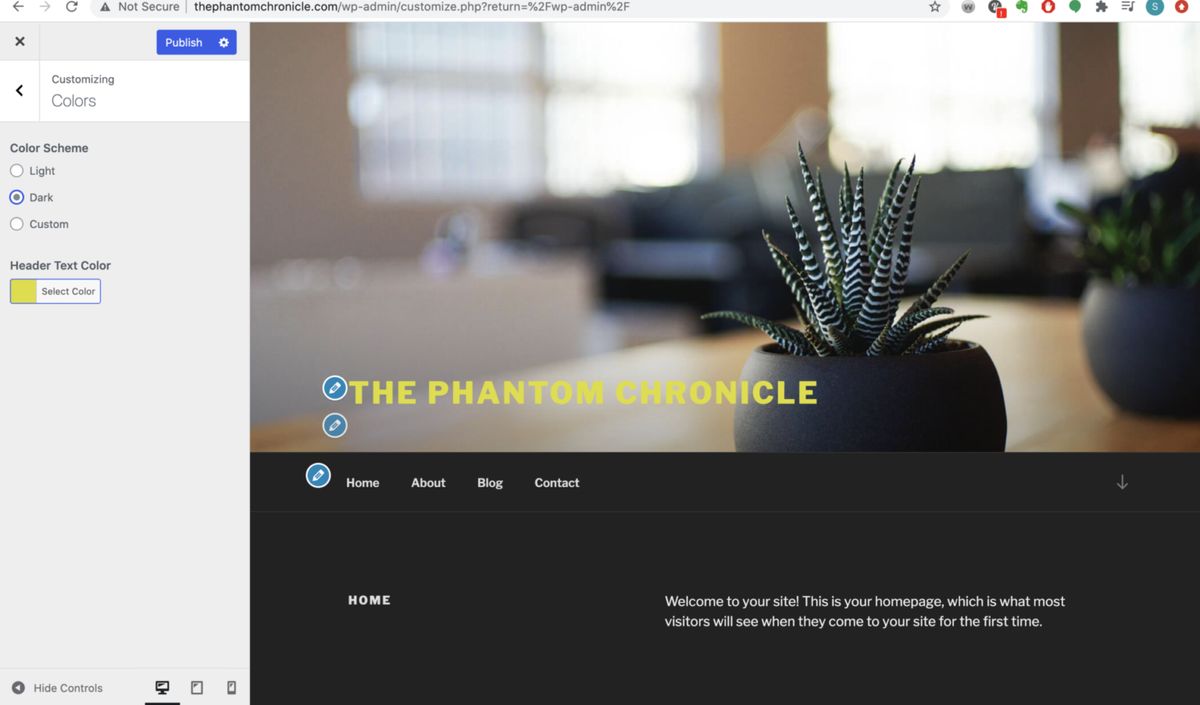
In the realm of user experience design, storytelling is a potent instrument that can significantly enhance user engagement. A well-crafted narrative can captivate users, making their journey through the application or website not just a series of tasks but a cohesive and enjoyable experience. By developing a clear and compelling narrative, users are guided through the experience in a way that feels natural and intuitive.
The narrative within a design should not be an afterthought; it is a strategic component that can drive user engagement and retention.
To effectively implement storytelling in UX, consider the following points:
- Develop a narrative that resonates with users, incorporating memorable characters and scenarios.
- Use storytelling to provide context for user actions, helping them understand the ‘why’ behind their tasks.
- Create a dynamic narrative that adapts to user interactions, making the experience feel personalized and alive.
Remember, the narrative is not just a design element—it’s a transformative tool that can redefine the user’s connection with your product.
Utilizing Story Elements to Guide User Behavior
In the realm of user experience design, storytelling is a compelling technique that can shape how users interact with digital products. It’s about crafting stories that grab users’ attention, making their exploration of apps and websites feel thrilling and engaging. This approach involves the art of weaving narrative elements throughout the user interface to create a sense of journey and purpose.
By integrating story elements into the design, we can guide users through a series of interactions that feel natural and intuitive. This method not only enhances the user experience but also fosters a deeper connection with the product.
To effectively utilize story elements, consider the following steps:
- Establish a clear beginning, middle, and end to the user’s journey.
- Use visual cues and transitions to indicate progress and create momentum.
- Incorporate characters or personas that users can relate to and empathize with.
- Design interactions that unfold progressively, revealing the narrative in a way that encourages continued engagement.
Research indicates that incorporating storytelling into design can lead to significant improvements in user engagement and retention. By tapping into the emotional aspect of design, we create memorable experiences that resonate with users on a deeper level.
The Impact of Emotional Connection on User Retention
The emotional resonance of a user’s experience is a powerful determinant of their loyalty and engagement. Businesses that prioritize emotional design see a significant increase in customer retention rates, often outperforming their competitors. A user’s emotional connection to a product or service can transform a one-time interaction into a lasting relationship.
Emotional design is not just about creating a pleasant interface; it’s about evoking positive feelings that foster a deep connection with the user.
By crafting experiences that resonate on an emotional level, designers can encourage users to form a bond with the brand. This bond leads to increased satisfaction and loyalty, which are critical for long-term retention. The table below highlights the key benefits of integrating storytelling and emotional design into user experiences:
| Benefit | Description |
|---|---|
| Increased User Retention | Users are more likely to return to applications that provide an immersive storytelling experience. |
| Improved User Satisfaction | A more interactive user experience increases user satisfaction and loyalty towards the brand. |
| Enhanced Brand Perception | A well-crafted story humanizes the brand and creates a positive perception among users. |
| Memorable Experiences | Compelling stories make applications memorable, leading to word-of-mouth marketing. |
In conclusion, the emotional impact of a design can be a defining factor for user retention. It’s essential to understand and harness the power of emotions to create truly memorable user experiences.
Optimizing User Flows for Seamless Interactions
Mapping Out User Journeys for Maximum Efficiency
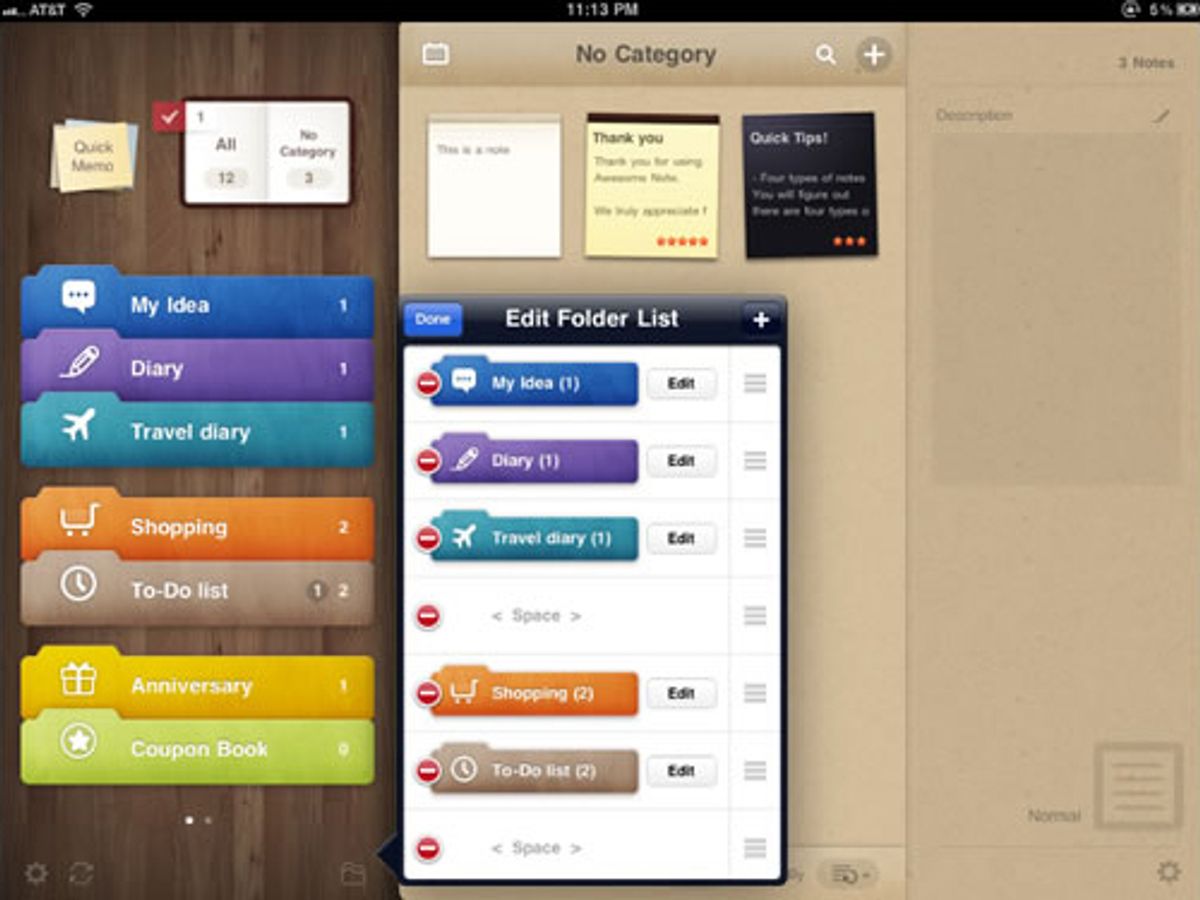
Imagine the user’s path through your digital landscape as a journey, where each step is a critical touchpoint that can either propel them forward or cause them to stumble. Mapping out user journeys is akin to charting a course for a seamless adventure, ensuring that every interaction is intuitive and leads to the desired outcome. By visualizing the user’s flow from initial engagement to final action, designers can identify and eliminate any obstacles that might disrupt the experience.
To optimize user journeys, consider merging steps to streamline the process, much like finding the most direct route on a road trip. Clear labels serve as signposts, guiding users confidently towards their destination.
The process of refining user flows involves a cycle of iteration and testing. After mapping out the journey, it’s crucial to gather feedback and make adjustments. This continuous improvement ensures that the user’s ‘digital vacation’ is not only memorable but also free of any friction that could detract from their goals. By doing so, we craft digital narratives that resonate with users and encourage the desired actions with minimal friction.
- Design user flows with detailed diagrams as travel guides.
- Refine and simplify paths for direct, uncluttered navigation.
- Enhance clarity with well-placed labels, akin to signposts.
- Analyze user activity visually to understand interactions.
- Iterate and test with real user feedback for improvements.
Reducing Friction Points to Enhance Usability
To create a streamlined user experience, it’s crucial to identify and eliminate friction points within user flows. These are the moments where users may feel confused, frustrated, or hindered in their journey towards a goal. By simplifying the process, we ensure an effortless interaction, where users don’t have to think about what to do next.
- Focus on the critical path: Identify the most essential interactions and remove unnecessary steps.
- Leverage familiar patterns: Use design conventions that users find intuitive.
- Enhance clarity with labels: Clear labels act as signposts, guiding users effectively.
Embrace clarity, simplicity, and consistency in interface design. Use intuitive navigation and meaningful microinteractions for a streamlined user experience.
By refining user flows, we merge steps or reduce redundant ones, akin to planning the best route for a road trip. This approach not only saves time but also increases the efficiency of the accomplishment. A well-designed user flow minimizes the potential for wrong turns and detours, laying a clear path for users to follow.
Analyzing and Refining User Flows with Real-World Testing
Real-world testing is a critical step in ensuring that user flows are not only theoretically sound but also practically effective. By engaging with actual users, designers can observe how they interact with the interface, identify any friction points, and gather valuable feedback. This iterative process of testing and refinement helps in crafting user-centric designs that resonate with the target audience.
The goal is to create a seamless journey that feels natural and intuitive to the user.
To systematically analyze and refine user flows, consider the following steps:
- Map out the entire user flow to visualize the journey.
- Conduct usability testing with real users to gather insights.
- Identify pain points and areas for improvement.
- Implement changes based on user feedback.
- Repeat the process to continuously enhance the user experience.
Ultimately, this approach leads to more engaging and satisfying interactions, as it aligns closely with the principles of user-centric design. By focusing on intuitive navigation and clear labeling, and by being responsive to user input, designers can create experiences that meet and exceed user expectations.
Integrating Usability with Aesthetic Design
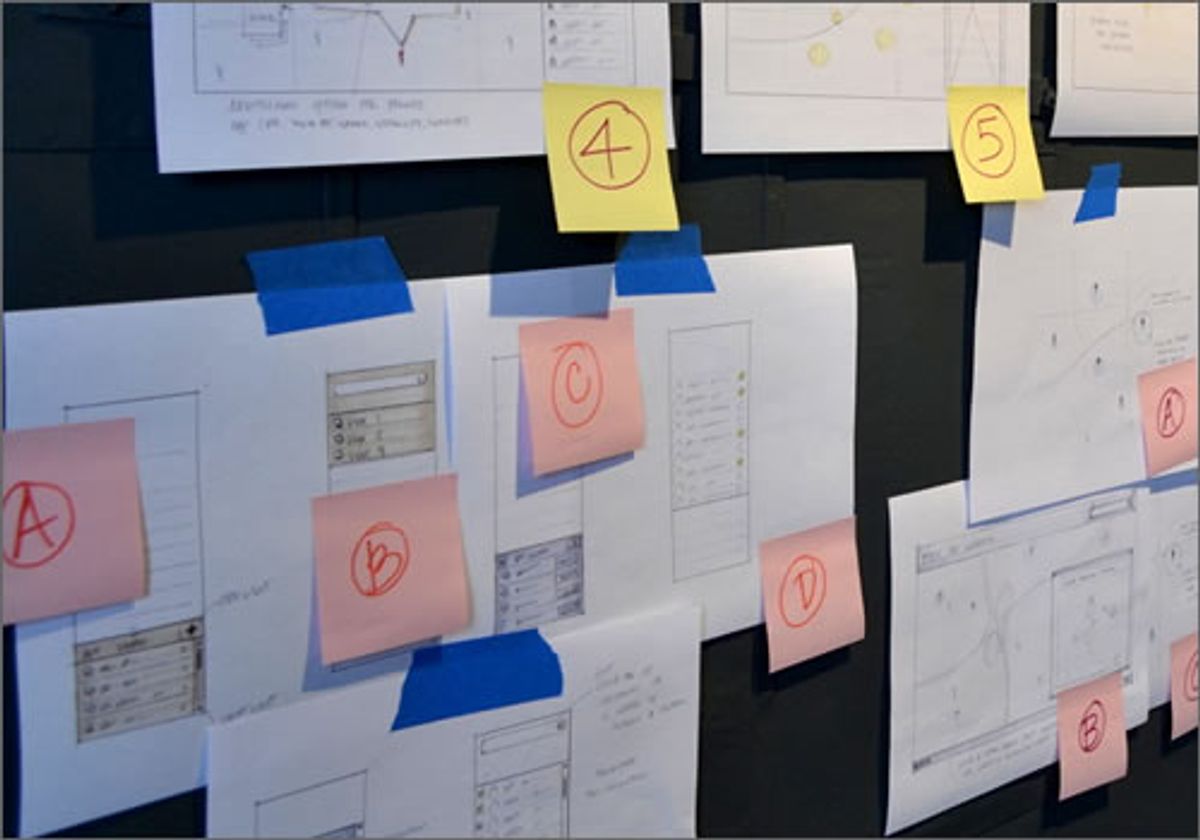
Balancing Form and Function in Visual Design
In the realm of user experience, balancing aesthetics and usability is paramount. Designers must navigate the delicate interplay between visual appeal and functional design to create products that are not only beautiful but also highly usable. This balance is achieved through meticulous attention to visual design elements, intuitive navigation, and responsive interfaces that cater to user needs.
- Visual Design: It sets the first impression and must align with the brand’s identity.
- Intuitive Navigation: Users should be able to find what they need without frustration.
- Responsiveness: The design must function seamlessly across various devices and platforms.
- Clear Calls-to-Action: Users need to know what to do next to achieve their goals.
- Accessibility: Ensuring that the design is usable by people of all abilities is a legal and ethical imperative.
By focusing on these core aspects, designers can craft experiences that resonate with users on an aesthetic level while providing the functionality they require. It’s not just about making things look pretty; it’s about creating a cohesive and accessible environment where form serves function, leading to a seamless user experience.
Creating Consistent and Recognizable Design Patterns
In the realm of UI/UX design, consistency is key. It serves as the backbone of intuitive design, allowing users to quickly learn and navigate your digital product with ease. By establishing a design system, designers can create a cohesive language of design elements that users will recognize and understand across different parts of the application or website.
Design patterns are like the visual grammar of a product. They include elements such as buttons, icons, and color schemes that are repeated throughout the interface. This repetition helps to reinforce user learning and creates a sense of familiarity. For example, if a ‘submit’ button is always green and located in the bottom right corner, users will know where to look and what to expect as they move from one task to another.
To ensure these patterns are effective, they must be applied consistently across all platforms and devices. This approach not only enhances the user experience but also streamlines the design process, making it more efficient for design teams.
A well-documented design system can also facilitate collaboration among team members, ensuring that everyone is on the same page and reducing the likelihood of inconsistencies. Regular usability testing is crucial to validate that the design patterns are indeed intuitive and effective for the end user.
Evaluating Aesthetic Choices Through Usability Testing
The intersection of aesthetics and usability forms the crux of a user’s experience. Usability testing is not just about ensuring that users can complete tasks efficiently; it’s also about evaluating how the visual elements contribute to or detract from the overall experience. A well-designed interface should not only be visually appealing but also facilitate a seamless interaction with the product.
To strike the right balance, designers must consider various factors during usability testing:
- Visual Hierarchy: Does the design guide the user’s eye to the most important elements?
- Readability: Are the fonts and colors chosen for legibility and comfort?
- Responsiveness: How does the design adapt to different screen sizes and devices?
- Consistency: Are the aesthetic choices consistent across the entire product?
By meticulously analyzing these aspects, designers can refine their aesthetic choices to enhance usability. This process often involves iterative testing and feedback, allowing for continuous improvement and alignment with user expectations.
Ultimately, the goal is to create a design that users find intuitive and pleasurable to use, which in turn can lead to increased user satisfaction and loyalty. Remember, a beautiful design can attract users, but it is the marriage of form and function that retains them.
At the intersection of functionality and elegance, our team at AM2 specializes in crafting websites that not only look stunning but also provide an intuitive user experience. Whether you’re in need of WordPress development, eCommerce solutions, or a comprehensive website health audit, we have the expertise to elevate your digital presence. Don’t settle for less – ensure your website captivates and converts by visiting our [Services] page to learn more about how we can tailor our offerings to your unique needs. Let’s create something beautiful and user-friendly together!
Conclusion
In the realm of digital design, crafting memorable user experiences hinges on the intuitive nature of the interface. Throughout this article, we’ve explored the multifaceted approach to creating user flows that feel natural, the strategic integration of storytelling to foster emotional connections, and the meticulous process of designing with the user’s journey in mind. The examples and insights shared underscore the importance of understanding user behavior, leveraging collaborative tools, and maintaining a user-centered focus to ensure that every interaction is purposeful and contributes to a seamless experience. As we continue to push the boundaries of what’s possible in UX design, let us remember that at the heart of every great digital product is an experience that resonates deeply with its users, inviting them to return time and again.
Frequently Asked Questions
What is intuitive design in user experience?
Intuitive design refers to creating user interfaces that are easy to understand and use without the need for extensive instructions or training. The goal is to align with the user’s expectations and natural behaviors to provide a seamless and efficient experience.
How does personalization enhance user experience?
Personalization enhances user experience by tailoring content and interactions to the individual user’s preferences, history, and behavior. This creates a more relevant and engaging experience that can increase satisfaction and loyalty.
What role does storytelling play in user experience design?
Storytelling in user experience design involves crafting a narrative that guides users through the product, creating emotional connections, and making the experience more memorable. It helps to give context and meaning to the interactions within the product.
Why is it important to optimize user flows?
Optimizing user flows is important to eliminate obstacles and reduce friction in the user’s journey. This ensures that users can achieve their goals efficiently, which improves satisfaction and can lead to higher conversion rates.
How do usability and aesthetics interact in design?
Usability and aesthetics interact in design by balancing functionality with visual appeal. A well-designed interface not only looks good but also facilitates ease of use, helping users to complete tasks without confusion or errors.
What are the privacy concerns with personalization in UX?
Privacy concerns with personalization in UX arise from the collection and use of user data to customize experiences. Designers must ensure data is handled securely, transparently, and with user consent to maintain trust and comply with privacy regulations.